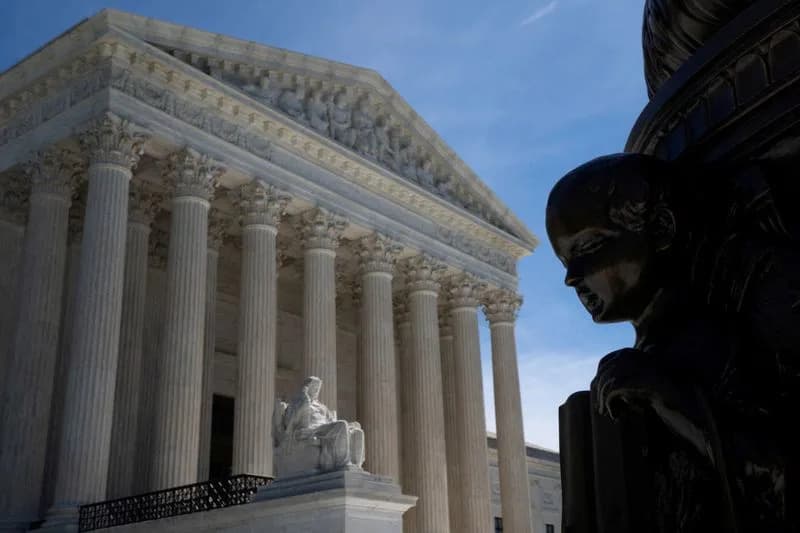
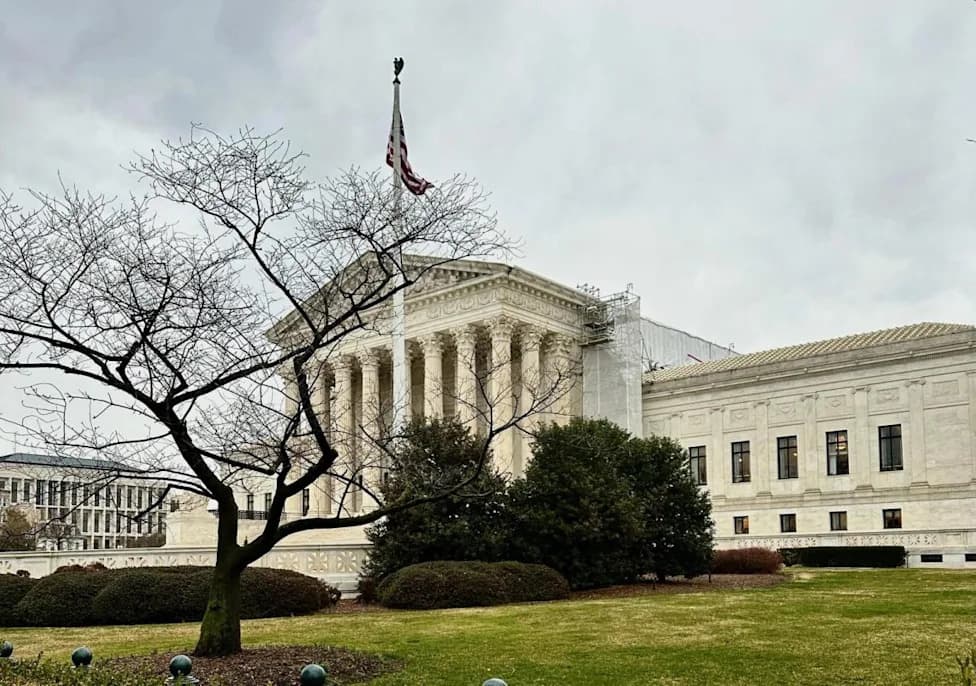
The Supreme Court will hear Suncor Energy v. Boulder on Oct. 5 to decide whether state-law climate claims can proceed against fossil-fuel companies. Justice Clarence Thomas is under scrutiny for recent opinions favoring a narrow view of federal preemption, and Justice Neil Gorsuch has shown similar skepticism. Justice Samuel Alito’s recusal raises the prospect of a 4-4 tie, which would leave Colorado’s ruling intact but not create a national precedent.
Clarence Thomas Under Spotlight as Supreme Court Hears Major Climate Case on Oct. 5
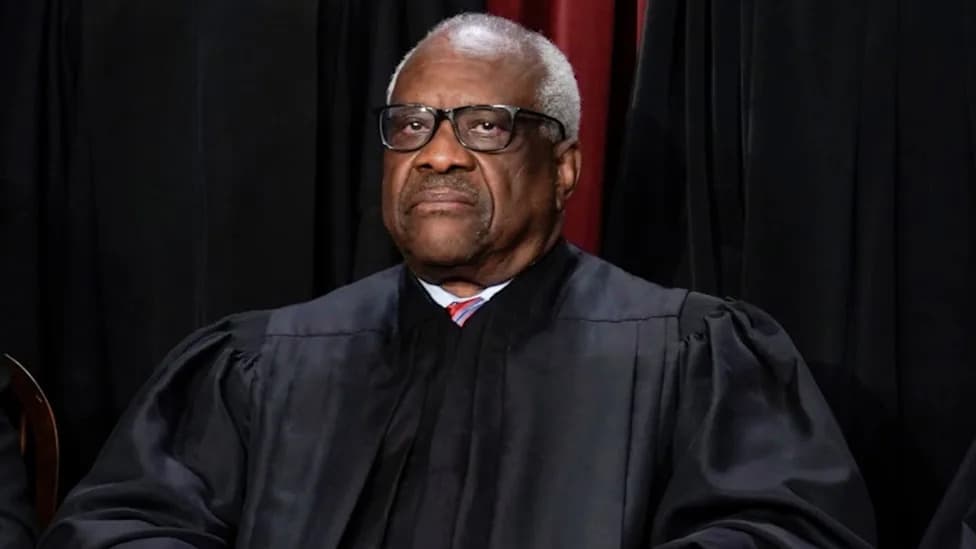
Associate Justice Clarence Thomas is shown in an Oct. 2022 portrait. At least three additional undisclosed trips were given to Justice Thomas by GOP megadonor Harlan Crow than were reported, according to the U.S. Senate Judiciary Committee's ethics investigation into the Supreme Court. (Photo: J. Scott Applewhite/AP, file)
Justice Clarence Thomas has emerged as a focal point as the U.S. Supreme Court prepares to hear Suncor Energy v. Boulder on Oct. 5, a high-profile case that could reshape whether state and local governments can use state law to seek damages from fossil-fuel companies for climate-related harms.
What the Case Is About
Boulder County and the City of Boulder ask the court to allow their state-law tort claims against Exxon Mobil and Suncor to proceed under Colorado law. They allege the companies contributed to climate-related damage and seek damages through state courts. The Colorado Supreme Court previously permitted the litigation to move forward.
The energy companies counter that greenhouse-gas emissions cross state and national borders, arguing that federal law should govern these disputes rather than a patchwork of state lawsuits. They warn that allowing state-law climate suits to proceed nationwide could create conflicting obligations for companies operating across jurisdictions.
Why Justices Thomas and Gorsuch Are Being Watched
CNN and other outlets note that Justice Thomas's recent opinions on federal preemption have drawn attention. In an April opinion involving a military-contractor case, Thomas wrote that federal preemption requires a clear constitutional or statutory basis. Lawyers for Boulder say that approach could make it harder for Exxon and Suncor to show that federal law automatically displaces Colorado law.
Justice Neil Gorsuch has likewise expressed skepticism of broad federal-preemption theories in past opinions. Together, their views make both justices central figures to watch during oral arguments.
Recusal and What a Tie Would Mean
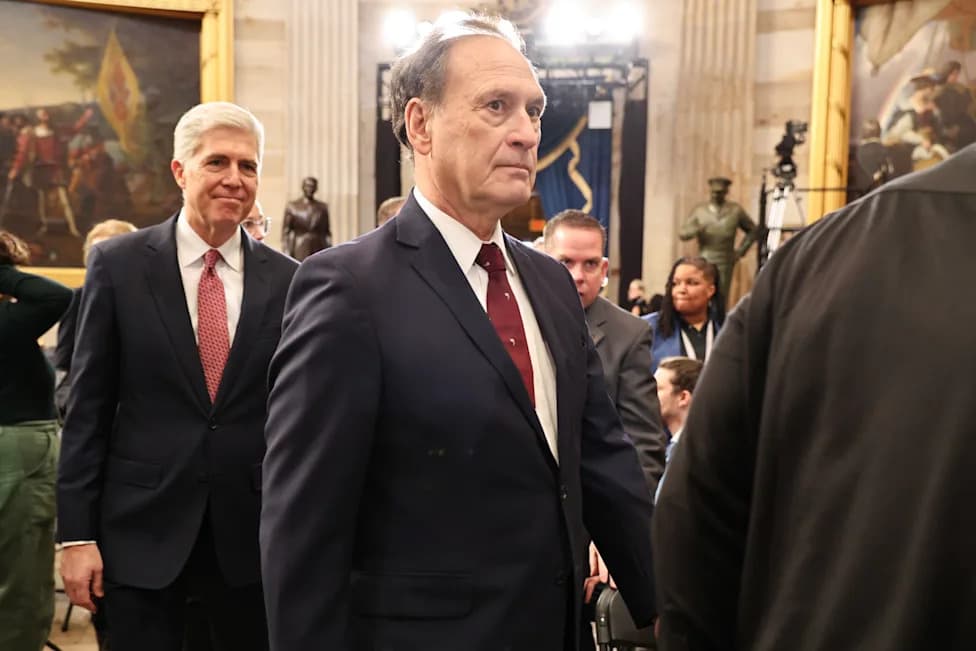
Justice Samuel Alito has recused himself because of investments in energy stocks, creating the possibility of a 4-4 split. If the justices are evenly divided, the Colorado Supreme Court's ruling would stand, but the U.S. Supreme Court would not establish a binding nationwide precedent.
At this stage the court is not deciding whether Exxon or Suncor are liable for Boulder's alleged damages; it is deciding whether those claims may proceed under state law.
Potential Impact
Whichever way the court rules, the decision could shape a wave of climate litigation against fossil-fuel companies by clarifying whether state tort law remains a viable avenue for governments seeking remedies for climate harms. The case will be closely followed for signals about the scope of federal preemption and the balance between federal and state authority on cross-border environmental issues.
Help us improve.