Summary: President Trump has promoted large job-creation and investment claims in midterm battlegrounds, but several announcements lack contracts, land purchases, permits or confirmed foreign backing. A proposed Mesabi Metallics steel mill in Iowa appears to have no recorded land purchases or permits and depends on discretionary tax incentives, while a $54 billion Alaska LNG project touted as backed by South Korea has been denied by Seoul. Even confirmed projects — like a $22.3 billion gas plant in Texas — can provoke local backlash and political consequences.
Trump’s Midterm Job Promises Falter: No Contracts, No Permits, Big Political Claims
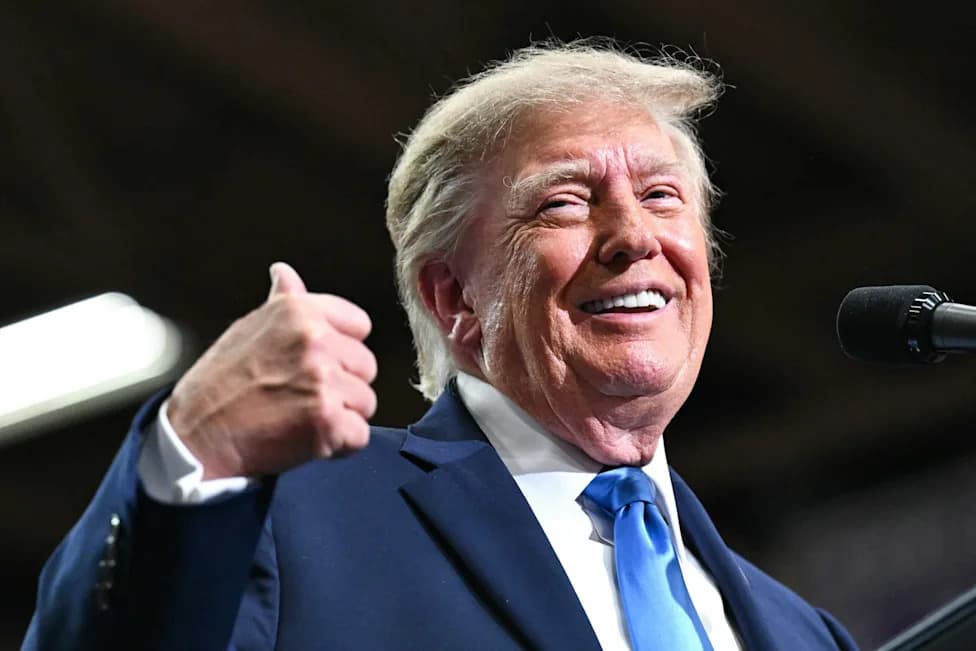
Trump Is Pretending to Create Jobs in Key Midterm States
The recent string of high-profile announcements from the White House—promising jobs and multibillion-dollar projects in midterm battlegrounds—has raised questions about whether the deals actually exist or are mostly political theater.
Cash Promises and Political Theater
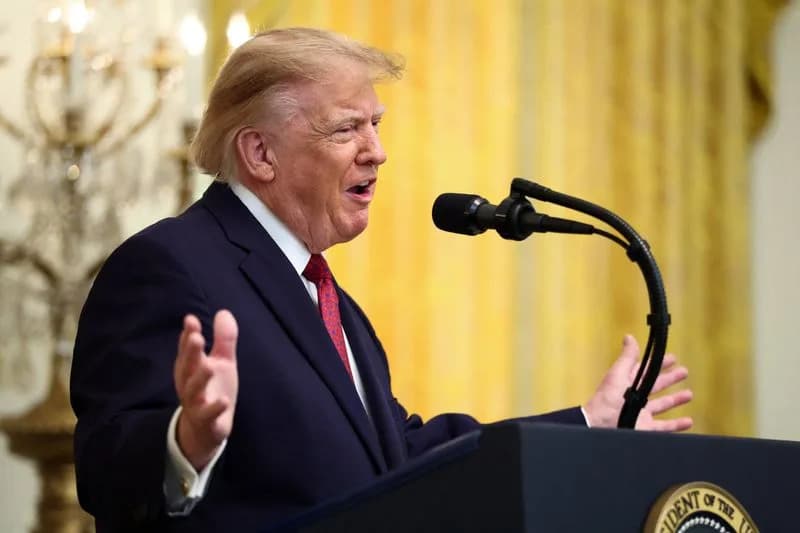
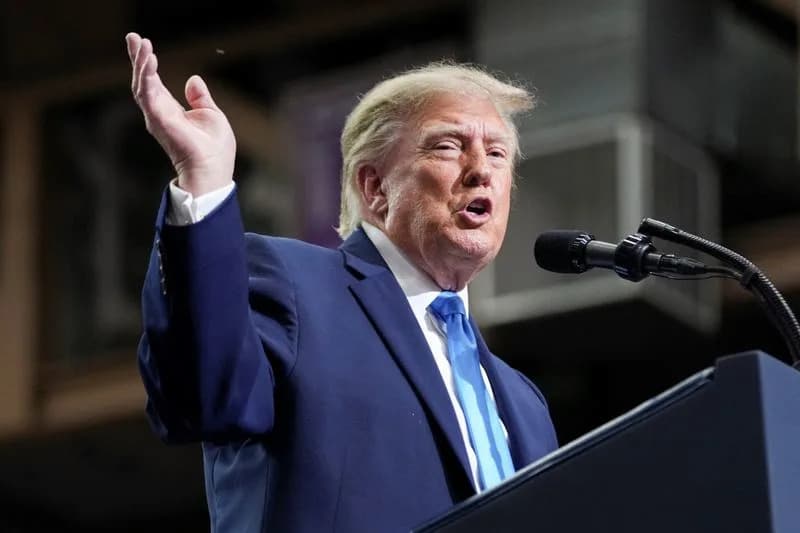
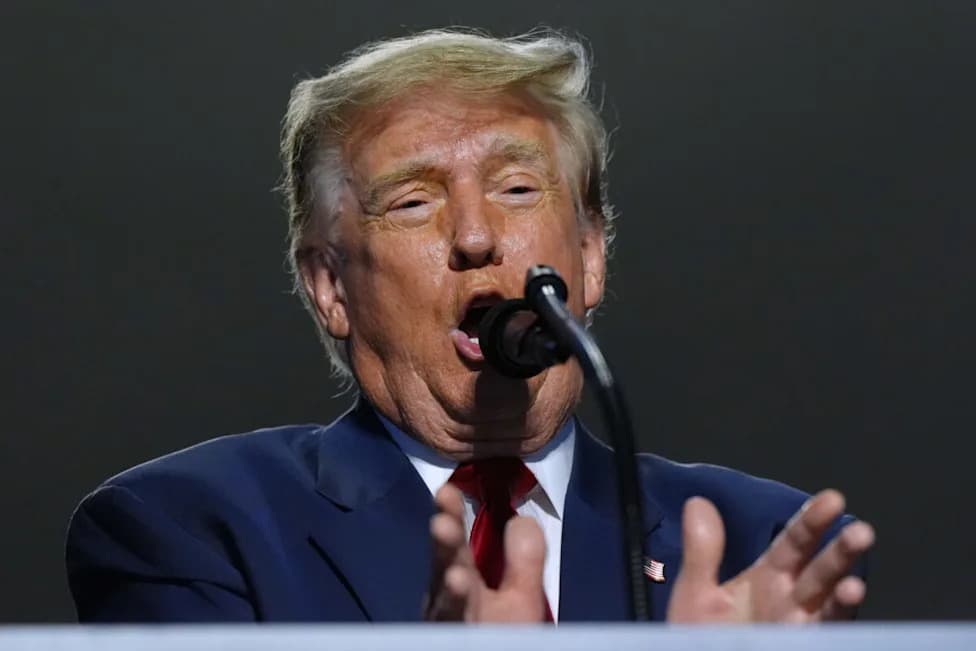
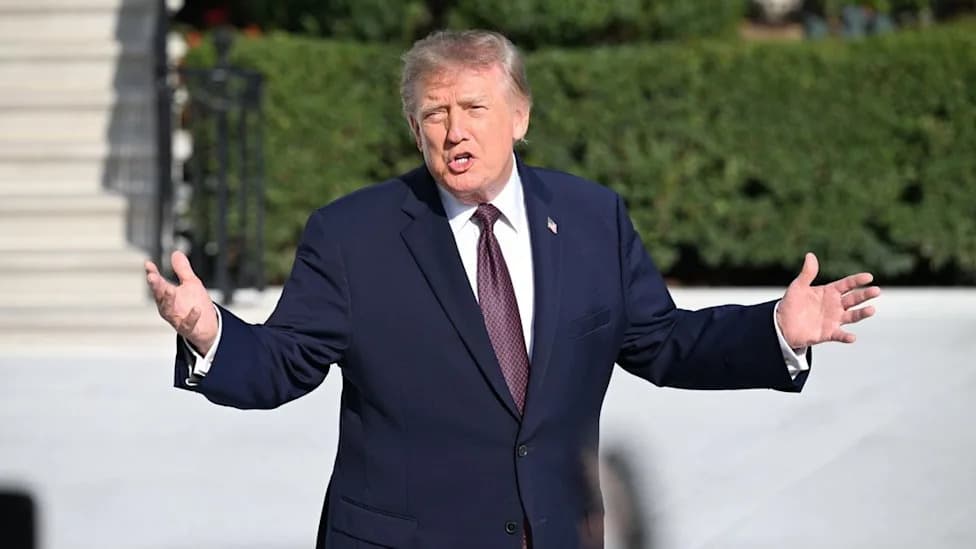
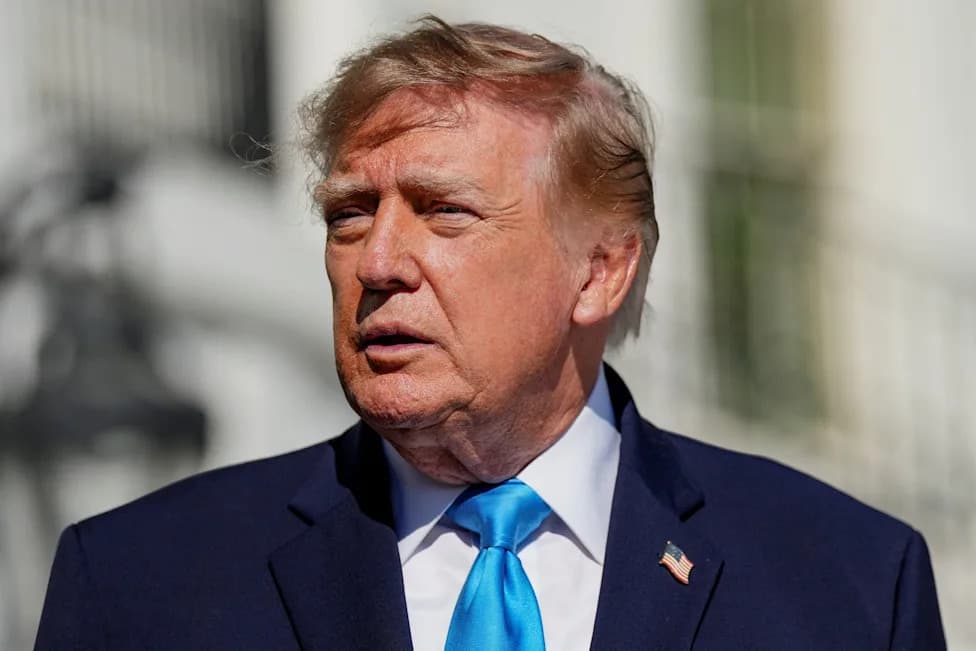
Donald Trump has repeatedly paired bold monetary promises with campaign messaging, from a pledge to give every adult $5,000 if Republicans retain both houses of Congress (an idea estimated to cost about $1.3 trillion) to high-profile trade and investment announcements made at Oval Office ceremonies. These announcements generate headlines, but many lack the underlying contracts, land purchases, permits or confirmed foreign commitments that would make them real.
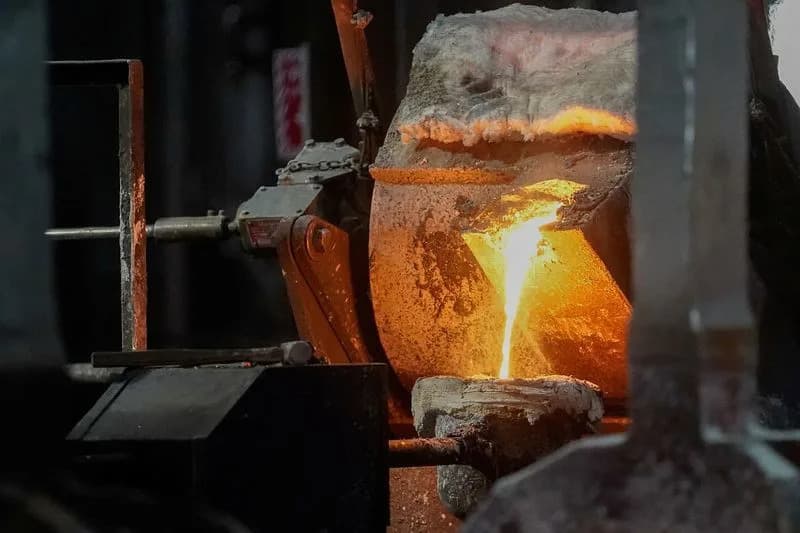
Mesabi Metallics Steel Mill: Loud Claims, Sparse Paperwork
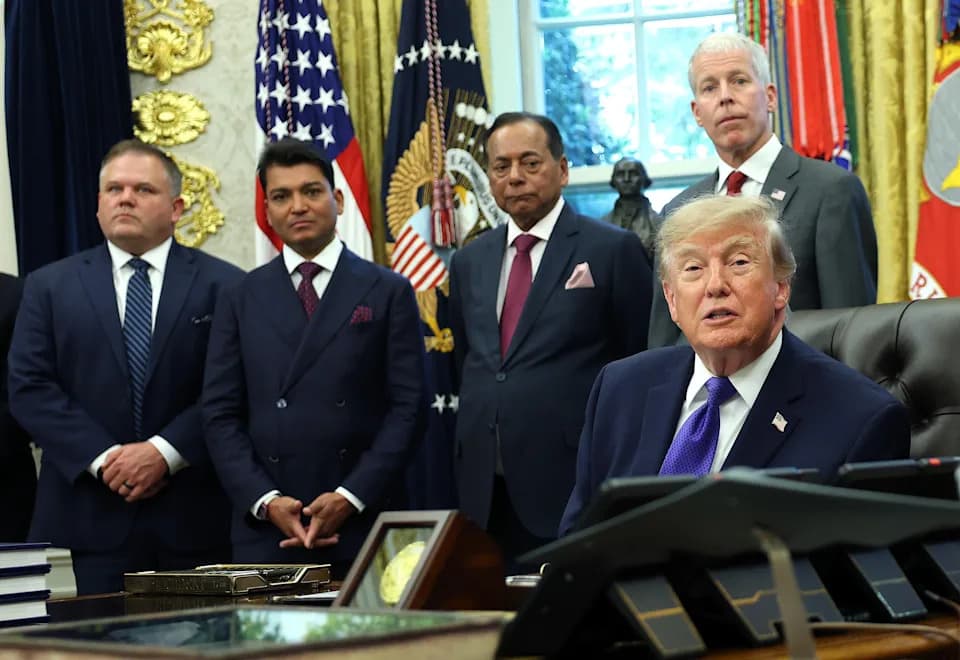
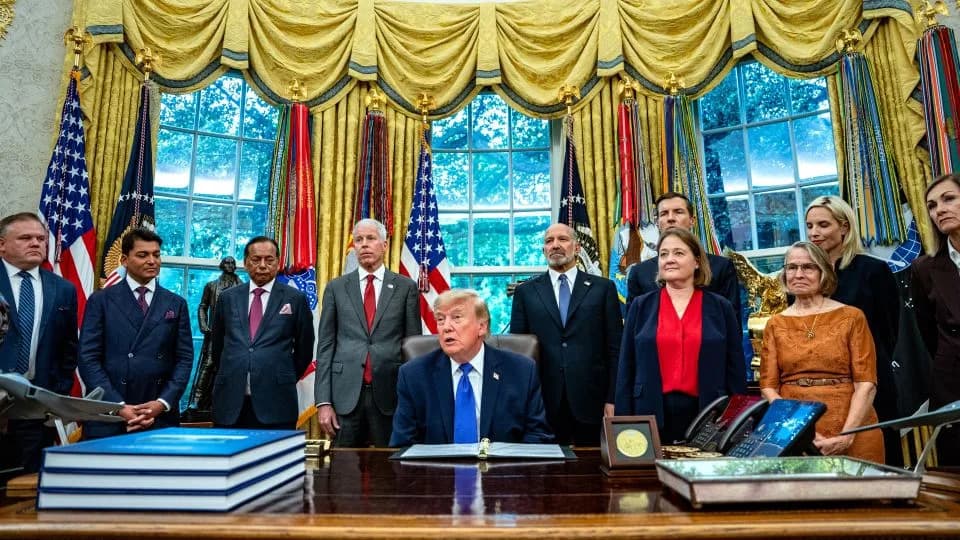
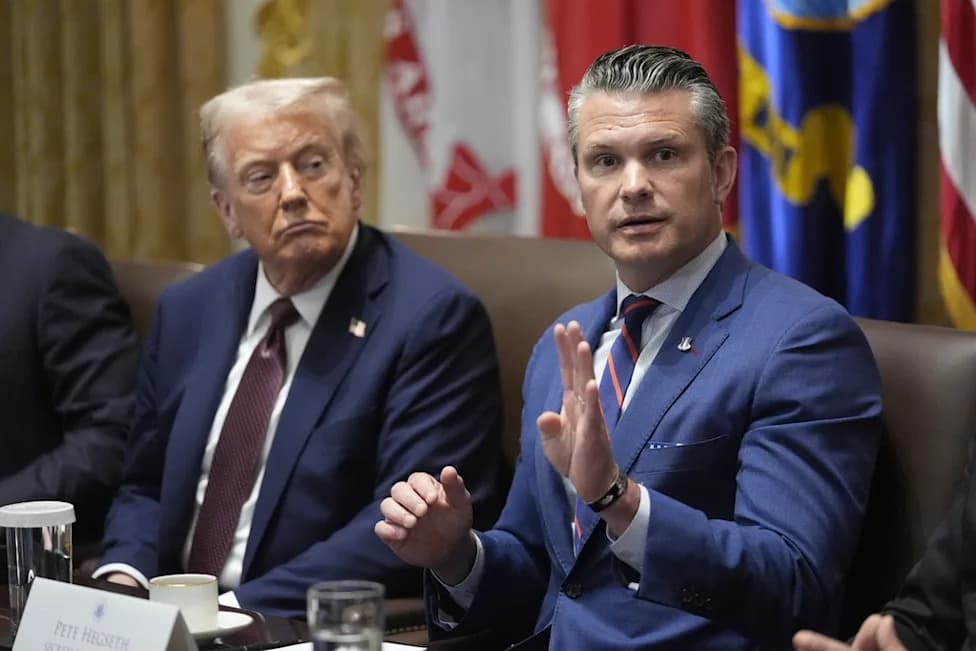
At a September 28 event, the White House promoted a Mesabi Metallics steel mill in Lee County, Iowa, described as a $15 million project that would create about 1,750 permanent jobs and roughly 6,000 construction jobs. Commerce Secretary Howard Lutnick declared, "This deal is done," and President Trump said, "They've already started building." Representative Ashley Hinson attended the event.
Local reporting and public records, however, show no evidence that Mesabi has purchased land in Lee County or submitted permit applications. The Iowa Economic Development Authority must still authorize any tax credit for qualifying investment, and the company must meet operating and payroll thresholds before credits are released. In response to the announcement, Governor Kim Reynolds called the legislature into a special session to approve up to $1.4 billion in tax incentives — a move that drew opposition from some Republicans who warned the incentives could yield negative fiscal outcomes when measured against job creation estimates.
Questions about Mesabi's reliability persist. The company and its parent, Essar Group, have a record of missed deadlines and unfulfilled project promises. Reports note that Essar once proposed a $1.6 billion mine and mill in Minnesota that never materialized, and Mesabi reportedly considered Kentucky as an alternate site as recently as July.
Alaska LNG Claim And Seoul’s Denial
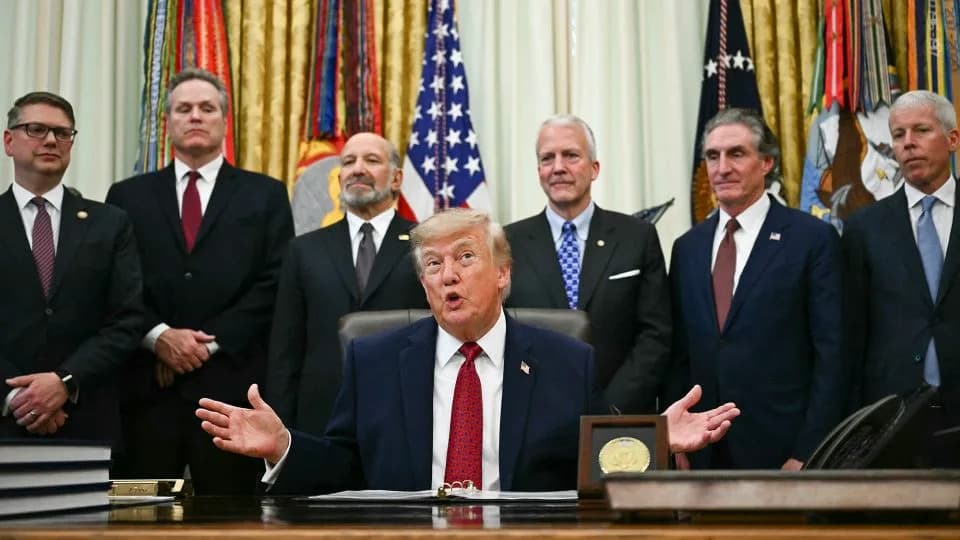
On September 30, Trump announced a $54 billion Alaska liquefied natural gas (LNG) pipeline project, saying South Korea would help finance it as part of a larger $350 billion 2025 commitment by Seoul. The Commerce Department said the United States and South Korea had "agreed to commence working on the Alaska LNG project."
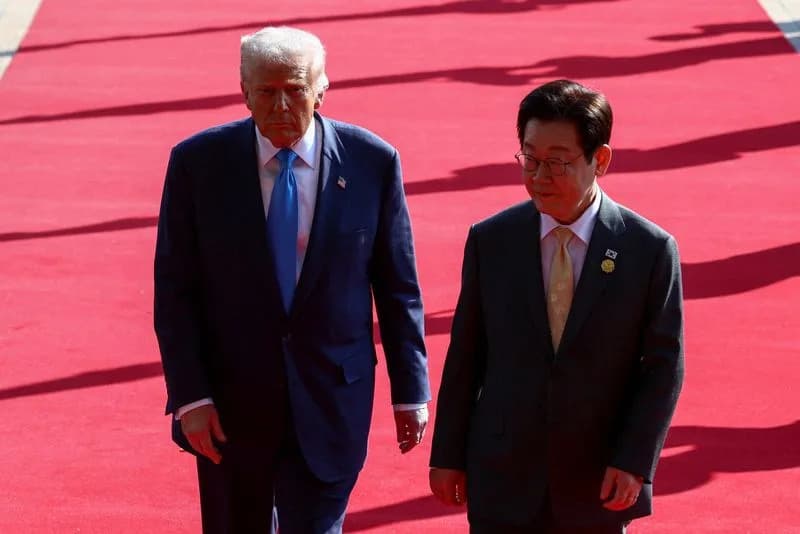
Seoul swiftly disputed the characterization. South Korea's trade minister told reporters that the U.S. language "went far beyond what was agreed," and South Korean outlets and officials said there are no signed agreements and that any decision would require detailed domestic review and commercial justification. Trump also claimed on social media that South Korea agreed to spend $8.4 billion on an enhanced oil recovery project; Seoul said it was unaware of such an agreement.
One Confirmed Project — And Local Backlash
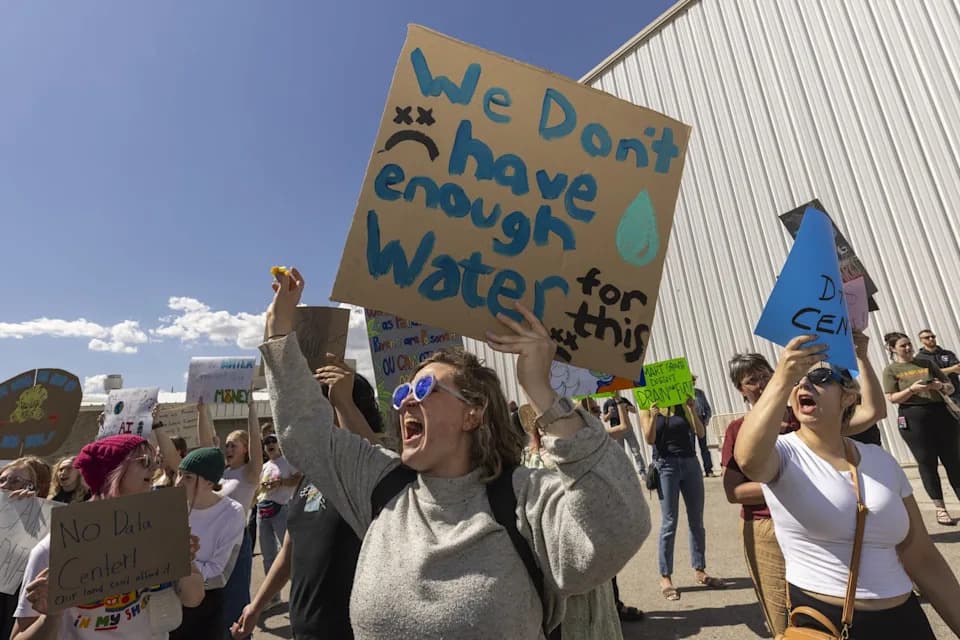
South Korea did confirm a separate, real project: a $22.3 billion gas-fired power plant to support an AI data center in La Salle County, Texas. Texas is itself a politically competitive state this cycle, and the announcement may have limited or mixed electoral impact: Democratic candidate James Talarico has campaigned against new data centers, citing community impacts, and public opinion on data center expansion is split even within Republican communities.
What This Pattern Means
These episodes illustrate a recurring pattern: headline-grabbing Oval Office declarations that suggest deals are in hand before contracts are signed, land is purchased or financing is secured. Local journalists and public records often expose gaps between announcements and reality quickly, but the public spectacle can still shape perception and political narratives. Whether these announcements ultimately lead to projects and jobs depends on follow-through by private companies, state agencies, foreign partners and local communities.
Bottom line: Many of the midterm job claims lack the paperwork and confirmed commitments that would make them credible. Some projects include substantial preconditions, tax-incentive contingencies and corporate histories that warrant scrutiny.
Help us improve.