Three years after COP28’s consensus to move beyond fossil fuels, recent advances show both the dangers of delay and growing momentum toward renewables. Renewables overtook coal as the top electricity source in 2025, and countries are publishing roadmaps—Germany targets 2045—to phase out oil, gas and coal. To meet climate and energy-security goals, the world must double deployed renewable power on grids within four years and translate commitments at COP31 into credible electrification plans, finance and visible benefits.
The Fossil-Fuel Turning Point: Renewables, Roadmaps and the Race to Electrify

A sign for COP31 near the entrance of the Antalya Expo Venue in Antalya, Turkey on September 30, 2026. —Goksel YAPAR—AFP/Getty Images
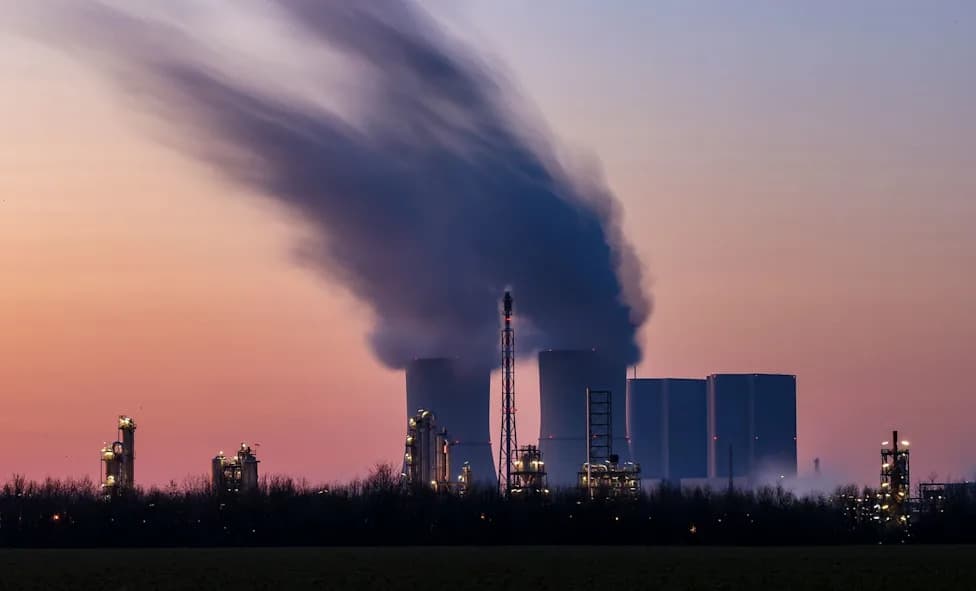
The debate over when and how to move beyond fossil fuels has long dominated global climate policy. Three years after the COP28 consensus in Dubai to transition away from oil, gas and coal, the costs of delay and the benefits of decisive action are clearer than ever.
Why Change Is Urgent
Scientific authorities—from the Intergovernmental Panel on Climate Change to the United Nations Environment Programme—warn that current trajectories could push the world past thresholds linked to the most dangerous impacts of warming. Extreme weather events are becoming more frequent, intense and deadly. At the same time, fossil-fuel dependence is increasingly a strategic and economic liability that undermines energy security and development.
Progress And Practical Responses
Last year delivered notable advances. At the close of COP30, delegates published a roadmap to phase out oil, gas and coal by 2050, outlining barriers, financing needs and multiple transition pathways tailored to different national circumstances. The COP30 agenda was also restructured to speed implementation of the Paris Agreement, creating a two-tier multilateral approach: one track based on consensus and a faster track focused on implementing COP decisions without full unanimity.
COP30 also catalysed coalitions under the Global Climate Action Agenda, including the Santa Marta Conference convened by Colombia and the Netherlands, whose report offered options for national planning, investment and international cooperation. These efforts aim to convert high-level pledges into on-the-ground action.
Real-World Signals
Germany recently became the third country—after France and the Netherlands—to publish a national roadmap to exit fossil fuels, targeting a phaseout by 2045. Geopolitical shocks show why such plans matter: disruption to shipping through the Strait of Hormuz drove Brent crude briefly above $100 per barrel, and higher oil and gas prices have imposed roughly $1.83 billion per day on importers since the crisis began.
By contrast, Spain and Brazil demonstrate how renewable investment can blunt fossil-fuel volatility. Spain, where renewables provided nearly 60% of electricity by some measures, saw wholesale electricity prices fall despite regional price spikes. Brazil—whose energy mix has a high renewables share—was also far better shielded, aided by the widespread availability of sustainable ethanol as an alternative to gasoline.
The Tipping Point For Power Systems
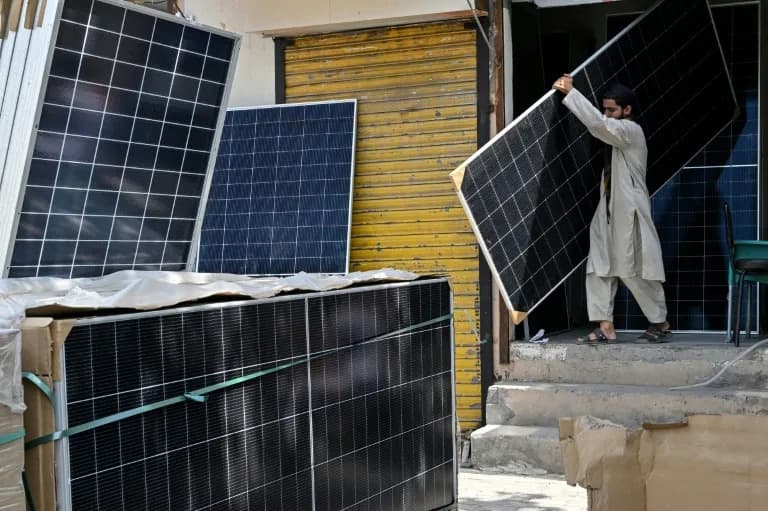
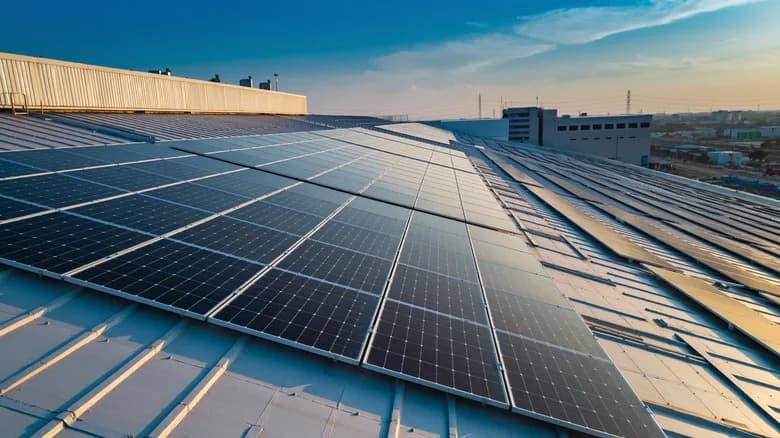
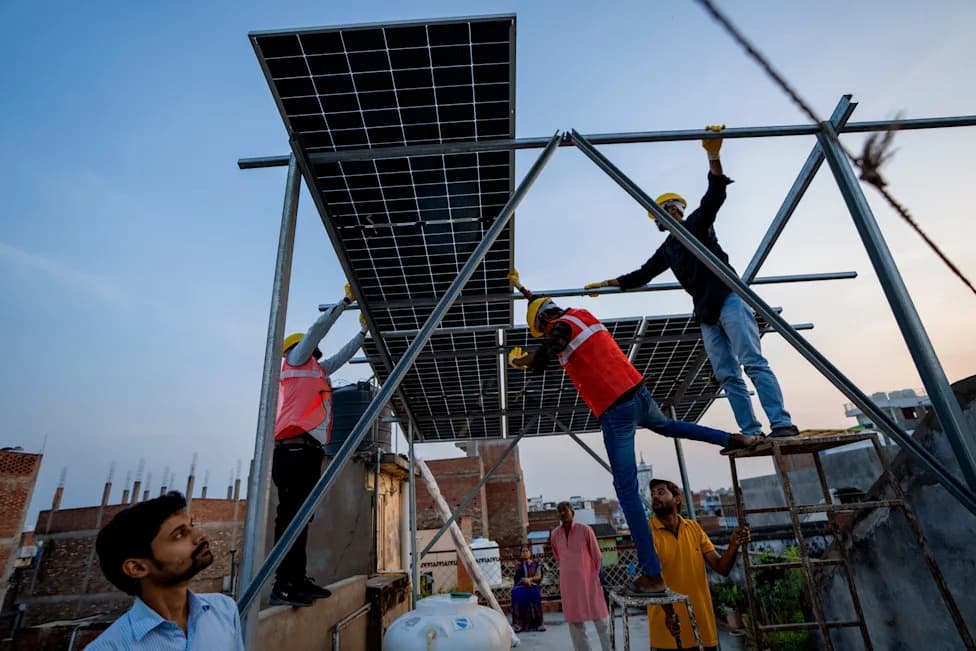
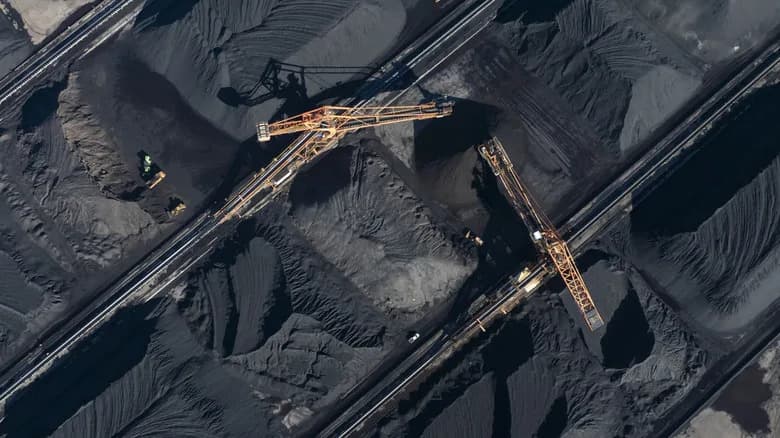
In April, energy think tank Ember reported that renewables overtook coal as the world's leading source of electricity in 2025—clear evidence that power systems are shifting. Renewable energy now powers economies, creates jobs and boosts competitiveness. The United Nations estimates that every dollar invested in renewables can generate up to three times as many jobs as the same dollar invested in fossil fuels.
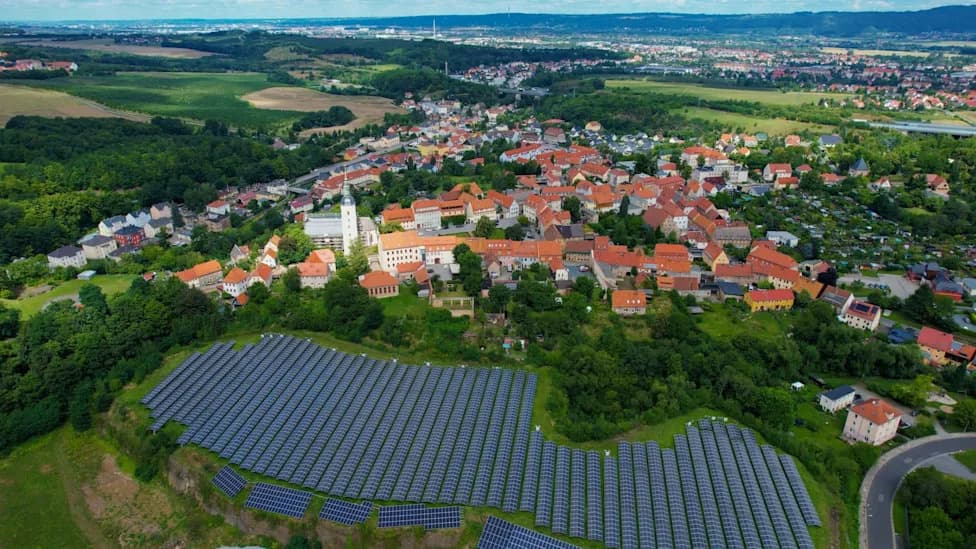
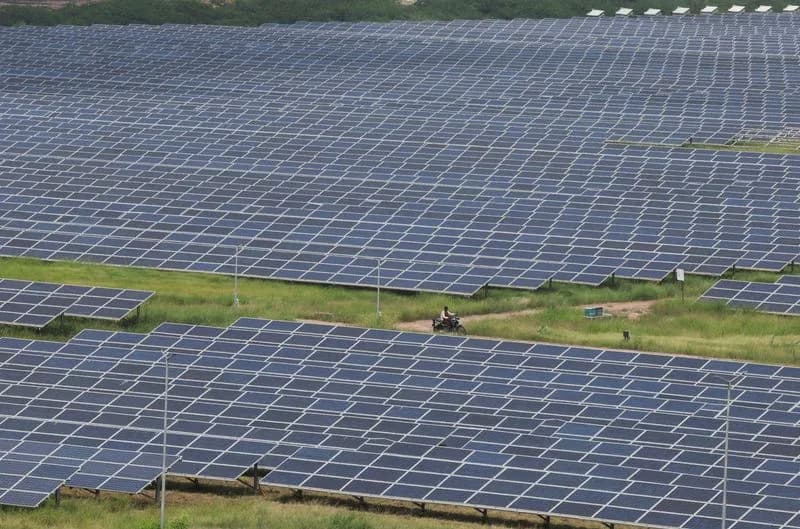
Momentum is building: Southeast Asian governments have issued far more long-term renewable and electrification policies than fossil-fuel policies since recent geopolitical shocks. In 2025 the world added more renewable electricity capacity than in any previous year, but deployment must accelerate: to meet global climate and security goals, the world needs to double renewable power on grids within four years.
From Momentum To Visible Benefits
Scaling electrification across energy, transport and industry is essential to strengthen energy security, improve efficiency and raise competitiveness. Practical, visible outcomes—electric buses in cities, cleaner heating for homes and factories, reliable power for communities still without it, and sustainable fuels for hard-to-electrify sectors—must be prioritized.
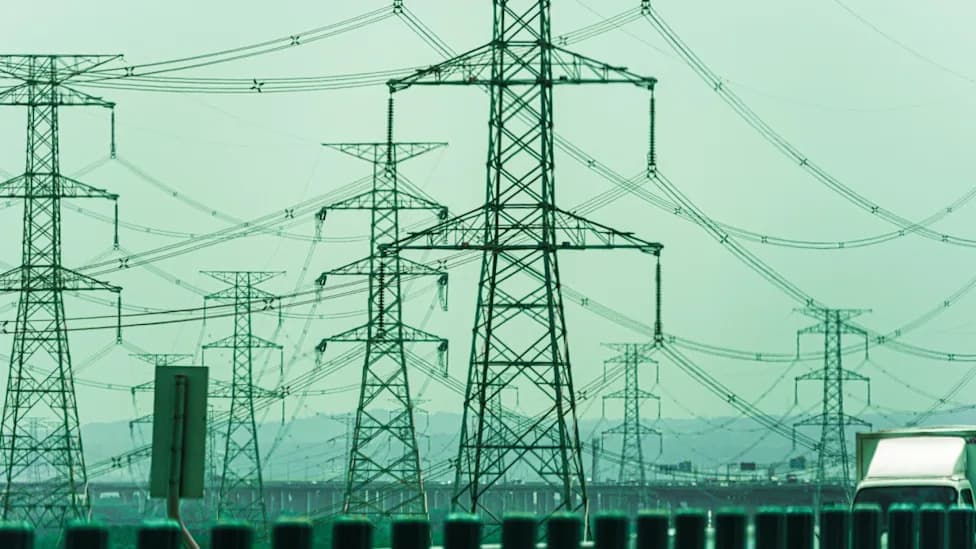
Delivering these benefits requires more than generation: it calls for stronger grids, storage solutions, faster permit and connection processes, and institutions capable of coordinating investments. At COP31 in Antalya, governments should commit to credible national electrification plans embedded in wider economic strategies, developed with society and backed by measurable investment and implementation timelines.
What Needs To Happen Next
Business must match policy with capital, technology and workforce training. International financial institutions should help countries with high borrowing costs access affordable finance. Workers and communities impacted by the transition must receive support to share in its benefits. The aim is concrete: more secure, affordable energy; better livelihoods; and less exposure to the next fossil-fuel shock.
Bottom line: The direction is clear and the tools exist—what matters now is speed, coordination and converting commitments into on-the-ground change.
Help us improve.