The ICC unsealed arrest warrants for Habibullah Agha and Neda Mohammad Nadeem, accusing them of gender-based persecution for policies that bar girls over 12 from school and exclude women from higher education. The warrants, first issued on Sept. 9, 2025, allege the abuses took place through at least Jan. 20, 2025 and were linked to other crimes including imprisonment, torture, rape and enforced disappearance. The move follows earlier warrants for senior Taliban figures and coincided with a UN Human Rights Council condemnation of worsening systematic oppression of women and girls in Afghanistan.
ICC Unseals Arrest Warrants for Two Taliban Education Ministers Over Gender-Based Persecution

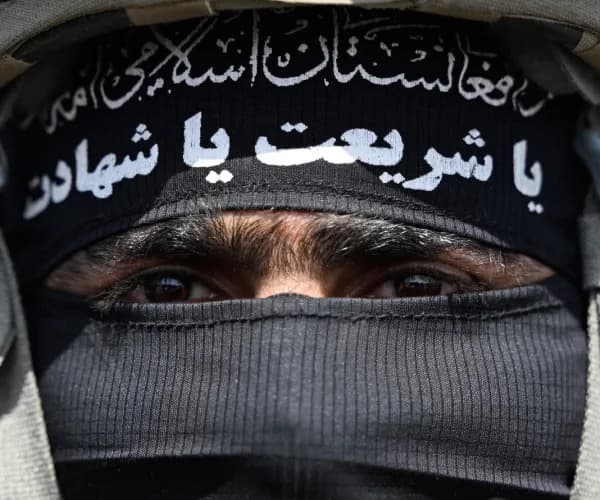
The Taliban government's education minister, Habibullah Agha, is accused of persecuting girls and women, along with the others targeted by the ICC warrants (Wakil KOHSAR)
The International Criminal Court on Monday unsealed arrest warrants for two Afghan education ministers accused of crimes against humanity for policies that have systematically deprived women and girls of their right to education.
Warrants and Accusations
The warrants name Habibullah Agha, minister of education, and Neda Mohammad Nadeem, minister of higher education. They were originally issued on September 9, 2025 and had been kept under seal until the court's disclosure.
The ICC alleges the two officials committed the "crime against humanity of persecution on gender grounds" by adopting and enforcing policies that barred girls over the age of 12 from school and excluded women from higher education following the Taliban's return to power in August 2021.
Legal Findings
"There are reasonable grounds to believe" the suspects committed persecution on gender grounds, the court said, adding that the deprivation of fundamental rights occurred "in connection with" other alleged crimes including imprisonment, torture, rape and enforced disappearance.
The court says the alleged offences occurred in Afghanistan from the Taliban takeover in 2021 until at least January 20, 2025.
International Reaction and Context
The unsealing coincided with a unanimous statement by the UN Human Rights Council condemning what it described as a "worsening" and "systematic oppression of all women and girls in Afghanistan." The council called on Taliban authorities to repeal discriminatory measures and restore rights that international bodies deem fundamental.
The ICC's Pre-Trial Chamber II said it unsealed the four warrants (including two previously authorised in July 2025 for Supreme Taliban Leader Haibatullah Akhundzada and Supreme Court President Abdul Hakim Haqqani) with redactions after concluding disclosure would not unduly affect ongoing investigations and might help prevent further crimes and promote international cooperation.
Human Impact
Across Afghanistan, AFP reporters have documented the social and human consequences of the education bans: widespread mental-health problems among teenage girls, women largely confined to their homes, and universities operating as male-only institutions with new restrictions on behaviour and attire. Efforts by some women and girls to study online are limited by unreliable internet and power supply.
Healthcare providers told AFP the higher-education ban has worsened staff shortages in hospitals because women can no longer qualify as doctors or pursue medical careers.
Next Steps
AFP has approached Taliban authorities for comment. The unsealed warrants are likely to increase international pressure on the Taliban administration and could prompt further legal and diplomatic responses as states and international organizations consider how to respond to the court's findings.
Help us improve.