The Pentagon’s internal disputes over a U.S. response to Houthi attacks in the Red Sea revealed deep splits between commanders who pushed for rapid strikes and officials who urged more study. In March 2025, Operation Rough Rider launched a 51-day bombing campaign that hit over 1,000 targets but drew criticism for civilian casualties, logistical strain on munitions, and operational-security lapses like the "Signalgate" leak. An Oman-brokered ceasefire ended combat abruptly, and critics say the pause allowed the Houthis to rebuild and renew attacks, underscoring the difficulty of translating tactical strikes into lasting strategic success.
Pentagon’s Heated Debates Over Yemen Strike Plan Foreshadowed Broader U.S. Troubles With Iran

Pentagon officials’ heated debates foreshadowed problems in Iran
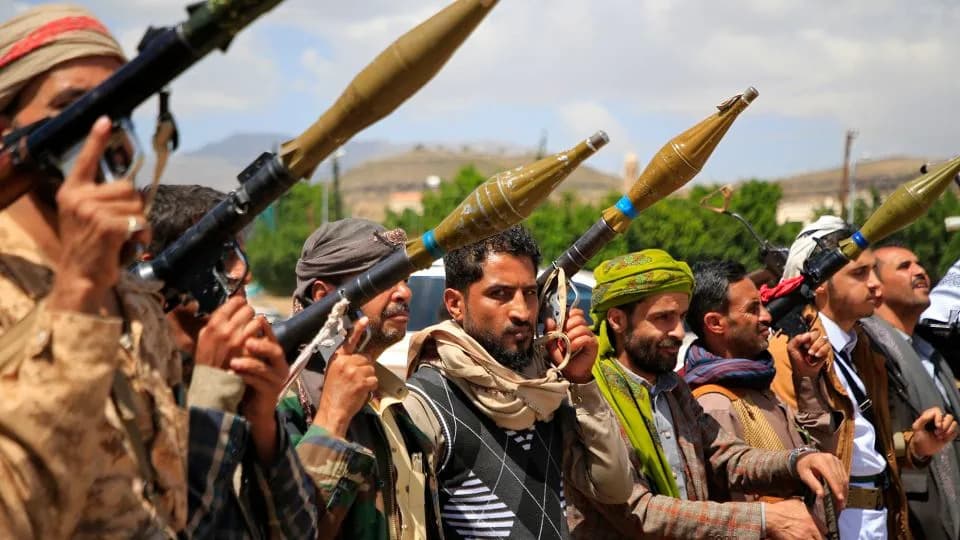
As missile and drone attacks by Houthi militants disrupted shipping in the Red Sea early last year, tense discussions inside the Pentagon exposed deep divisions over how, when and whether to use U.S. military force. Those deliberations — pitting hawkish commanders urging rapid strikes against both the Houthis and their Iranian backers against cautious officials who sought further assessments — would foreshadow subsequent operational, diplomatic and logistical challenges.
Key personalities and the turning point. Senior commanders such as Gen. Michael "Erik" Kurilla, then responsible for U.S. operations across the Middle East, pushed for immediate kinetic action. Opposing them were leaders who urged a more measured approach, including Joint Chiefs Chairman Gen. Charles Q. Brown Jr., who argued for fresh assessments before presenting strike options to the president. According to people familiar with the deliberations, Kurilla snapped, "General, the time for assessments is over." The exchange reflected a broader split over risk tolerance, objectives and resource planning.
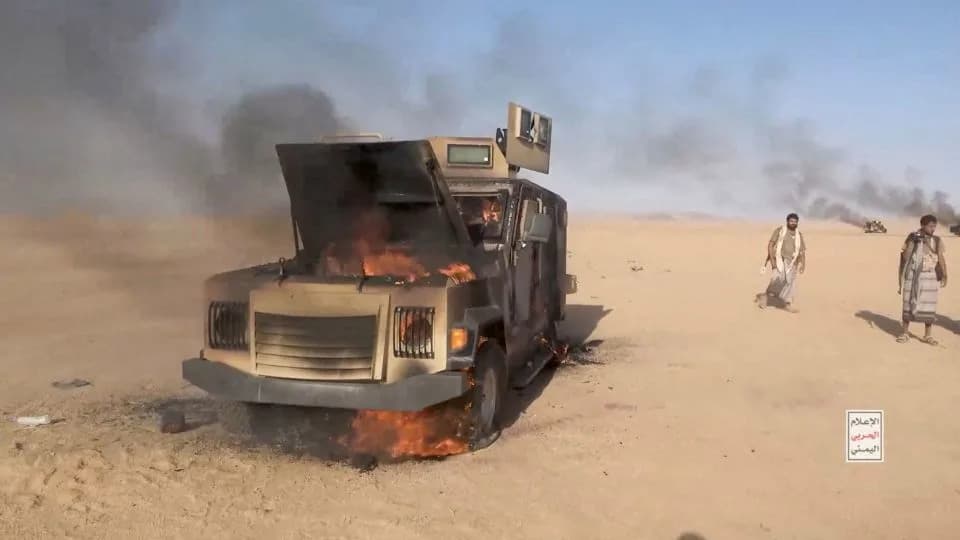
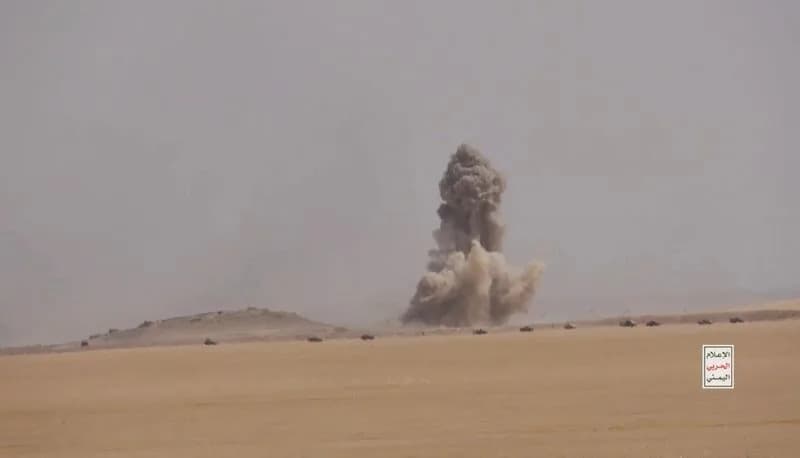
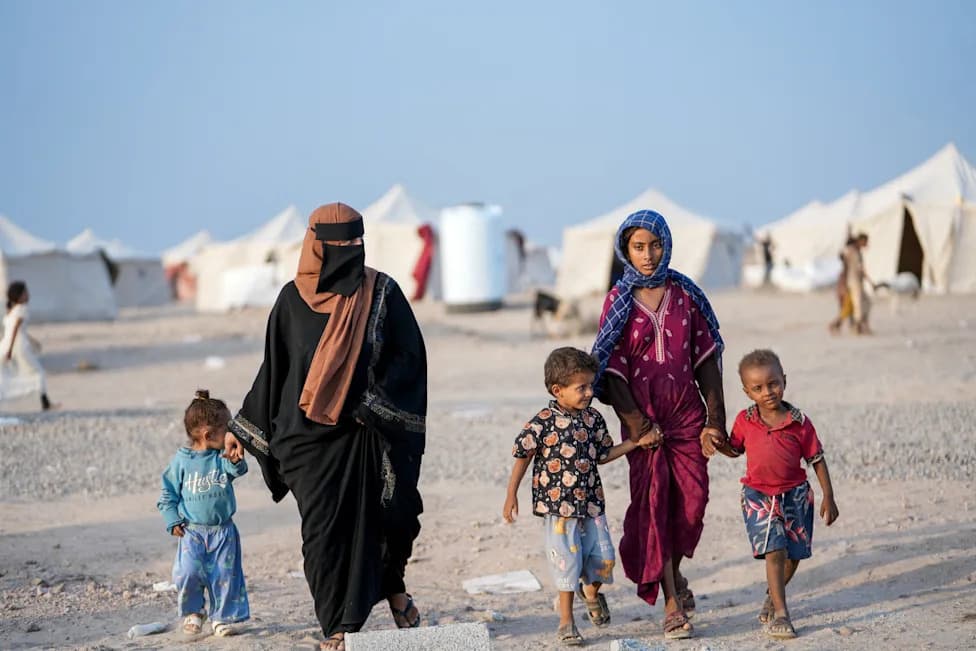
Operation Rough Rider and its consequences. In March 2025 the administration launched Operation Rough Rider, a 51-day bombing campaign that struck more than 1,000 targets. The campaign removed commanders and hit weapons caches but drew sharp criticism for civilian casualties and unclear exit criteria. Human Rights Watch and other groups attributed significant noncombatant harm to strikes, and internal critics questioned whether the campaign had fully defined strategic goals or a viable endgame.
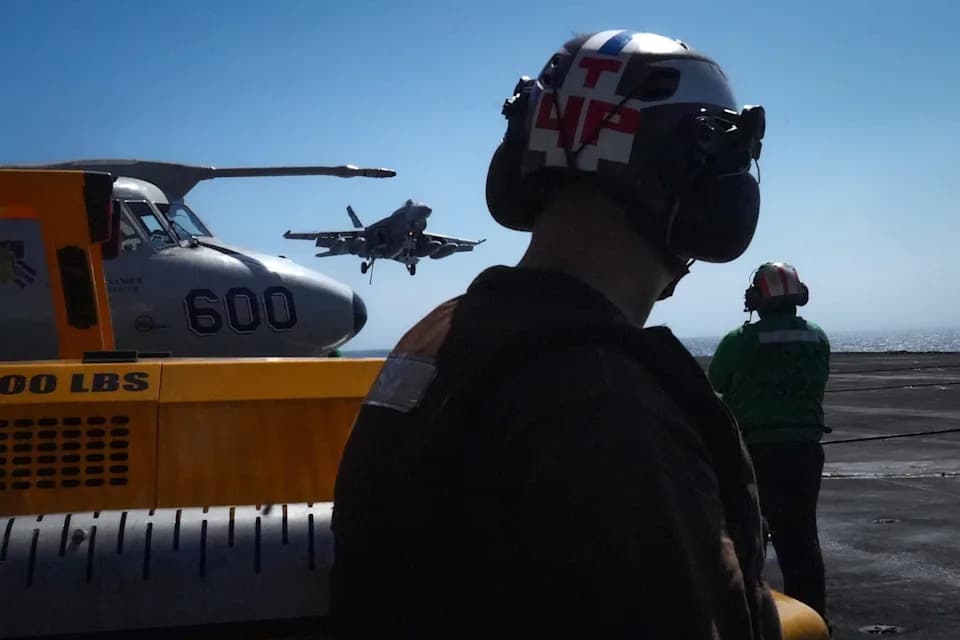
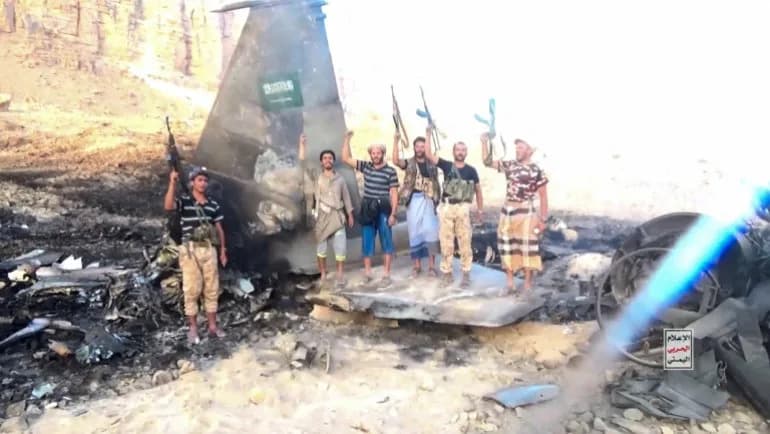
Munitions, mishaps and Signalgate. Officials inside the Pentagon had warned that a prolonged campaign could deplete specific munitions stockpiles. Those concerns reemerged after Rough Rider as the military burned through ship-launched Tomahawk cruise missiles and Patriot interceptors amid a wider conflict with Iran. The operation also saw at least seven MQ-9 Reaper drones shot down and the loss of two F/A-18 fighters in mishaps at sea. Public confidence was further dented by the "Signalgate" episode: senior officials exchanged operational details over an unclassified Signal chat that accidentally included a reporter, prompting an inspector-general review that flagged risks to operational security.
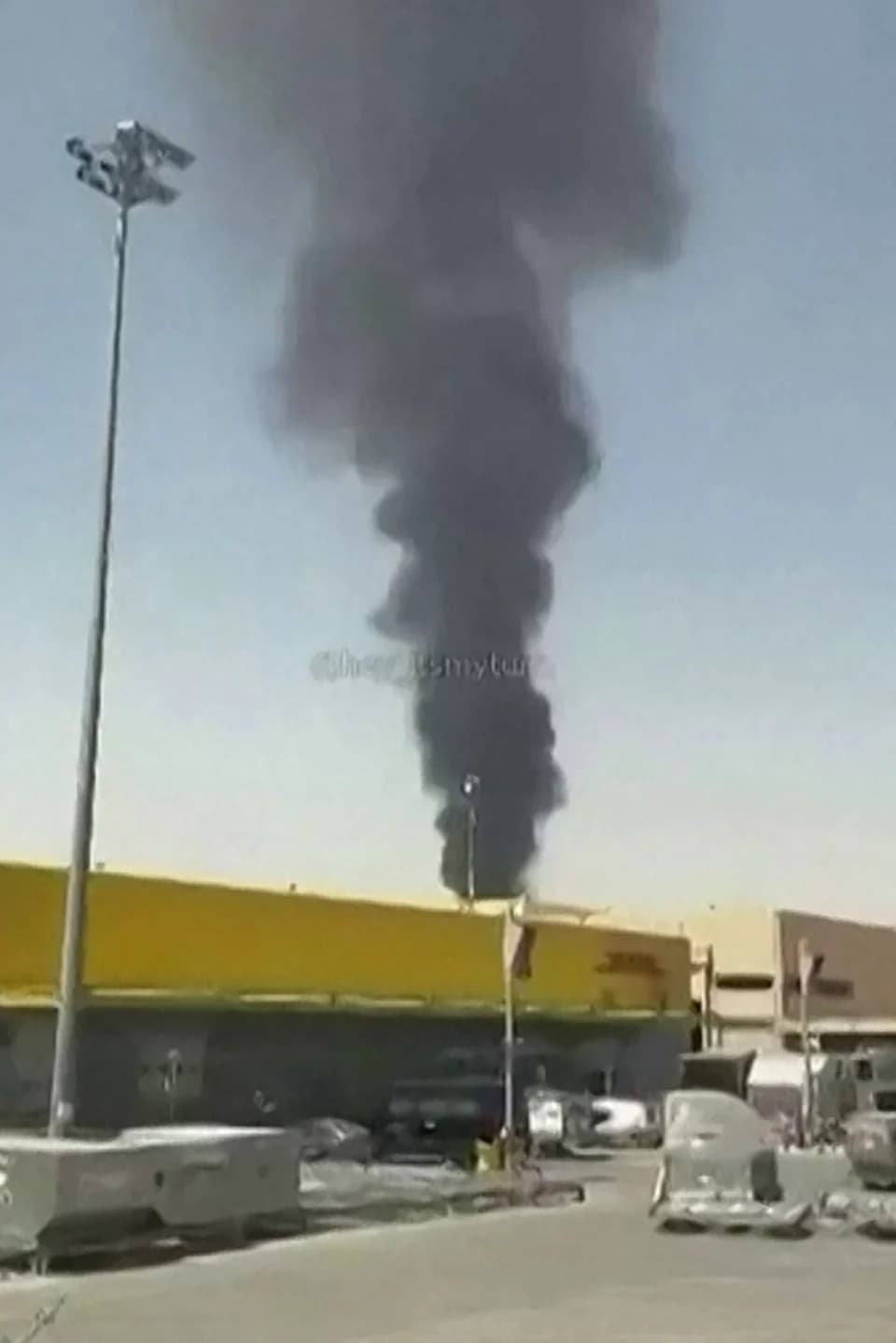
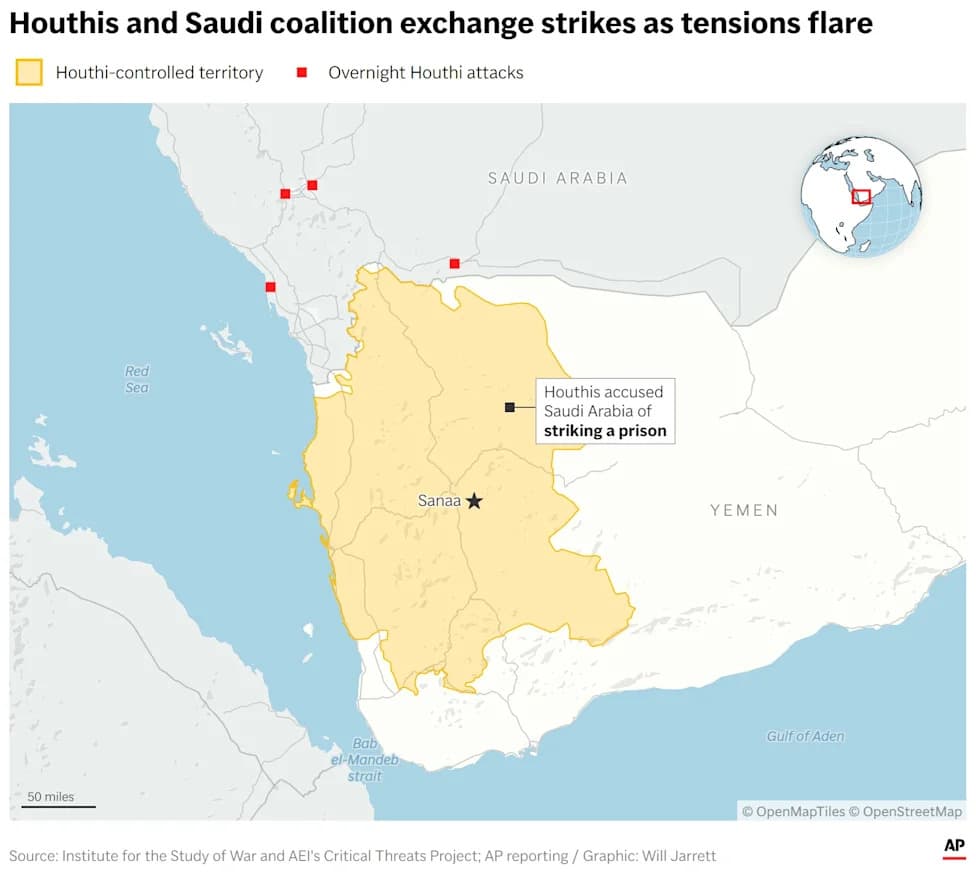
Ceasefire, aftermath and regional ripple effects. A ceasefire brokered by Oman abruptly ended combat operations in May 2025. The administration framed the pause as a tactical success, but critics argued the Houthis used the respite to rebuild and expand operations — including renewed strikes on Saudi energy infrastructure and attempts to seize control of the Bab al-Mandab shipping chokepoint. Analysts warn that the ceasefire, taken without a sustained political or humanitarian strategy, gave the Houthis space to recover and recalibrate.
Broader implications. The episode highlights enduring dilemmas for U.S. policy: how to deter Iran-backed proxies without becoming mired in open-ended campaigns; how to manage finite munitions and operational security; and how to align military action with diplomatic strategy and humanitarian considerations. The internal Pentagon clash — and the operational outcomes that followed — underscore the difficulty of translating tactical strikes into lasting strategic gains in a volatile, multi-actor regional environment.
"You ignore Yemen at your own peril," said a former official who worked on Yemen issues, capturing the worry among some U.S. strategists that temporary operations, absent sustained engagement, can leave persistent threats unchecked.
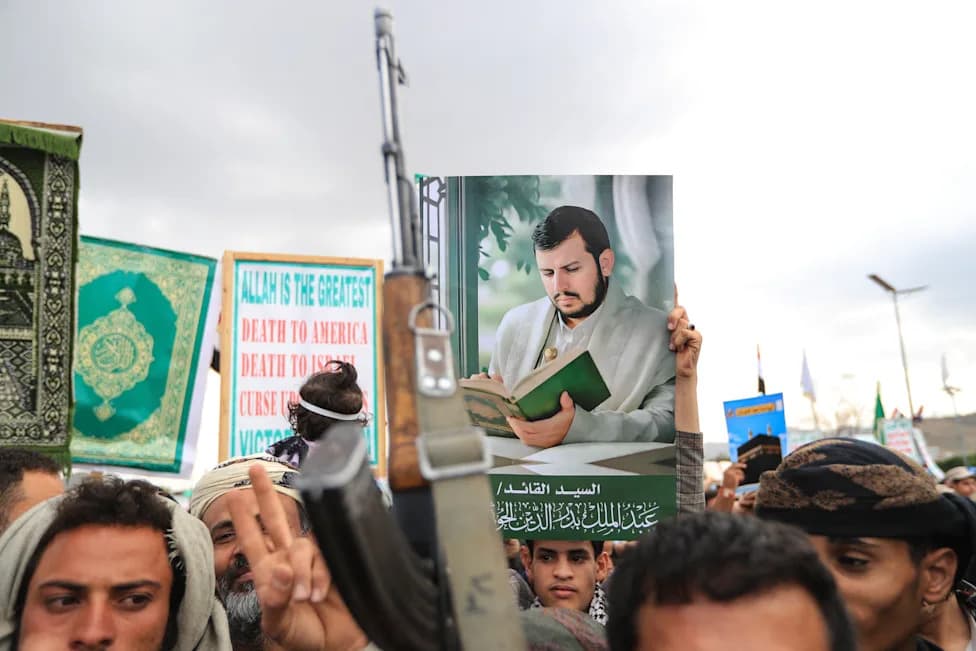
What remains unsettled. The Houthis retain significant capabilities and regional influence, analysts say, bolstered in part by Iranian support. The U.S. and its partners face a choice between sustained, resource-intensive engagement or reliance on periodic strikes and diplomacy that may yield only temporary respite. As regional tensions with Iran continue to escalate, the lessons from the Pentagon’s debates and Rough Rider’s mixed outcomes will shape future U.S. decisions about force, risk and strategic priorities.
Help us improve.