Carbon Brief analysis suggests disruptions around the Strait of Hormuz could trim global fossil-fuel CO2 emissions by about 0.5% in 2026, even as coal demand rises 1.2%. The IEA has sharply revised forecasts: oil demand is now expected to fall by 2.5 million barrels per day (about 2.4% below 2025) and gas demand is projected to decline 0.6%. These shifts illustrate how supply risks and higher prices can accelerate interest in EVs and domestic clean power while highlighting broader health and economic harms from fossil fuels.
Hormuz Disruptions Could Trim Global CO2 In 2026 — Even As Coal Use Rises
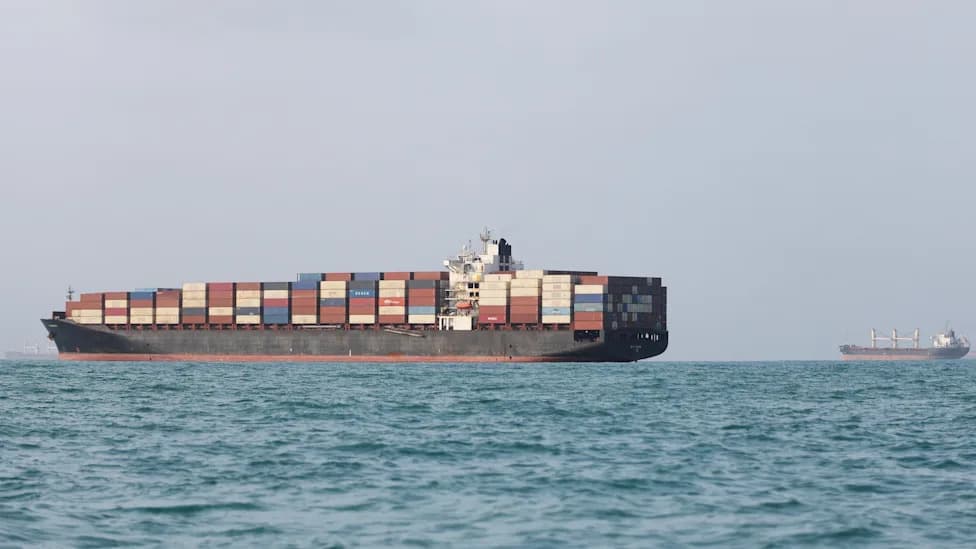
Photo Credit: Getty Images
An analysis by Carbon Brief finds that disruptions tied to the Strait of Hormuz could push global fossil-fuel CO2 emissions slightly lower in 2026, even though coal consumption is expected to rise. The net change reflects much larger projected declines in oil and gas use that outweigh modest increases in coal burning.
Key projection: Worldwide CO2 emissions from fossil fuels are estimated to be roughly 0.5% lower in 2026 than in 2025, based on updated International Energy Agency (IEA) outlooks for coal, oil and gas.
What Changed in the IEA Outlook
In its latest update, the IEA revised its 2026 forecasts as energy markets responded to the U.S.-Iran conflict and shipping disruptions around the Strait of Hormuz. The main changes include:
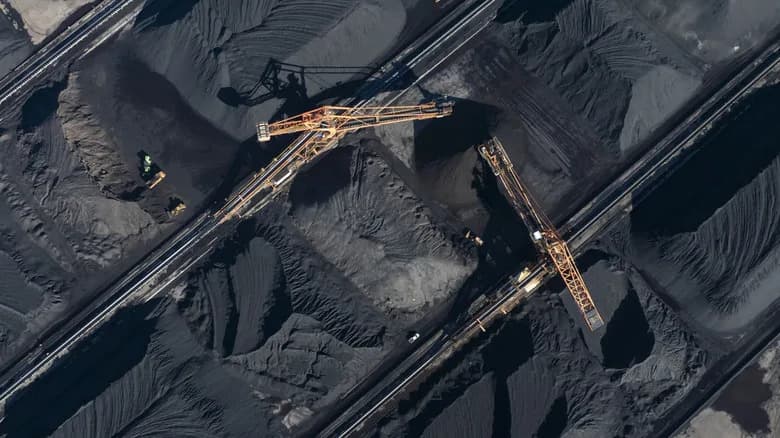
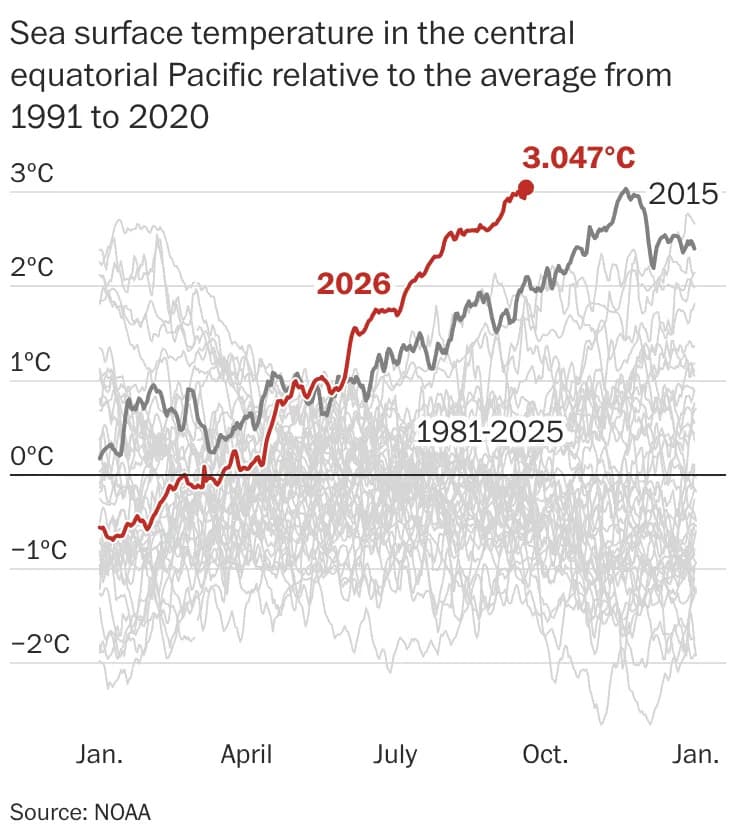
- Coal demand is now expected to rise 1.2% in 2026, reversing an earlier forecast of a decline. The IEA attributes part of this increase to higher gas prices, a strong El Niño and reduced hydropower output.
- Oil demand forecasts fell sharply: the agency moved from expecting growth of 930,000 barrels per day in January to now forecasting a drop of 2.5 million barrels per day — roughly 2.4% below 2025 levels.
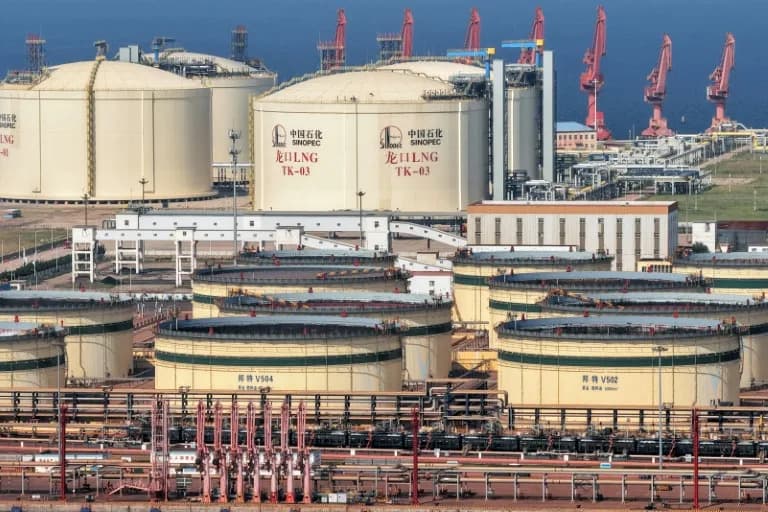
- Gas demand was revised from a projected 2.0% rise to an expected 0.6% decline for 2026.
Why Emissions Could Fall Despite More Coal
Because oil and gas account for a large share of fossil-fuel CO2, sizable reductions in their use can more than offset smaller increases in coal consumption. The IEA updates — reflecting supply-route instability and higher prices — show how volatile markets can quickly change the global emissions trajectory.
"For every month the conflict lasts, the probability of permanent [oil] demand destruction increases," wrote Sverre Alvik, vice president at consultancy DNV, in an analysis cited by Carbon Brief.
Broader Impacts Beyond Climate
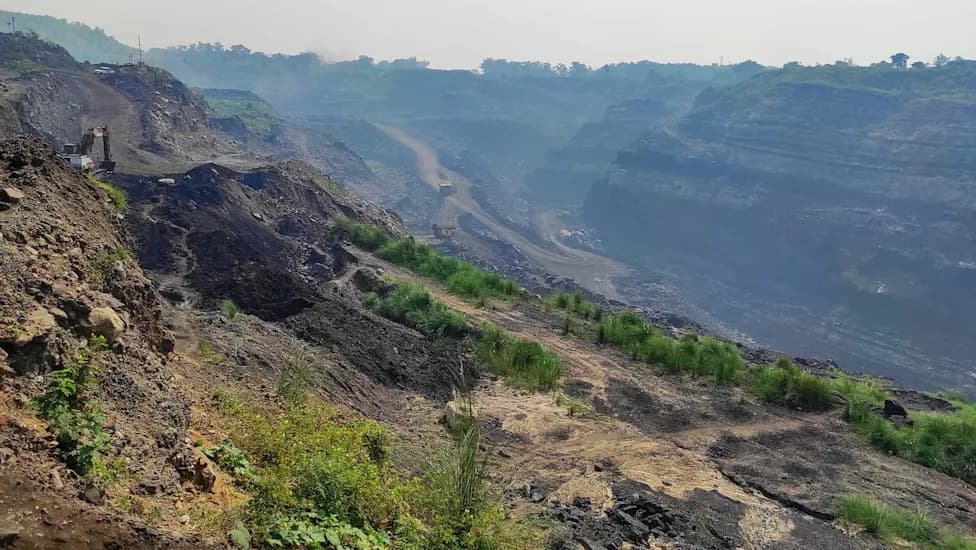
The analysis highlights costs of fossil-fuel dependence beyond greenhouse-gas totals. Burning coal, oil and gas contributes to extreme weather, air and water pollution, and a range of health harms — including asthma, heart disease, cancer and premature death. High and volatile fuel prices also strain household budgets even as industry profits rise, while lobbying has slowed deployment of cleaner alternatives.
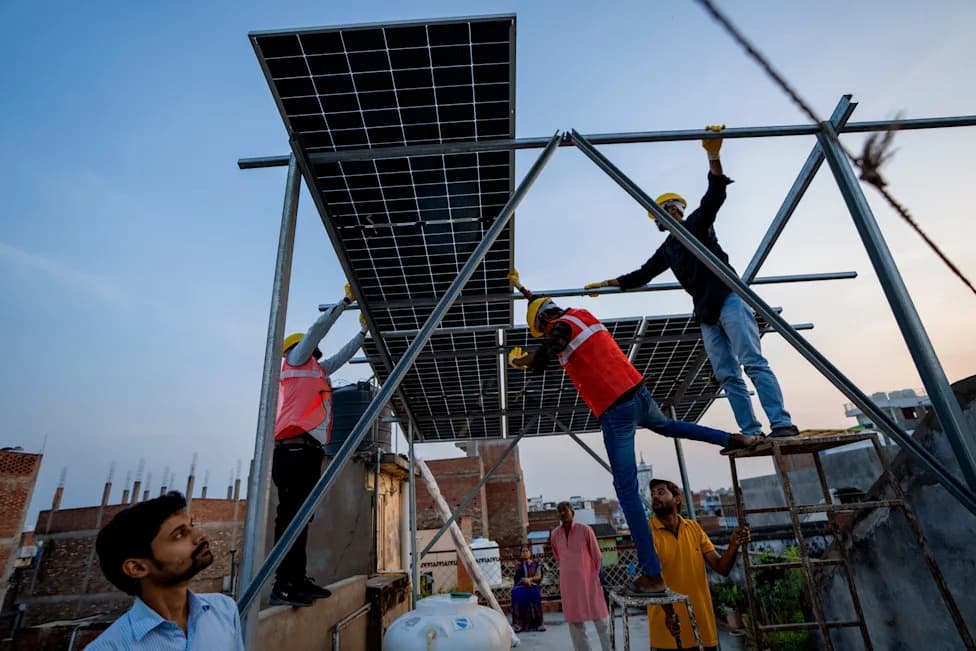
Higher fuel costs and supply risks can accelerate adoption of substitutes. Carbon Brief notes record electric-vehicle market shares in places such as Australia, China, Europe, Indonesia and Thailand, and reports growing policy interest in domestically produced clean electricity over imported LNG in some countries.
Interconnected Outlooks
The IEA warns that 2027 projections for coal and gas are linked: persistently high gas prices could push coal demand higher again, while cheaper gas would reduce coal use. The near-term shifts underline the potential for cleaner energy to deliver both resilience and price stability by reducing exposure to volatile global supply chains.
Related Investigations
- Keeping aging U.S. coal plants online is costing ratepayers hundreds of millions.
- Some LNG projects can produce lifecycle emissions and pollution comparable to or worse than coal.
- Air pollution near oil and gas operations is linked to rising asthma and premature deaths.
- An extensive disinformation campaign by fossil-fuel interests has targeted the U.N. and other institutions.
Each of these stories underscores that the true costs of fossil-fuel dependence extend well beyond accounting measures — affecting health, community resilience and long-term economic stability.
Help us improve.