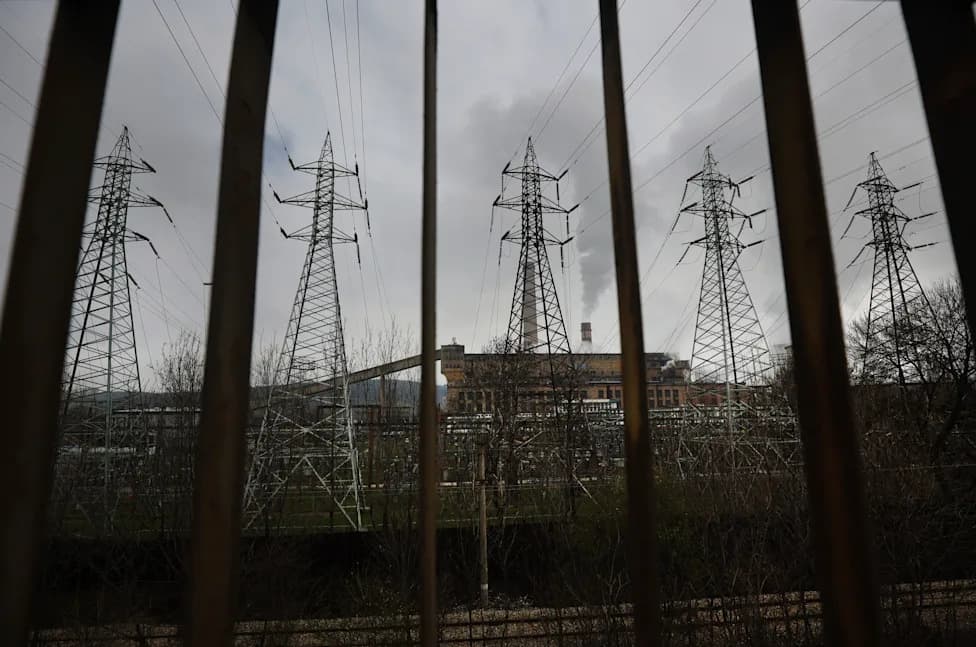
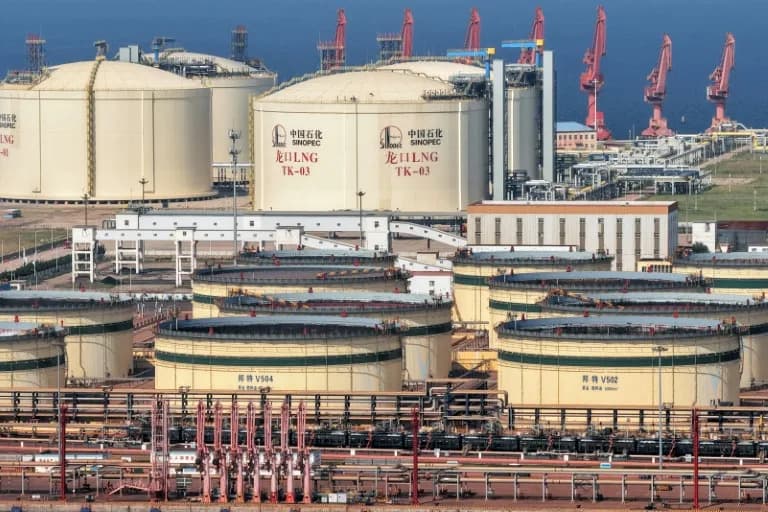
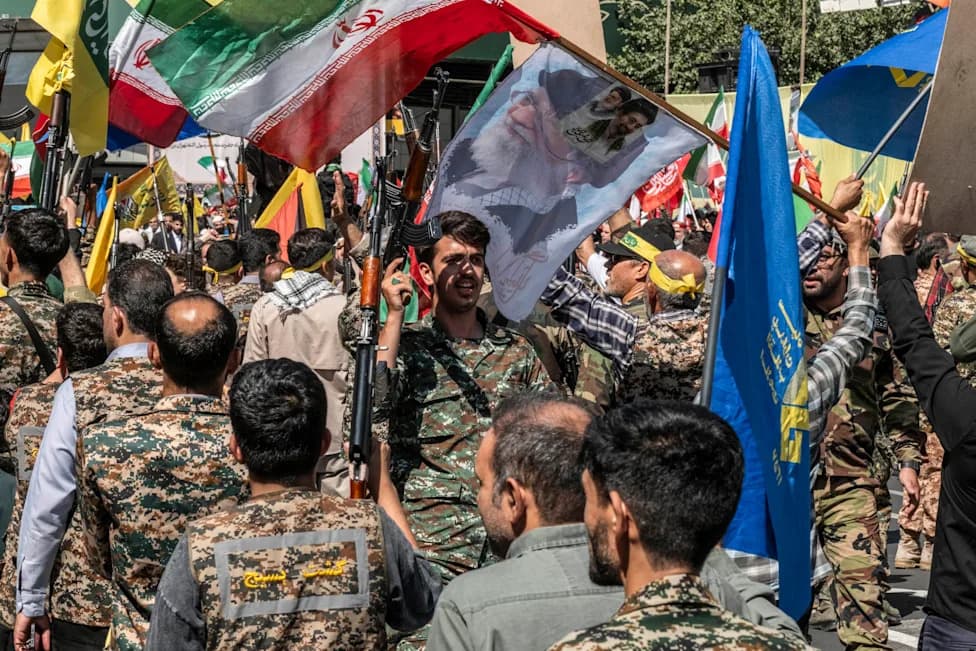
More than 30 governments have announced clean-energy or efficiency measures since the war with Iran began, but early results are limited. Global wind and solar investment fell in H1 2026 (largely due to China), while greenhouse-gas emissions rose 0.2% in the first half of the year. Analysts say durable, multi-year policy and infrastructure commitments are required to translate recent shifts into meaningful climate progress.
War With Iran Spurs Clean-Energy Moves, But Global Climate Gains Remain Elusive
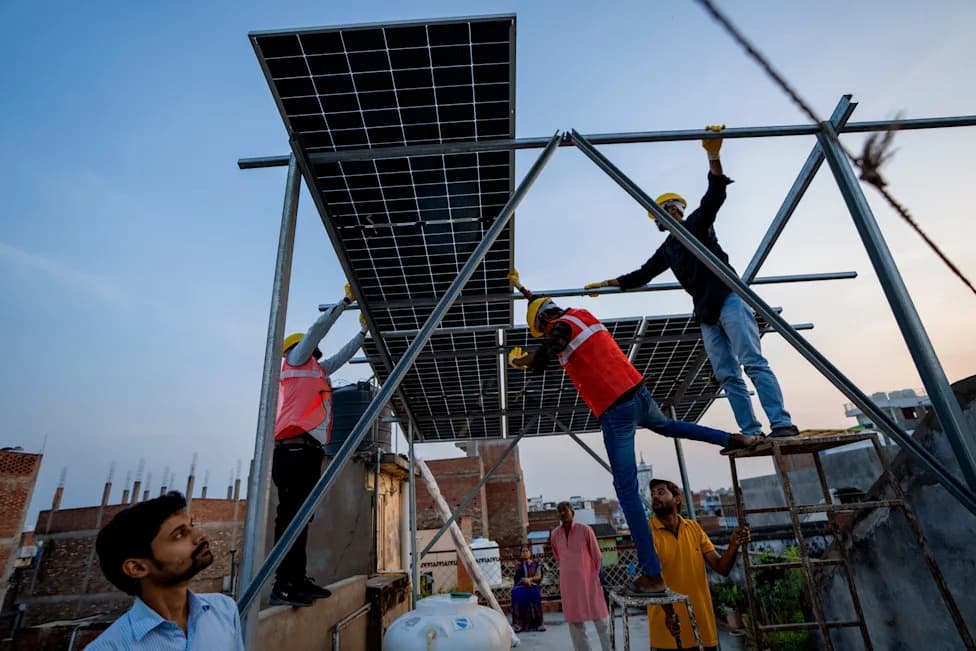
FILE - Workers install solar panels on a rooftop of a home in Prayagraj, India, Monday, Oct. 14, 2024. (AP Photo/Rajesh Kumar Singh, File)(AP Photo/Rajesh Kumar Singh)
Countries worldwide have accelerated policies to adopt cleaner power and boost energy efficiency in response to the war with Iran, but experts say those moves are not yet large or sustained enough to meaningfully curb global warming.
Early Policy Shifts, Mixed Effects
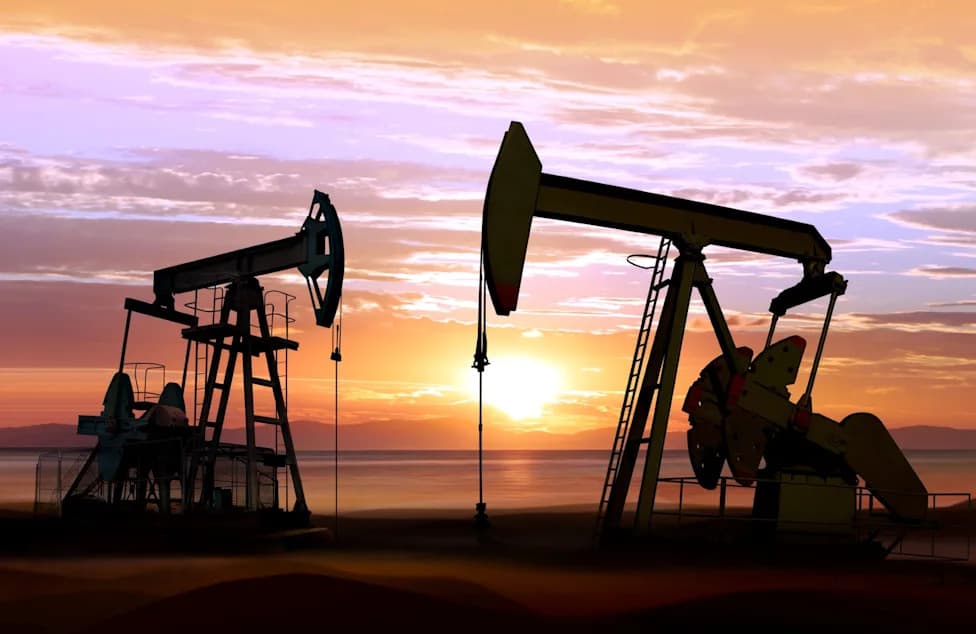
Since the conflict began in February, more than 30 governments have announced measures intended to reduce reliance on fossil fuels or improve energy efficiency. The International Energy Agency counted 33 governments that adopted policies—ranging from electric vehicle incentives and renewable energy promotion to replacing gas boilers with heat pumps and retrofitting buildings—by Sept. 9.
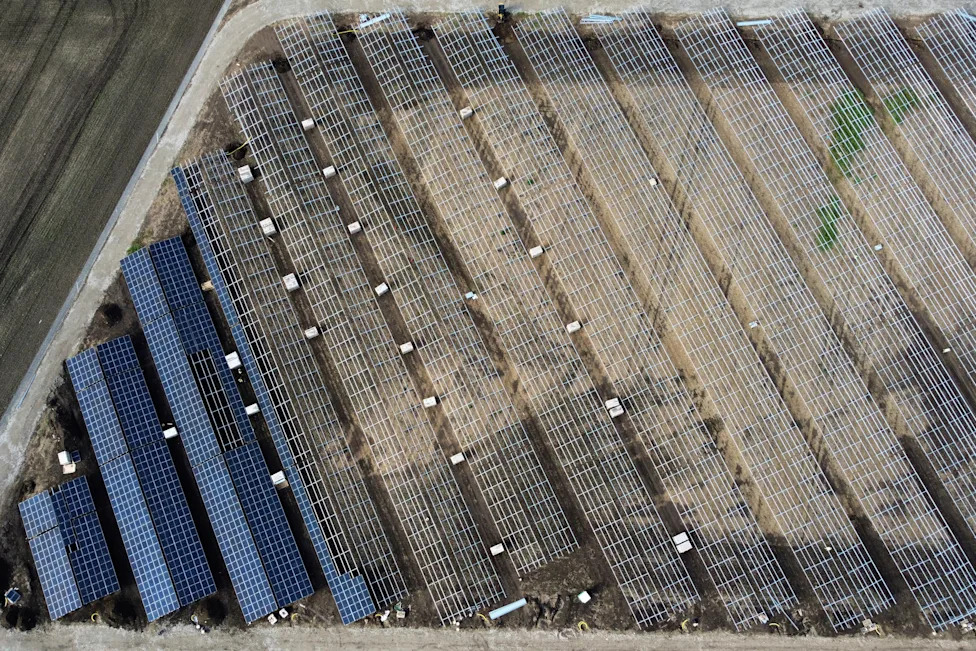
FILE - A new solar farm is being built near Quedlinburg, Germany, May 26, 2025. (AP Photo/Matthias Schrader, File)(AP Photo/Matthias Schrader)
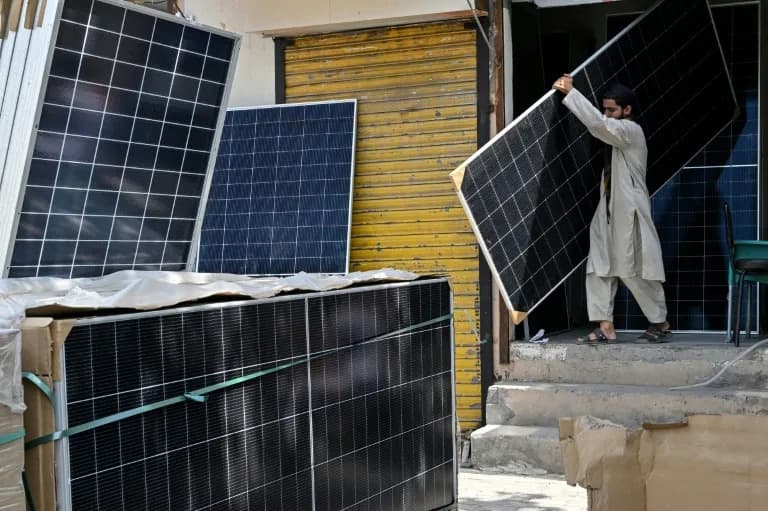
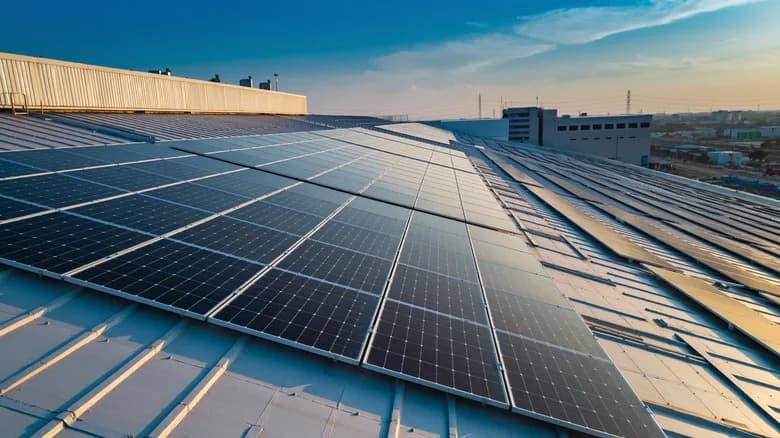
Examples include a surge in rooftop solar in the United Kingdom even as the government considers expanding domestic natural gas production; Indonesia replacing some diesel plants with solar while maintaining coal for heavy industry; and countries such as India and Laos pushing for electrification of cooking and transport.
Investment and Emissions: A Complex Picture
Despite these policy steps, global investment in wind and solar deployment fell in the first half of 2026 compared with the same period in 2025, according to Rhodium Group’s Clean Investment Monitor. The drop was driven largely by China; by contrast, solar investment rose or held steady in the United States, Europe and India.
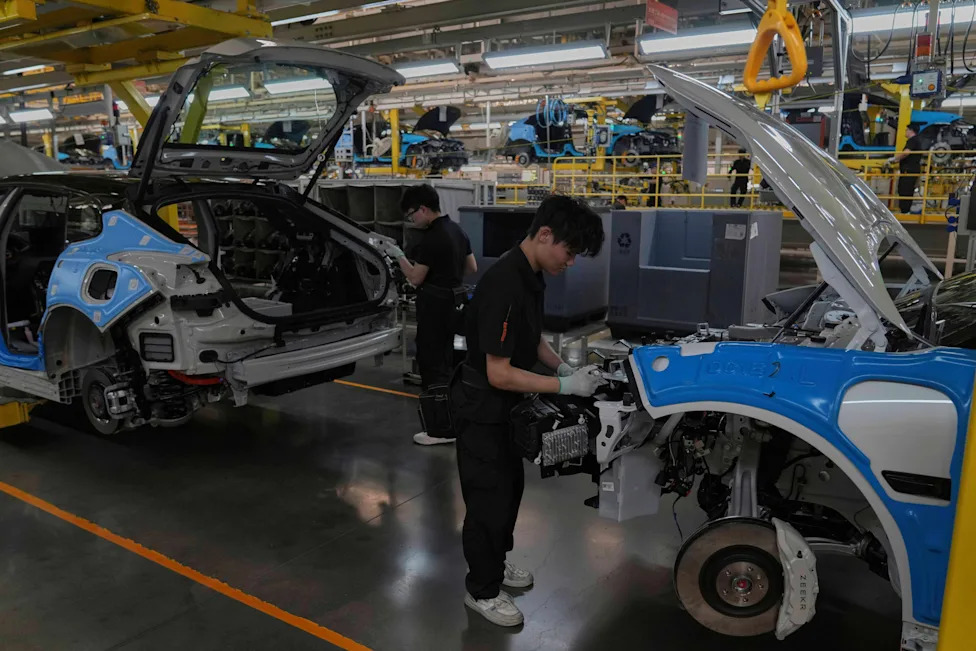
FILE - Workers assemble the Zeekr 001 EV models at the Chinese automaker Zeekr assembly plant in Ningbo, east China's Zhejiang Province, April 17, 2025. (AP Photo/Andy Wong, File)(AP Photo/Andy Wong)
Meanwhile, Climate TRACE reported a 0.2% increase in global greenhouse-gas emissions in the first half of 2026 versus the first half of 2025. Road-transport emissions climbed, while power-sector emissions declined, and shipping emissions fell amid disruptions around the Strait of Hormuz. Analysts say clean-power additions since 2020 helped prevent a larger rise.
Costs, Savings and Energy Security
Research by the Centre for Research on Energy and Clean Air estimates fossil-fuel importers have paid about $330 billion more than prewar market expectations — the largest sustained price shock since the 1990 Gulf War. The European Union, China and India faced the largest extra costs.
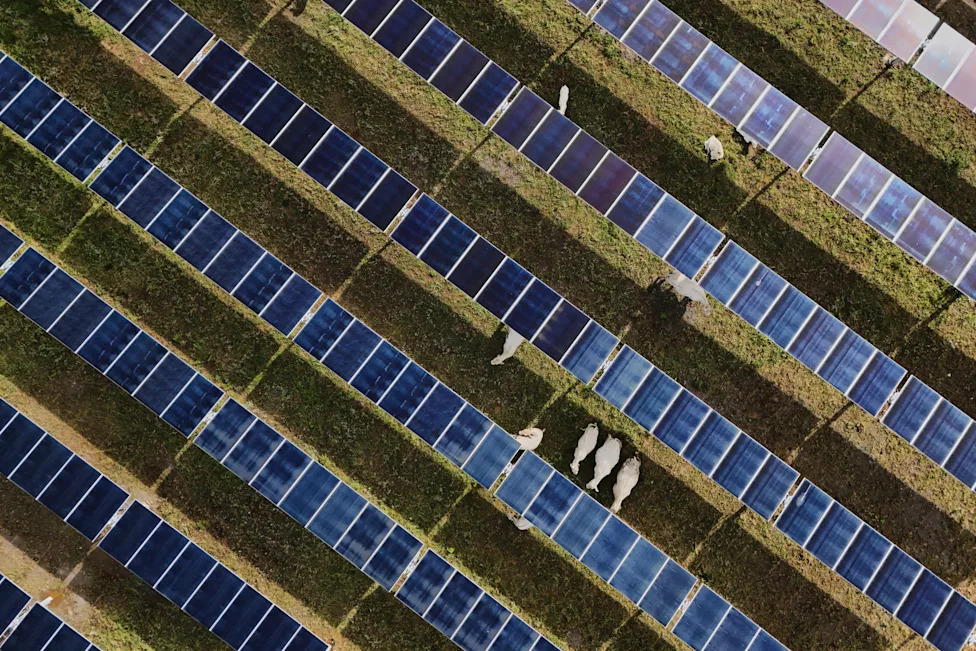
FILE - Cattle graze under solar panels April 28, 2026, at a farm in Christiana, Tenn. (AP Photo/Joshua A. Bickel, File)(AP Photo/Joshua A. Bickel)
At the same time, the centre found countries that had invested in clean energy following earlier crises avoided roughly $36 billion in fossil-fuel imports during the first five months of the conflict, with China and Japan benefiting most.
Experts Urge Sustained Action
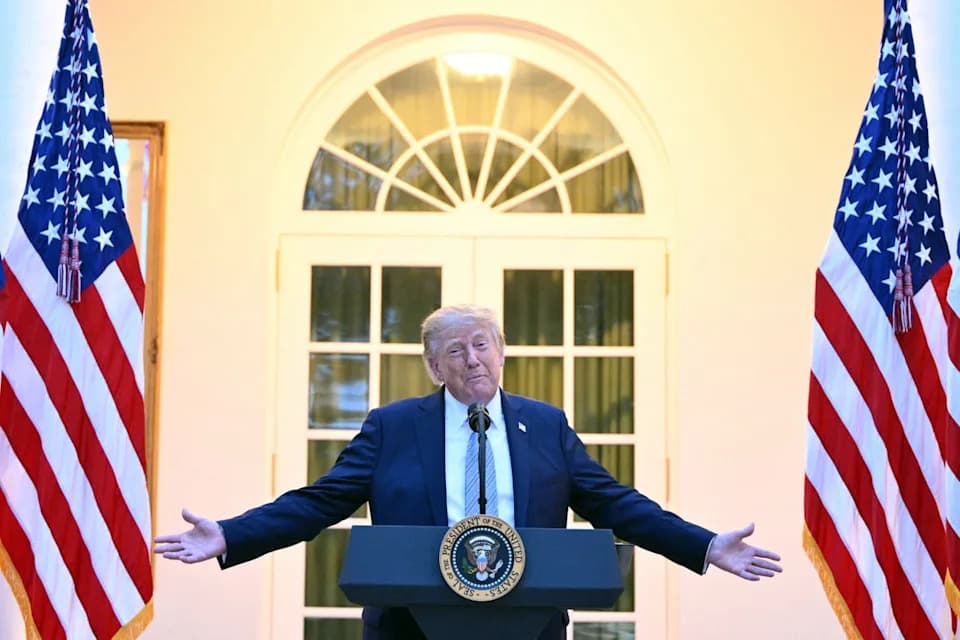
"Governments are currently doing a dance between acknowledging the importance of clean power while continuing to support fossil fuel expansion," wrote Pauline Heinrichs, a war-studies lecturer at King’s College London. "We are seeing an old and a new world interact in contradiction with each other."
Stanford climate scientist Rob Jackson warned in February that any boost for renewables would require a sustained conflict or persistently high prices to change behavior. Six months later he emphasized that expanded EV incentives, charging infrastructure and broad electrification could help the climate only if those policies are kept in place for years to decades.
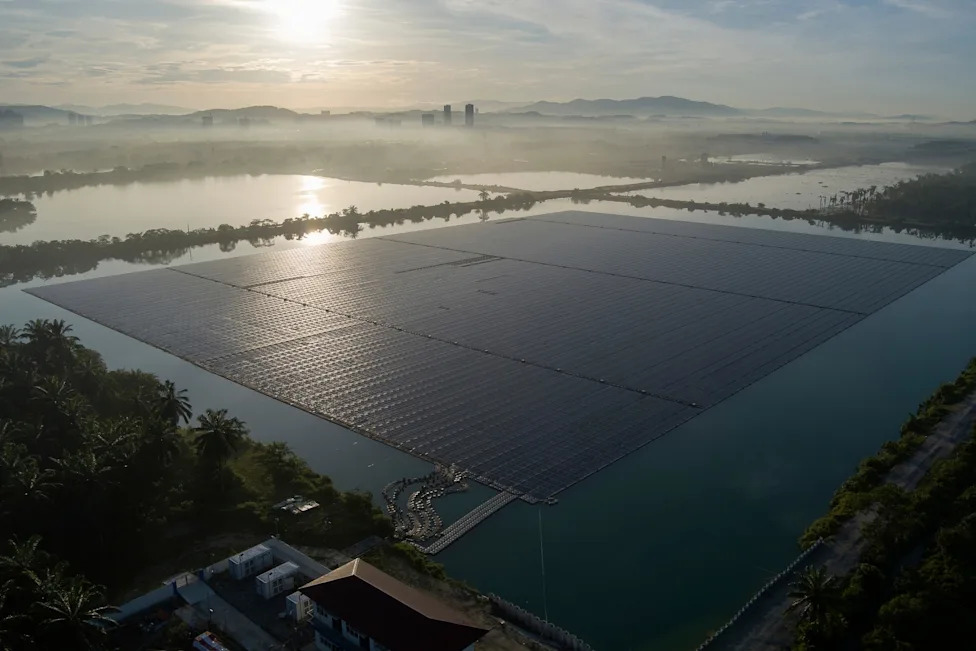
FILE- The sun rises over floating solar panels on May 3, 2023, in Selangor, Malaysia. (AP Photo/Vincent Thian, File)(AP Photo/Vincent Thian)
Princeton’s Michael Oppenheimer and Brookings scholar Samantha Gross suggest the conflict is reframing the energy transition as an energy-security strategy as well as a climate imperative, broadening political support in regions that face high import exposure, particularly Europe.
Policy Contradictions and Near-Term Risks
Many governments have also cut fuel taxes to provide short-term relief, a move that can discourage switching to electric vehicles or other low-carbon options. Analysts caution that incentives and efficiency measures take time and scale to move emissions trajectories, and that a near-term spike in emissions from the conflict itself could offset early gains.
Bottom line: The war with Iran has nudged many governments toward clean-energy policies and highlighted energy-security motivations for decarbonization, but investments, policy duration and scale must increase to deliver measurable climate benefits.
Sources: International Energy Agency, Rhodium Group, Climate TRACE, Centre for Research on Energy and Clean Air, interviews with specialists and public statements.
Help us improve.