The Iran conflict has exposed how vulnerable global energy supplies are to geopolitical shocks, briefly lifting oil and gas prices and accelerating investment in wind, solar and batteries. Analysts estimate a small fall in global fossil-fuel emissions this year and suggest the peak in oil demand could arrive earlier than expected. Still, large oil-company profits and domestic rollbacks in the US complicate the picture — while falling renewable costs and rising adoption in developing countries sustain longer-term momentum.
How the Iran Conflict Exposed Fossil-Fuel Fragility — And Sped A Global Clean-Energy Push
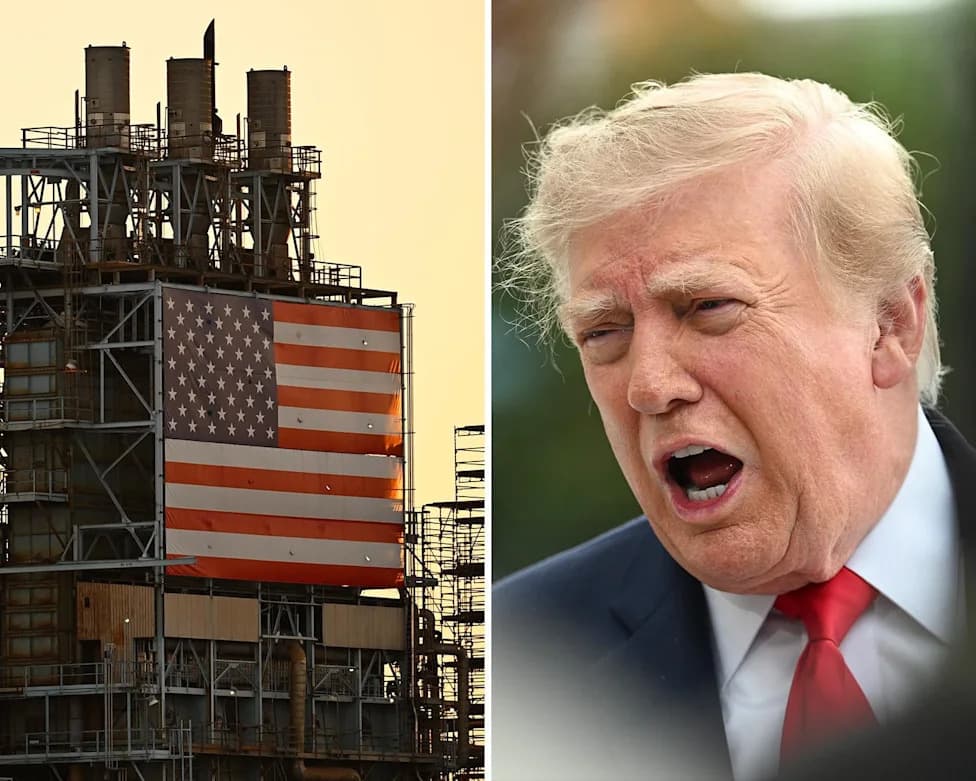
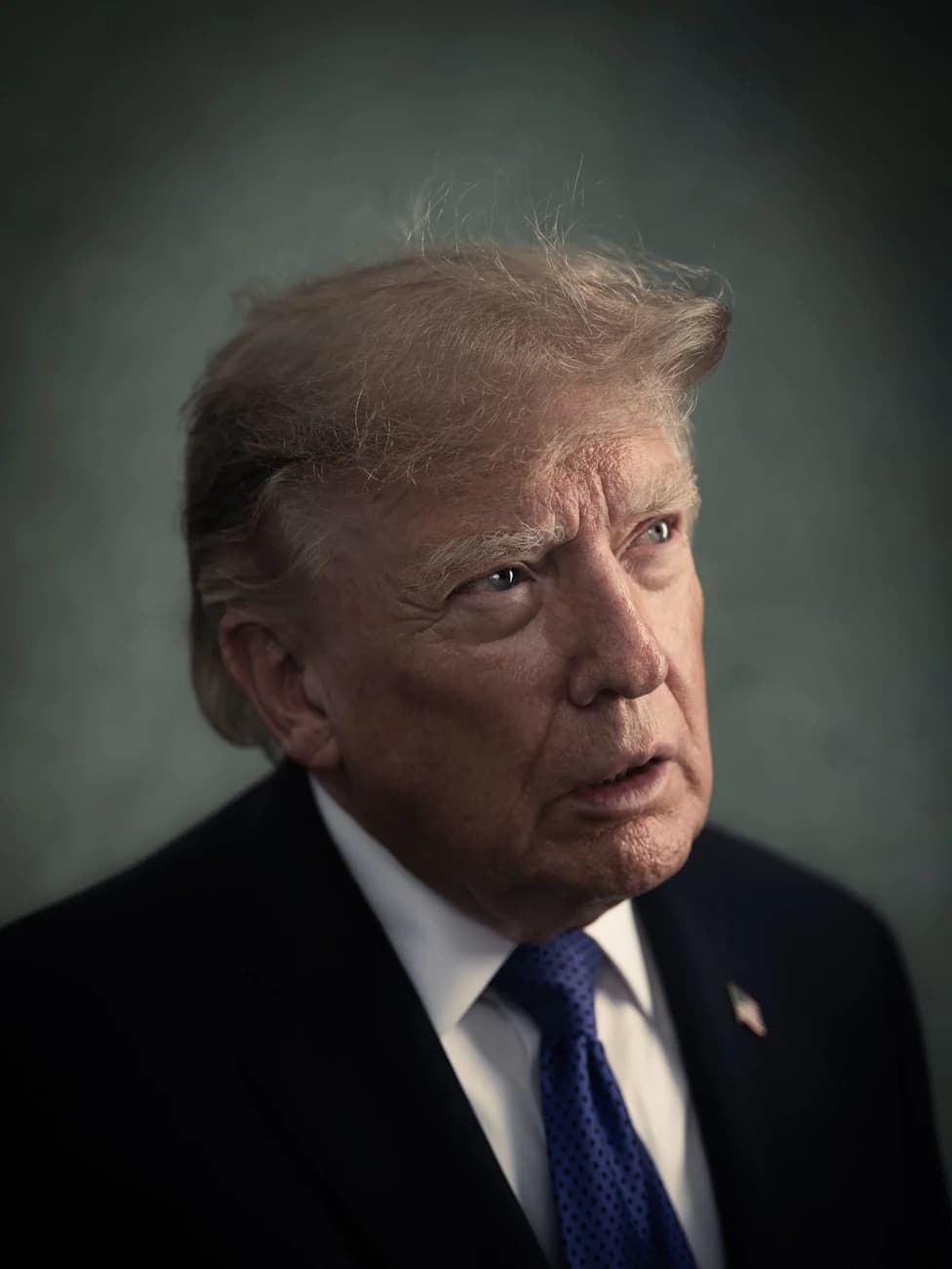
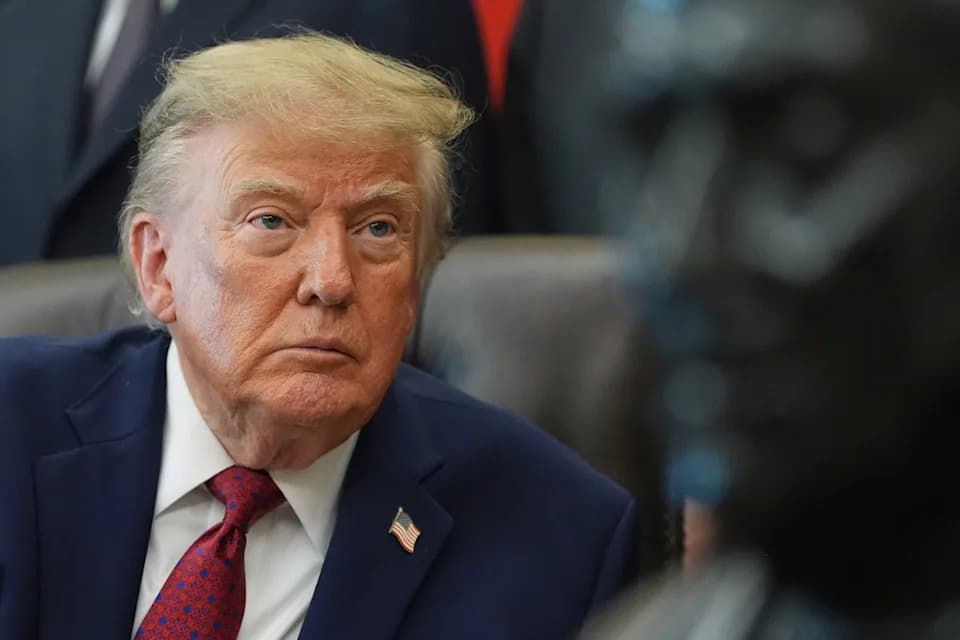
The idea of Donald Trump as an environmentalist, even an accidental one, may appear faintly absurd.Composite: AFP via Getty Images
Critics have long applied many labels to Donald Trump, but one of the most unexpected recently was that his actions have produced an environmental side effect: the Iran conflict has highlighted global dependence on fossil fuels and accelerated interest in clean energy. California Governor Gavin Newsom called the outcome "the greatest gift" to the environmental movement, arguing the crisis has forced governments and investors to rethink energy security.
Conflict, Markets and Momentum for Renewables
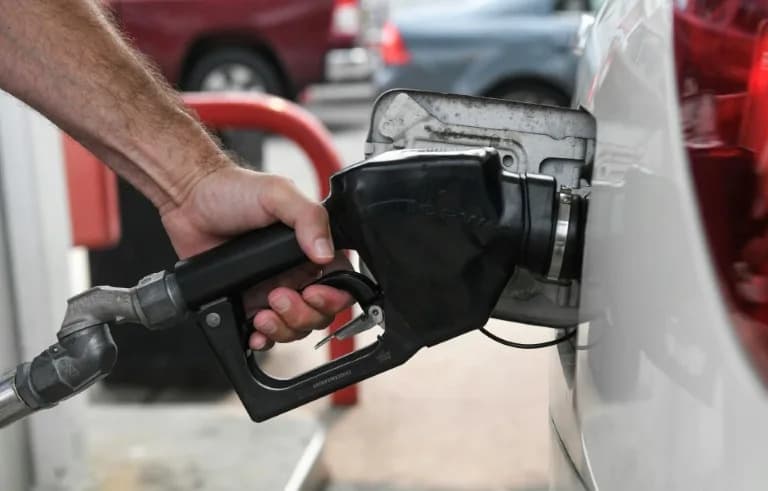
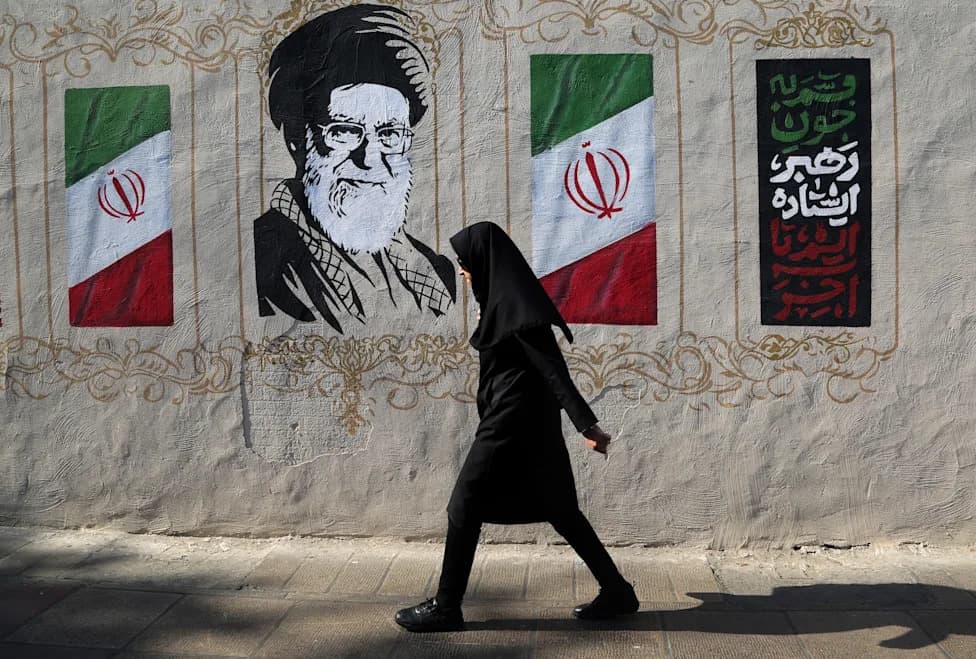
The crisis, which began in February, periodically disrupted traffic through the Strait of Hormuz — the sea lane that normally carries roughly one-fifth of the world’s oil and gas exports — and pushed fossil-fuel prices higher. Higher prices and supply risks have prompted many countries to scramble for alternatives, cutting oil and gas use where possible and stepping up investment in wind, solar and battery storage.
Analysts report measurable effects: Carbon Brief estimates global fossil-fuel emissions will fall by about 0.5% this year because of the disruption, and the International Energy Agency now says the global peak in oil demand could arrive sooner than previously projected. At the same time, however, the conflict enriched major oil and gas companies — eight of the largest firms posted combined profits exceeding $90 billion in the first three months of the war.
Domestic Rollbacks and Political Reality
Even as higher oil prices have nudged some countries toward cleaner energy, critics emphasize that Trump’s domestic policies have largely favored fossil fuels. His administration rolled back emissions rules for vehicles and power plants, eased regulatory burdens and provided support to fossil-fuel producers. Climate scientists and advocates warn these domestic actions have undercut US progress on clean technology and conservation.
"He's woken the world up to how vulnerable we are to petro-dictatorships," Gavin Newsom said, while Stanford climate scientist Rob Jackson warned that praising Trump as an "accidental environmentalist" risks ignoring decades of rollback on green policy.
Where the Energy Transition Really Stands
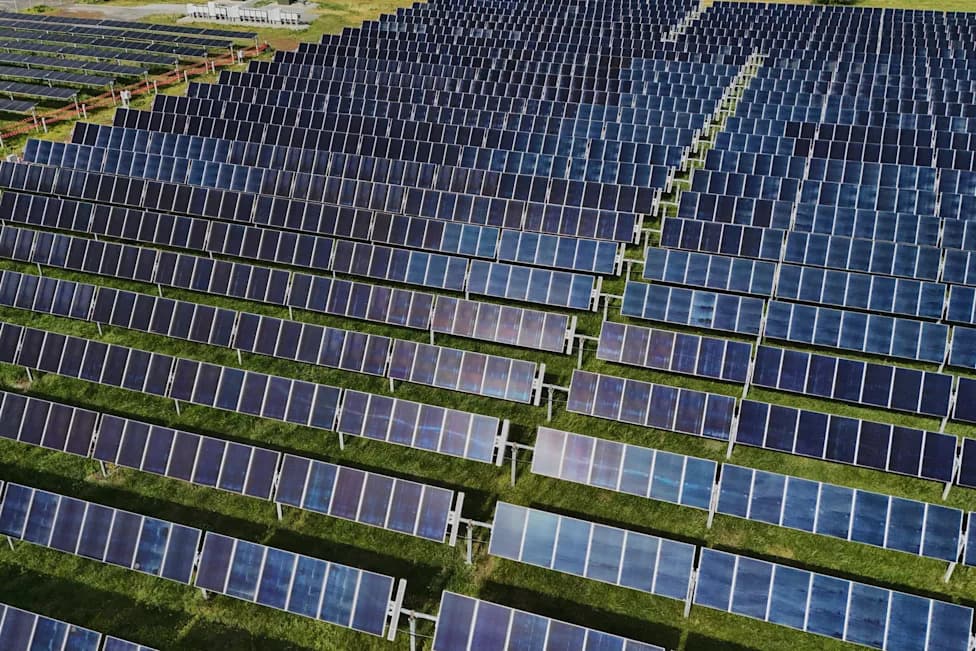
Despite the geopolitical turmoil, structural trends favor clean energy. Global investment in renewables is estimated to outpace fossil-fuel investment by roughly two-to-one, most newly added power capacity now comes from low-carbon sources, and roughly one in four cars sold globally last year was electric. Major producers, however, remain bullish on oil: Exxon recently forecast around 105 million barrels per day of oil demand in 2050, reflecting an outlook in which hydrocarbon fuels still play a large role mid-century.
Local Impacts and Longer-Term Outlook
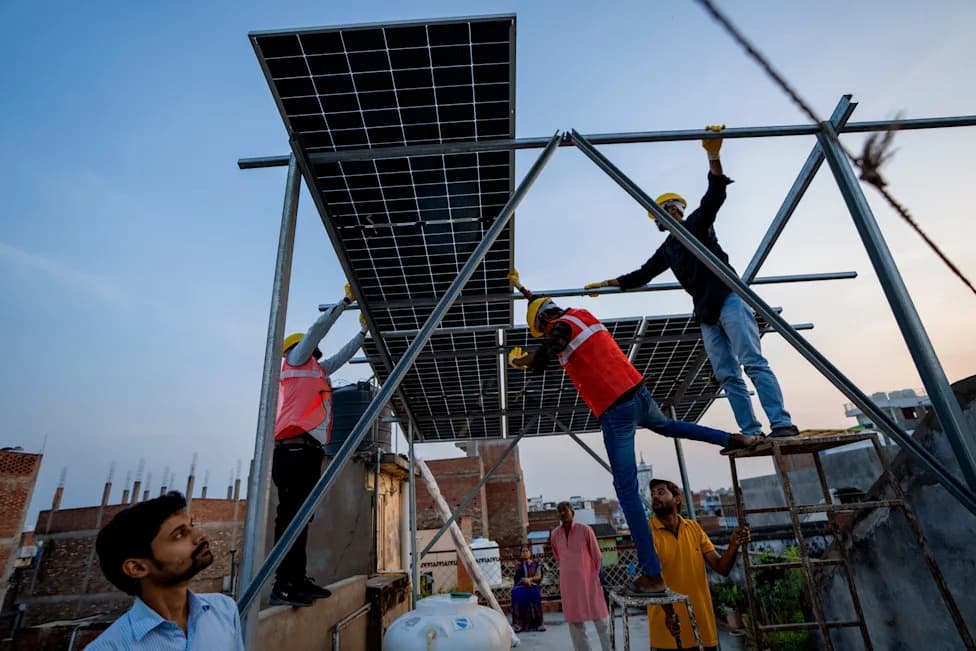
In many developing countries the economics are already decisive: cheap solar panels, often manufactured in China, are driving rooftop installations and lowering bills. Former US vice-president Al Gore noted an accelerated rollout of solar in Africa, saying there are tens of thousands of panels being installed daily across the continent. Industry leaders argue that once countries begin to diversify away from fossil-fuel imports, they are unlikely to return to the previous status quo.
In short, the Iran conflict has spotlighted the volatility of fossil-fuel dependence and given fresh impetus to an energy transition that was already underway — but it has not erased the political and economic forces that continue to bolster oil and gas. The net effect is a mixed picture: near-term disruption that helps renewables' case globally, tempered by continued profits and long-term forecasts from major fossil-fuel firms and the political choices of powerful governments.
Help us improve.