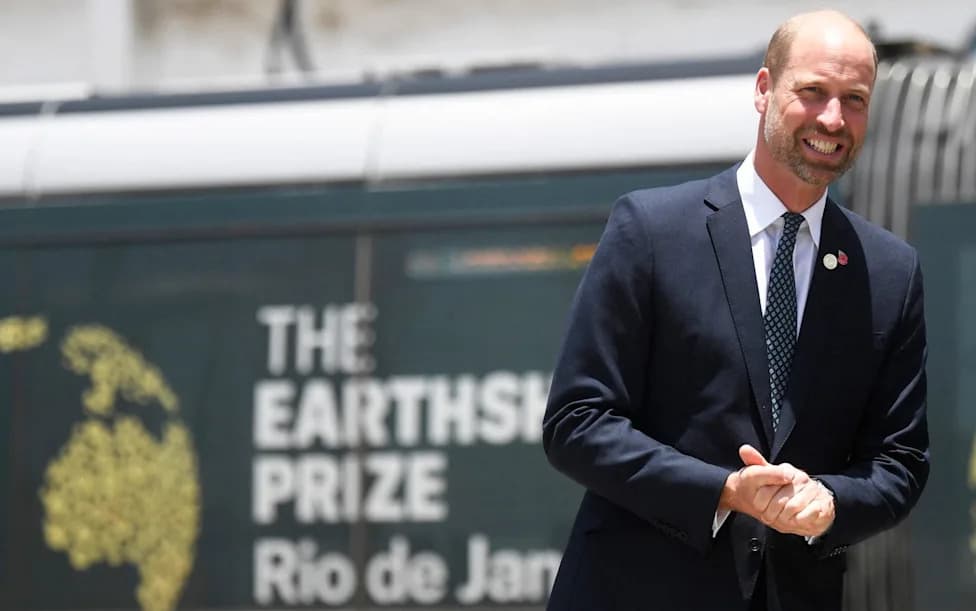
Al Gore told The Associated Press at New York Climate Week that 2026 could mark a turning point as renewables begin to outpace coal, oil and gas — but he warned that climate risks are accelerating. He cited a deadly glacier collapse in Nepal and rising extreme-weather events as evidence of growing danger. Scientists broadly agree that renewables are expanding rapidly, though they caution that fossil-fuel consumption has not yet declined fast enough. Gore urged sustained action and rejected despair, quoting the Talmud on the obligation to begin the work.
Al Gore: 2026 Could Be a Turning Point — But Climate Risks Are Accelerating
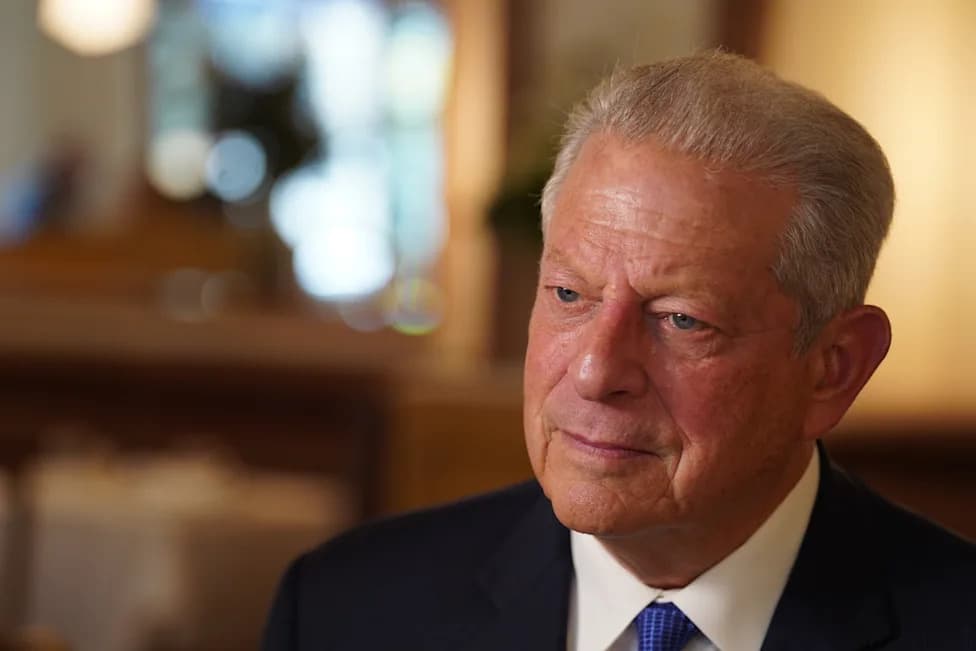
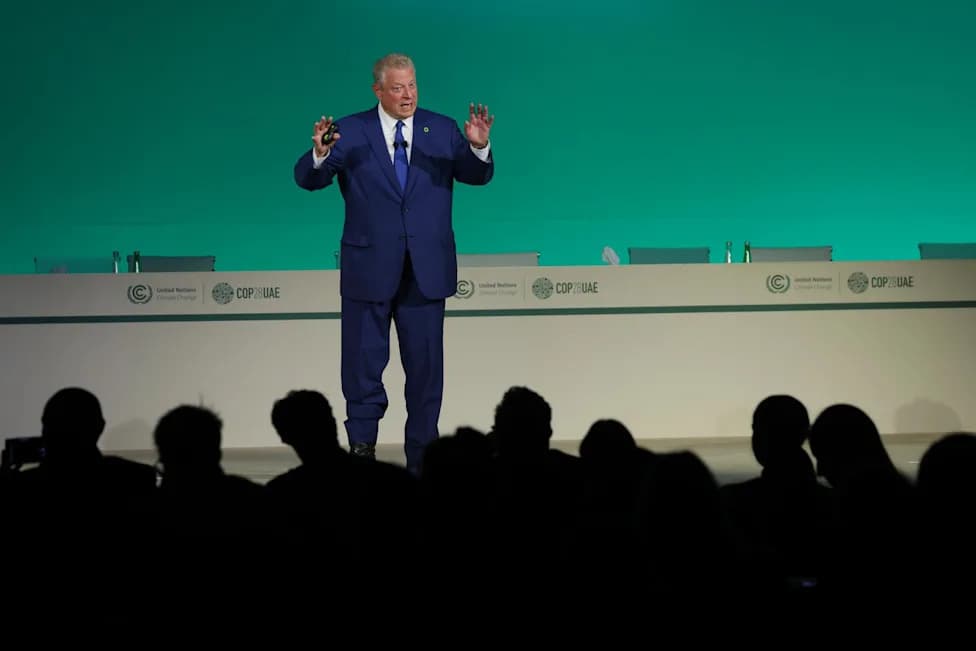
Former Vice President Al Gore listens during an interview in New York on Monday, Sept. 21, 2026. (AP Photo/Mary Conlon)(AP Photo/Mary Conlon)
Former U.S. Vice President Al Gore told The Associated Press during New York Climate Week that a cleaner Earth now seems within reach — but victory could still slip away if global action falters.
Hope and Warning
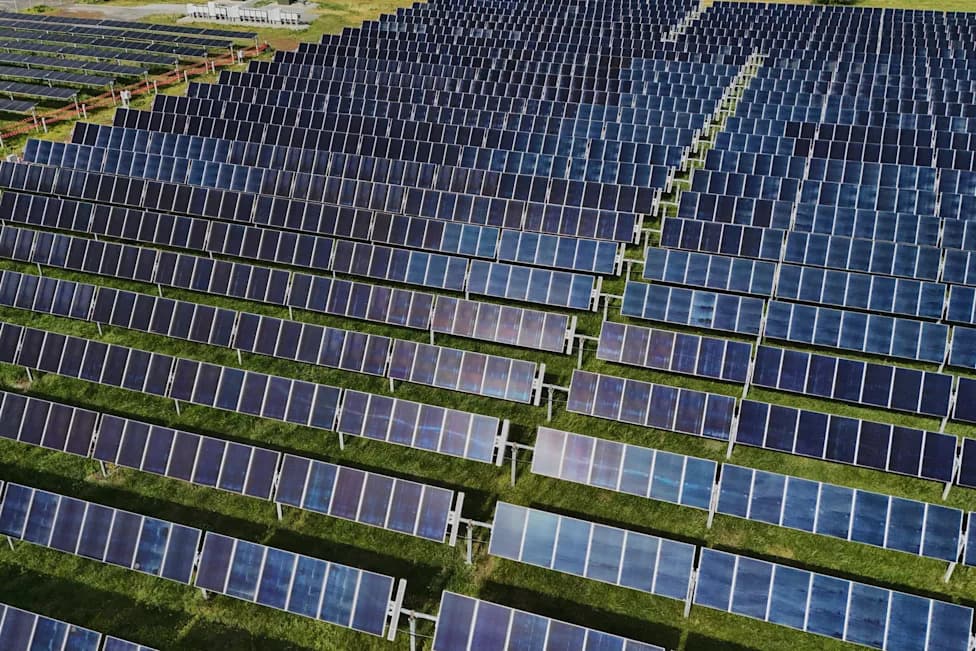
Gore said he believes 2026 may be remembered as the start of a positive turning point in the fight against climate change, as the use of coal, oil and gas appears to be peaking while solar and other renewable sources surge. "While we're in grave danger, I think there is a possibility that 2026 will be looked back upon in the history books as the beginning of a positive tipping point," he said.
"In all of those prior movements, there were times when the advocates felt despair but they kept going because courage is not the absence of fear, it's the determination to go forward in spite of it." — Al Gore
Rising Risks From Nature
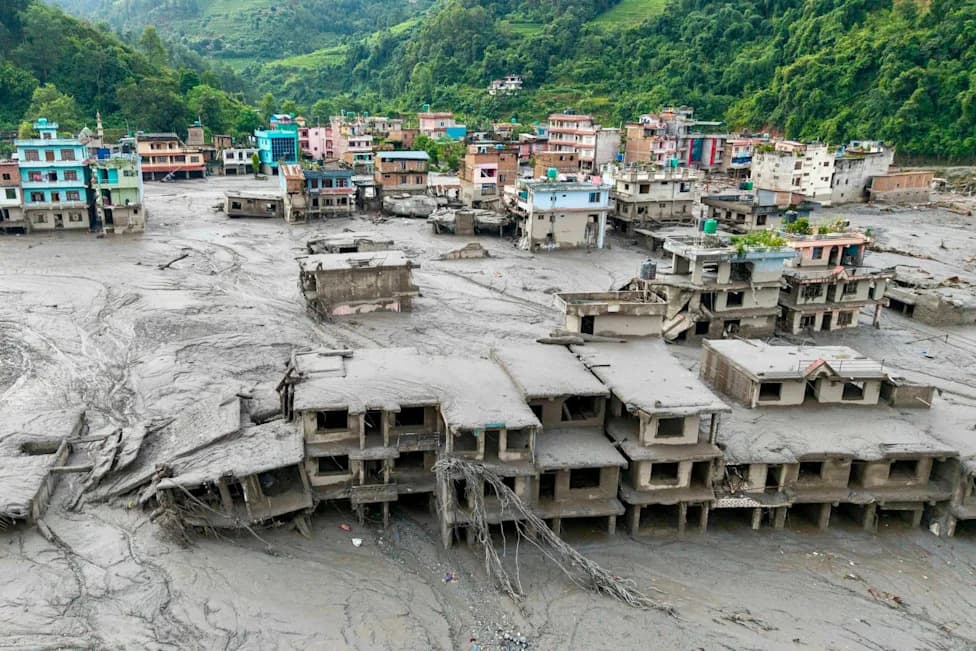
At the same time, Gore warned that warming is accelerating and extreme weather is intensifying. He pointed to a recent glacier collapse and subsequent flooding in Nepal that killed about 1,300 people as a stark example of the growing human toll. "I'm temperamentally optimistic, but the dangers are extremely grave, getting more so all the time," he said, acknowledging critics who sometimes call him a doomsayer.
"We're seeing these extreme events come fast and furious. They're worse as well as more frequent. ... It's like a nature hike through the book of Revelation."
Progress And The Stakes
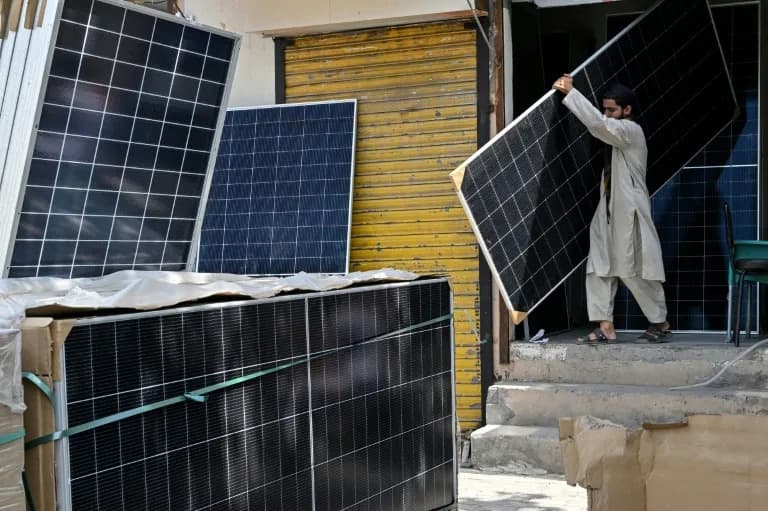
Gore framed the moment as a close contest between the "unfathomable risk" posed by continued fossil-fuel use and the rapid advance of clean, affordable, job-creating alternatives. He cited several striking indicators of progress: an estimate that Africa is installing roughly 100,000 solar panels per day; that about 91% of recent new U.S. electricity generation capacity came from renewable sources; and that nearly 30% of all new cars sold globally this year are expected to be electric. He also noted that solar panels have become a common part of dowries in parts of Pakistan.
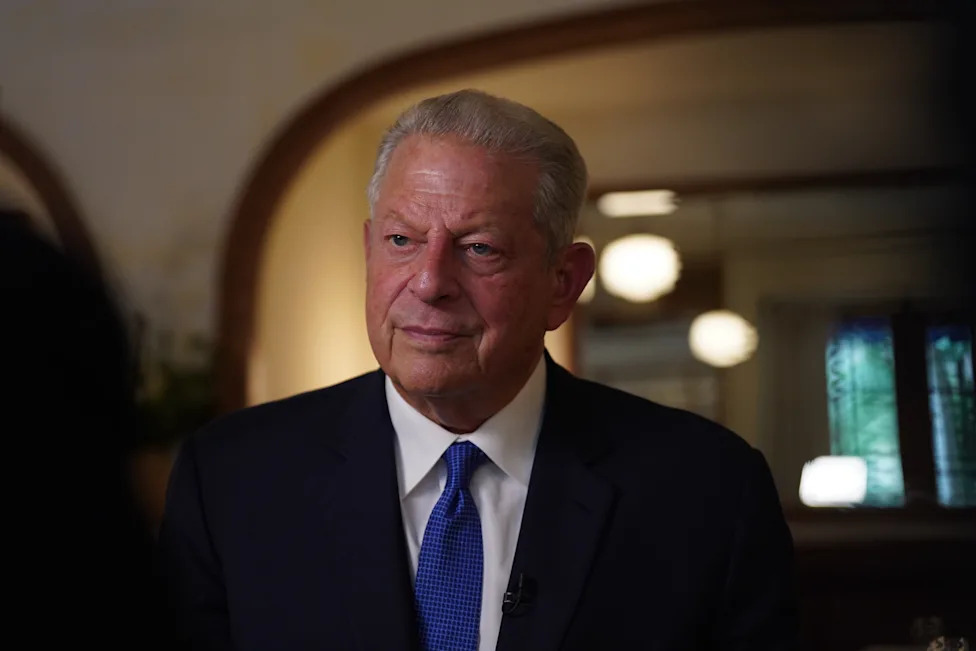
Former Vice President Al Gore listens during an interview in New York on Monday, Sept. 21, 2026. (AP Photo/Mary Conlon)(AP Photo/Mary Conlon)
Gore argued that investment patterns are shifting: roughly a decade ago he said about 55% of global energy investment flowed into fossil fuels and 45% into renewables; today he estimates the split is roughly 65% renewables. He compared this to past technological shifts when a cheaper, better option overtook an incumbent — for example, cellphones replacing landlines.
Voices From The Science Community
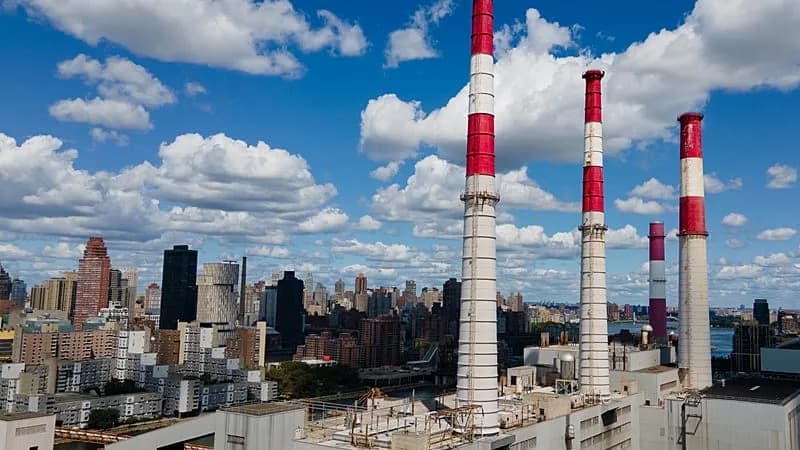
Several climate scientists largely echoed Gore's mixed assessment. Johan Rockström, director of the Potsdam Institute for Climate Impacts Research, praised the rapid adoption of renewable electricity and falling prices, but cautioned that much of that growth has met rising energy demand rather than cutting oil, gas and coal use. "We are not yet bending the curve on oil, gas and coal," he said.
Bill Hare, CEO of Climate Analytics, said he shares Gore's optimism about clean-technology progress but fears the pace remains too slow and is being held back by the fossil fuel industry. Michael Mann of the University of Pennsylvania emphasized the importance of maintaining an activist and hopeful tone: "Doomism, despair and disengagement is the greatest threat at this point. We must not fall victim to it."
Call To Action
At 78, Gore said he expects to see meaningful reductions in carbon emissions within his lifetime. Quoting the Jewish Talmud, he added: "You are not required to finish the work, but you are required to undertake it."
The Associated Press' climate and environmental coverage receives financial support from multiple private foundations. AP is solely responsible for all content.
Help us improve.