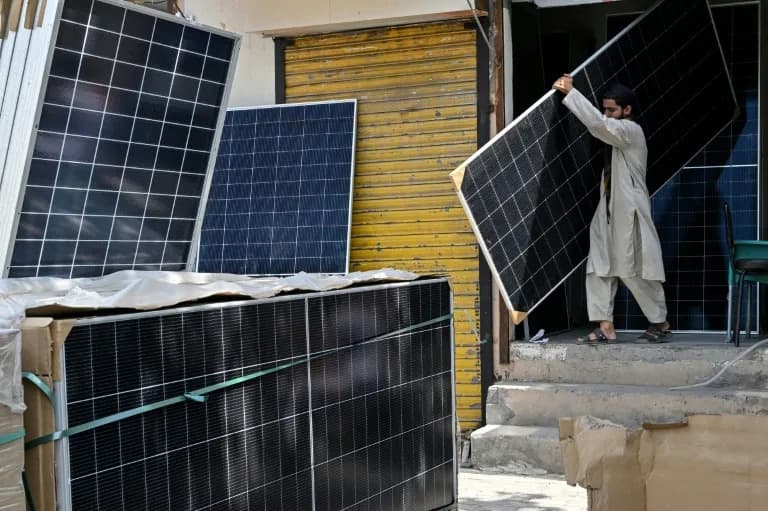
Germany's new government roadmap explicitly commits to phasing out fossil fuels by 2045 and raises the 2030 renewables target to 80% of electricity. The plan includes +12 GW onshore wind and 215 GW solar, keeps the official coal exit at 2038 (with a possible move to 2035), and targets a 30% methane cut by 2030. Supporters say the clearer language could shift investment, but tensions remain over continued support for gas and politically sensitive measures like replacing gas boilers.
Germany Commits to Phase Out Fossil Fuels by 2045, Targets 80% Renewable Power by 2030
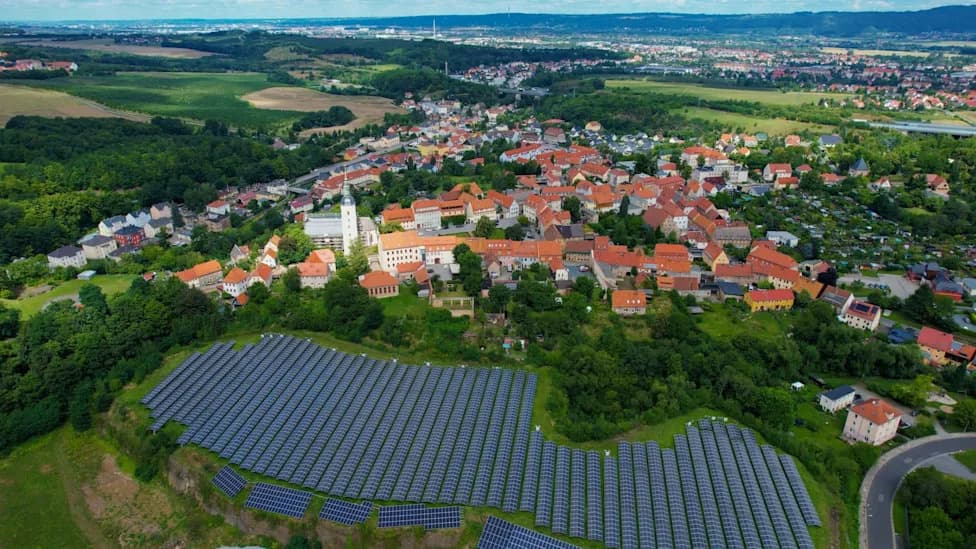
Photo Credit: iStock
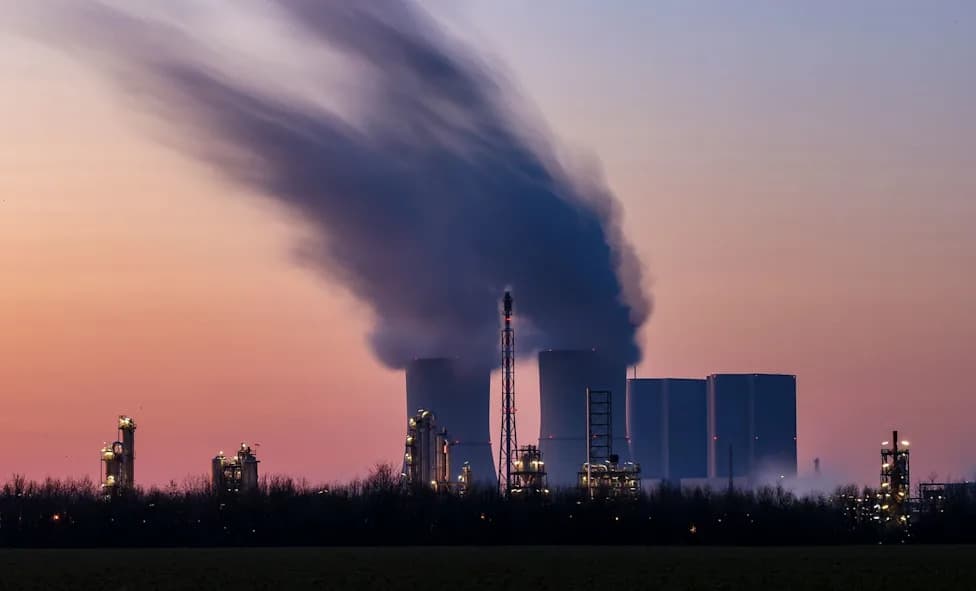
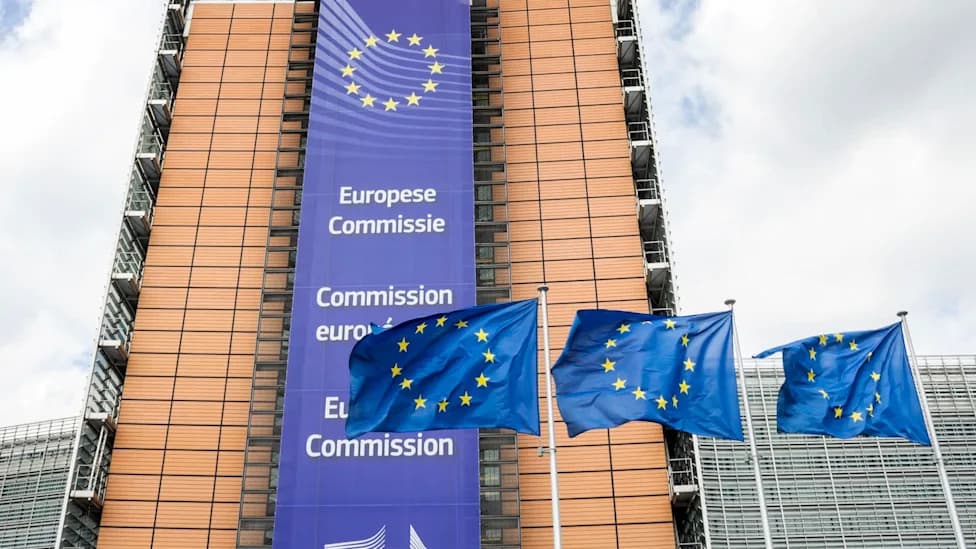
Germany's new government roadmap makes, for the first time, an explicit national commitment to phase out fossil fuels by 2045. The plan reframes Germany's climate strategy from broad carbon-neutrality goals to naming the specific fuels—coal, oil and gas—that the country intends to replace.
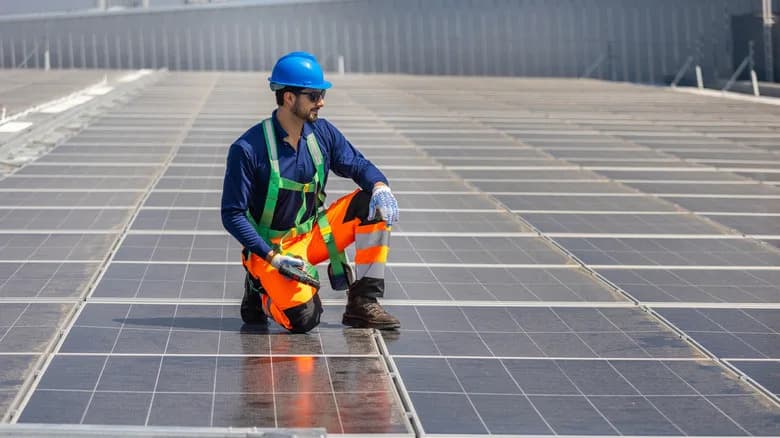
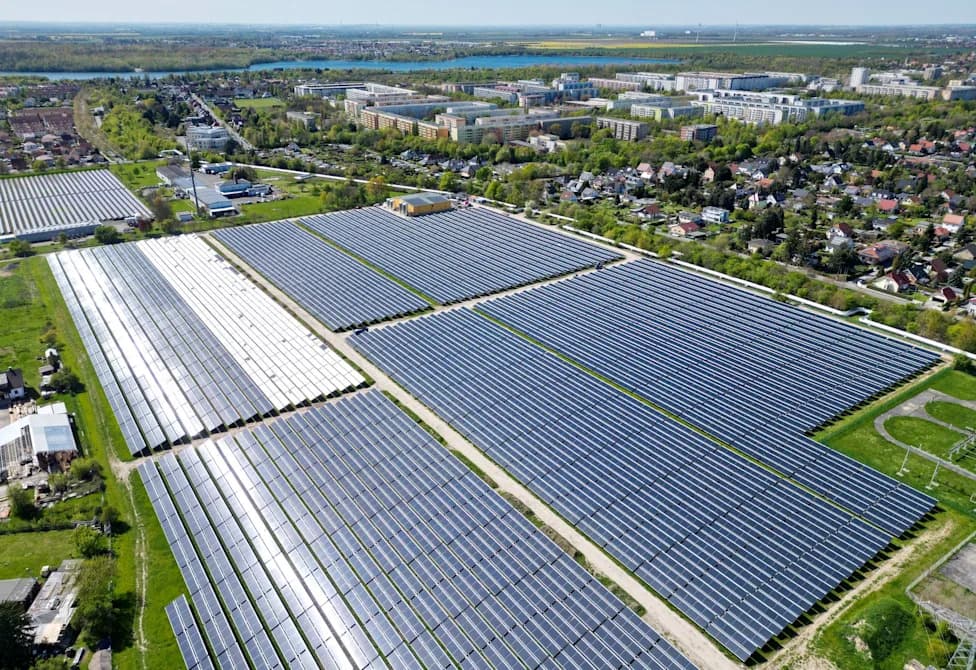
On electricity, Berlin sharply raised its 2030 ambition: renewables are now expected to supply 80% of power by 2030 (up from a previous target of 55%). The roadmap includes adding 12 gigawatts (GW) of onshore wind capacity and expanding solar to 215 GW.
The government left its existing coal timetable in place for now, keeping a 2038 phase-out date but setting out a pathway to bring that forward to 2035 if conditions allow. The plan also aligns with the 2021 Global Methane Pledge by targeting a 30% reduction in methane emissions by 2030.
Supporters Say It’s a Clearer Direction
Advocates welcomed the move as a notable shift. Andreas Sieber, head of global political strategy at 350.org, called the roadmap a "notable shift" because it turns a fossil-fuel exit into an overt policy objective. He and others say the clearer language could reshape investment decisions, infrastructure planning and political momentum across Europe given Germany's economic weight.
"The change in wording could influence decisions on investment and infrastructure across Europe," — Andreas Sieber, 350.org
Political Tensions and Practical Challenges
Despite the stronger targets, tensions remain. Campaigners warn that tougher renewable targets do not erase internal policy conflicts: critics say the Federal Ministry for Economic Affairs and Energy continues to support expanded gas use. The debate has already played out in public, notably in 2023 when plans to replace gas boilers with heat pumps became a political flashpoint after a heating law drew fierce criticism from the far right.
Those disputes underline the difficulty of translating long-term climate goals into changes people feel in their homes and on their energy bills.
Next Steps: Electrification and Energy Security
Former German climate envoy Jennifer Morgan said the next priority is to accelerate electrification of transport and heating, linking the expansion of wind and solar with electric vehicles, heat pumps and other technologies that run on renewable electricity.
"Accelerating the shift from coal, oil and gas to clean renewables will bolster energy independence and insulate consumers from price shocks at a critical moment. However, a roadmap is only the starting line," — Jennifer Morgan
The roadmap also forms part of a broader global context: Germany has been setting new records for renewable power output, G7 governments have agreed to strive for a coal phaseout by 2035, and the International Energy Agency projects clean energy will overtake coal in the coming years. Together, these signals are intended to cut emissions, reduce reliance on imported fuels and steer investment toward low-carbon infrastructure.
Bottom line: The roadmap sets clearer targets and policy direction, but implementation—especially on gas, home heating and industry electrification—will determine how quickly Germany turns commitments into real emissions reductions and stronger energy security.
Help us improve.