Renewable deployment is accelerating: solar, wind and hydropower made up more than 90% of new global power capacity in 2024. Hydropower supplied about 52% of renewable electricity in 2023, while wind and solar are expanding fastest in the United States and China. China drove much of the global growth but still relies heavily on coal. Persistent shortfalls in storage and transmission mean the energy transition needs more infrastructure investment to be effective.
Solar, Wind, or Hydropower: Which Renewable Really Powers the World?
iknowartworks/Shutterstock
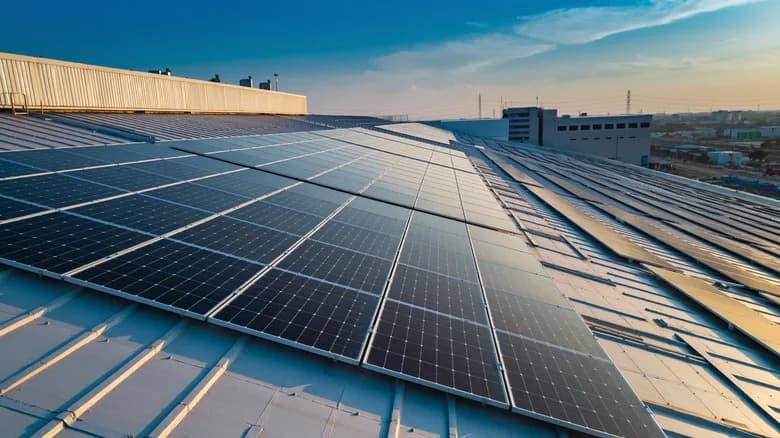
Transitioning electricity systems away from fossil fuels and toward renewables is essential to limiting human-driven climate change. Solar, wind and hydropower together accounted for more than 90% of the new electricity capacity added worldwide in 2024, according to the International Renewable Energy Agency (IRENA). That rapid expansion is encouraging, but global demand growth and gaps in storage and grid infrastructure mean the energy transition still faces major challenges.
Global Picture: Hydropower Leads, But Others Are Catching Up
Because renewable resources depend on geography, the dominant technology varies by region. Globally, hydropower remained the largest source of renewable electricity in 2023, supplying about 52% of all renewable generation — roughly 4.4 million gigawatt hours (GWh), a quantity comparable to the total U.S. electricity output that year across all sources. Hydropower’s scale reflects long-established river basin projects, though new development is often limited by environmental and social impacts.
Wind and Solar: Rapid Growth, Especially in the U.S.
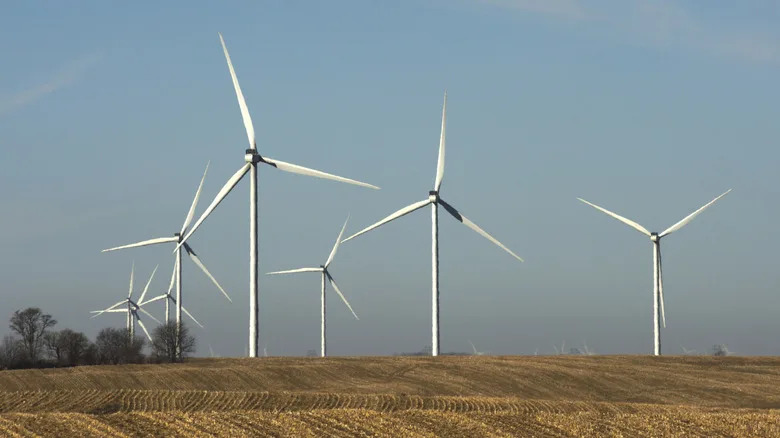
In the United States, wind and solar have grown quickly. By 2023 wind supplied about 10% of U.S. electricity, with large turbine fleets concentrated in states such as Texas and Kansas. Wind can deliver more energy per unit area than solar in many parts of the central U.S., which helps explain its early dominance there.
Mrolands/Getty Images
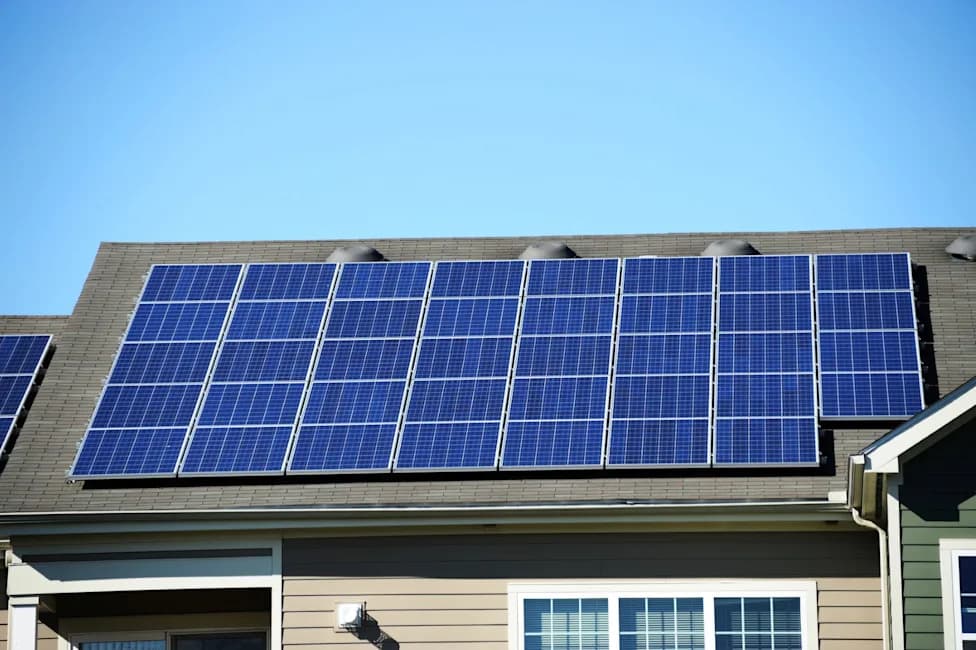
U.S. solar capacity is expanding even faster: utility-scale projects expected to come online in 2026 and 2027 are projected to increase overall solar generation capacity by nearly 50% above 2025 levels, with a substantial share of that growth in Texas. By May 2026 several states — including Maine and Utah — were generating more electricity from solar than from coal or gas.
Offshore Wind And Political Headwinds
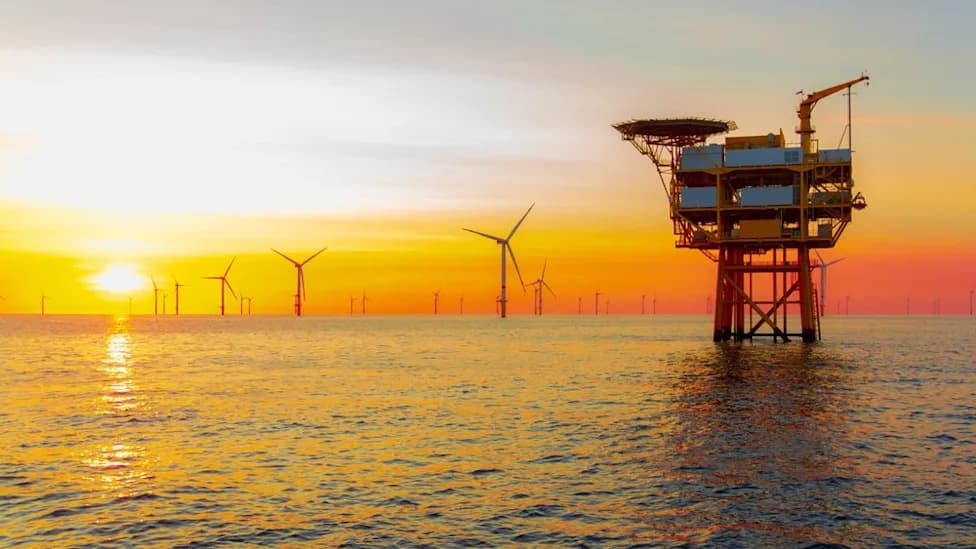
The U.S. has pursued offshore wind development, but some projects have been delayed or canceled amid political opposition and complex permitting. The administration has provided roughly $4 billion in payments tied to halted offshore wind projects to address contract or project disputes. Despite setbacks, the United States remained one of the world’s leading wind producers in 2025, accounting for about 20% of global wind output, behind China’s roughly 35% share.
China: Massive Renewable Buildout — But Coal Still Dominates
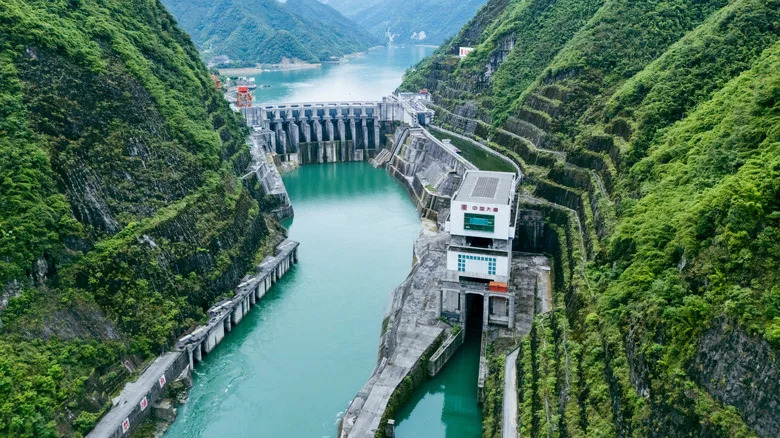
China has driven much of the global growth in renewable generation through large-scale investments in solar, wind and hydropower. By 2025 about 42% of China’s electricity came from renewables, with roughly 13 percentage points from hydro. China is also testing innovative approaches, including high-altitude or "flying" wind turbine concepts designed to harness stronger winds if they can be scaled.
Jiahong He/Getty Images
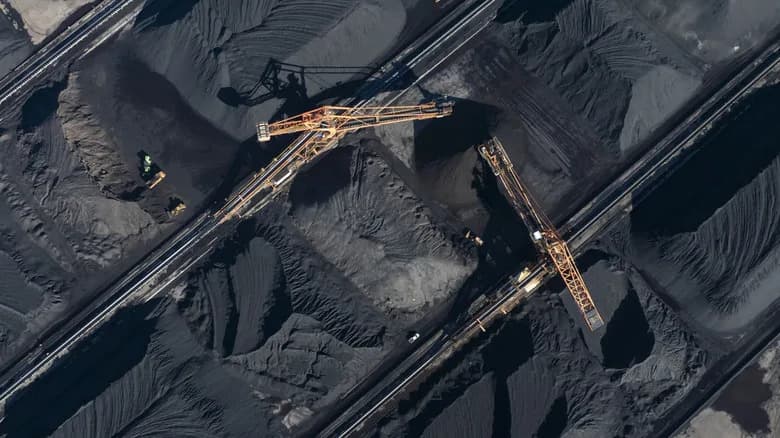
Yet fossil fuels remain central to China’s power mix: in 2025 around 58% of the country’s electricity — over 6,000 terawatt hours — still came from coal and other fossil sources. Global coal consumption reached a record high in 2025 and is expected to remain elevated in the near term amid geopolitical pressures.
Key Challenges: Storage, Transmission, And Grid Integration
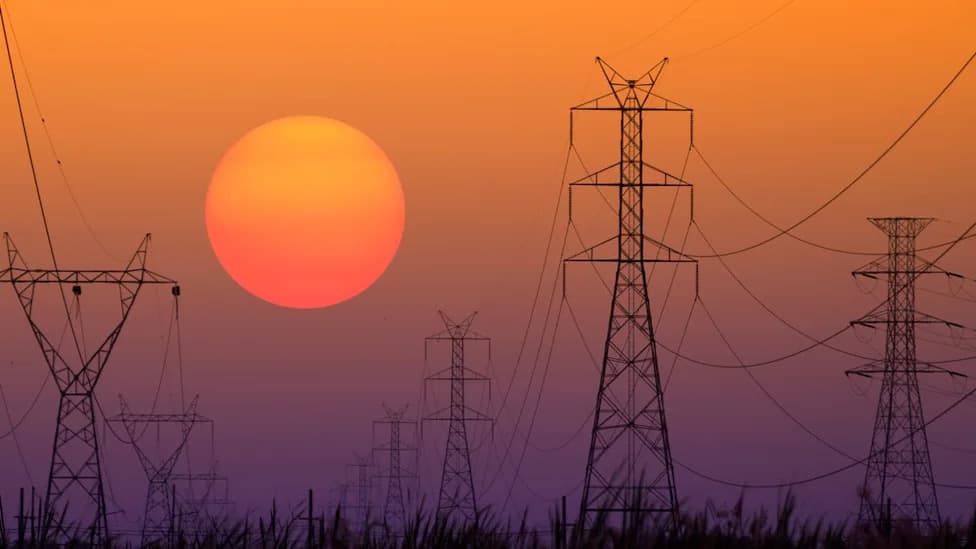
Growing generation is only part of the equation. Electricity storage and transmission infrastructure must scale to absorb variable renewable output and avoid wasted energy — an issue visible when wind farms sometimes produce more power than local demand or grid capacity can handle. Enhanced transmission lines, grid upgrades, flexible generation and energy storage are essential to translate renewable capacity into reliable, low-carbon electricity systems.
Bottom line: Hydropower remains the single biggest renewable source globally, but wind and solar are scaling faster in many countries. The transition is progressing, yet substantial investment in infrastructure and policy support is still required to reduce dependence on fossil fuels and use clean electricity reliably.
Help us improve.