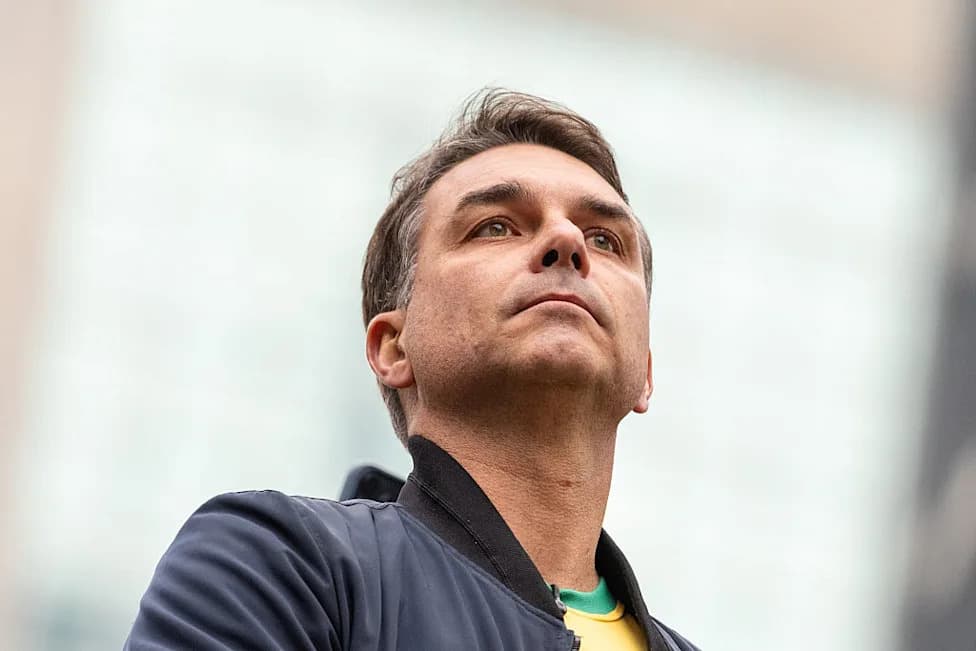
Opal Vadhan withdrew from a planned Cornell appearance, citing the university's handling of sexual assault allegations brought by a former student identified as Jane Doe. She says institutions too often protect reputations rather than survivors and urges speakers, alumni and parents to use their leverage. The criminal case has been reopened and New York Attorney General Letitia James is acting as special prosecutor; Cornell has agreed to an independent investigation with a call for public findings and a plan to protect future students.
Former Kamala Harris Aide Withdraws From Cornell, Backs Jane Doe and Demands Accountability
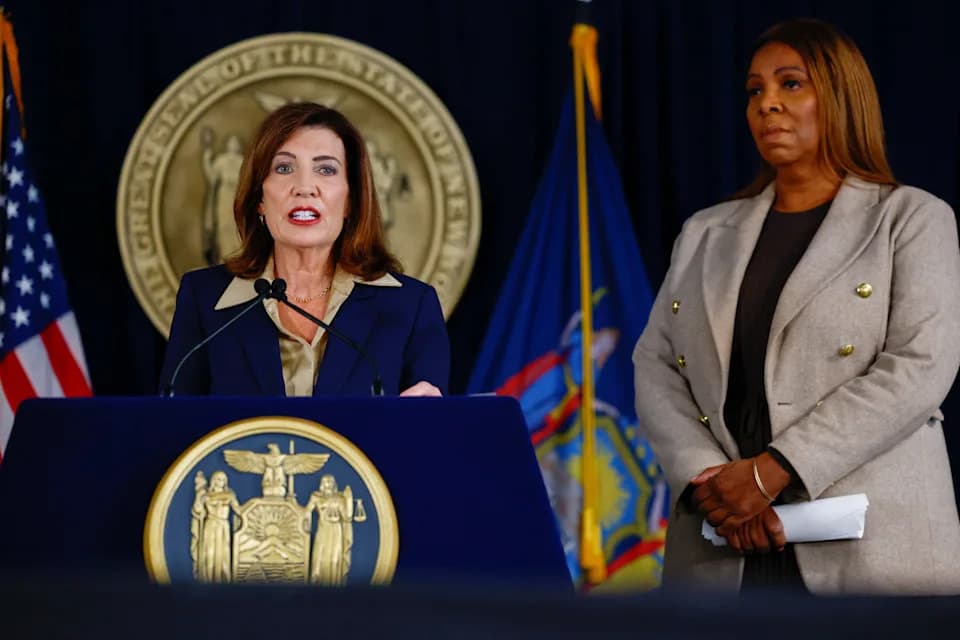
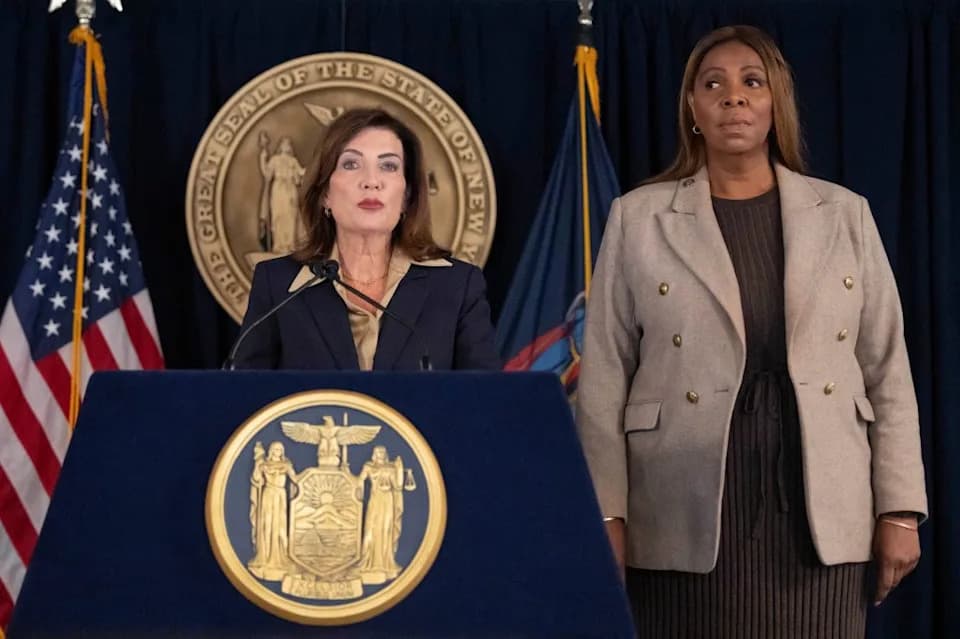
New York Gov. Kathy Hochul, left, and New York Attorney General Letitia James address reporters on Oct. 2, 2026, at a news conference regarding an investigation into an alleged gang rape at a Cornell University fraternity from 2024.
I was scheduled to speak at Cornell University this fall. Students there had organized a thoughtful visit, and I was genuinely pleased that an Ivy League campus wanted to hear my perspective. I ultimately withdrew because, in good conscience, I could not appear on a campus confronting serious questions about whether it has honored its duty to protect young women.
What Happened
A former student, identified in court filings as Jane Doe, alleges that seven members of a Cornell fraternity gang-raped her. According to her lawsuit, some of the men made crude jokes about her in a Snapchat group and none of them intervened to help. Those allegations are horrifying.
Why I Declined
My decision to withdraw had nothing to do with the students who invited me. It was about a promise the university appears to have failed to keep. When I was a resident adviser in college, I was the person students could knock on at 2 a.m. I remember parents who dropped off their daughters on move-in day believing the school would keep them safe. Jane Doe says Cornell did not keep that promise.
Institutions Are Meant To Protect, Not Protect Their Reputations.
Too often, universities prioritize their reputation, donors and institutional power over survivors. Consequences rarely arrive without sustained pressure—I've seen it before. In 2016, a 2005 recording surfaced of Donald Trump bragging about touching women in a way many heard as admission of sexual assault. Accountability was limited; in 2023 a federal jury found him liable in the E. Jean Carroll case, yet the next year he was elected president again. The lesson for young people is bleak: you can hurt women and still rise to the top, and those who stand silent can avoid scrutiny.
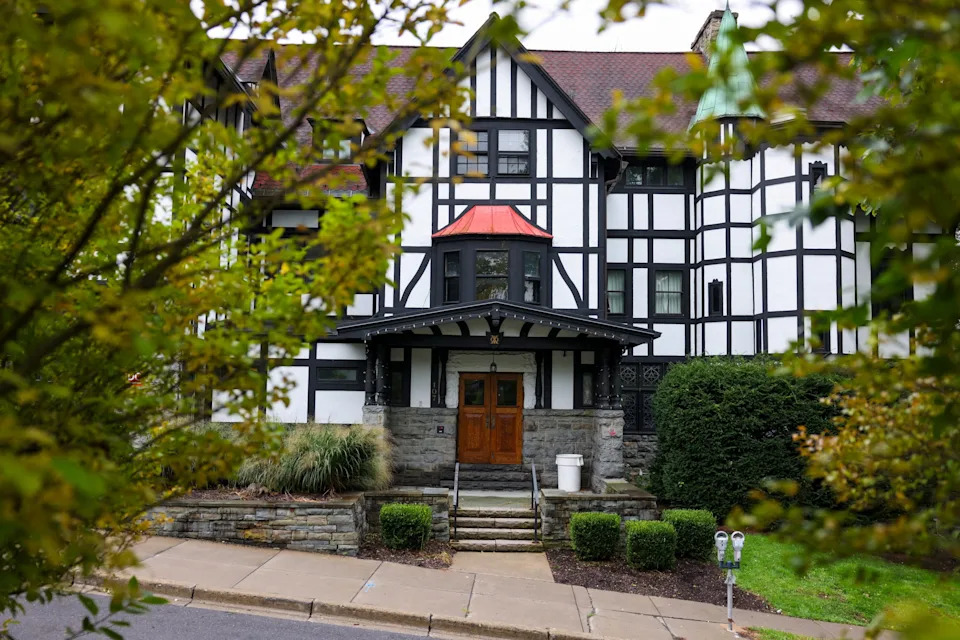
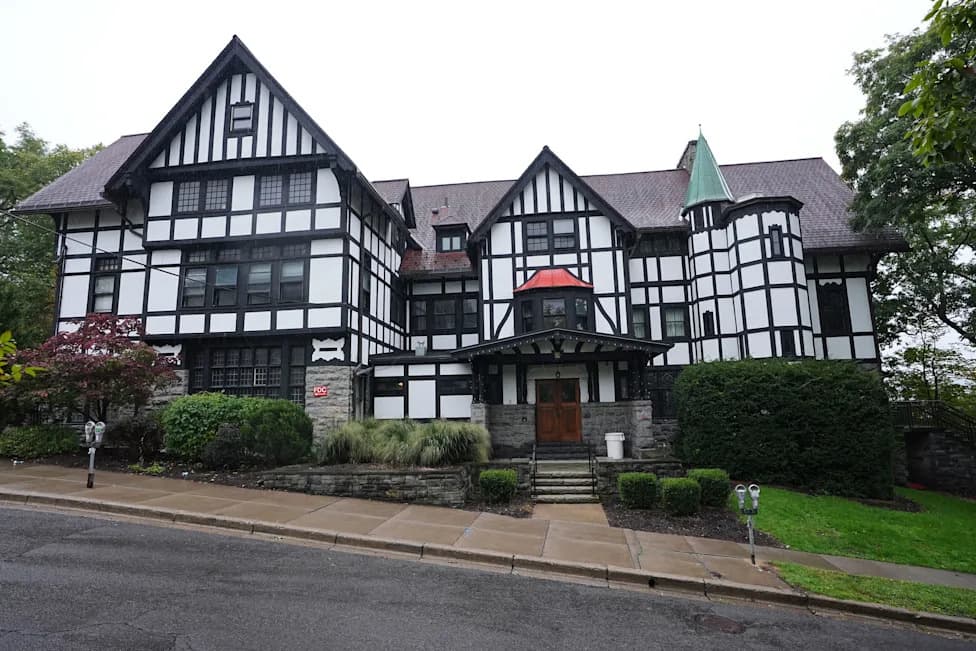
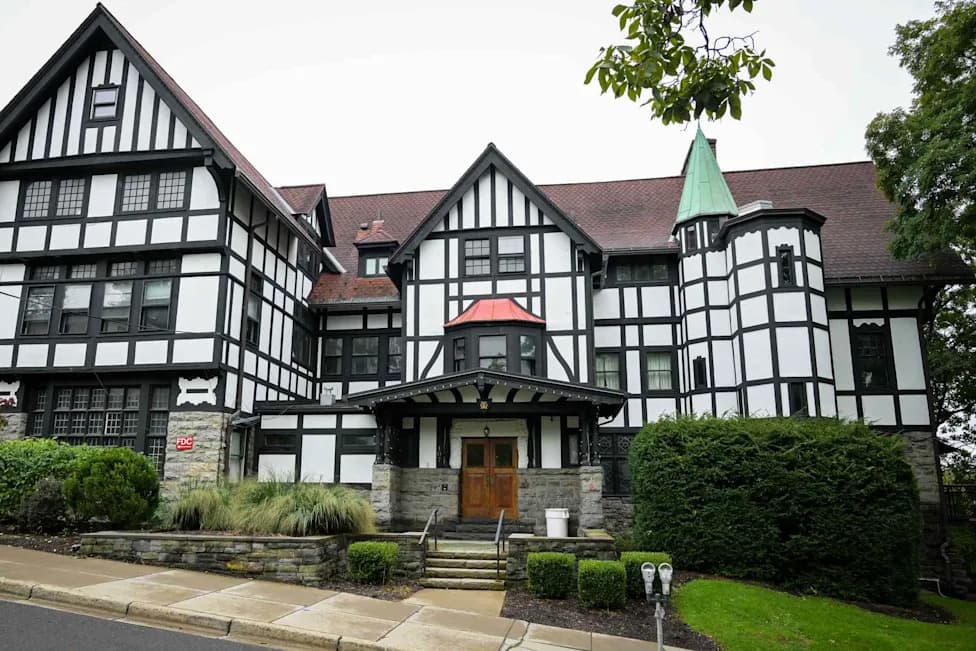
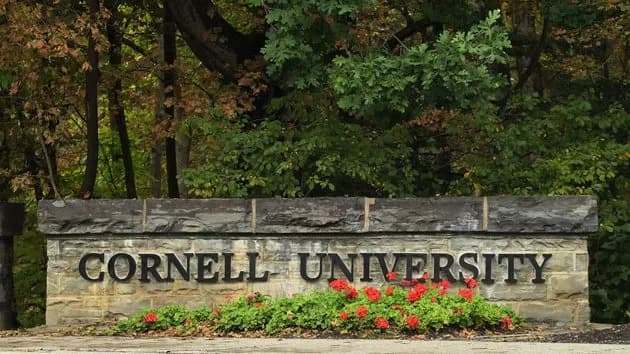
Cornell University’s former Chi Phi fraternity house in Ithaca, New York, on Sept. 29, 2026. A former student, identified as Jane Doe, has sued seven men, Cornell, her sorority and the fraternity. On Oct. 19, 2024, according to the lawsuit, the woman was raped repeatedly at the Chi Phi fraternity house.
What Changed—and What Must Change
Public pressure can work. This week, Jane Doe's criminal case was reopened and New York Attorney General Letitia James has stepped in as special prosecutor. I believe that outcome came because people refused to look away, including the courageous student journalists at The Cornell Daily Sun who pursued the story relentlessly.
Cornell has agreed to an independent investigation, which is a necessary first step. That review must examine how the university handled the initial report, publish clear public findings and set out a transparent plan to protect future students rather than merely manage controversy.
Broader Context
This is not only an American problem. In India, where my family is from, a string of recent sexual assaults around Delhi has provoked calls for women-only train cars and buses. In the U.S., women are routinely advised to change their dress, carry pepper spray and share live location—essentially told to shrink themselves to survive. When will we demand better of men and of the institutions entrusted with our daughters?
I believe Jane Doe. The rest of us must decide whether we will hold Cornell—and every institution like it—to the promises they make to families and students.
Opal Vadhan is the founder of Opal Office, a strategic advisory firm. She served as a senior adviser to Vice President Kamala Harris and worked as trip director for Hillary Clinton.
Help us improve.