New York Governor Kathy Hochul has pledged to work with lawmakers to close the state's "voluntary intoxication" loophole after an alleged gang rape at Cornell University highlighted how the law treats intoxicated victims differently. Hochul appointed Attorney General Letitia James as special prosecutor after new information prompted a reopened inquiry. Advocates and prosecutors say the law should treat voluntary and involuntary intoxication the same when assessing capacity to consent. Similar reforms have been adopted in other states, and Hochul urged rapid legislative action.
Hochul Vows To Close ‘Voluntary Intoxication’ Loophole After Alleged Cornell Gang Rape
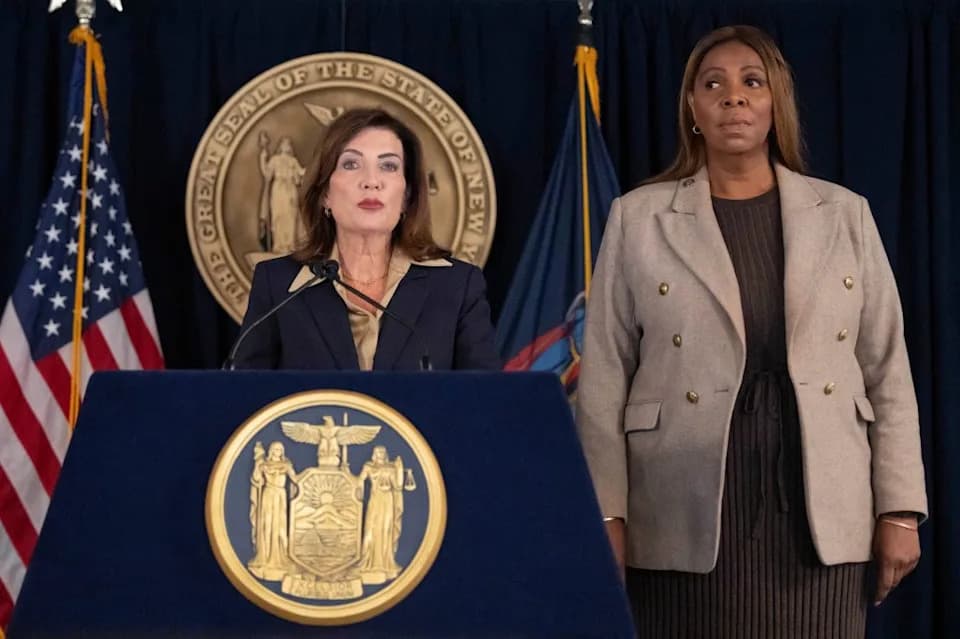
New York Governor Kathy Hochul speaks during a news conference with New York Attorney General Letitia James on October 2.
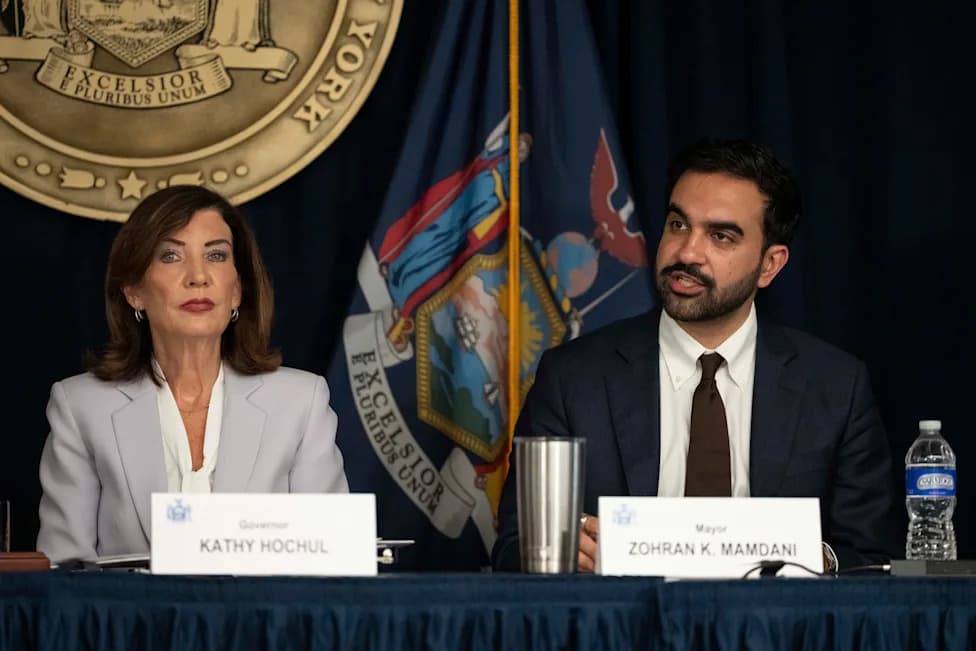
New York Governor Kathy Hochul announced Friday that she will work with state lawmakers to close what she called the "voluntary intoxication" loophole in state law after an investigation into an alleged 2024 gang rape at Cornell University exposed gaps in how the law treats intoxicated victims.
Hochul also named New York Attorney General Letitia James as a special prosecutor to oversee the reopened inquiry after "new information" raised concerns about how the case was handled last year by Tompkins County authorities.
What Hochul Said
At a news conference alongside Attorney General James, Hochul said:
"If someone is too intoxicated to consent, it should not matter whether they chose to use drugs or alcohol. Voluntary intoxication is not a license for sexual assault or gang rape—period. I support closing this loophole, and will work with the New York State Legislature to accomplish this."
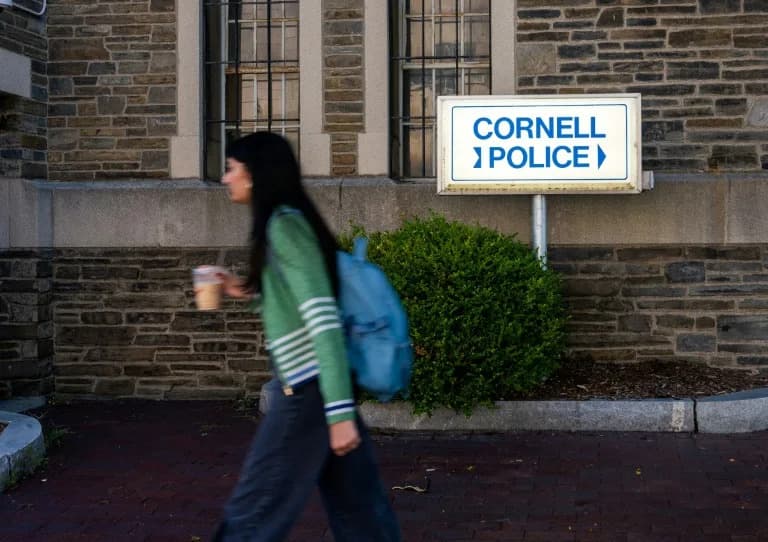
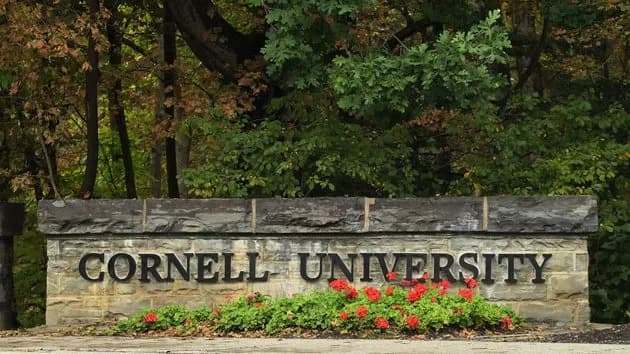
A Cornell University sign stands in Ithaca, New York, on September 28.
The Legal Gap
Under current New York law, prosecutors face a higher burden to prove that a person was mentally incapacitated if the intoxication was voluntary rather than the result of being drugged without their knowledge. Critics say that distinction can prevent fair prosecutions in cases where victims were too impaired to give meaningful consent.
Tompkins County Attorney Matthew Van Houten previously cited the statute when he declined in 2024 to bring criminal charges against any of the seven men later named in a civil lawsuit by the accuser. Supporters of reform argue that the law should treat voluntary and involuntary intoxication the same when assessing capacity to consent.
Political and Legal Response
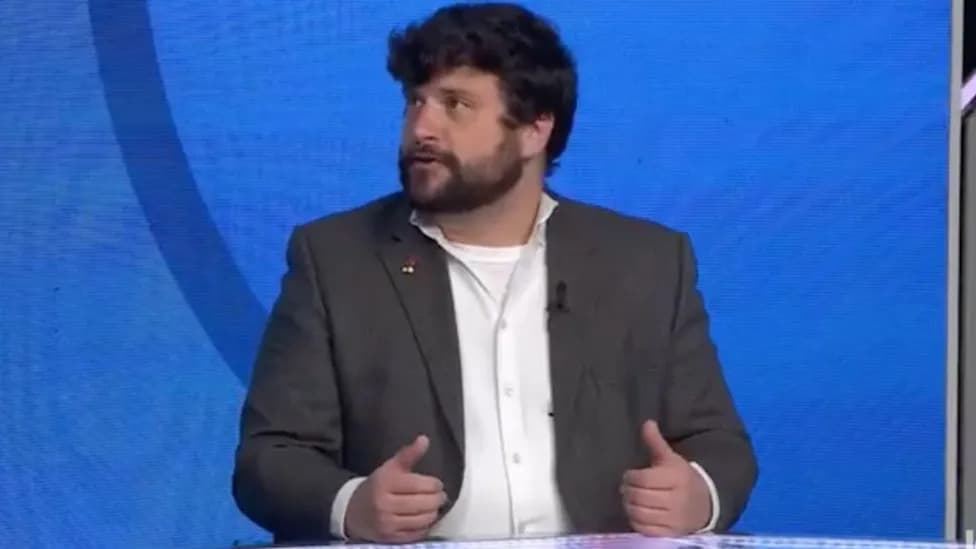
Manhattan District Attorney Alvin Bragg applauded Hochul’s pledge, saying prosecutors and advocates have long urged New York to eliminate the exemption. "Drugging someone to rape them is clearly wrong. So is raping someone who became intoxicated by voluntarily drinking or taking drugs," Bragg wrote on X, adding that both situations render a person incapable of meaningful consent.
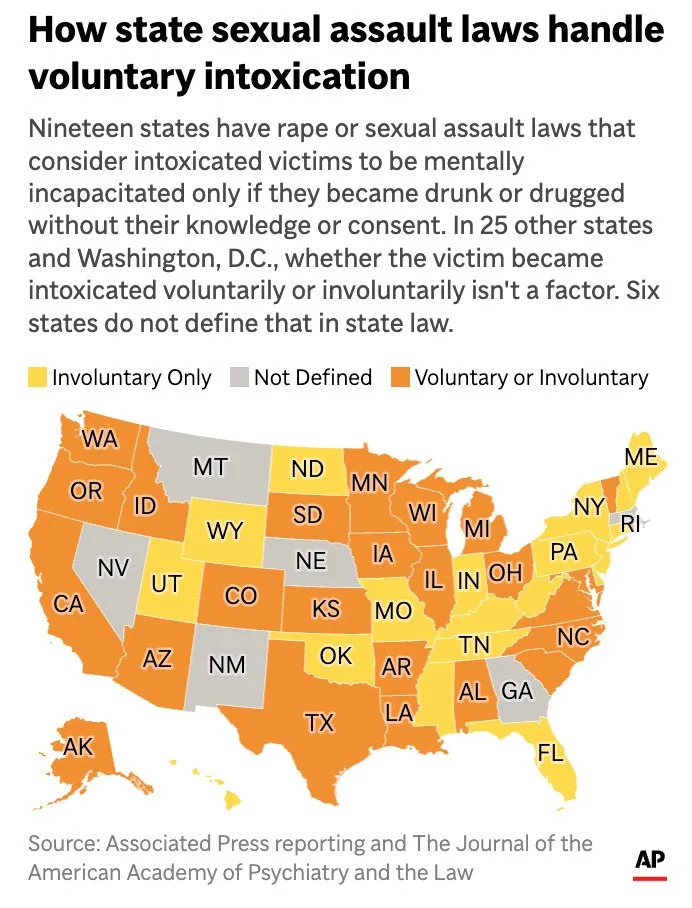
The map above shows how U.S. states' sexual assault laws handle voluntary intoxication.
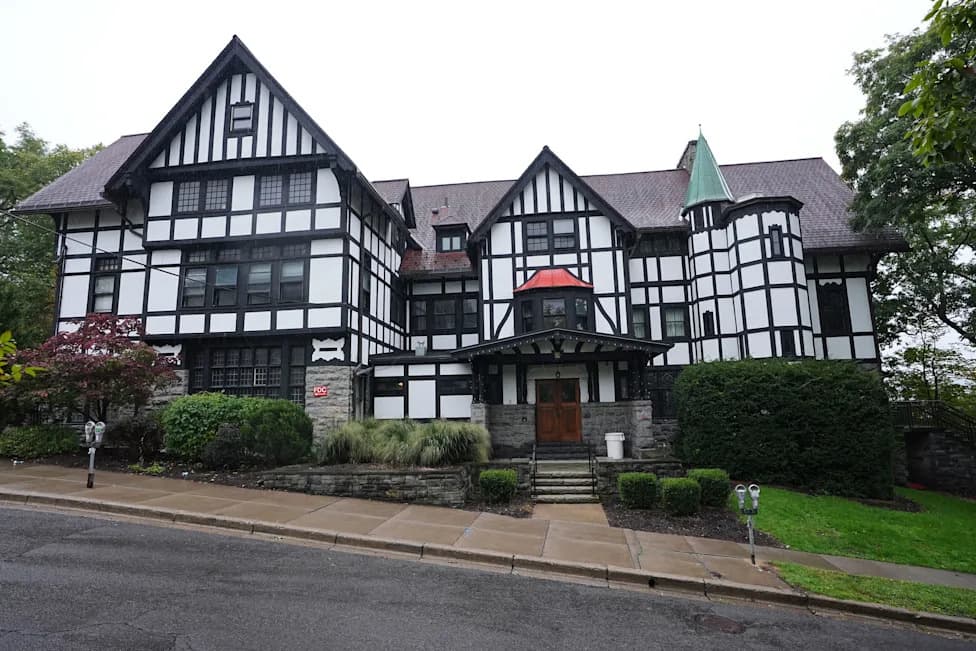
Assemblyman Jeffery Dinowitz, who has sponsored reform legislation (Bill A101) since 2019, said the allegations connected to a reported October 2024 incident at the Chi Phi fraternity house in Ithaca underscore the urgency to change the law. Dinowitz and other advocates note the State Senate has approved bills to remove the exemption multiple times since 2019, but those measures have repeatedly stalled before reaching the Assembly floor.
Comparisons And Reform In Other States
The Associated Press reported that New York is one of 19 states whose sexual-assault statutes recognize mental incapacitation only when a victim was unknowingly drugged or involuntarily intoxicated. Some states have moved to update those laws: Minnesota changed its statute after a 2021 state supreme court decision, and similar reforms were enacted in Michigan (2023) and reported in Texas (2025).
University of Minnesota professor Chinmoy Gulrajani summed up the reform argument to the AP: "That business of whether the victim was voluntarily intoxicated or involuntarily intoxicated should really not matter in the vast majority of cases, if not all of them."
Next Steps
Hochul said she will press the Legislature to act quickly, encouraging lawmakers to pass a bill to eliminate the voluntary-intoxication exemption as early as January. Attorney General James said the reopened probe could result in criminal charges and stressed the importance of investigating reports fully and fairly.
"Every New Yorker deserves to know that when they report a crime, it will be investigated fully and fairly, that they will be seen and heard," James said. "That is the promise of our justice system. I stand ready to lead a process guided by the facts and the law."
The allegations have also intensified a national conversation about sexual violence on college campuses and prompted public responses from politicians and public figures. The case remains under investigation.
Help us improve.