Advocates warn that recent federal funding decisions have left unaccompanied migrant children at risk of deportation by sidelining experienced legal providers. ORR allowed Acacia Center For Justice's contract to lapse in July 2026 after payments stopped, and demands for confidential client data and controversial replacement contractors prompted public outcry. ORR provided interim funding to USCRI for hearings through the end of 2026, but advocates say the smaller provider network cannot match the capacity of the prior network. Lawyers and child advocates warn that without qualified counsel, thousands of children face poorer outcomes in immigration courts.
Without Lawyers, Thousands of Migrant Children Face Fast-Track Deportation in US Courts
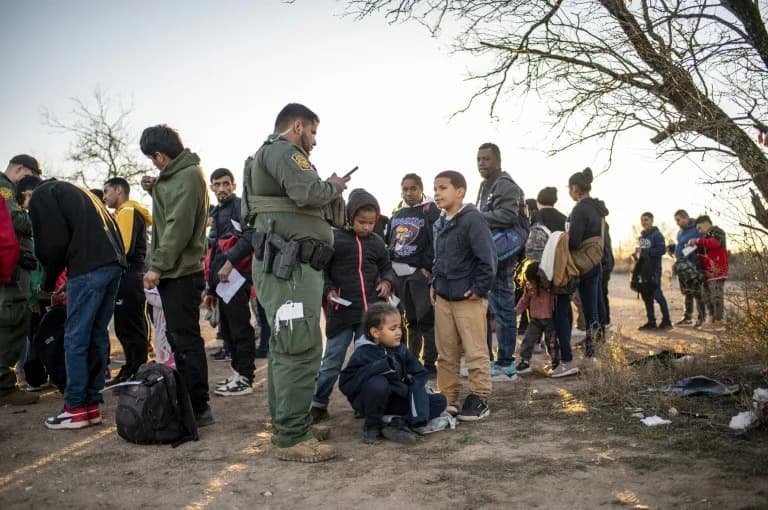
Border Patrol agents process migrants who illegally crossed the US-Mexico near Eagle Pass, Texas (SERGIO FLORES)
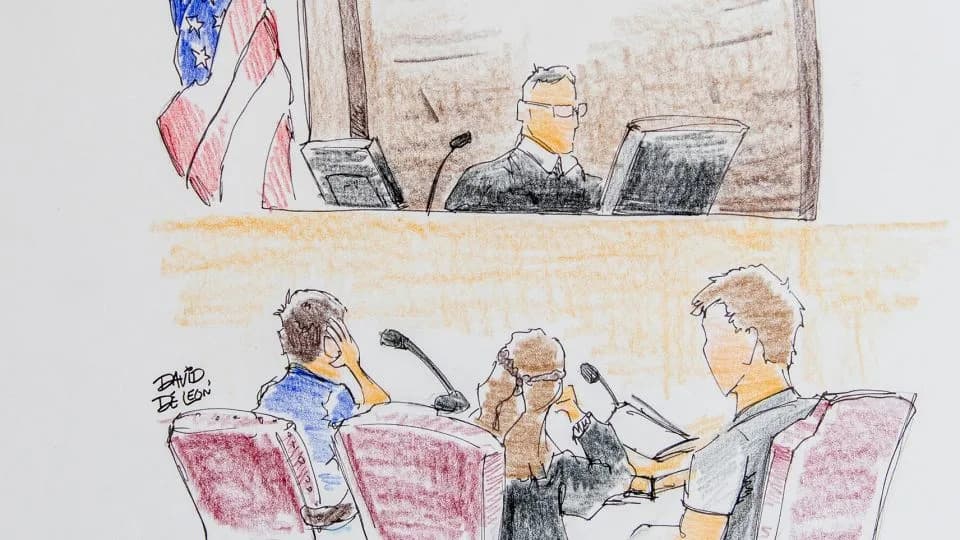
A one-year-old toddler wandered and cried inside an immigration courtroom in Louisiana, even throwing a toy that nearly struck a prosecutor. The judge ordered that the baby and his 17-year-old mother apply for asylum, but the teenager could barely follow the proceedings while detained and caring for an infant.
Roxana Avila-Cimpeanu, deputy director of an organization that provides legal support to unaccompanied minors, described witnessing the scene. She said a detained young mother was forced to manage both her own case and her child's despite extreme stress and limited capacity to navigate immigration procedures.
Funding Changes Leave Children Without Experienced Counsel
Advocates say the Trump administration's policy changes have cut or disrupted funding for organizations with long experience representing unaccompanied children, replacing them with providers that lack the capacity or qualifications to handle complex immigration cases. Democratic lawmakers wrote to the Department of Health and Human Services expressing that they were "gravely concerned" about entrusting a vulnerable population to firms they deem unqualified.
ORR — the Office of Refugee Resettlement — is the federal agency traditionally responsible for the care and legal support of unaccompanied migrant children: those who arrive in the United States without an adult or whose parents are detained and are themselves in shelters or government custody.
Timeline and Dispute
Since President Donald Trump resumed the White House for a second term in January 2025, the administration has pursued an aggressive campaign to deport undocumented immigrants. Last year, it attempted to cut funding used by ORR to support a national network of groups that had provided legal services to unaccompanied minors. A federal judge blocked the funding cut after a lawsuit, ordering that services mandated by a 2008 law be maintained.
Despite that ruling, officials later stopped making contract payments. In July 2026, the government allowed a contract with the Acacia Center For Justice — which had overseen a network of roughly 100 organizations — to lapse. Avila-Cimpeanu says that in late 2025 the government conditioned continued funding on the release of confidential information about about 20,000 children represented by the network; the providers refused.
The administration then announced plans to transfer cases to the Burke Law Group, run by a former Trump administration official, but that firm withdrew its bid. Officials subsequently proposed deploying Our Rescue, an organization founded by a controversial anti-trafficking activist and led by a former ICE investigator. Congressional questions and a federal review put that contract on hold.
"Children's legal protections should never be the currency of political patronage," Democratic lawmakers wrote in their letter.
Avila-Cimpeanu told AFP she believes the administration has sought to complicate legal defenses for minors "to achieve the goal of deporting as many children as quickly as possible." She added: "I have been doing this work for 10 years, and this is the worst time I have seen for a concerted attack on children by the government."
Children in Courtrooms Need Counsel
It is common for unaccompanied minors — including infants and teenagers — to appear in immigration proceedings. Advocates stress that a knowledgeable lawyer who can speak the child's language is often essential. Avila-Cimpeanu recalled a 2018 hearing on behalf of an infant only months old, when her organization had to speak for the child and enter pleas on the baby's behalf — an illustration of how the system treats children like adults in legal procedure.
This week, news outlets reported that dozens of migrant children, several without attorneys, had hearings in Texas. In response, ORR said that in August 2026 it provided interim funding through the end of the year for the US Committee for Refugees and Immigrants (USCRI) to appear at immigration hearings. ORR said USCRI "is appearing at 100 percent of the hearings and has expanded to provide legal orientation, legal consultations and direct representation."
Acacia's spokesman Bilal Askaryar noted that USCRI has roughly 50 attorneys compared with about 800 attorneys in Acacia's former network. "This isn't about a contract for us. This isn't about a dispute between an organization and the government. This is about 20,000 children who came to the United States seeking safety," he said.
The disruption in experienced legal representation raises urgent concerns: without qualified counsel, many vulnerable children face a greater risk of deportation despite legal avenues for protection such as asylum or special humanitarian relief.
Help us improve.