Summary: Tablets found near two University of Mississippi students who died on September 21 contained three kratom-related compounds — mitragynine pseudoindoxyl, MGM-15 and 7‑OH — that are semisynthetic, concentrated derivatives of kratom alkaloids. Two of the compounds (MGM-15 and mitragynine pseudoindoxyl) received temporary Schedule I status in August. Experts warn these isolated derivatives are more potent than whole-leaf kratom, bind to mu opioid receptors, and increase the risk of overdose, dependence and severe withdrawal. Autopsy and toxicology results are pending.
Semisynthetic Kratom Compounds Found Near Dead Ole Miss Students — What Are 7‑OH, MGM‑15 and Mitragynine Pseudoindoxyl?
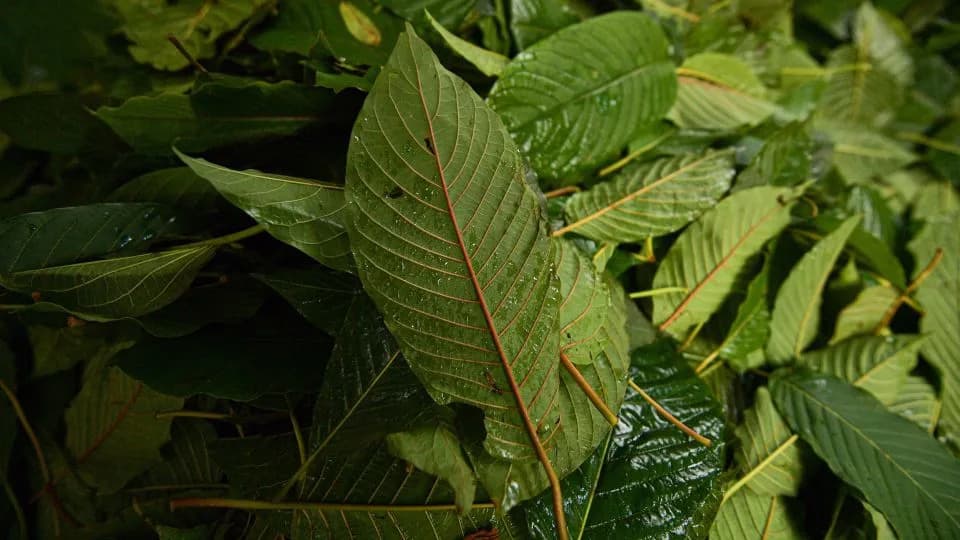
Kratom leaves have more than 40 psychoactive compounds, some of which are used for semisynthetic products. - Vachira Vachira/NurPhoto/Shutterstock
Editor's Note: If you or someone you know is struggling with substance abuse, call the U.S. Substance Abuse and Mental Health Services Administration's National Helpline at 800-662-HELP (4357) for support and resources.
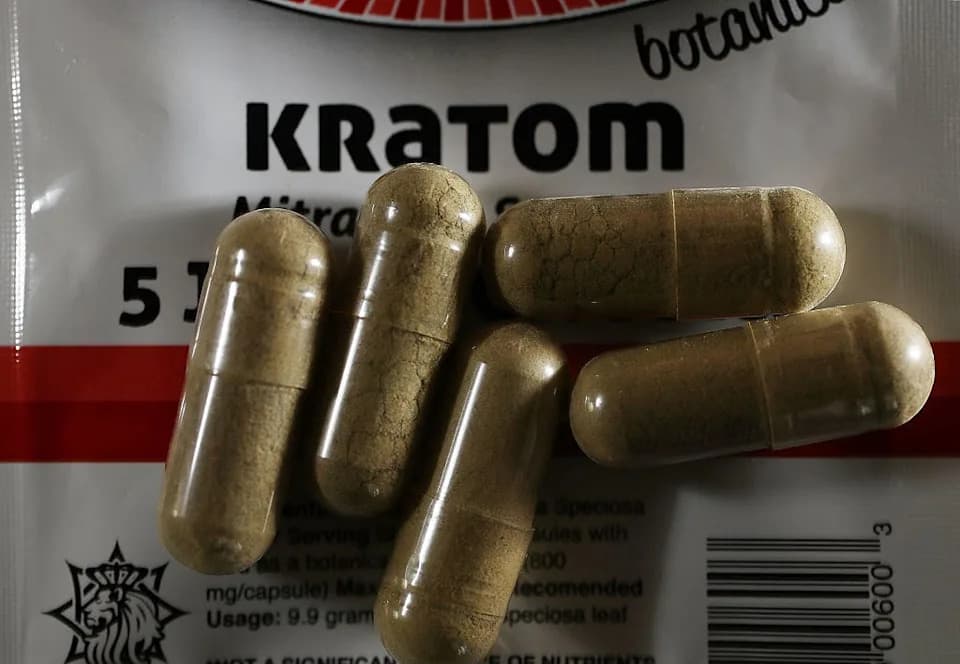
Court and law enforcement records indicate that tablets recovered near two University of Mississippi students who died on September 21 contained three kratom-related compounds: mitragynine pseudoindoxyl, MGM-15 and 7-hydroxymitragynine (commonly called 7-OH). Investigators say these were semisynthetic, concentrated derivatives rather than unprocessed kratom leaf.
What Was Found
Officials reported that the seized tablets contained mitragynine pseudoindoxyl, MGM-15 and 7-OH. Two of those compounds — MGM-15 and mitragynine pseudoindoxyl — were placed on an emergency Schedule I designation in August by the U.S. Department of Justice (including the DEA) for a temporary two-year period. Autopsy and toxicology results for the students have not been released, and authorities have not confirmed whether these substances caused or contributed to the deaths.
How These Compounds Differ From Natural Kratom
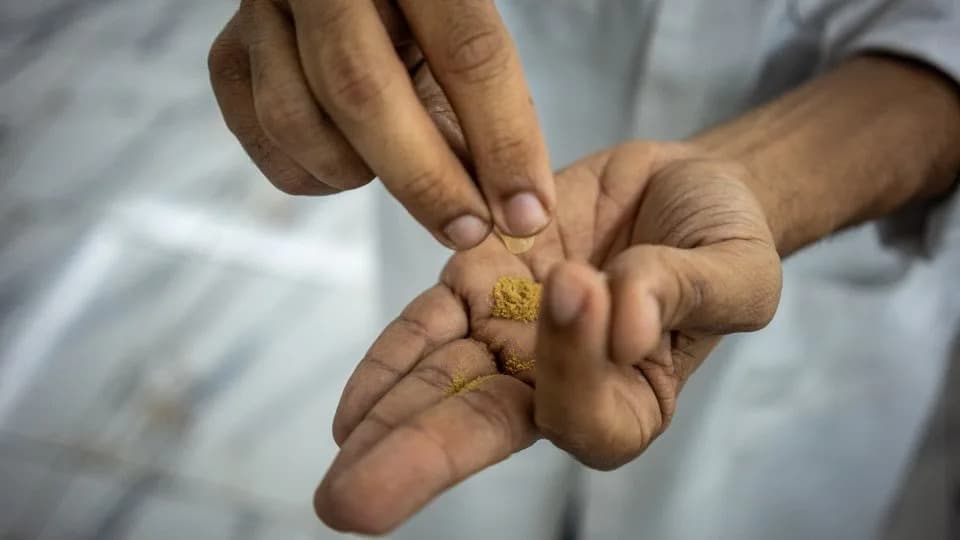
Natural kratom comes from the leaves of the Mitragyna speciosa tree, native to Southeast Asia. The plant contains alkaloids — naturally occurring nitrogen-containing compounds — that produce stimulant and sedative effects. Mitragynine is the most abundant alkaloid in kratom; during metabolism in the body or through certain manufacturing processes, mitragynine can convert to 7-OH, which in turn can further metabolize into mitragynine pseudoindoxyl. In unprocessed leaf products, 7-OH generally makes up about 1% to 2% of total alkaloid content, but semisynthetic products isolate and concentrate these compounds, often raising potency and risk.
Why Scientists Are Concerned
7-OH and related semisynthetic derivatives bind to the brain's mu opioid receptors, which regulate pain, breathing and other vital functions. That receptor activity produces opioid-like effects; concentrated derivatives can be substantially more potent than whole-leaf kratom and raise the risk of respiratory depression, overdose and dependence. Clinicians report withdrawal syndromes in some patients that resemble withdrawal from heroin or fentanyl.
Legal Status And Availability
Kratom itself is not federally regulated as a food, drug or dietary supplement in the U.S., and the FDA says kratom is not lawfully marketed in those categories. State rules vary: kratom is regulated in at least 30 states and banned in nine. Several states, including Florida, Ohio, Kentucky and California, have already restricted or banned 7-OH. The federal government temporarily scheduled MGM-15 and mitragynine pseudoindoxyl as Schedule I on an emergency basis; 7-OH has been the subject of proposed scheduling actions and public comment periods.
Health Risks And Symptoms
Reported illnesses tied to kratom or its semisynthetic derivatives range from mild to severe and have included poisonings, dependence and deaths. Symptoms of poisoning may include high blood pressure, nausea and vomiting, tremors, seizures, hallucinations or delusions, liver injury, increased heart rate (tachycardia) and cardiac events. Respiratory depression — the life-threatening slowing of breathing seen with opioids — is a primary concern when these compounds are concentrated or combined with other depressants.
What Families And Consumers Should Know
Because semisynthetic derivatives are more potent and less regulated than whole-leaf kratom, they pose higher and less predictable risks. If you suspect someone has taken a potentially dangerous substance, seek emergency medical care immediately and provide responders with any pills or packaging. For substance-use support, contact the SAMHSA National Helpline at 800-662-HELP (4357).
Note: Investigations and toxicology testing are ongoing in the Ole Miss cases; definitive cause-of-death determinations will depend on autopsy and lab results.
Help us improve.