Tuvalu has suffered catastrophic reef loss after a 2024 marine heatwave that scientists estimate killed roughly 99.9% of reef-building corals. The damage threatens fisheries, food security and the very landforms of the islands; two of nine atolls are already largely inundated. Coral-restoration efforts show limited local success, but funding has lapsed and experts warn urgent global action and support are needed to prevent further losses.
Tuvalu on the Frontline: 99.9% of Reef-Building Coral Lost in 2024 Marine Heatwave
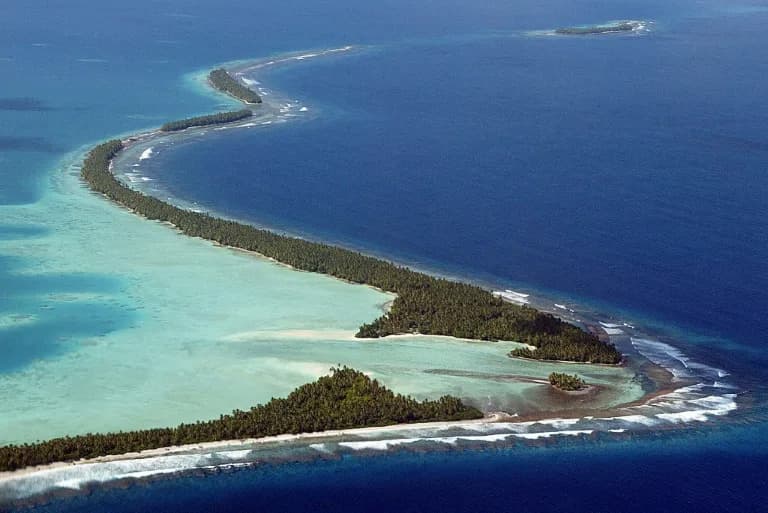
Scientists say a marine heatwave wiped out an estimated 99.9 percent of the coral that built the remote Tuvalu islands (TORSTEN BLACKWOOD)
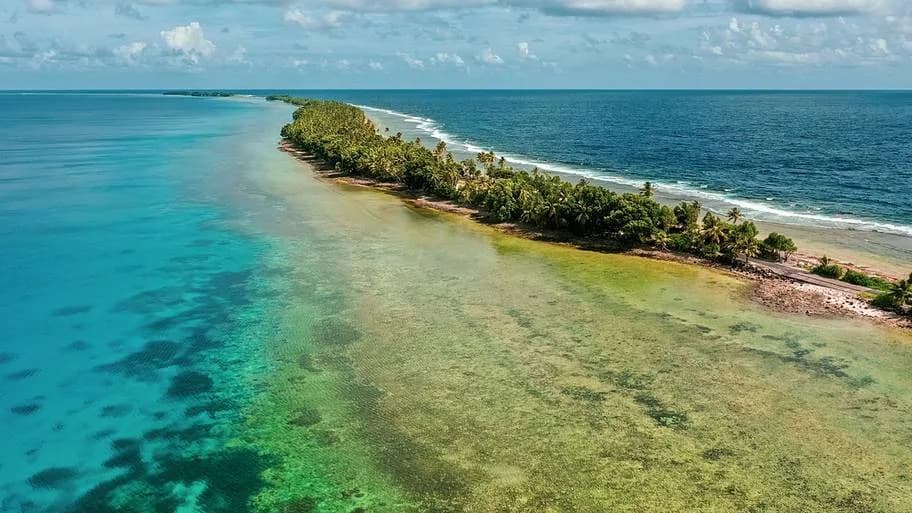
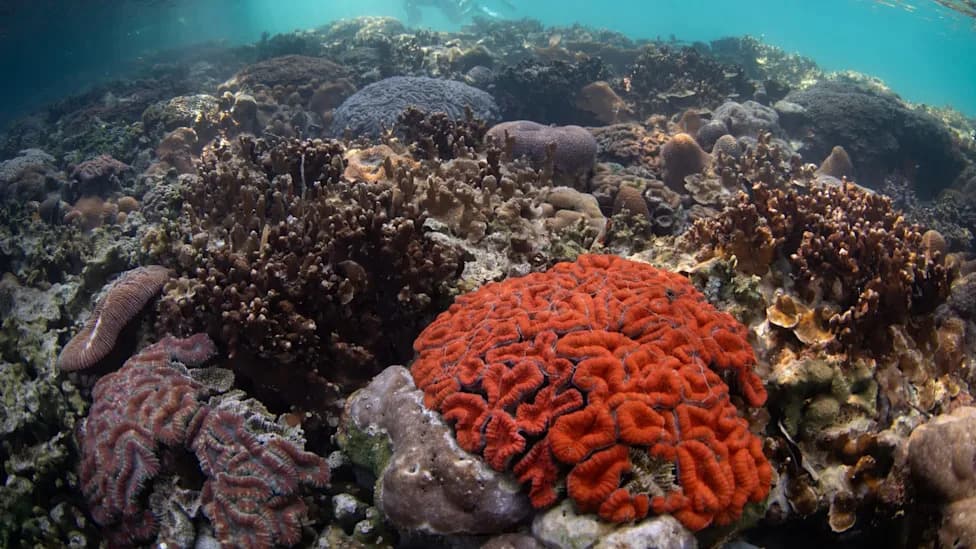
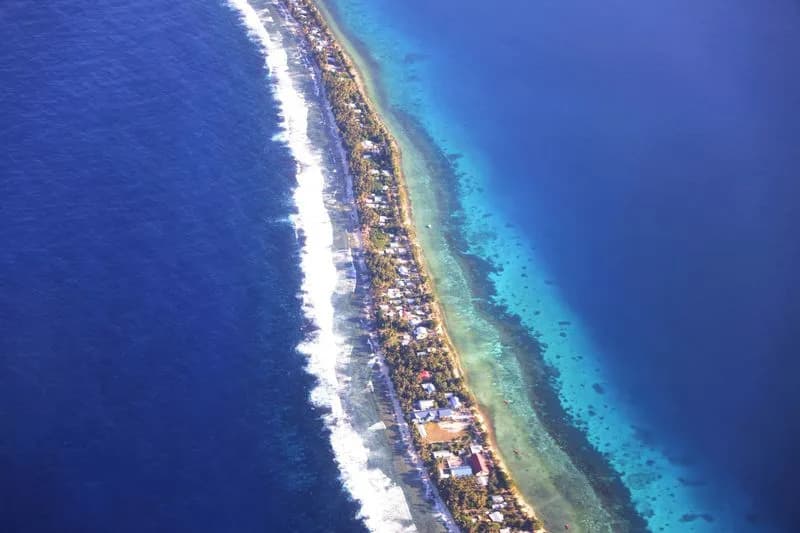
When delegations visit the low coral atolls that make up the Pacific nation of Tuvalu, they will see an ecosystem that has been all but erased by climate change. Scientists say a 2024 marine heatwave killed an estimated 99.9% of the reef-building coral that formed Tuvalu’s islands, undermining marine life, food supplies and the very foundations of the nation.
Severe Coral Loss and Its Consequences
Marine biologist Austin Bowden-Kerby, who documented the devastation during a recent visit, described the scene:
"You can swim for hours and hours along the reef in the lagoon, just skeleton after skeleton. It's all dead."He and other researchers stress the loss was not caused by pollution or overfishing but by extreme ocean warming linked to climate change.
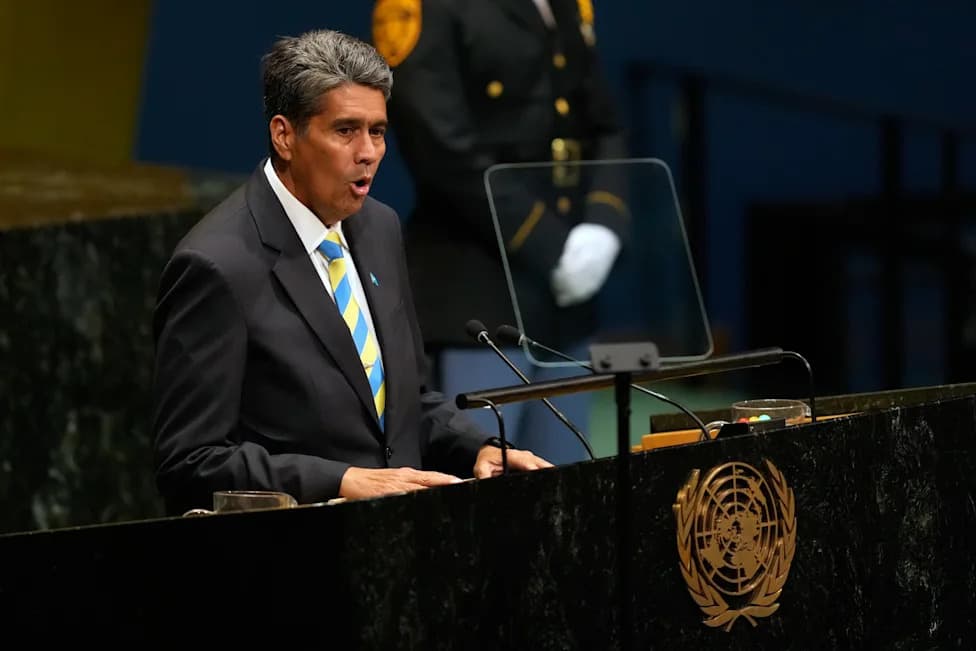
Rising sea levels have already largely inundated two of Tuvalu’s nine atolls. Scientists warn the entire archipelago could become uninhabitable by the end of this century if current trends continue. Speaking at the United Nations, Prime Minister Feleti Teo said:
"Sea-level rise is not a future threat, it is a present reality."
Food Security and Local Impacts
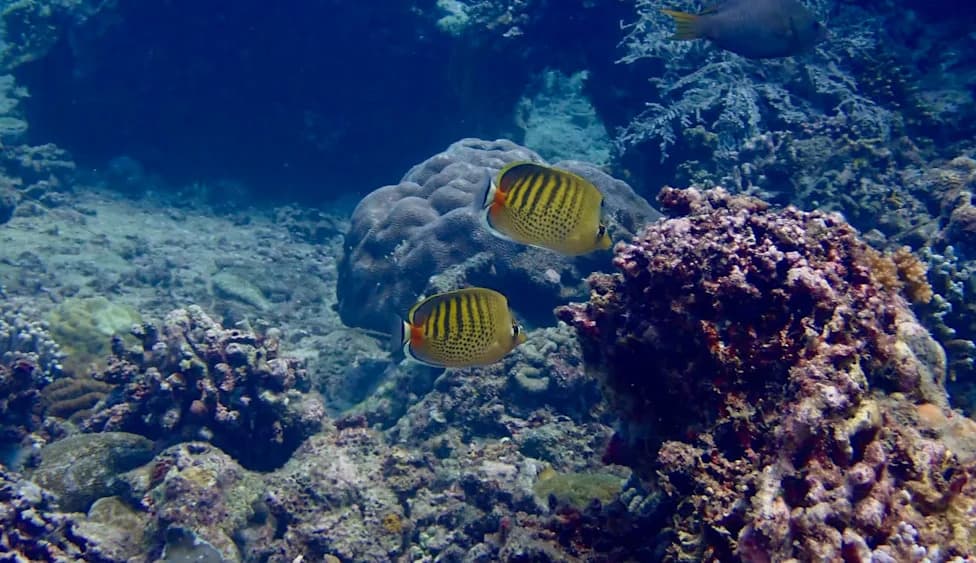
Local researcher Rajneel Singh reports clear changes in fisheries: elders no longer regularly catch red snapper and other traditional species, and the fish that are caught are generally smaller. Bowden-Kerby notes that many reef-dependent fish species have effectively disappeared, removing a critical foundation of the local food chain.
Scientists presented their December findings to Tuvalu’s fisheries minister, who initially reacted with disbelief upon seeing photographs and data. A small coral nursery has shown limited recovery, attracting some plankton-feeding fish back to restored areas, but experts warn this is a tiny fraction of past reef coverage.
Funding Constraints and Limited Options
Efforts to protect heat-resilient strains of coral and to sustain local nurseries are underway, but funding shortages are a major constraint: project financing reportedly ran out at the end of September. "We need more funds just to sustain these things," Singh said, underscoring the precarious state of restoration work.
The pre-COP gathering organised by Fiji ahead of the UN climate summit in Turkey has been described as an opportunity for Pacific leaders to show the world the direct impacts of warming oceans. Yet only a small number of world leaders are expected to make the extra trip to Tuvalu, and some visitors may limit their visit to brief flyovers rather than direct engagement on the ground.
Broader Warning
The United Nations' World Ocean Assessment warns that up to 90% of the world’s reefs could disappear if global warming exceeds 1.5°C above pre-industrial levels. Scientists say Tuvalu’s rapid reef loss should serve as an urgent warning to other nations and call for immediate, scaled-up climate action and financial support for adaptation and restoration.
What Comes Next: Protecting climate-resilient corals, restoring nurseries where possible, and securing sustained funding are immediate priorities. Without rapid global emissions reductions and targeted support, Tuvalu’s fate could foreshadow losses across the tropical Pacific and beyond.
Help us improve.