Summary: Global opinion has shifted toward China in many countries, driven in part by perceived U.S. unpredictability and China’s expanding trade, development and AI initiatives. China’s RCEP membership, Belt and Road investments, and AI outreach like WAICO have increased its influence, while exports to the Global South have surged. However, concerns about economic coercion, loan-based development, human-rights records and leadership challenges mean China is not yet a clear-cut replacement for U.S. global leadership.
Can China Replace the U.S. as the World's Leading Superpower?
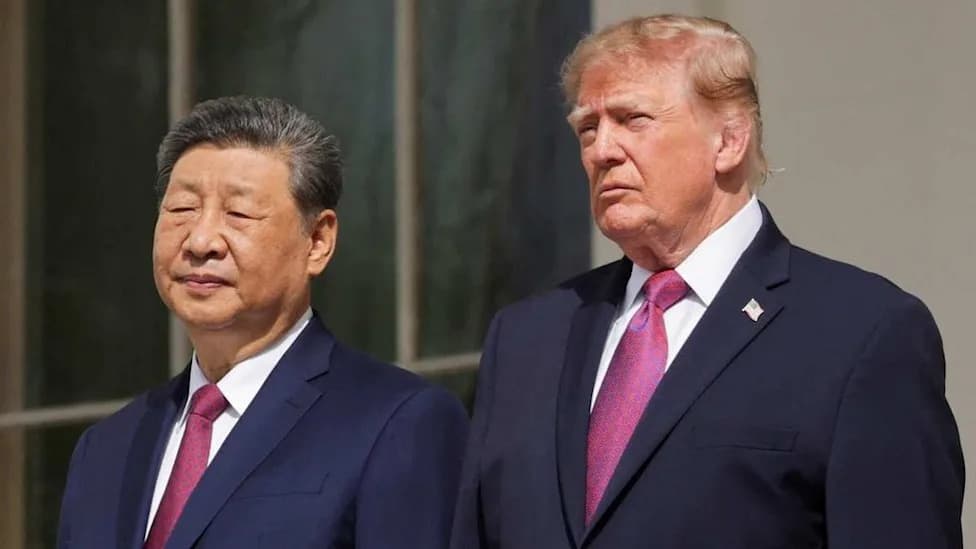
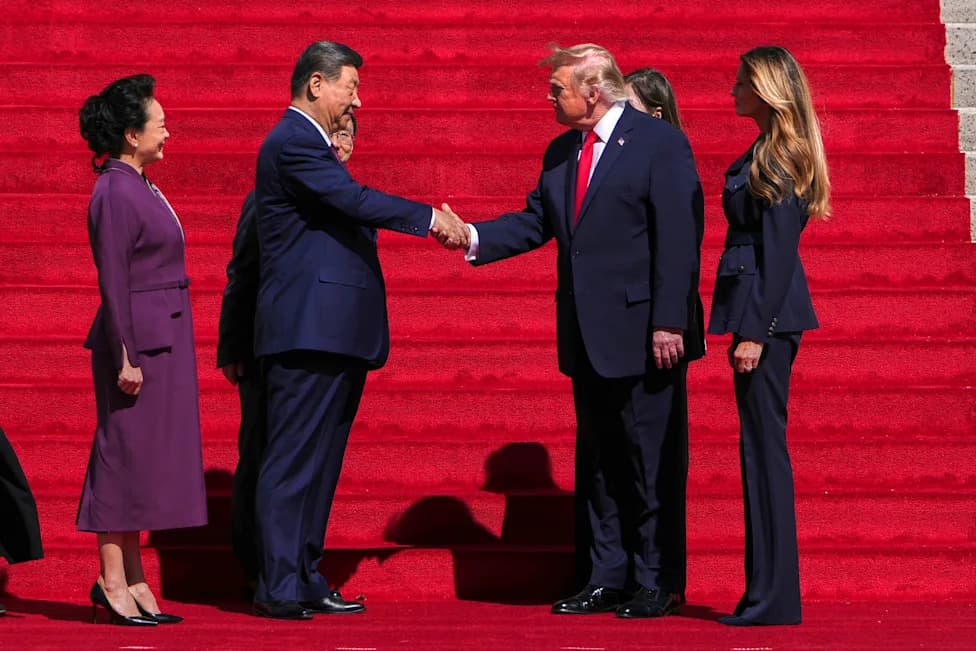
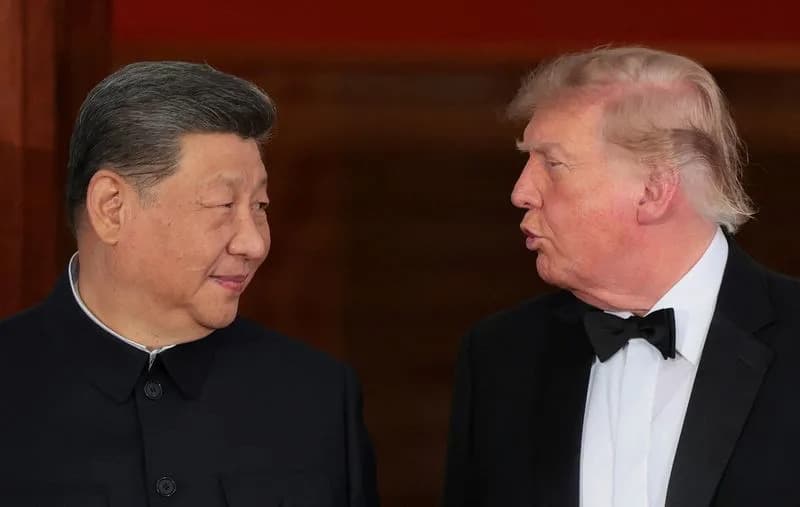
US President Donald Trump and Chinese President Xi Jinping watch a military demonstration from a balcony of the White House in Washington, D.C.
Only a few years ago global opinion favored the United States over China. That balance has shifted: new data from the Pew Research Center show China now receives more favorable ratings in most of the 36 countries surveyed, signaling a notable change in international perceptions.
Shifting Public Opinion
One year earlier, 49% of respondents viewed the United States favorably while 37% viewed China favorably. Younger Americans have shown growing curiosity about China—sometimes playfully described on social media as "Chinamaxxing," where users adopt elements of Chinese culture—underscoring how attitudes can evolve quickly.
U.S. Retreat and Beijing’s Opportunity
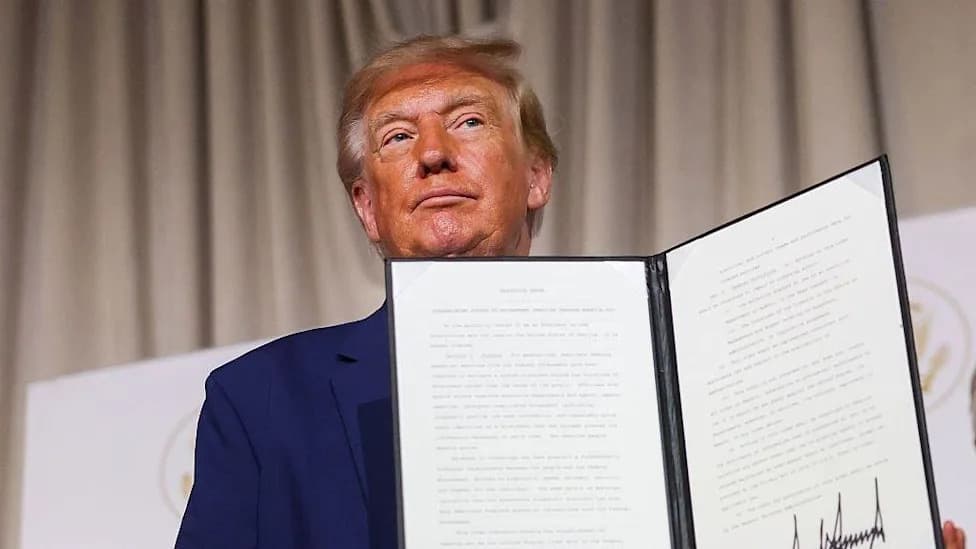
These opinion changes come as the United States adopts a more transactional and unilateral foreign-policy approach under President Donald Trump, raising questions about alliance reliability and trade predictability. Analyst Ian Bremmer and others have argued that Washington’s posture has created openings for other actors to expand influence. Beijing is trying to fill some of that space through economic, trade, and technological initiatives.
Trade, Deals and Development
China is positioning itself as a dependable partner on trade and development. In 2022 China ratified the Regional Comprehensive Economic Partnership (RCEP), the product of a decade of negotiation among ASEAN members plus Australia, China, Japan, New Zealand and South Korea—an area representing more than 30% of global GDP. Beijing has also expanded its footprint through the Belt and Road Initiative (BRI), which finances infrastructure projects across developing regions.
Between 2000 and 2024, China's exports to the Global South rose roughly 39-fold, while U.S. exports to those markets grew about two-fold. Those figures illustrate how China has deepened commercial ties across Africa, Asia and Latin America.
Technology and Artificial Intelligence
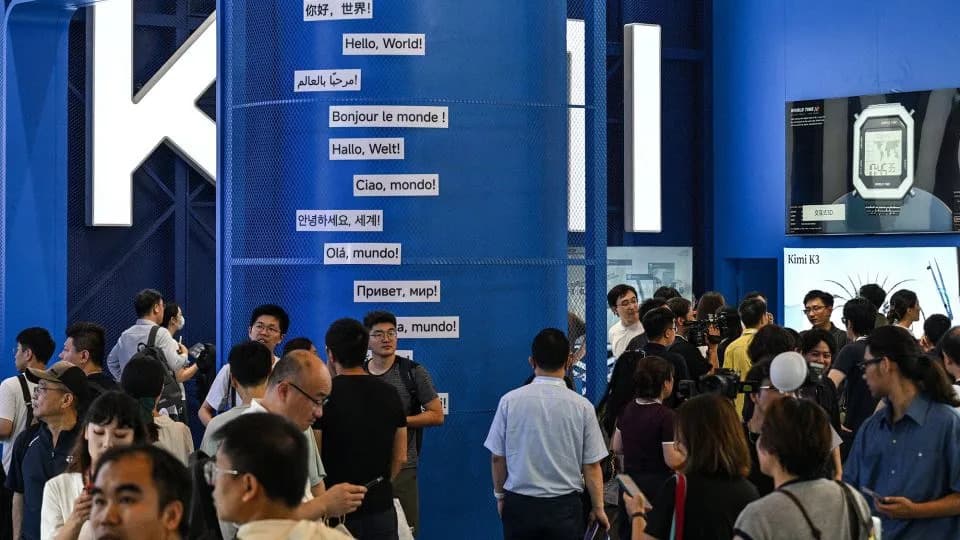
AI is another battleground for influence. Washington launched an AI governance effort called Pax Silica that drew some allies but deliberately excluded collaboration with China. In response, China established the World Artificial Intelligence Cooperation Organization (WAICO), which pledges to help developing countries benefit from AI while promoting Chinese models and tools. Chinese firms have also promoted "open-weight" AI models—public models that are publicly downloadable and customizable—often at lower cost than equivalent U.S. offerings.
Messaging Versus Reality
Despite the pitch of partnership and multilateralism, China’s behavior sometimes complicates its appeal. The size of China’s economy gives it leverage that it has occasionally used coercively. For example, after Lithuania allowed a de facto Taiwanese office in Vilnius in 2021, Beijing restricted Lithuanian access to Chinese markets—an episode many analysts point to as economic pressure to enforce political red lines.
Similarly, the BRI initially emphasized loans that many recipient countries had to repay on terms critics called onerous; after 2019 Beijing adjusted some lending practices and increased grant-like assistance, but skepticism persists. China’s record on human rights, crackdowns on civil society and tight regulation of political expression also undermines its soft-power appeal in many capitals.
Limits of China’s Leadership Case
Internal political and economic challenges undercut Beijing’s ability to claim global leadership. Observers such as Joshua Kurlantzick note that Xi Jinping has faced difficulties: an uneven economy, heavy-handed regulation of the private sector, and periodic purges that raise questions about governance stability. Some argue that if China had more effective leadership since 2012, it might already be in a stronger position to supplant the United States.
What Comes Next?
China’s growing favorability in many countries reflects both Beijing’s steady diplomatic and commercial outreach and a relative decline in U.S. credibility in some places. Yet the gap between rhetoric and practice—the use of economic leverage, the loan-based development model, and human-rights concerns—means China is not an automatic or complete replacement for American leadership.
If Beijing cannot fully fill the role once played by Washington, the world may face a more fragmented order in which multiple powers, regional blocs, and nonstate actors compete for influence. The question is not just whether China can replace the U.S., but what kind of international system will emerge if American leadership continues to wane.
Key takeaway: China has expanded economic and technological reach and improved its global image in many countries, but structural constraints and political behavior limit its ability to unambiguously replace the United States as the world's dominant superpower.
Help us improve.