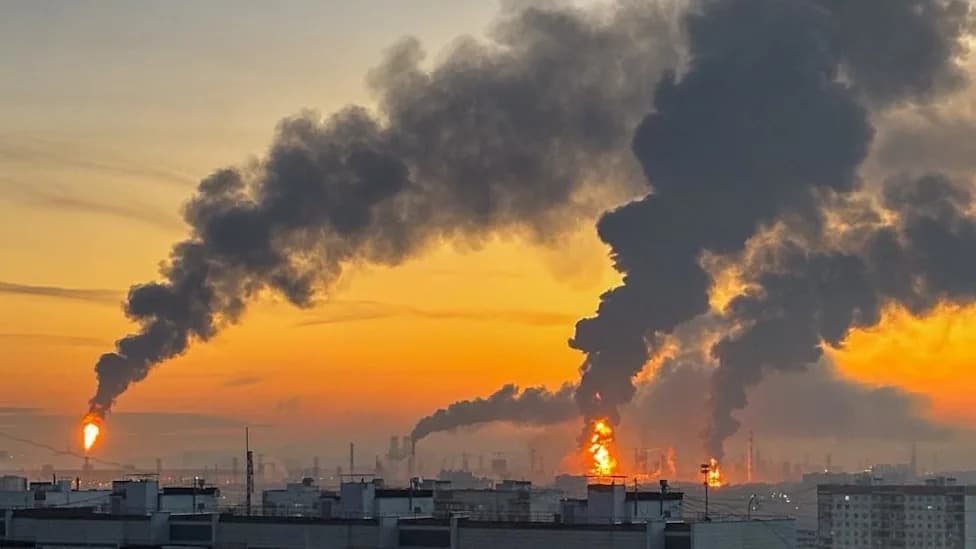
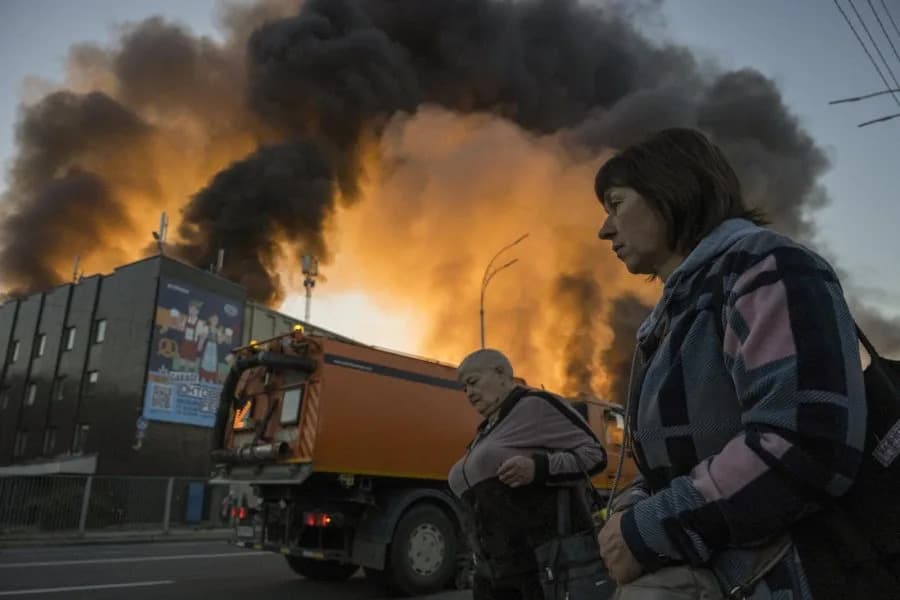
B'Tselem's "The Elimination Project" argues that Israeli policies across five domains—violence, movement restrictions, economic pressure, social and political weakening, and territorial takeover—systematically erode Palestinian collective life in the West Bank. Israeli officials and the IDF reject the report's central claims as unfounded and emphasize security-driven rationales for many measures. The report relies on 2,000+ testimonies and extensive documentation and has sparked intense debate over accountability, use-of-force rules, and the balance between security and human rights.
B'Tselem's 'Elimination Project' Alleges Systematic Erosion Of Palestinian Life In West Bank; Israel Calls Claims Baseless
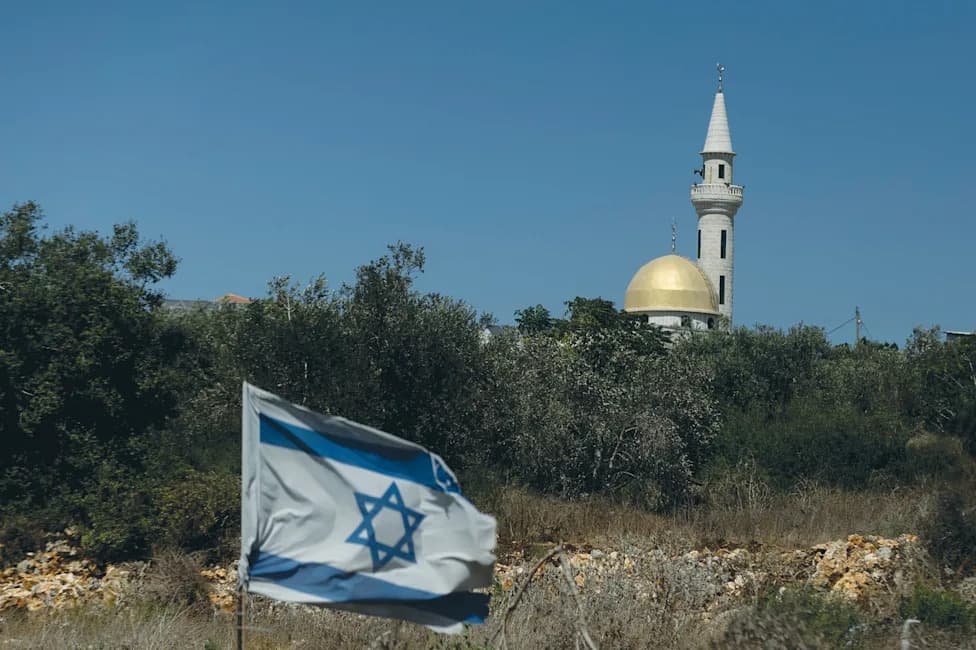
AN ISRAELI flag flies near the West Bank settlement of Karnei Shomron, with a mosque in the Palestinian village of Kafr Lakif in the background. B'Tselem's new report argues that Israel is making Jewish control of the West Bank increasingly irreversible, an allegation Israel and the IDF reject. (photo credit: Amir Levy/Getty Images)
B'Tselem, the Israeli human-rights organization, has released a sweeping report titled "The Elimination Project", concluding that Israeli policy in the West Bank systematically undermines Palestinian collective life. The 250-page report draws on more than 2,000 testimonies collected since October 2023 and decades of archival material to map what B'Tselem describes as a multi-faceted mechanism of control and dispossession.
Key Findings
B'Tselem organizes its findings across five domains: violence and intimidation; movement restrictions; economic strangulation; social and political destruction; and ethnic cleansing and territorial takeover. The organization argues that these intersecting policies and practices amount to an effort to dismantle the conditions for continued Palestinian existence in the West Bank and meet legal thresholds for accusations including apartheid, settler colonialism, and ethnic cleansing.
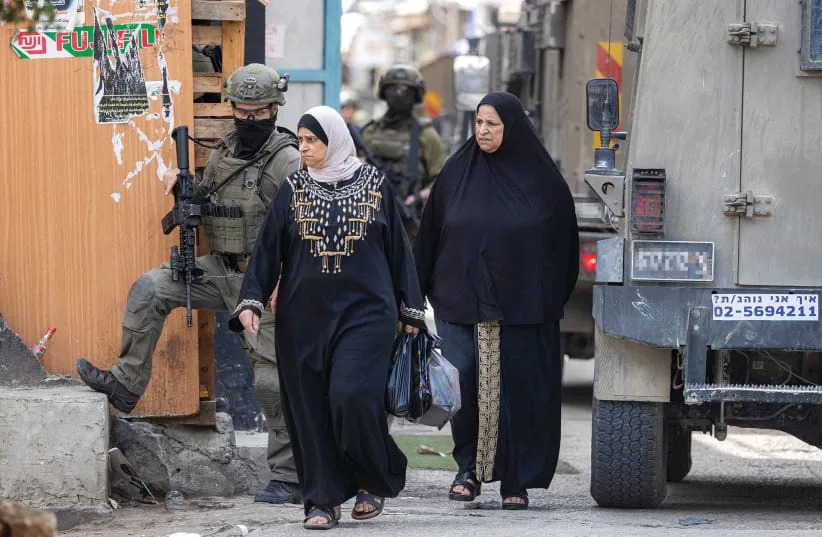
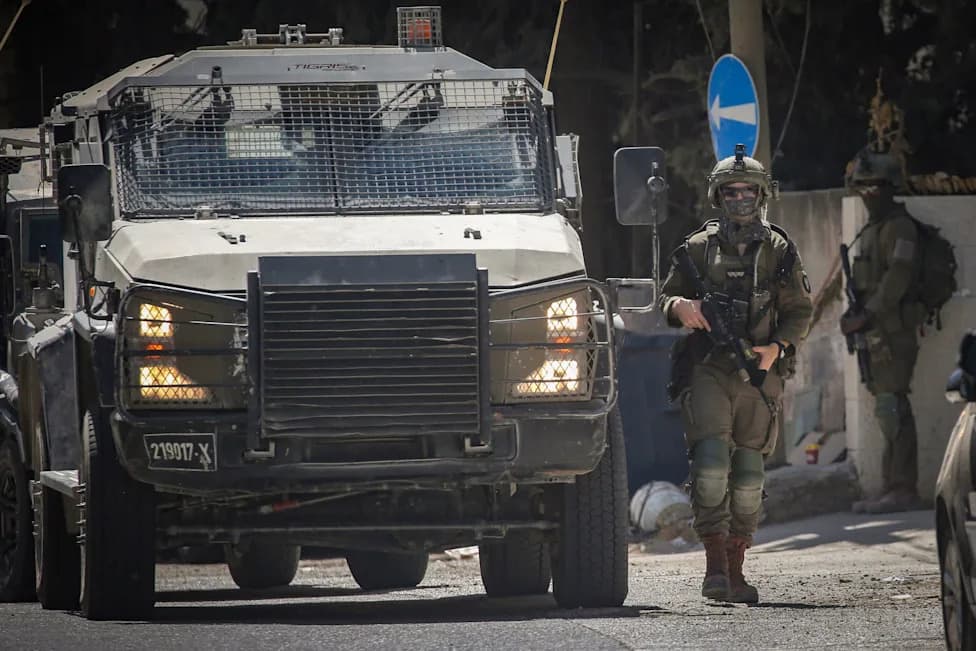
ACCORDING TO a new B'Tselem report, all military or security actions against Palestinians in the West Bank happen spontaneously, vindictively, and as part of the pattern of 'settler colonialism.' Here, Palestinian women walk past IDF soldiers and armored vehicles at the Balata camp, east of Nablus. (credit: JAAFAR ASHTIYEH/AFP via Getty Images)
Israeli Response
The Israel Defense Forces and Israeli officials have strongly rejected the report's core claims. The IDF told The Jerusalem Post that any suggestion the state or its armed forces are pursuing a policy "aimed at eliminating the Palestinians as a people is false, baseless, and blatantly disconnected from reality." Israeli authorities emphasize that many measures are framed and implemented as security responses to terrorism and threats against civilians.
Context, Criticisms And Balance
Critics of B'Tselem say the report downplays or under-weights the security context, including repeated Palestinian attacks, the role of armed groups, and legal and financial frameworks that influence Israeli decisions (for example, deductions from tax transfers tied to PA payments to prisoners). B'Tselem, by contrast, stresses victims' testimonies and argues that routine security justifications mask broader patterns of control.
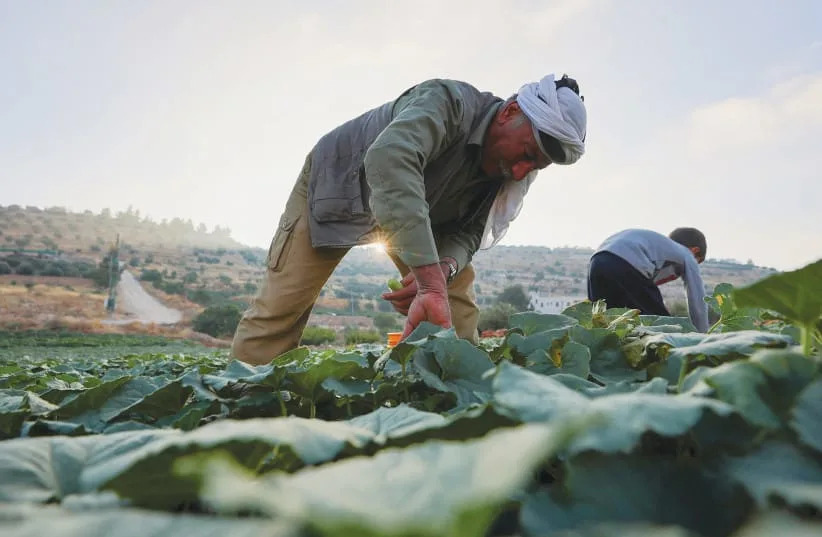
PALESTINIAN FARMER Khader Wazwaz harvests faqous cucumbers in Qalqas, south of Hebron, in June. B'Tselem argues Israeli policies are "strangling" the Palestinian economy, while Israel says restrictions since October 7 are also shaped by security concerns. (credit: Mosab Shawer/Middle East Images/AFP via Getty Images)
Notable Cases And Evidence
The report cites incidents and trends the authors say demonstrate impunity and policy failure. Examples discussed in public debate include the Force 100/Sde Teiman affair (a 2025 indictment that was later withdrawn after procedural issues surrounding a leaked video), and historical prosecutions such as the convictions of Elor Azaria (2016) and Ben Deri (2014) as evidence that some misconduct has been prosecuted. B'Tselem argues such prosecutions are exceptions compared with a broader pattern of inadequate accountability.
Operational Rules And Use Of Force
B'Tselem asserts that rules of engagement have been relaxed since October 2023, allowing more permissive use of force in both Gaza and parts of the West Bank. Israeli officials counter that operational directives have shifted repeatedly in response to evolving security threats—changes introduced in 2022 and adjusted in 2025 during operations related to the Jenin refugee camp—and that West Bank operations remain constrained by the presence of civilians.
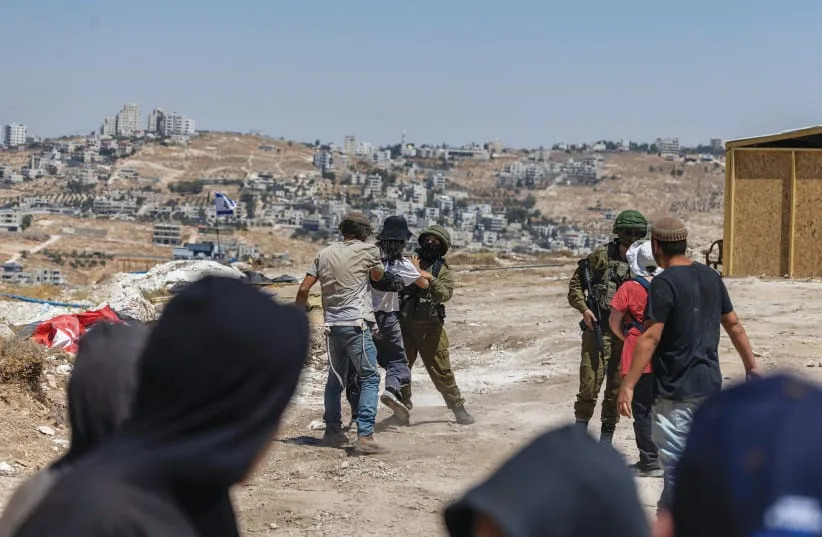
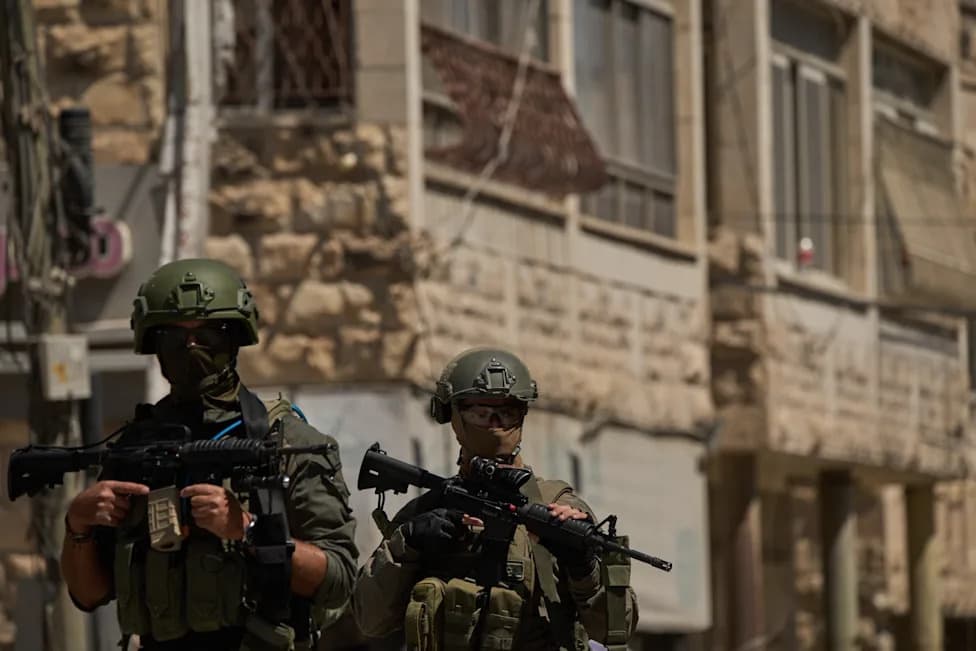
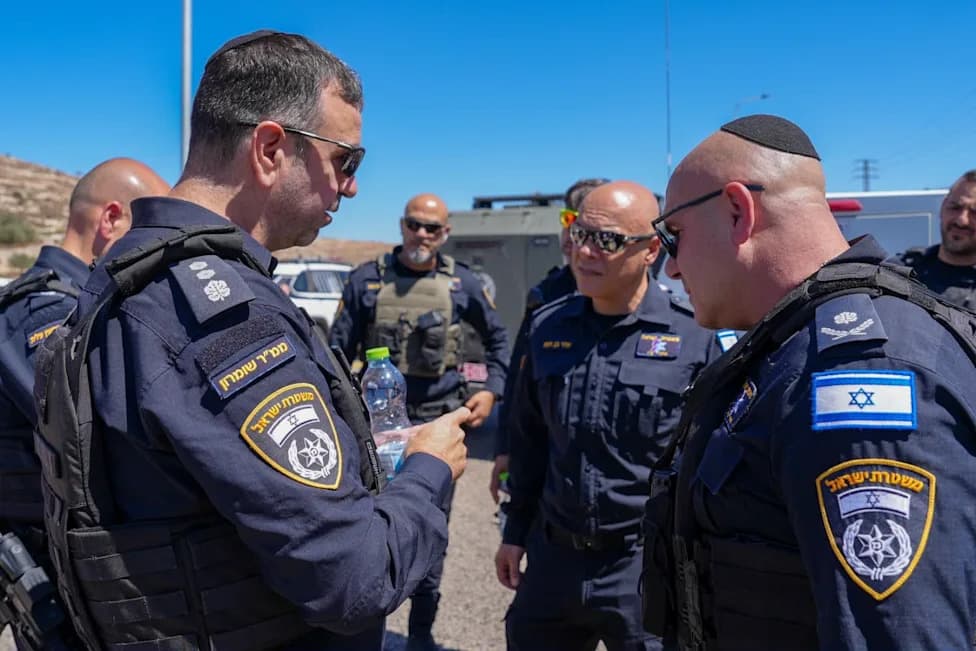
IDF SOLDIERS intervene during a confrontation involving settlers at an outpost near Jannatah, south of Bethlehem, on August 25. B'Tselem accuses Israeli forces of enabling settler violence, while the IDF says soldiers must stop such incidents and investigate failures. (credit: Ilia Yefimovich/AFP via Getty Images)
Economic And Civil-Society Claims
The report documents large-scale economic impacts, including the suspension or revocation of many Palestinian work permits and interruptions to Palestinian Authority transfers and banking ties. Israel argues many such measures followed the October 7, 2023 events and have security or legal rationales, though critics acknowledge these policies have severe humanitarian and economic consequences.
Data And Casualties
Drawing on its accounting, B'Tselem reports that between October 7, 2023 and June 30, 2026, 1,087 Palestinians were killed in the West Bank (including East Jerusalem), with 35 attributed to Israeli civilians and 15 to persons of unclear status; the rest were attributed to Israeli security forces. The organization also notes a sharp rise in the Israeli prison population: a State Comptroller report cited an increase from roughly 16,200 prewar prisoners to about 23,400 by early 2025, with security detainees rising above 10,000.
Settler Violence And Security Forces
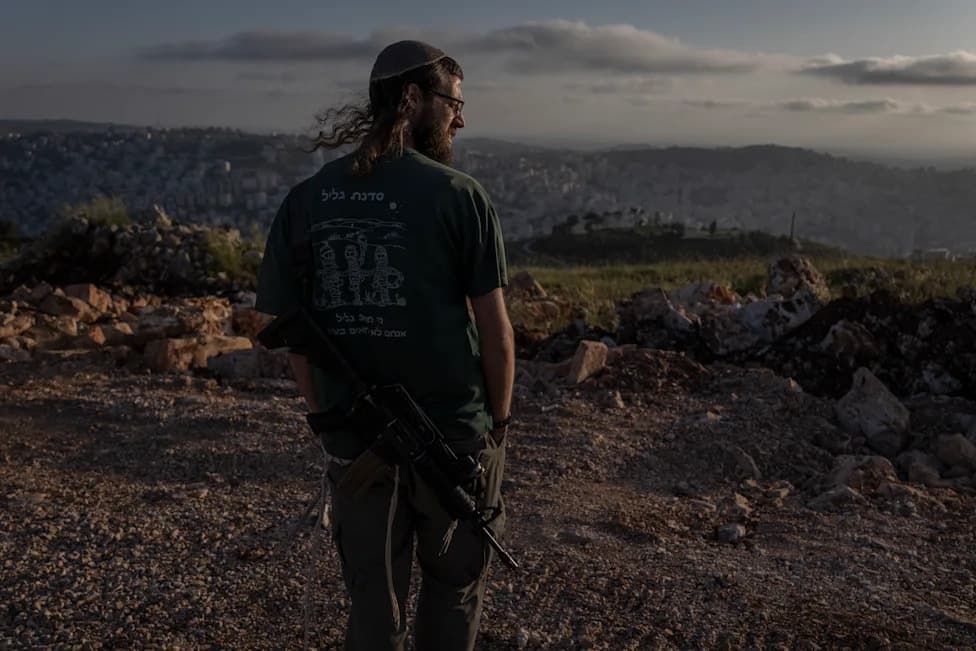
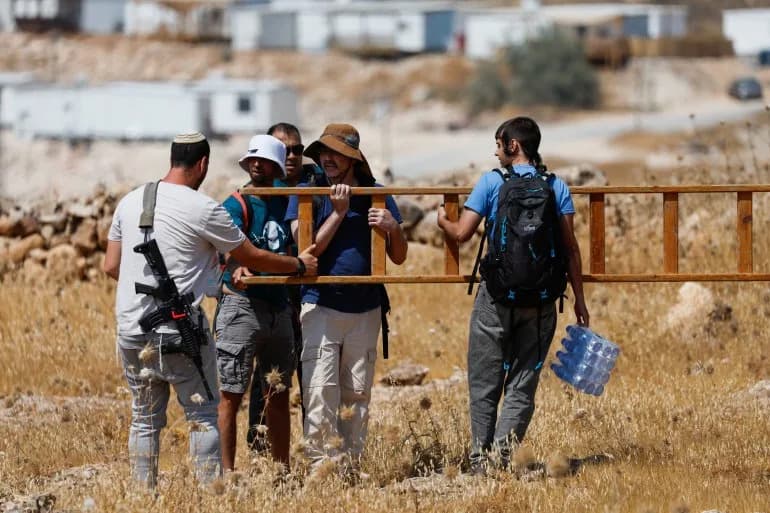
B'Tselem emphasizes settler attacks and alleges state mechanisms sometimes enable or fail to stop such violence. The IDF and other security bodies reject the claim that they support settler violence, noting operations to protect civilians and investigations when forces fail to act. Some senior defense officials have publicly criticized policing and prosecutorial gaps in addressing violent extremist Jews, arguing enforcement could improve under different political leadership.
Conclusion
The report presents a sustained, rights-based critique of Israeli policy in the West Bank that has prompted sharp rebuttals from Israeli authorities who stress security imperatives and legal complexity. Independent observers and policymakers face competing narratives: B'Tselem frames the evidence as part of a systemic project of elimination, while Israeli officials argue many measures are responses to ongoing security threats. The report has already influenced public debate and legal scrutiny and is likely to continue shaping international discussions about rights, accountability, and security in the West Bank.
IDF Statement: "Any claim that the State of Israel, including the IDF, is advancing a course of action aimed at eliminating the Palestinians as a people is false, baseless, and blatantly disconnected from reality."
Help us improve.