NAZA, an Israeli documentary about civilian deaths in the Gaza war, won a Special Jury Prize in Venice and provoked strong criticism from Israeli leaders who labeled it incitement and antisemitic. The film features anonymous testimony from 24 military personnel alleging AI-assisted targeting that risked civilian casualties; the IDF says humans make final strike decisions. Culture Minister Miki Zohar urged revoking the directors' citizenship, and military prosecutors have been asked to investigate possible leaks. The filmmakers and The Guardian defend the film and plan international distribution amid a heated debate over accountability and wartime reporting.
Venice Prize for 'NAZA' Sparks Political Firestorm in Israel Over Gaza Documentary

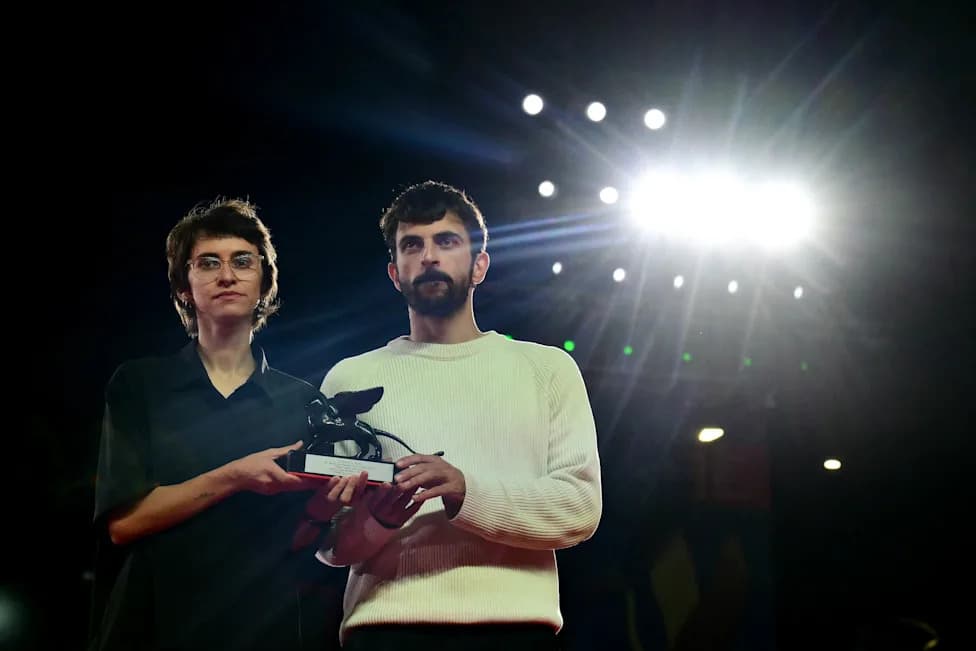
Directors Yuval Abraham, left, and Rachel Szor pose for photographers after accepting the special jury prize for the film 'Naza' during the closing ceremony of the 83rd edition of the Venice Film Festival in Venice, Italy, on Saturday, Sept. 12, 2026. (Photo by Scott A Garfitt/Invision/AP)(AP Photo/Scott A Garfitt)
An Israeli documentary about civilian deaths in the Gaza war, titled NAZA, provoked intense controversy at home after winning the Special Jury Prize at the Venice Film Festival. The film’s overseas recognition touched off a wave of denunciations from senior Israeli politicians and military leaders, who accused the filmmakers of incitement and questioned their motives and sources.
What the Film Shows
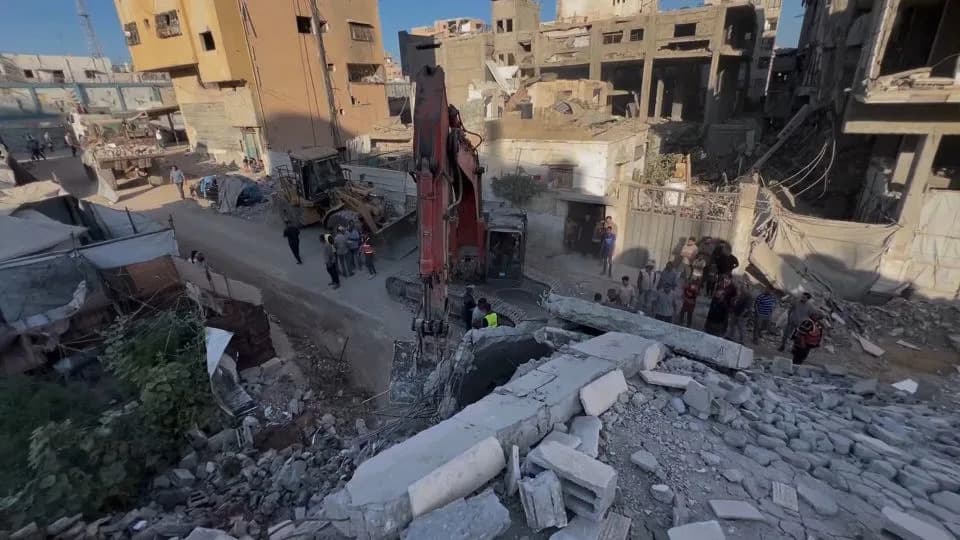
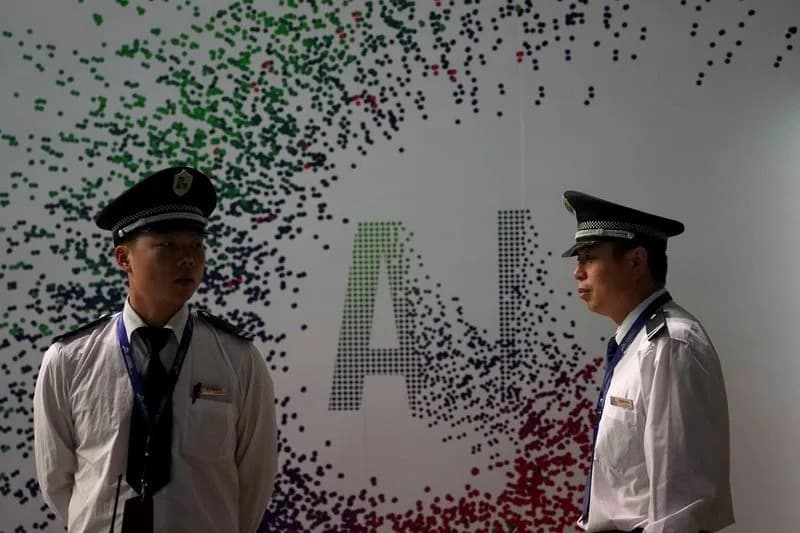
Shot covertly on Tel Aviv rooftops over three years, NAZA features on-camera testimony from 24 current and former Israeli military personnel—intelligence officers and soldiers—who describe the conduct of operations in Gaza. Participants in the film allege that Israel has used artificial intelligence tools to help identify targets in Gaza and that some strikes were carried out despite an expectation that significant civilian casualties would result.
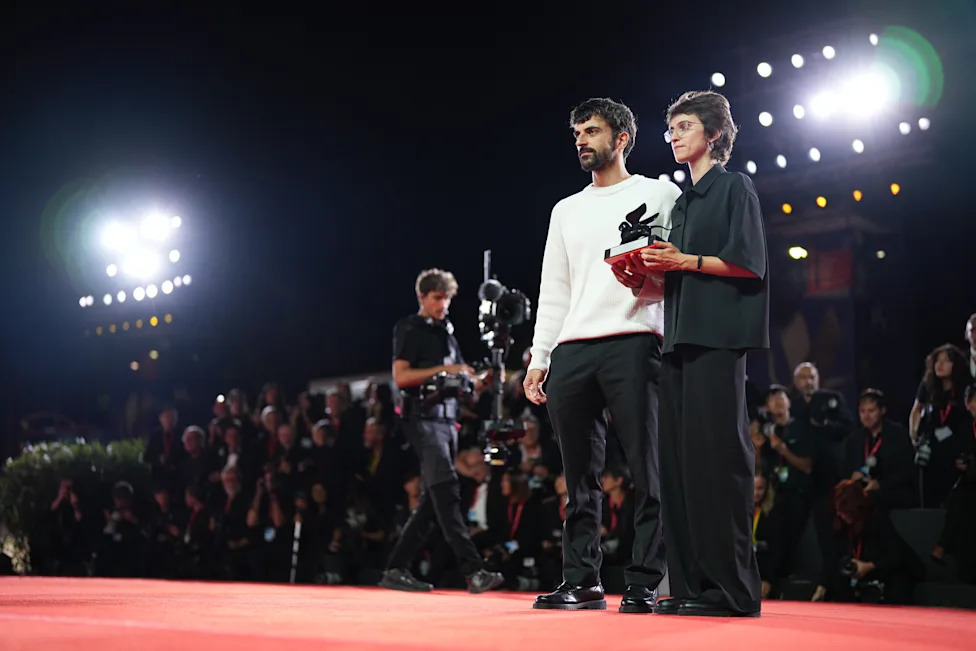
Directors Rachel Szor, left, and Yuval Abraham, winners of the special jury prize for the film 'Naza', pose for photographers at the awards photo call during the closing ceremony of the 83rd edition of the Venice Film Festival in Venice, Italy, on Saturday, Sept. 12, 2026. (Photo by Scott A Garfitt/Invision/AP)(AP Photo/Scott A Garfitt)
Official Response
Israeli leaders sharply rejected the film’s claims. Prime Minister Benjamin Netanyahu called the documentary an instance of incitement and antisemitism, while Culture Minister Miki Zohar urged that co-directors Yuval Abraham and Rachel Szor be stripped of Israeli citizenship. Lt. Gen. Eyal Zamir, chief of the general staff, asked military prosecutors to investigate whether classified material was leaked to the filmmakers.
"We are fighting global antisemitic incitement. When it comes from within us, it's simply unbearable," Prime Minister Benjamin Netanyahu said.
"This is a dangerous attempt to deny us the legitimacy to defend ourselves against the worst of our enemies," Lt. Gen. Eyal Zamir said as he called for a probe into possible leaks.
The Israeli Defense Forces (IDF) has acknowledged using AI tools to assist in identifying potential targets but emphasized that a human operator makes the final decision before any strike is carried out. Many senior officials criticized the film's narrative as lacking necessary context, and several said they had not yet viewed the documentary before condemning it.
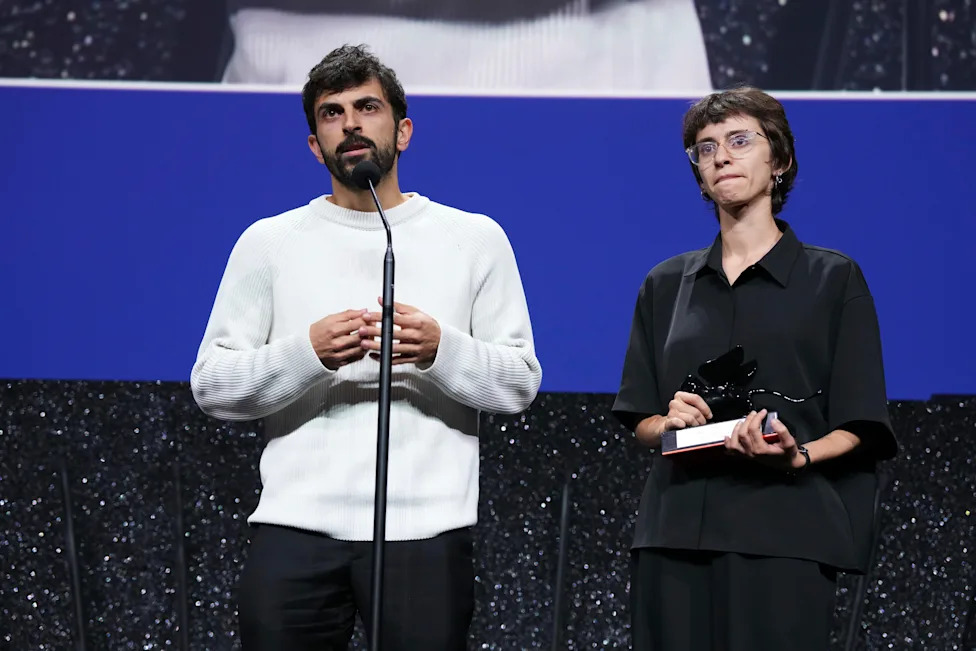
Yuval Abraham, left, and Rachel Szor accept the special jury prize for the film 'Naza' during the closing ceremony of the 83rd edition of the Venice Film Festival in Venice, Italy, on Saturday, Sept. 12, 2026. (Photo by Scott A Garfitt/Invision/AP)(AP Photo/Scott A Garfitt)
Filmmakers' Defense And Production Background
Co-directed by Yuval Abraham and Rachel Szor and co-produced by The Guardian and Jonathan Glazer, NAZA follows the filmmakers' previous, award-winning work. The Guardian issued a statement defending the film, saying: "The testimonies it contains are true and we believe they deserve to be heard. The interviews were given by confidential journalistic sources."
In an interview on Israel’s Channel 13, Abraham said the backlash underscored why many contributors insisted on anonymity and defended the filmmakers' verification processes. He also questioned the extent of domestic reporting into civilian deaths and rules of engagement during the war.
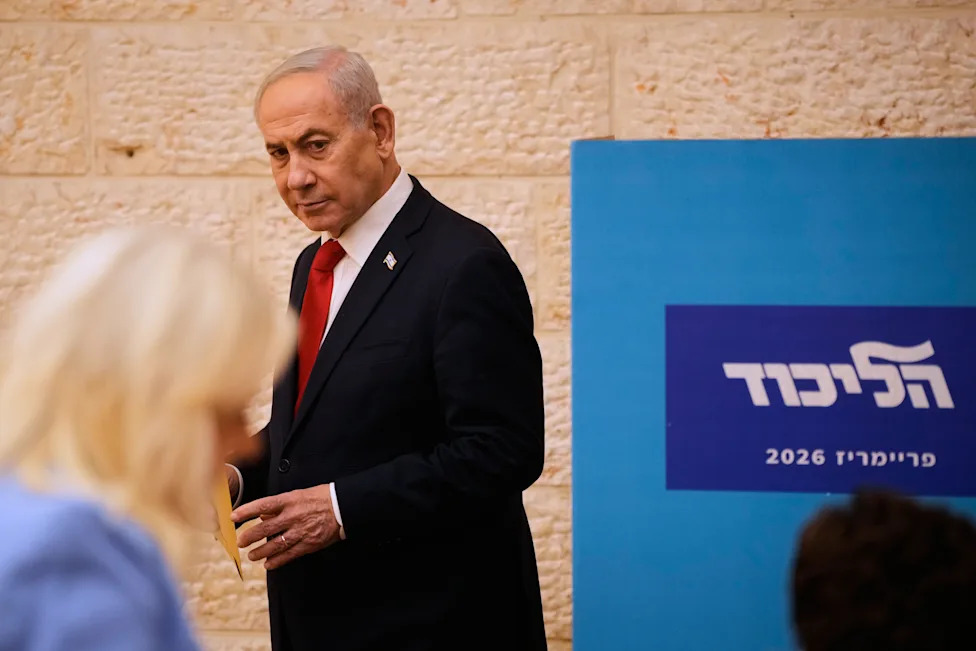
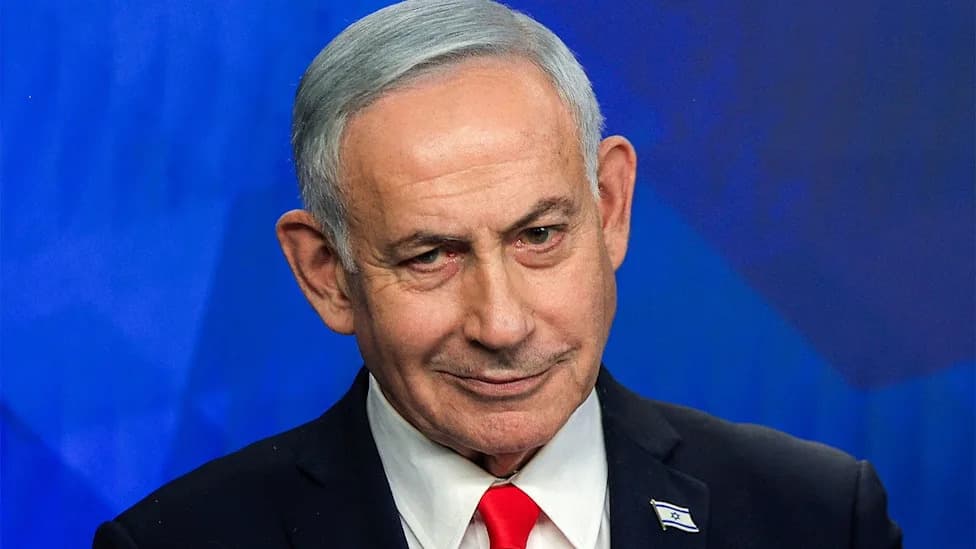
Israeli Prime Minister Benjamin Netanyahu, casts his ballot in his Likud party primary elections ahead of Israel's general election in October, in Jerusalem, Monday, Aug. 17, 2026. (AP Photo/Ohad Zwigenberg, Pool)(AP Photo/Ohad Zwigenberg)
Context And Wider Debate
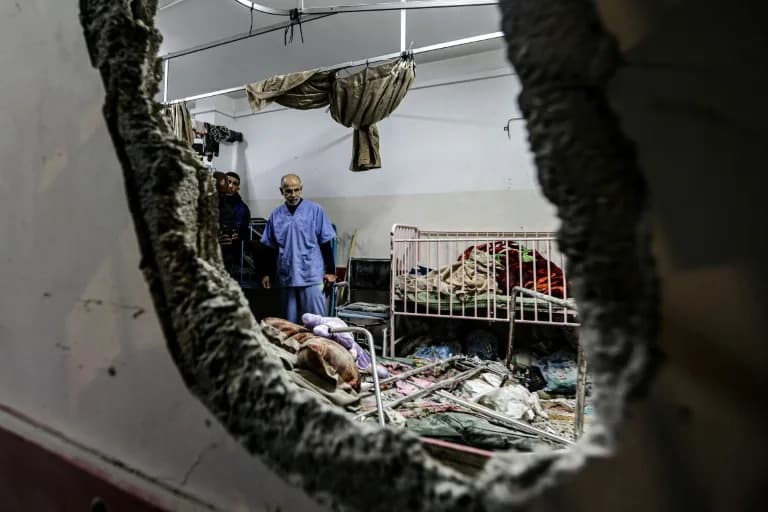
The reaction reflects a deep divide between domestic Israeli perspectives—where many view the campaign as self-defense after the Oct. 7, 2023 Hamas-led attack that killed about 1,200 people and took 251 hostages—and international scrutiny that has repeatedly condemned the scale of devastation in Gaza. The Gaza Health Ministry reports at least 73,789 Palestinians killed during nearly three years of fighting; that office does not distinguish between civilians and combatants.
The documentary has not yet been widely released; the filmmakers say they plan to seek distribution in Israel, Europe and the United States. The controversy raises questions about accountability, the role of journalists and filmmakers in wartime, and how democracies balance national security with public scrutiny.
Note: All statements and figures are presented as reported by the sources cited in the original reporting; some claims remain contested by Israeli officials.
Help us improve.