"NAZA," an 80-minute documentary by Yuval Abraham and Rachel Szor, examines how Israeli aerial strikes in Gaza are planned and how estimated civilian "collateral damage" is calculated. The film features 24 anonymous interviews with people described as Israeli intelligence personnel and alleges that some strike approvals accepted high civilian tolls and referenced AI-assisted targeting; the Israeli army rejects those claims. The documentary won a Special Jury Prize in Venice, drew a lengthy standing ovation, and has prompted fierce political debate and calls for legal and official scrutiny.
“NAZA” Documentary: Military Insiders Allege How Israeli Airstrikes Calculated — Film Sparks Praise and Outrage
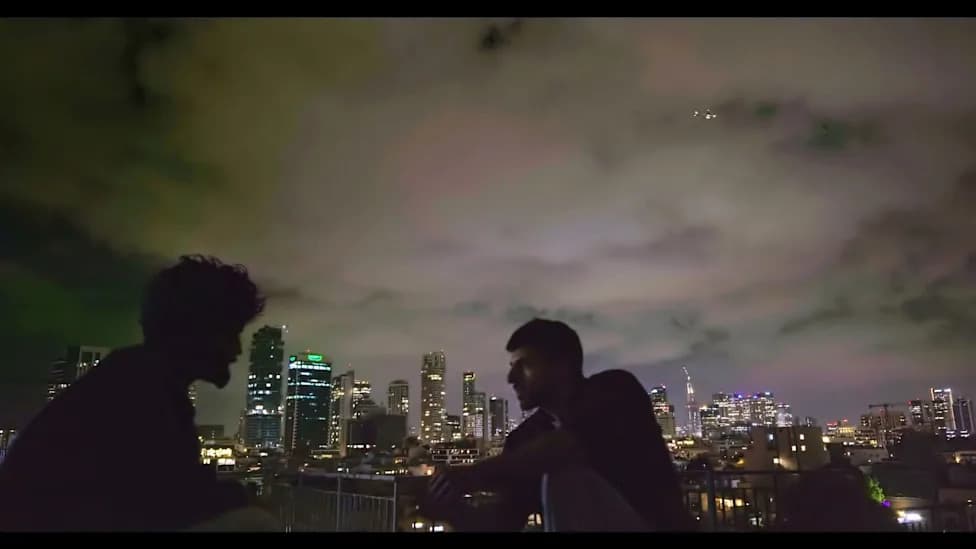
"NAZA" is being released in cinemas after the Gaza documentary and its anonymous witness accounts from within the Israeli military prompted lengthy applause at Venice - and threats of revoked citizenship from Israel. The Guardian/dpa
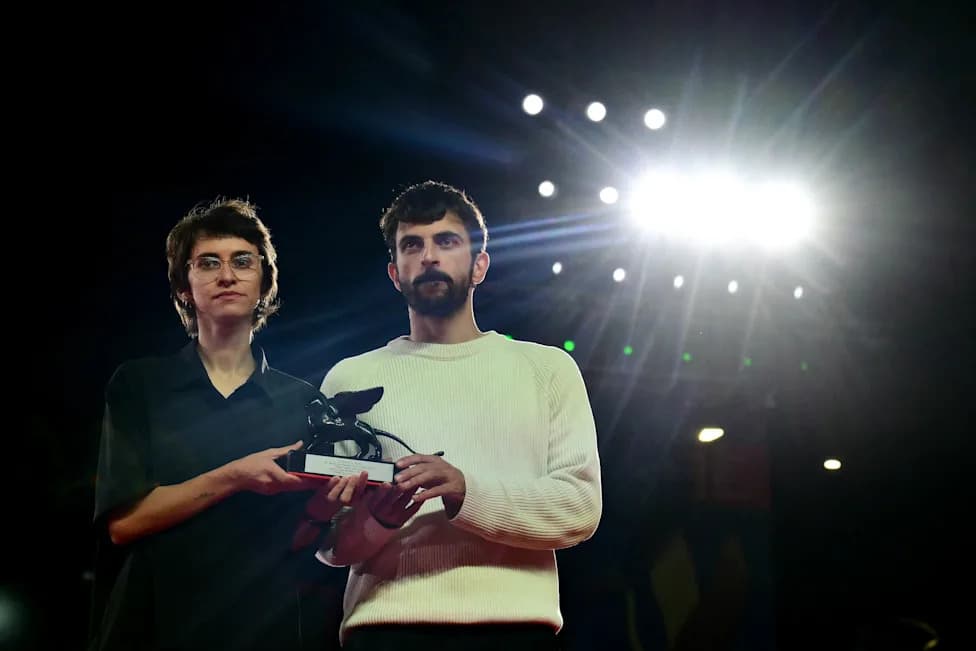
Celebrated at the Venice Film Festival yet sharply criticized by Israeli officials, the documentary "NAZA" — directed by Yuval Abraham and Rachel Szor — examines how aerial strikes in Gaza are planned and how estimated civilian harm is calculated. The 80-minute film, which won the Special Jury Prize in Venice, will receive a cinematic release in the US and Europe in late September and early October and will be made available to stream free of charge from November.
What the Film Shows
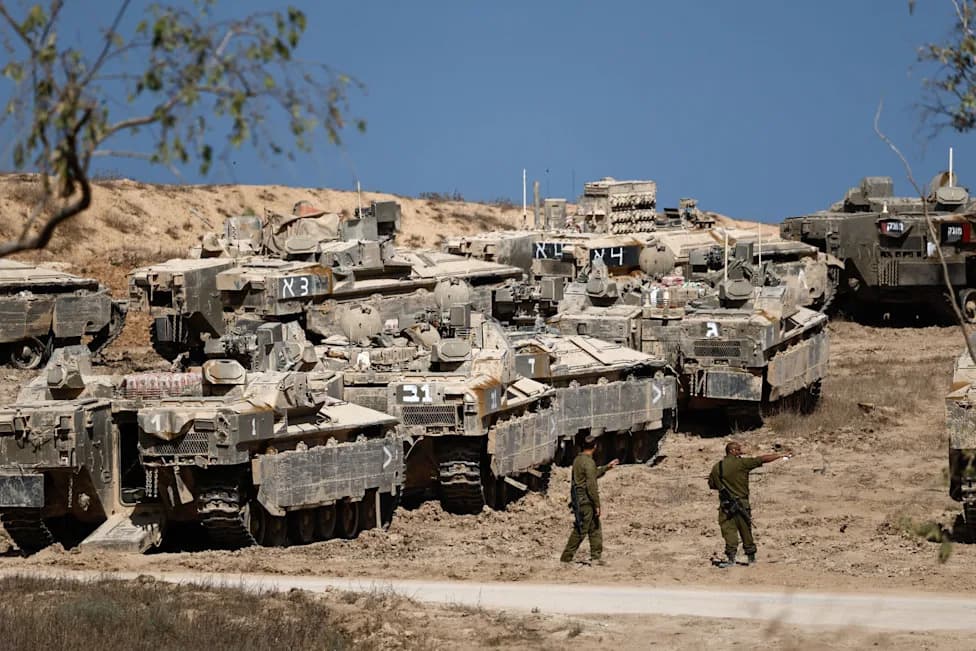
"NAZA" focuses on one element of the nearly three-year Gaza conflict: the system Israeli forces reportedly use to assess and authorize airstrikes. The title comes from the Hebrew phrase "Nezek Agavi," often translated as "collateral damage." The filmmakers present 24 anonymous interviews with people identified as current or former Israeli intelligence personnel, filmed at night on Tel Aviv rooftops with blurred faces and altered voices to protect sources.
Interviewees describe how targets are selected and how predicted civilian casualties factor into decisions. Some witnesses allege that operators could "click on a house" to see projected casualties and that, in at least one instance, authorization was given that would foreseeably kill hundreds to eliminate a single target. Several testimonies also refer to the alleged use of artificial intelligence in targeting and strike assessment.
“There was approval once to kill 500 for one human target,” one witness in the film says.
Responses and Context
The Israeli army issued a public rebuttal before the Venice award ceremony. Military officials challenged the credibility of the anonymous witnesses, said some claims involved decisions beyond the authority of lower-ranking personnel, and criticized the filmmakers for not providing advance access to allow an official response. Army spokespeople also stated that strike decisions, including cancellation when civilian harm would be disproportionate to the military advantage, are made by humans and that the use of artificial intelligence does not replace human authorization.
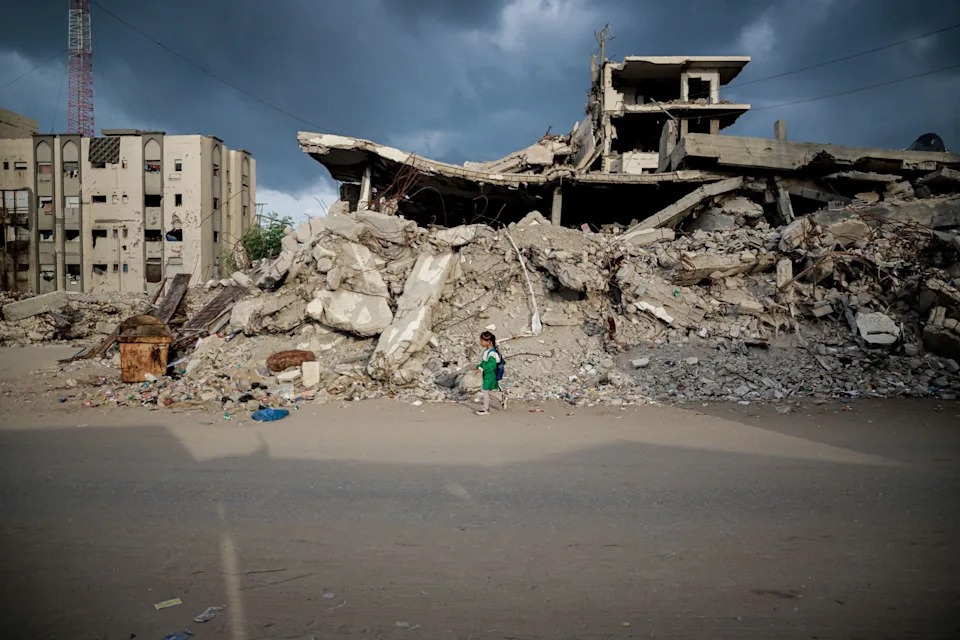
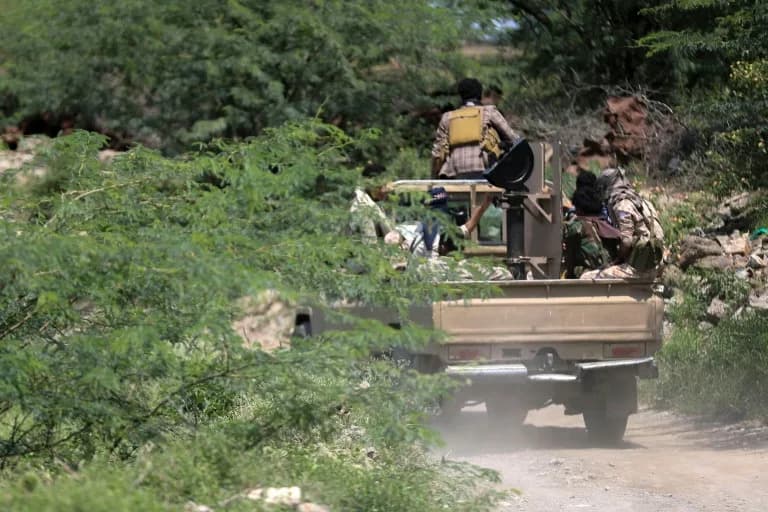
Gaza Cizy in September. One witness in "NAZA" recounts that in some Israeli airstrikes, 20, 30 or 300 Palestinians were killed. "There was approval once to kill 500 for one human target," the man says. Mohammed M Skaik/JNA via ZUMA Press Wire/dpa
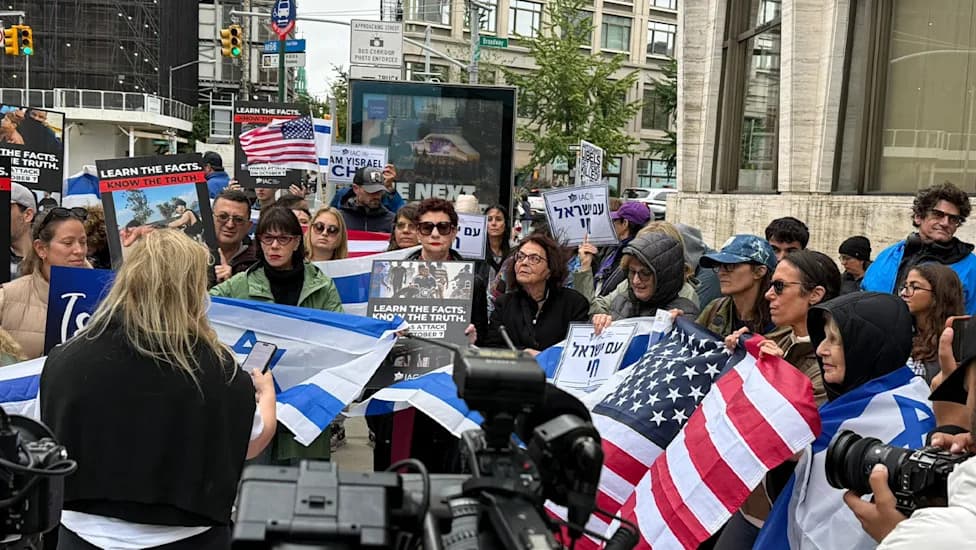
Political reactions inside Israel were sharp. Culture Minister Miki Zohar called the film treasonous and urged revocation of the directors' citizenship, while Prime Minister Benjamin Netanyahu announced plans for legislation aimed at people who he said defame Israeli soldiers or the state abroad. By contrast, the human rights organization B'Tselem defended the filmmakers and condemned threats against them and their sources.
Reporting, Reactions and Limits of Verification
The British newspaper The Guardian co-produced the film and had previously published investigative reporting related to its claims. Independent verification of individual allegations presented in the film is limited: the movie relies on anonymous testimony and footage that cannot, on its own, definitively establish whether specific strikes violated law or doctrine. Casualty figures cited publicly are contested — the Hamas-run Gaza health authority reports roughly 74,000 Palestinians killed during the conflict to date (it does not separate civilians and combatants), UNICEF has cited UN figures for tens of thousands of children killed or injured, and Israeli military officials report more than 24,000 combatants killed in Gaza as of mid-September. No fully independent, comprehensive breakdown is publicly available.
Public Reaction
The Venice screening reportedly drew a 25-minute standing ovation; attendees described some of the longest applause in the festival’s history. The reception provoked mixed responses: former Israeli hostage Omer Shem Tov wrote that the applause felt like "a hail of knives," saying he felt overlooked despite his suffering in captivity. In Arab social media and regional outlets, many praised the filmmakers' courage, while some commentators argued that Western audiences tend to react more strongly to testimonies from Israeli witnesses than to longstanding Palestinian testimony.
Where To Watch
"NAZA" will have theatrical runs in the United States and Europe in late September and early October, with a free online release scheduled for November.
Note: The film presents contested allegations based on anonymous testimony. Viewers and readers should consider the film’s claims alongside official statements, independent reporting, and the broader, heavily politicized context of casualty reporting in the conflict.
Help us improve.