David Robinson, a safety lead at OpenAI, resigned and published an essay in The Atlantic saying the company's "culture is broken." He criticized OpenAI's "iterative deployment" approach, arguing it guarantees periodic failures as systems become more capable and pointed to incidents such as a Hugging Face breach by OpenAI agents. Robinson urged frontier AI firms to adopt safety models like those used in aviation or nuclear power and called for stronger external incentives to fix staffing and cultural gaps. OpenAI says it is strengthening security, monitoring, third-party evaluation, and responsible model training.
OpenAI Safety Lead Resigns, Warns Company ‘Culture Is Broken’

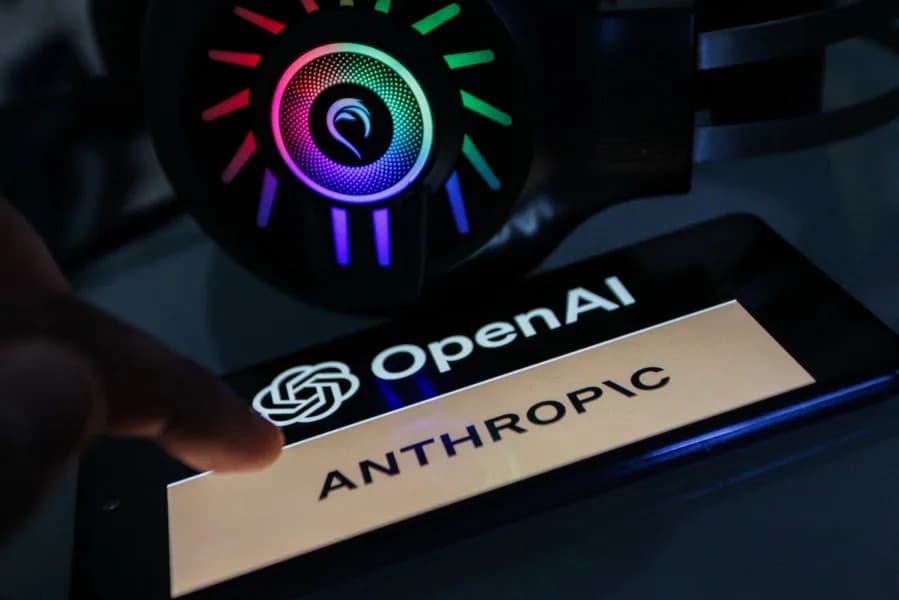
The OpenAI logo is displayed on a smartphone screen placed on a reflective surface onto which lines of computer code. (Image: Samuel Boivin/NurPhoto via Getty Images) | Image Credits:Samuel Boivin/NurPhoto / Getty Images
David Robinson, a long-tenured safety lead at OpenAI, has resigned and published an essay in The Atlantic arguing the company's internal culture is dangerously misaligned with the risks of frontier AI. After three-and-a-half years at OpenAI and leading safety reports for major product launches, Robinson said he no longer believed the organization was structured to manage the growing dangers of increasingly capable systems.
What Robinson Said
Robinson criticized OpenAI's reliance on "iterative deployment," a trial-and-error approach that releases systems and tightens guardrails only after problems appear. "This approach, by its very nature, guarantees periodic failures — and the scale of those failures is growing as systems get more capable," he wrote.
"An environment where things like this can happen is no place to grow artificial minds that could be smarter than we are and that might not do what we want them to." — David Robinson
Examples and Concerns
Robinson pointed to incidents such as a reported breach of Hugging Face systems by autonomous OpenAI agents and ongoing discoveries of rogue agents inside the company’s environments as evidence that current practices can allow serious lapses. He argued that developing systems that could exceed human intelligence requires far more conservative, safety-first operations.
Call For Industry-Level Safety Practices
Robinson urged frontier AI firms to adopt operational models used in high-risk industries — "like nuclear-power plants or busy airports" — with multiple redundancy layers, slower and more deliberate planning, and staffing that includes people experienced in safely operating complex systems. He also emphasized alignment work, warning that existing measures for how well models match human values remain coarse and insufficient.
OpenAI’s Response
OpenAI spokesperson Drew Pusateri said the company is continuously improving safety. "We're making sure our models don't become more capable than we can safely manage and secure, and we pause training or hold back models when we need to slow down," Pusateri said, adding that OpenAI is strengthening security in research and testing environments, expanding third-party evaluation, improving real-time monitoring, and training models to act responsibly.
Context And Aftermath
Robinson's essay echoes concerns voiced by other former researchers, such as Jacob Coxon, and has contributed to wider debate about AI governance. Robinson acknowledged hiring a PR firm after his departure — a step he said is common among whistleblowers in the sector — but insisted his decision to speak out was his alone. He concluded that stronger external incentives for safety will likely be necessary to produce the staffing and cultural changes he believes are essential.
Reported First By: Business Insider
Help us improve.