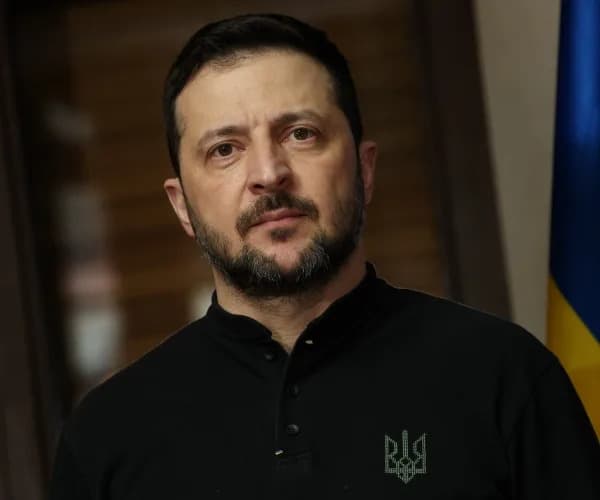
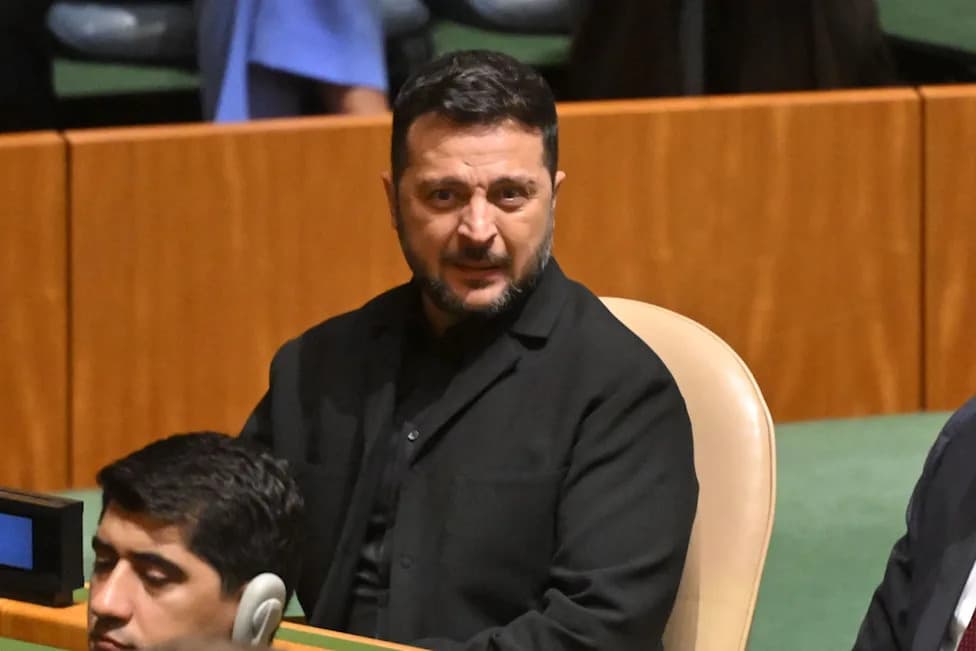
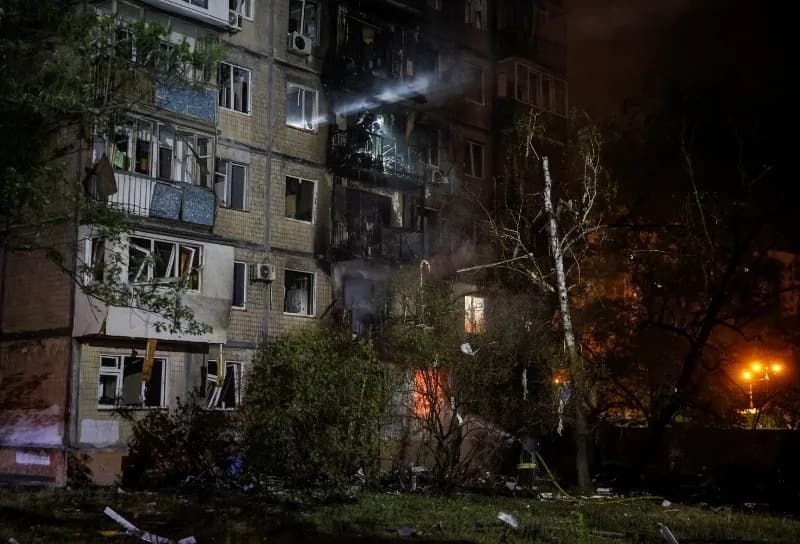
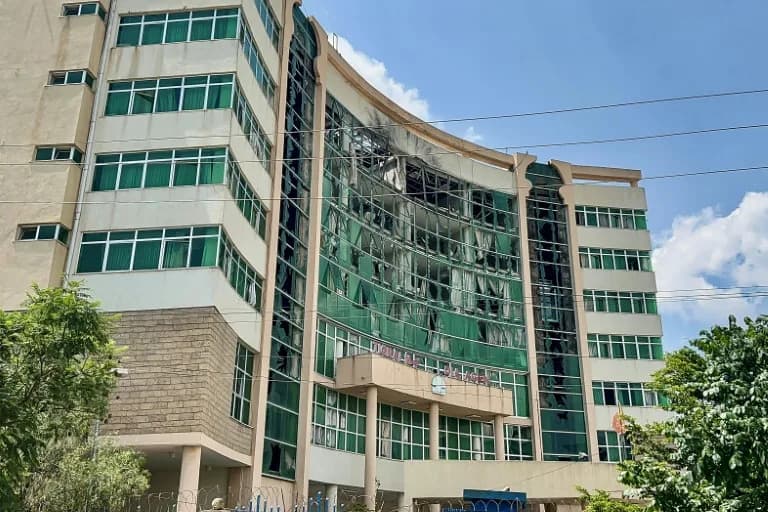
Ukrainian President Volodymyr Zelensky said Kyiv will intensify strikes on Russian oil refineries in response to an alleged Russian winter campaign targeting civilian infrastructure. He insisted Ukraine will avoid indiscriminate attacks on civilians while targeting facilities that help finance Russia's war. The announcement comes amid a global diesel shortage and a G7 release of 100 million barrels intended to ease tight supplies. Zelensky also said Ukraine's "Vivaldi" counteroffensive has reclaimed roughly 140 sq km and that new air-defence capabilities are expected soon.
Zelensky Vows Escalation: Ukraine to Step Up Strikes on Russian Refineries Despite Trump’s Plea
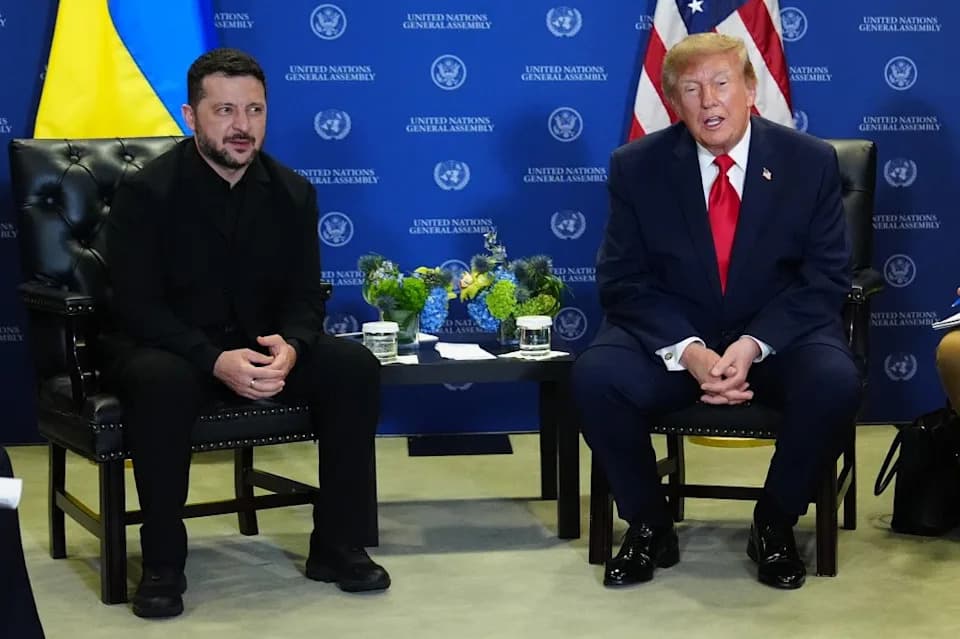
President Donald Trump meets with Ukraine's President Volodymyr Zelenskyy during the United Nations General Assembly on September 22 at the UN headquarters. (AP Photo/Julia Demaree Nikhinson)
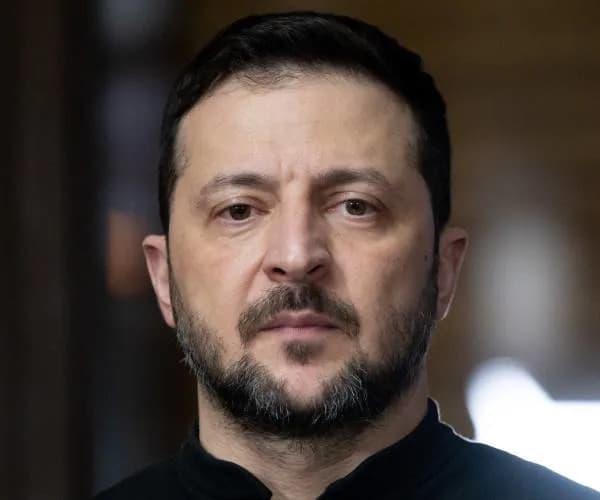
Ukrainian President Volodymyr Zelensky told Reuters on Saturday that Kyiv will intensify strikes on Russian oil refineries, arguing attacks on Moscow's energy sector are a justified response to what he described as a renewed Russian campaign targeting Ukrainian cities and civilian infrastructure.
Intelligence, Strategy and Response
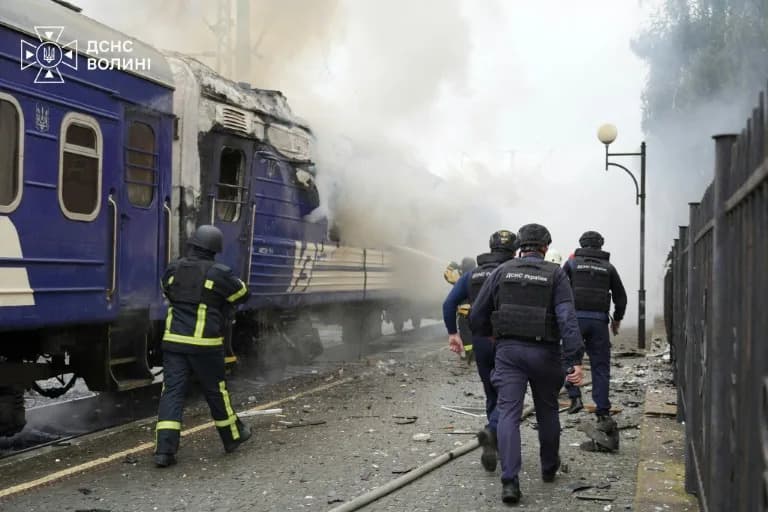
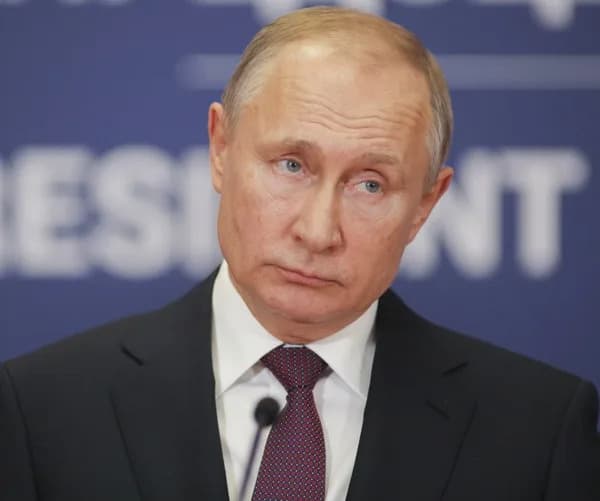
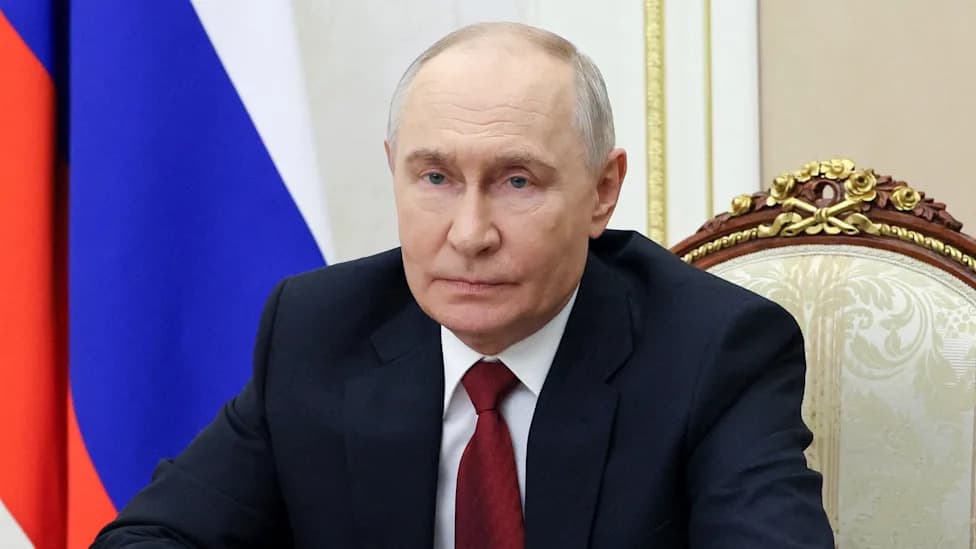
Zelensky said Ukrainian intelligence had obtained documents indicating Russian President Vladimir Putin approved a broader winter strategy aimed at pressuring civilians by striking roads, schools, hospitals and other infrastructure. "We have to respond in any way we can," he said. "With their attacks on our energy, we have to respond on their energy. First of all, oil refiners: what gives money to them for this war."
"We will not respond, of course, just like them, on any civilian objects," Zelensky added, emphasizing that Kyiv aims to target facilities that sustain and finance Russia's military campaign rather than indiscriminately striking civilian sites.
Diplomacy, Ceasefire Proposals and U.S. Concerns
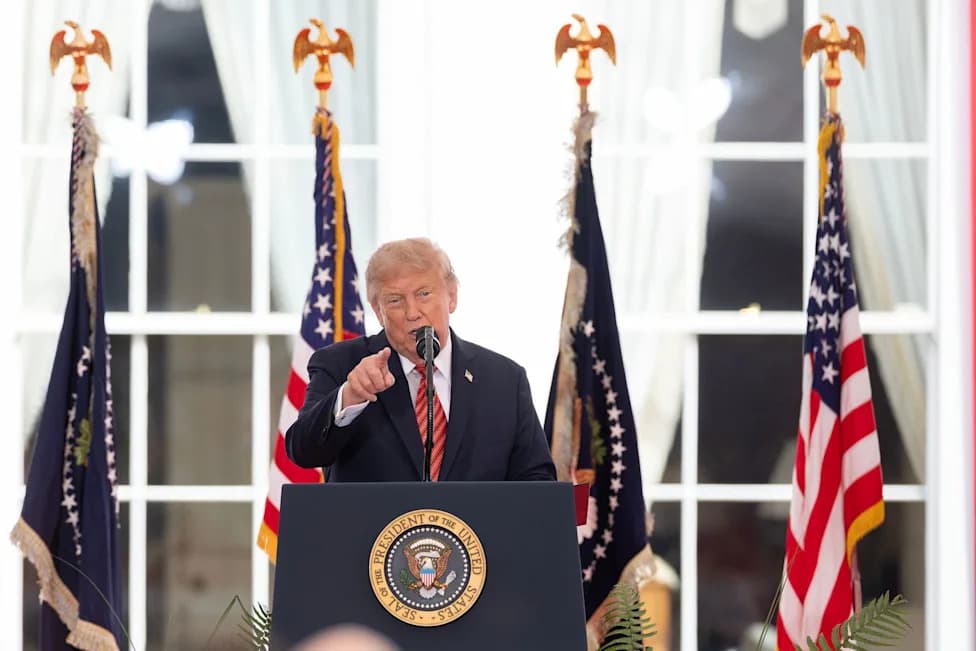
The comments come after U.S. President Donald Trump publicly urged Ukraine to stop targeting Russian diesel supplies, warning refinery disruptions were contributing to global fuel shortages and higher prices. Trump also asserted — without providing details — that Ukraine and Russia had agreed not to attack each other's energy infrastructure.
Following Trump's remarks, Zelensky said Kyiv would support a U.S.-backed proposal to pause attacks on critical infrastructure if Moscow reciprocated by halting strikes on civilians and civilian facilities. On Saturday, however, he said he had seen no evidence that Russia was willing to include energy infrastructure in a ceasefire or enter broader peace talks.
Wider Context: Fuel Markets and Military Operations
The dispute comes amid a global diesel squeeze. Ukraine has expanded long-range drone attacks on Russian oil and gas facilities, saying the energy sector helps finance Moscow’s war. Those strikes have damaged refineries and disrupted fuel production in several Russian regions.
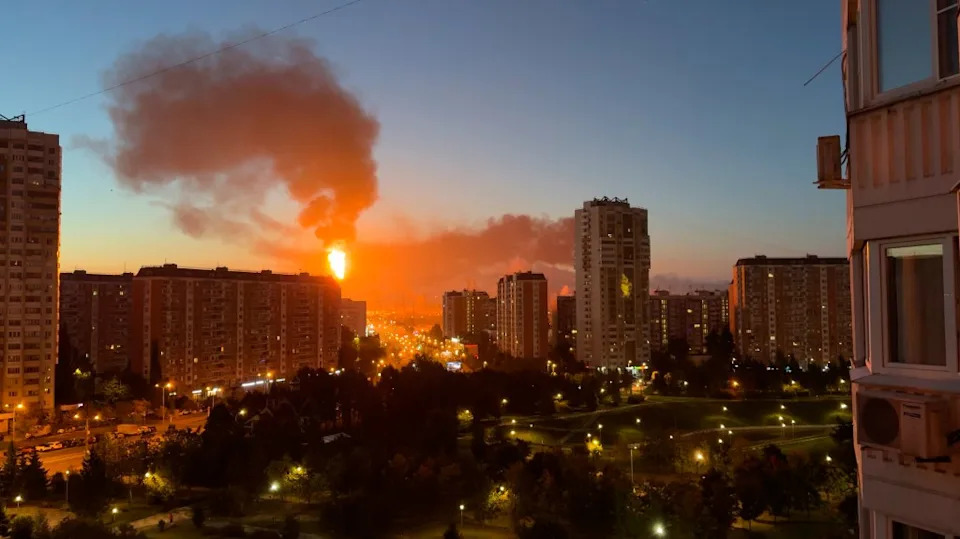
Flame and smoke is seen rising from Moscow's oil refinery in the southeast of the city following a large-scale Ukrainian drone attack on September 20. (UGC via AP)
Last month, AAA reported average U.S. diesel prices above $6 a gallon; experts say a mix of refinery outages, export restrictions and geopolitical tensions — including tensions in the Middle East — have contributed to tight supplies. On Friday, G7 nations announced a coordinated release of 100 million barrels of oil and fuel products to ease short-term market pressure, though energy analysts warn such releases may offer only temporary relief if refining capacity remains offline.
Battlefield Developments and Outlook
Zelensky also discussed military developments: Ukraine's counteroffensive in eastern Ukraine, code-named "Vivaldi," has reportedly recaptured roughly 140 square kilometers of territory. He said he would be willing to meet President Putin at the G20 summit in Miami but warned against normalizing relations with Moscow before a negotiated settlement is reached.
Both sides are preparing for a difficult winter. Ukrainian officials say Russia has stockpiled ballistic missiles and increased the use of jet-powered Shahed drones against critical infrastructure. Zelensky acknowledged ammunition shortages for some air-defence systems but said new defensive capabilities are expected in the coming weeks.
Bottom line: Zelensky signaled Kyiv's strategy will remain focused on hitting energy facilities that support Russia's war effort despite international concerns about global fuel supplies and diplomatic implications.
Reporting credits: Interview with Reuters; background reporting on market responses and G7 action.
Help us improve.