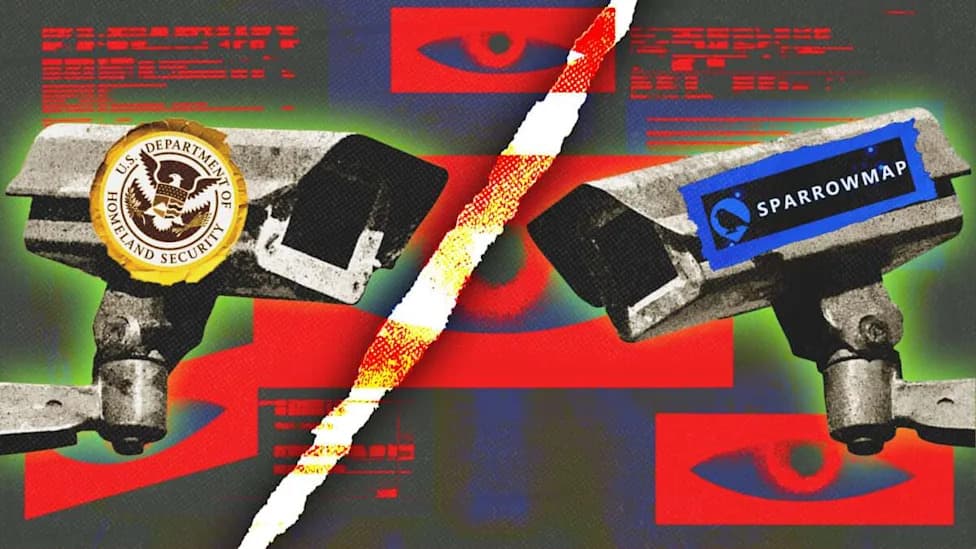
Unsealed, partially redacted court filings allege DHS and ICE compiled dossiers on people who observed or protested ICE operations, storing photos and license-plate numbers in Palantir’s Investigative Case Management system. The claims are part of a class-action suit stemming from a January operation in Maine. Plaintiffs say agents tracked and intimidated observers—sometimes driving past homes and applying labels that could chill First Amendment activity. DHS calls the lawsuit "meritless" and denies a database that designates people as domestic terrorists.
Unsealed Filing: ICE Allegedly Used Palantir Database to Compile Dossiers on Protesters

Ryan Murphy/Getty Images
Unsealed court filings allege that agents from the Department of Homeland Security (DHS) and Immigration and Customs Enforcement (ICE) compiled files on people who observed or protested ICE operations, storing photos, license-plate numbers and other identifying details in Palantir’s Investigative Case Management (ICM) system.
What the Filing Says
The claims appear in a partially unsealed, redacted court filing tied to a January ICE operation in Maine that is now part of a class-action lawsuit. Reporting in Wired says the court material suggests DHS components used Palantir’s ICM platform to organize information about individuals who monitored or protested ICE actions.
Allegations of Tracking and Intimidation
Plaintiffs’ lawyers say the files were used to track and, at times, intimidate observers and protesters. Alleged tactics include agents driving past individuals’ homes and assigning labels such as "Threat to Law Enforcement, Professional Protestor." In one reported incident, an agent allegedly called a plaintiff and warned her to tell her spouse "not to do anything like that in the future because people who are doing things like that might get added to a domestic terrorism watchlist."
"Not to do anything like that in the future because people who are doing things like that might get added to a domestic terrorism watchlist."
Legal and Civic Concerns
Attorneys for the plaintiffs argue the alleged record-keeping and conduct create a chilling effect on First Amendment activity, including legally protected observation and protest. Civil-rights advocates warn that coordinated tracking of civic engagement by government components raises serious privacy and free-speech questions.
DHS Response
A DHS spokesperson told Wired the lawsuit is "meritless" and denied that a database labeling and tracking people as "domestic terrorists" exists. The department disputes the allegations; the lawsuit and the partially unsealed documents are central to the parties' competing accounts.
What Happens Next
The case remains in litigation. The redacted filing made public this week has prompted more scrutiny of how government agencies use commercial investigative platforms and what safeguards, if any, exist for monitoring constitutionally protected civic activity.
Help us improve.