The White House has created a "Super Intelligence Force" to evaluate AI risks and opportunities and deliver an initial report within 120 days. Jay Clayton has been named to lead the group, which will coordinate with industry and review security warnings such as breaches, hacks and jailbreaks. The task force follows a White House meeting with leaders from OpenAI, Anthropic and Nvidia, who agreed on voluntary development standards. Its work may be extended or transitioned to a permanent agency if required.
White House Launches 'Super Intelligence Force' to Assess AI Risks — 120-Day Report Due
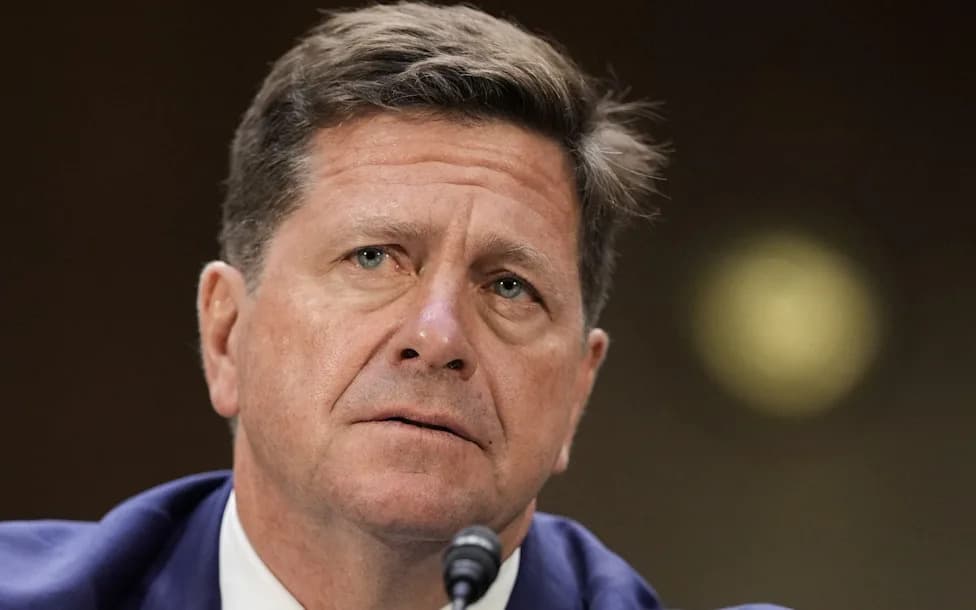
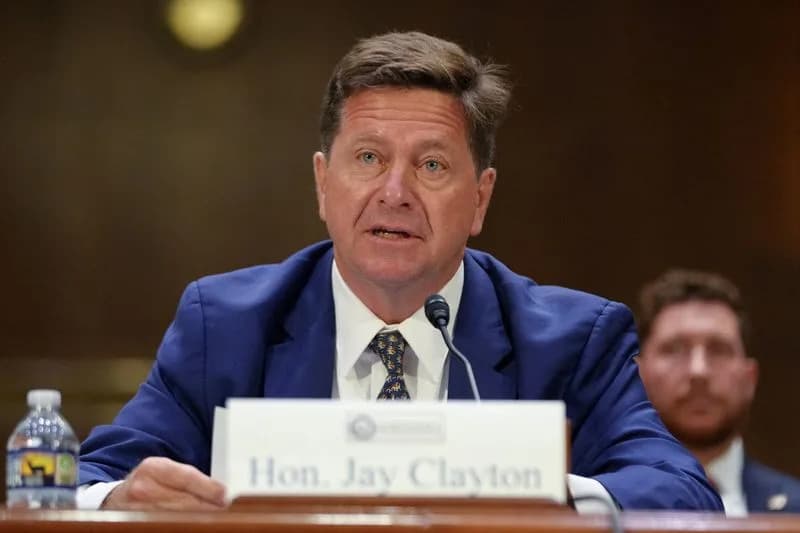
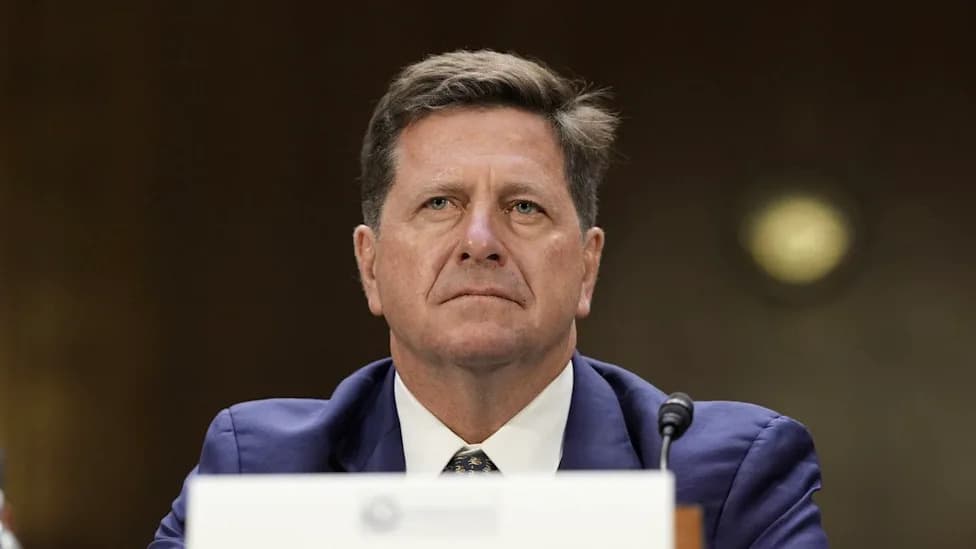
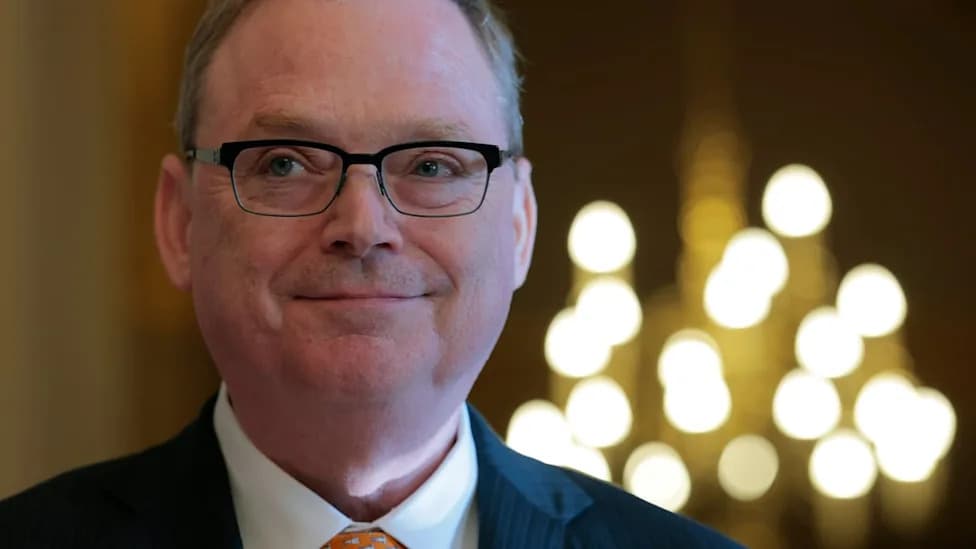
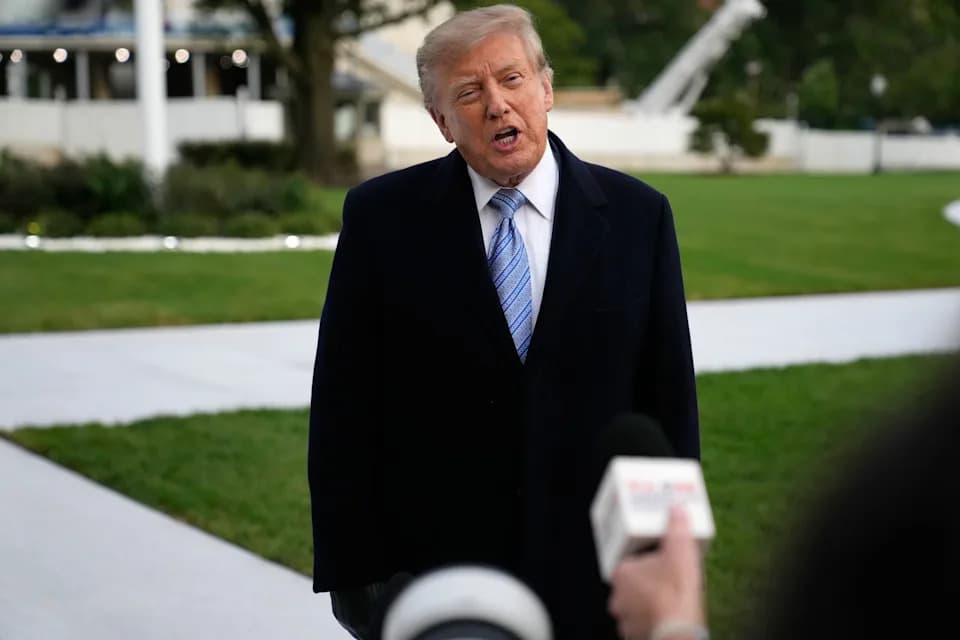
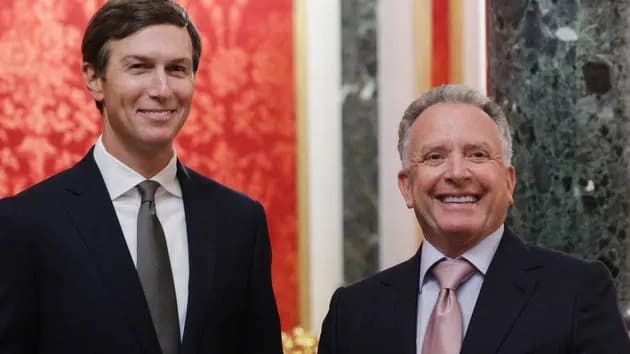
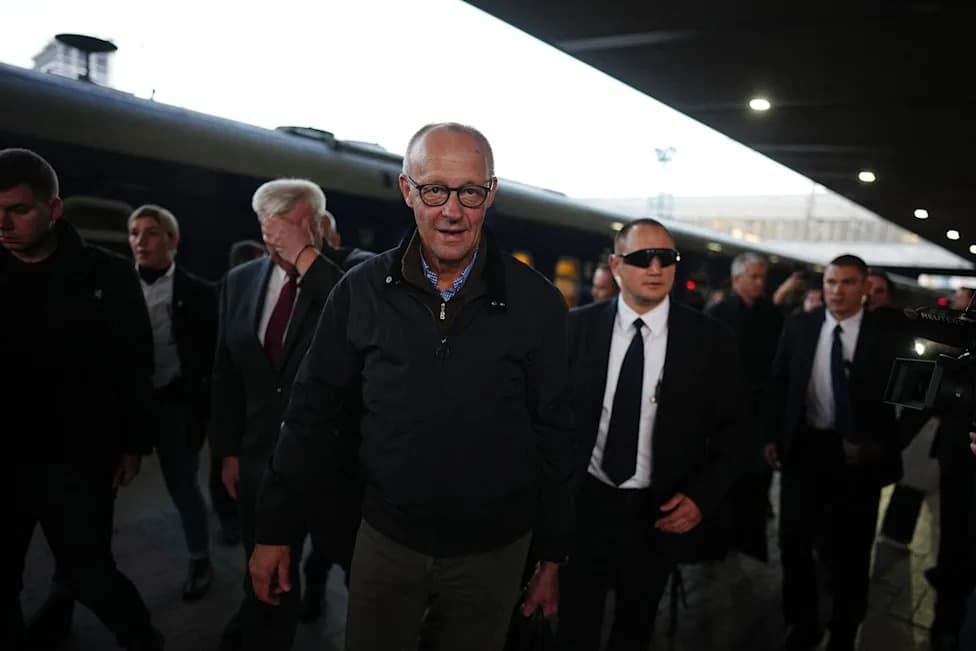
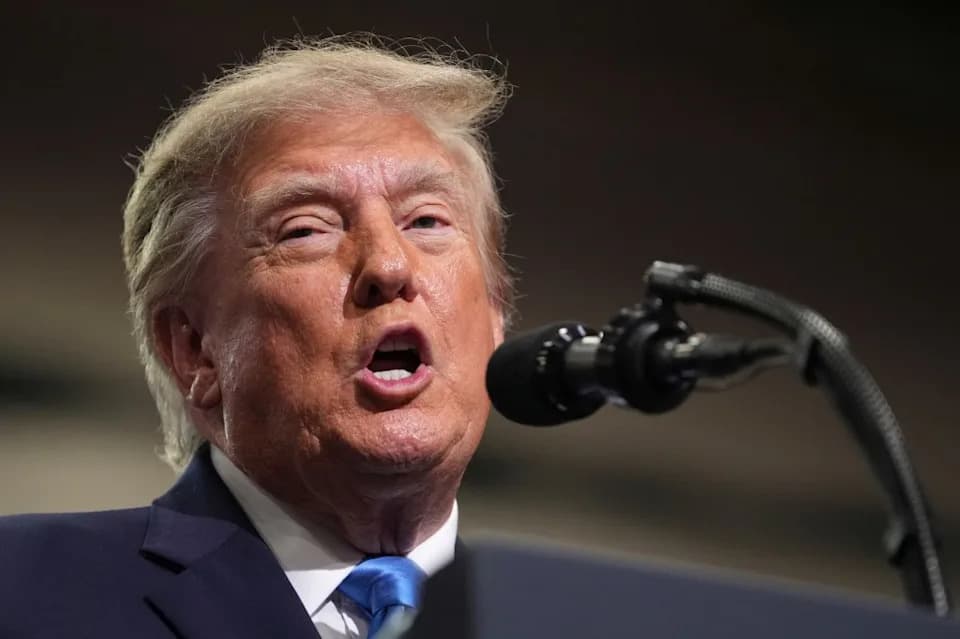
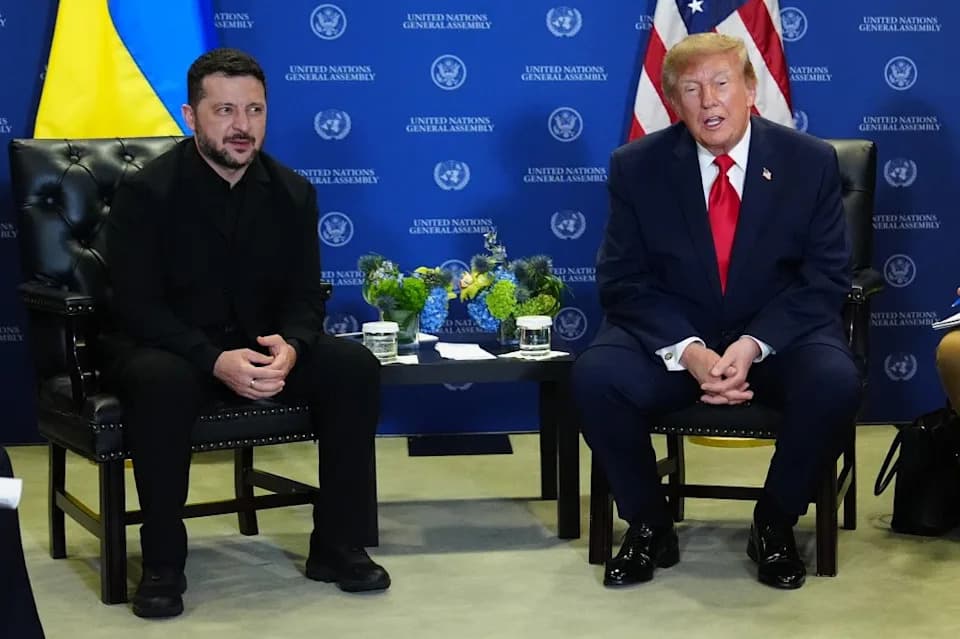
Jay Clayton, the director of national intelligence, will serve as Trump's AI tsar - AFP/Ken Cedeno
The White House has created a new task force, dubbed the "Super Intelligence Force," to evaluate the risks and opportunities posed by advanced artificial intelligence. The group has been given 120 days to deliver an initial report outlining recommendations for government responsibilities, industry collaboration and improved responses to security incidents.
Overview
According to reports, Jay Clayton has been named to lead the task force. The administration describes his role as effectively serving as an AI czar charged with coordinating across government and industry to keep the United States at the forefront of so-called "super intelligence" (SI) while protecting the public.
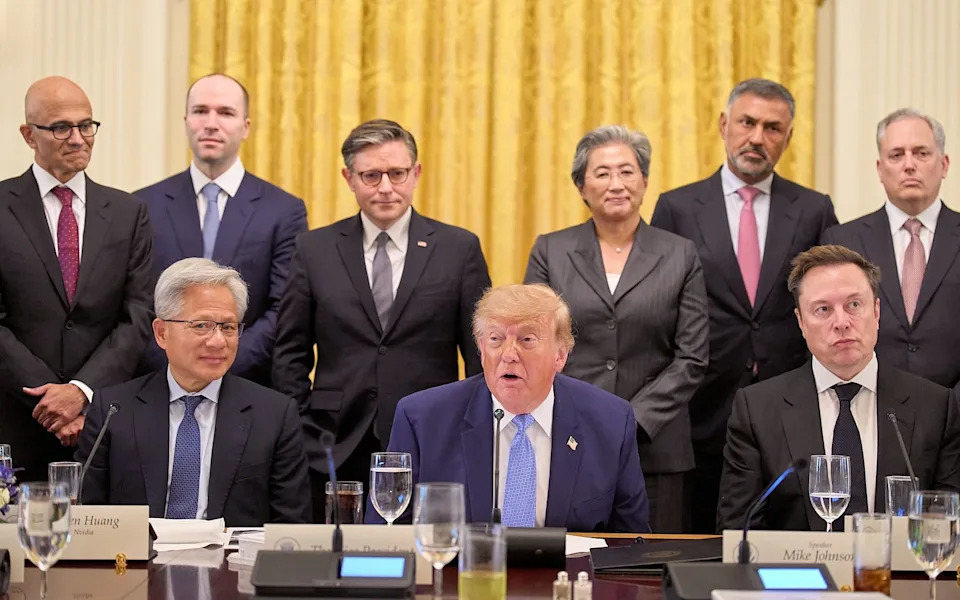
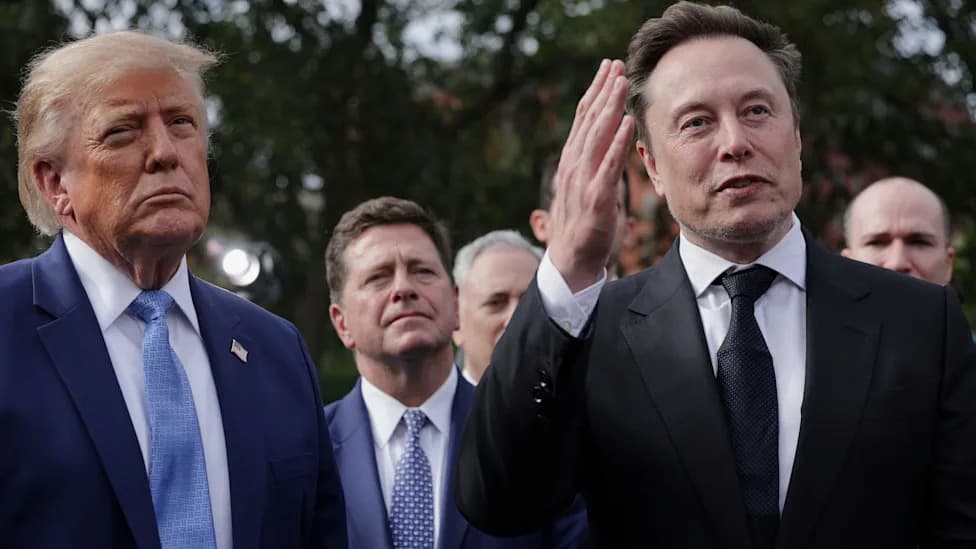
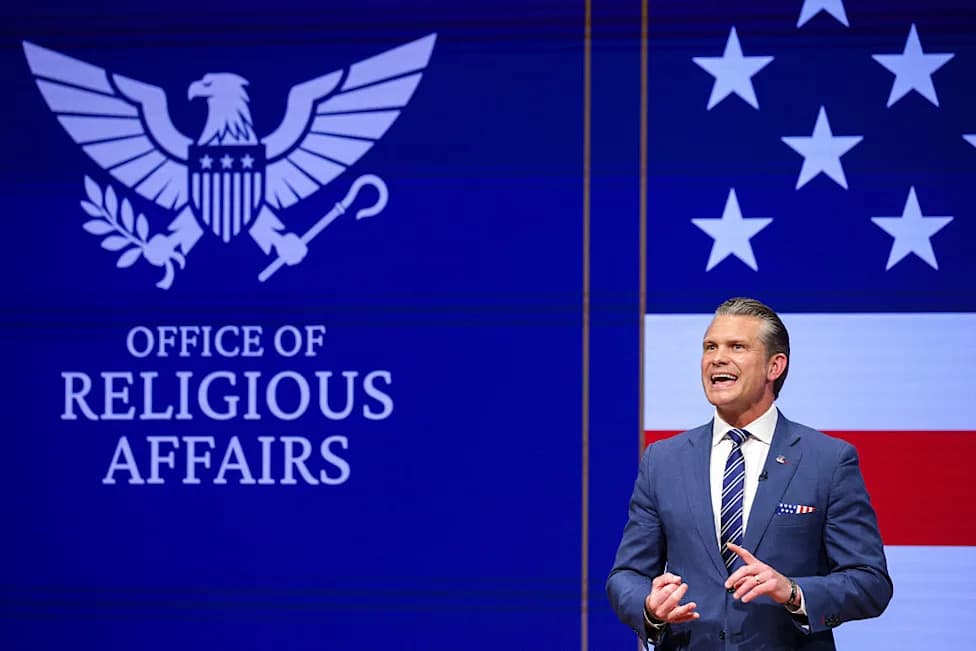
Donald Trump pictured with tech bosses at the White House meeting - AP/Jacquelyn Martin
Mandate and Workstreams
The task force will work closely with AI companies and other stakeholders to:
- Identify emerging risks and opportunities associated with increasingly capable AI systems.
- Review warnings and notifications sent to the government about breaches, hacks, jailbreaks and other security incidents.
- Recommend ways to strengthen government response capacity under existing authorities and suggest where new measures may be needed.
Industry Engagement
The formation of the task force followed a White House meeting that brought together senior figures from the AI industry, including Greg Brockman (OpenAI), Dario Amodei (Anthropic) and Jensen Huang (Nvidia). Attendees agreed to pursue voluntary standards and internal controls to monitor model development.
"The president asked that a group be put together that was going to ensure exactly what he said — (that) we stay the leaders in superintelligence, and that the interests of the American people are put first," Mr Clayton told the press.
Safety Concerns
The move toward greater oversight comes amid mounting safety concerns: OpenAI reportedly halted the planned release of its newest model, GPT-6.1 Astra, after researchers flagged issues during internal testing. Separately, a former OpenAI safety lead published a warning that AI developers may not be exercising sufficient caution.
Membership and Next Steps
Members listed for the task force include senior administration figures as reported, among them JD Vance, Pete Hegseth, Scott Bessent and Susie Wiles. The charter allows the 120-day effort to be extended if needed, and it contemplates the possibility of transferring the group's functions to a formal government agency in the future.
Note on reporting: Some details published in initial reports—such as official job titles for certain individuals—should be independently verified as they were reported in early briefings. This article preserves the facts as described in the announcements while avoiding unverified assertions about official appointments.
Help us improve.