Defense Secretary Pete Hegseth has created a new Office of Religious Affairs at the Pentagon that reports directly to him and will advise on religious policy, funding and "spiritual readiness." The office will oversee the Armed Forces Chaplains Board and advocate for religious program resources, while the Pentagon memo says it cannot compel participation or diminish rights. Hegseth framed the move in explicit Christian terms, a stance that critics say, alongside recent policy changes and hosted worship services, risks privileging one faith. Religious liberty groups have filed legal challenges, while Hegseth argues the office protects religious freedom and elevates spiritual health.
Hegseth Establishes Office Of Religious Affairs, Bringing Faith Directly Into Pentagon Leadership
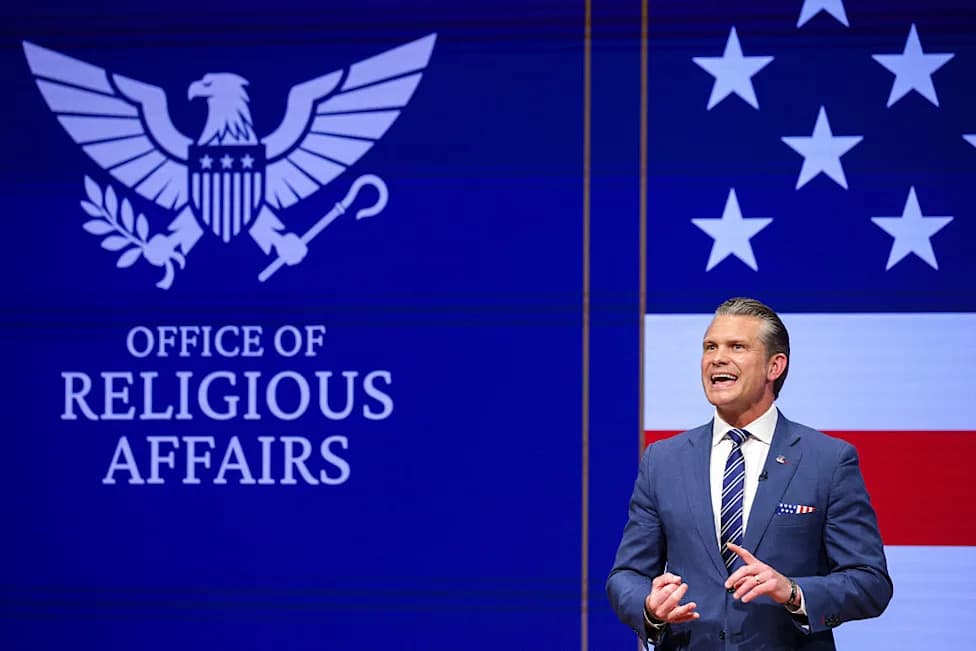
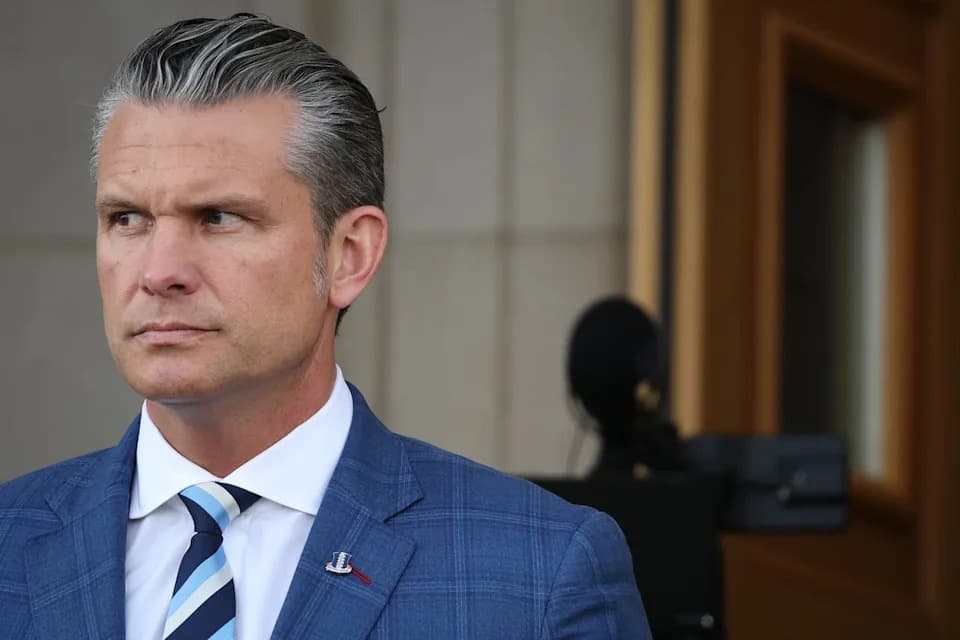
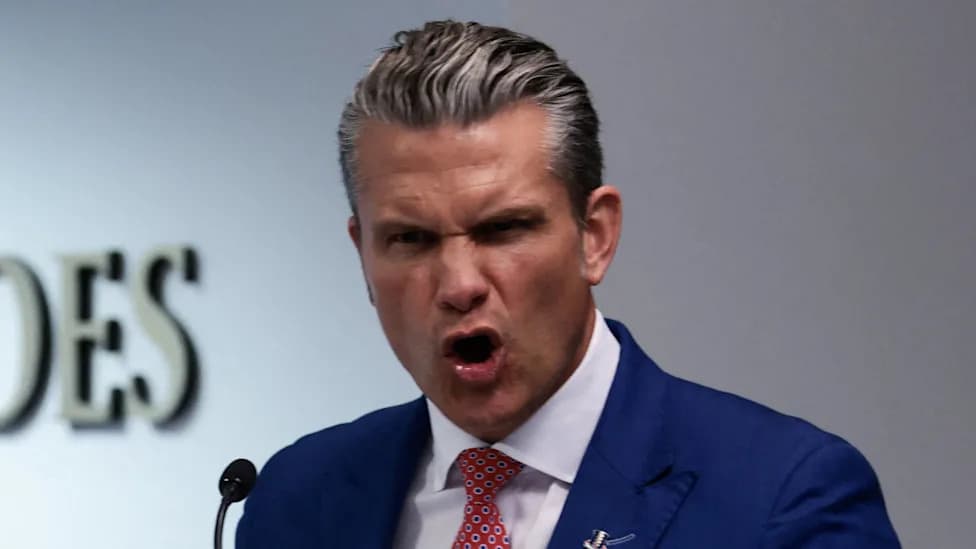
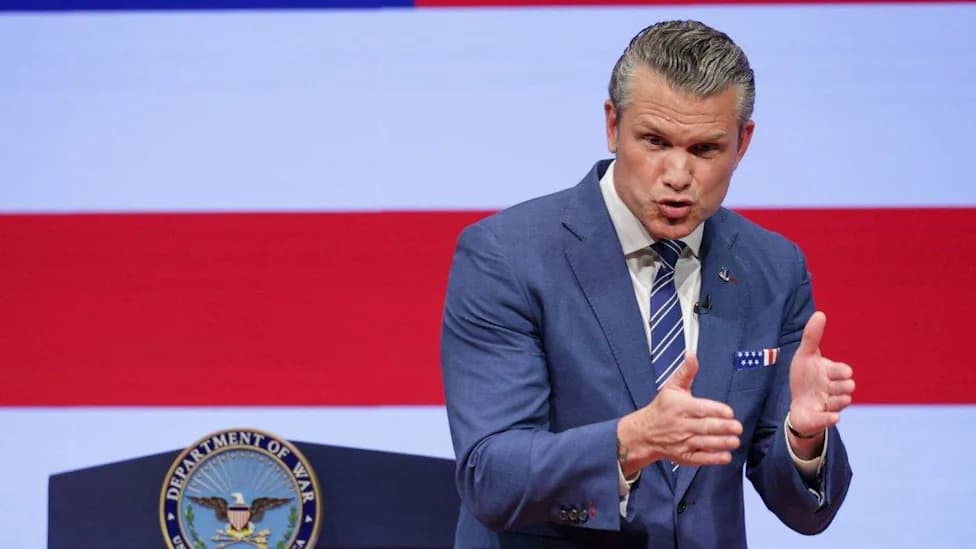
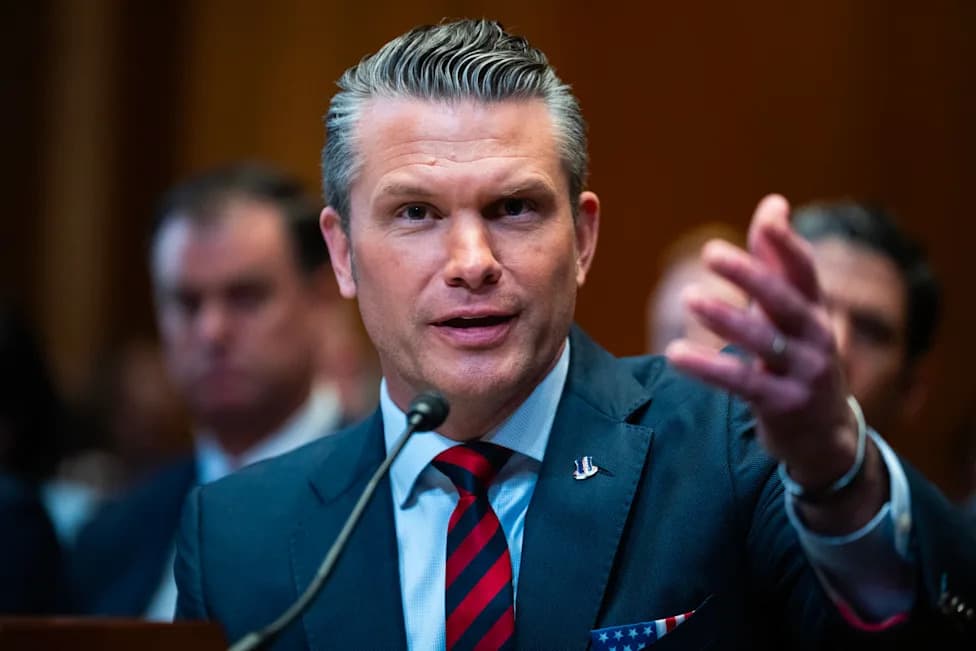
Defense Secretary Pete Hegseth announces a new Office of Religious Affairs as he gives a State of the Force address at Quanitico. Alex Wong / Getty Images
Defense Secretary Pete Hegseth announced the creation of a new Office of Religious Affairs that will report directly to him and advise senior Pentagon leadership on religious policy, funding and the "spiritual readiness" of U.S. service members.
Announced during his State of the Force address, the office will oversee the Armed Forces Chaplains Board and advocate for resources supporting religious programs across the services. Hegseth emphasized a streamlined chain of command for the office: "No staff filters, no bureaucratic dilution — a direct line to the secretary."
The Pentagon memo establishing the office states it cannot "compel religious participation" or diminish the rights of service members, civilian employees or family members "of any faith or no faith." The memo frames the office as an advisory and coordination body rather than an enforcement arm.
"Our department is, you might say, putting on the full armor of God because while we wage physical war, we all know the real battle is spiritual," Hegseth said. "God is good. Evil is not. And America's military must understand the difference."
Hegseth has framed the initiative in explicitly Christian terms and has criticized what he called the military's earlier embrace of "political correctness and secular humanism." He also asserted that fewer than 5% of service members are nonreligious, saying "95% of our force recognizes an Almighty God."
That claim contrasts with the Department of Defense's most recent publicly released data from 2019, which showed roughly 70% of active-duty personnel identified as Christian and nearly a quarter had an unknown or unclassified religious affiliation.
The new office follows several other changes Hegseth has enacted affecting religious life in the military. Earlier this year the Pentagon consolidated more than 200 religious affiliation codes into 31; the initial rollout removed distinct classifications for atheists, Unitarian Universalists, pagans and Wiccans, among others, though some classifications were later adjusted. Hegseth has also hosted Christian worship events at the Pentagon, including a March service where he prayed for troops to be enabled to inflict violence "against those who deserve no mercy."
Religious liberty groups have challenged those services and some policy changes in court, arguing Hegseth has used his government office to promote Christianity. Hegseth and supporters counter that the new office will protect religious freedom across the armed forces and place spiritual health on par with physical health.
What Comes Next: The office's actual impact will depend on how it implements policy, whether it shifts funding priorities, and how the Pentagon enforces the memo's safeguards to protect service members of all faiths and none. Legal challenges and congressional oversight are likely to continue as the office becomes operational.
Help us improve.