The USS Abraham Lincoln was redirected from a planned Pacific deployment to the Middle East and spent more than 250 consecutive days at sea supporting operations against Iran. Families reported supply problems, limited contact, plumbing issues and growing mental-health concerns; the navy later confirmed eight attempted suicides in the Lincoln strike group. Navy officials say food, medical care and behavioral-health resources were provided, while Congress seeks greater transparency and lessons are being applied to future deployments.
“It's Been Hard”: Families Await USS Abraham Lincoln's Return After an Intense, Extended Deployment
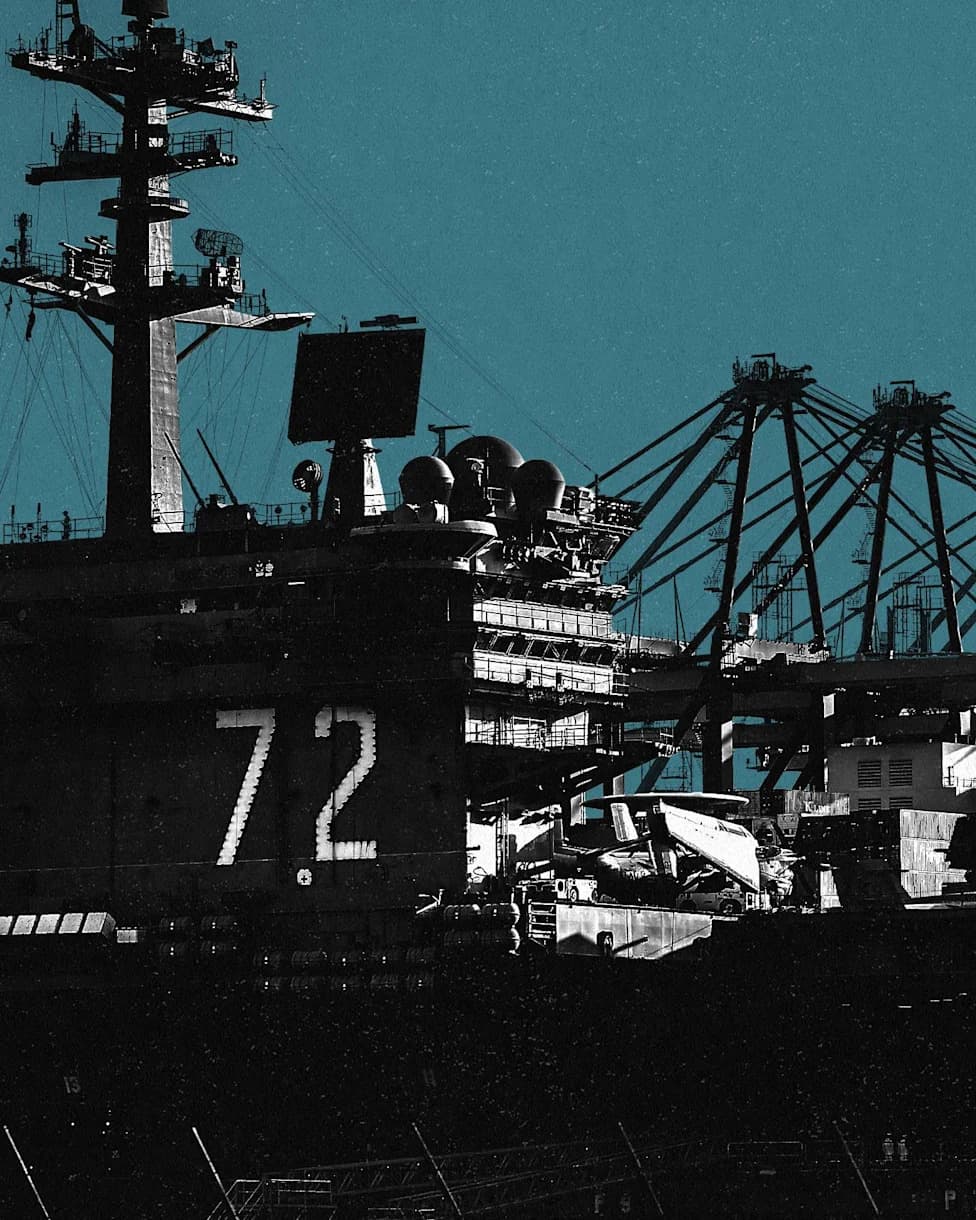
Illustration: Guardian Design
A mother in San Diego is counting down the days until her son, a sailor aboard the USS Abraham Lincoln, comes home. "I had a big sign made, welcoming him back," she said. "I can't wait to see him."
From Routine Patrol to High-Tempo Combat
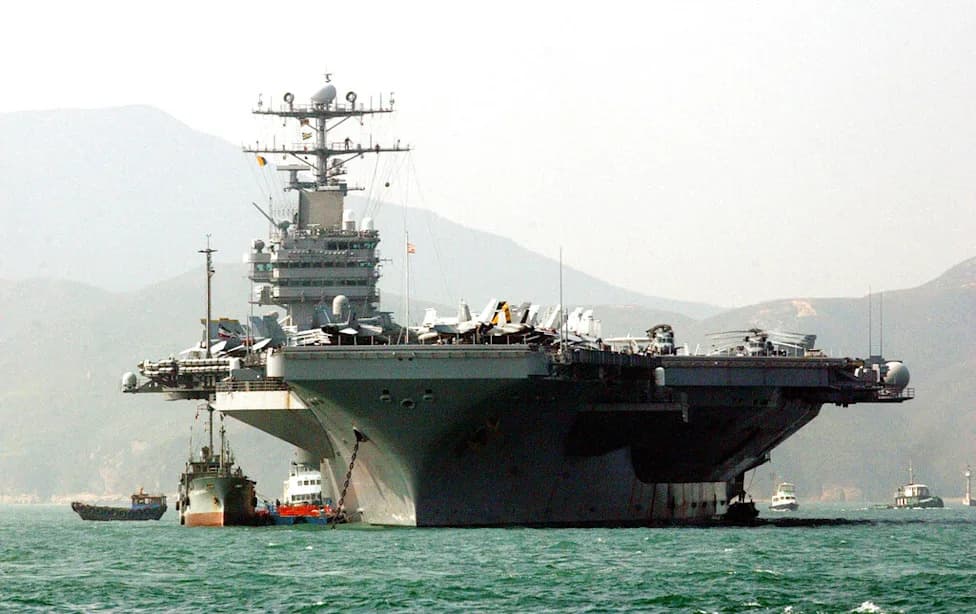
The Lincoln left San Diego last November for a routine Pacific deployment but was redirected to the Middle East after the outbreak of hostilities involving the US, Israel and Iran. The carrier and its strike group — between roughly 6,000 and 7,000 sailors across several ships — were drawn into sustained combat operations. Adm. Brad Cooper of US Central Command said the group shot down more than 200 Islamic Revolutionary Guard Corps drones that threatened international shipping and US forces and that the strike group conducted hundreds of strikes on IRGC targets.
A Record Stretch At Sea
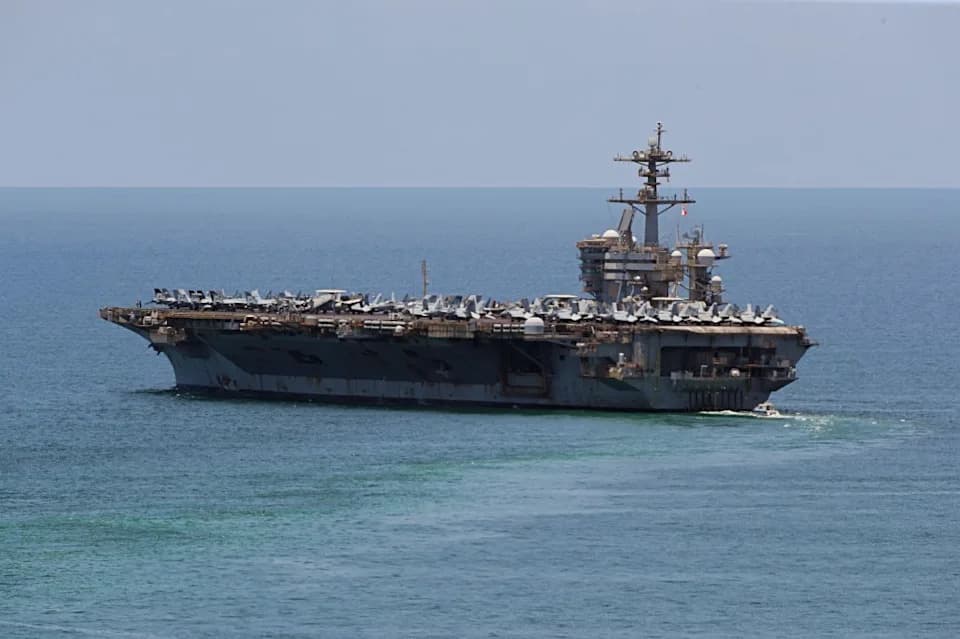
Operational demands and disrupted regional logistics left the Lincoln at sea for months with few or no port calls. By August the carrier had spent more than 250 consecutive days at sea — an unusually long stretch that veterans and families say compounded stress and fatigue. The war also complicated resupply and personnel rotation; a damaged base in Bahrain and strained supply lines limited traditional replenishment options.
Reports Of Strained Conditions
Over the deployment, families and some sailors shared reports of problems onboard: photographs of low-quality meals circulating online, accounts of plumbing and desalination issues, reduced entrée choices during some meal periods, and stretches without regular contact with loved ones. The navy acknowledged temporary issues with localized piping and desalination units but said potable water remained safe and that engineering teams completed repairs.
"The crew is tired, but they continue to fire on all cylinders," Adm. Brad Cooper wrote, while also acknowledging the unique challenges of long deployments.
Mental Health Concerns And Official Responses
In late September the navy confirmed that eight service members across the Lincoln strike group had attempted to take their own lives during the deployment; none of those attempts were fatal. The acting navy secretary, Hung Cao, described rapid rescues and medical responses in individual cases and outlined the behavioral health resources that accompanied the carrier, including chaplains, an embedded prevention counselor, a psychologist, a clinical social worker, behavioral health technicians and a facility dog. The Pentagon has noted rising attempted-suicide numbers across the navy in 2024.
Senior administration officials pushed back on some reports of dire conditions, saying the carrier maintained adequate food and medical care despite wartime constraints. Critics — including veterans, family members and several lawmakers — argued the unusually long, high-tempo deployment placed avoidable strain on sailors and raised questions about planning and transparency.
Families, Oversight And The Voyage Home
For many families the experience was a mix of pride and helplessness: pride in their loved ones' service, anxiety over periods without contact, and frustration at conflicting official statements. In August more than 200 family members joined a virtual town hall to press navy leaders for answers. Congressional inquiries followed, and lawmakers called for detailed accounts of the suicide attempts and for assurances about steps to protect sailors' wellbeing during extended deployments.
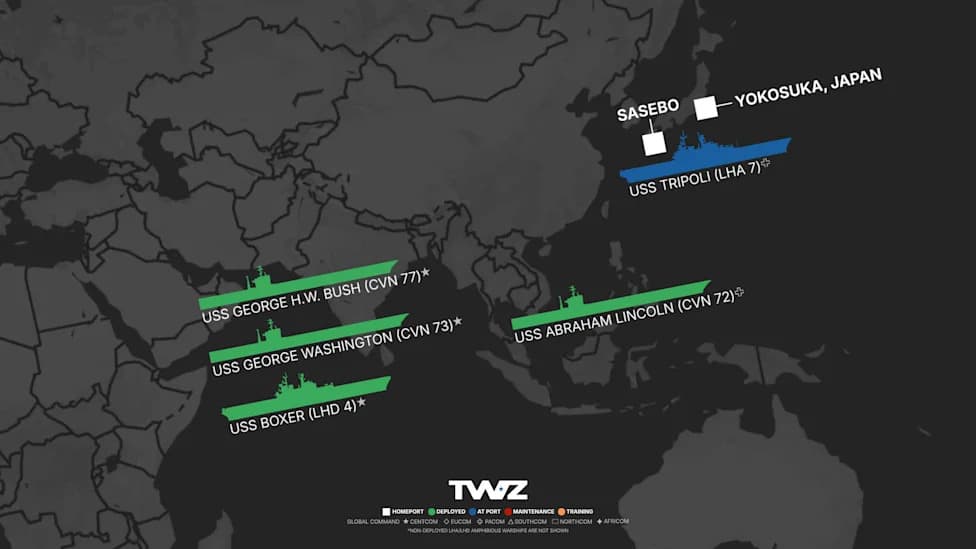
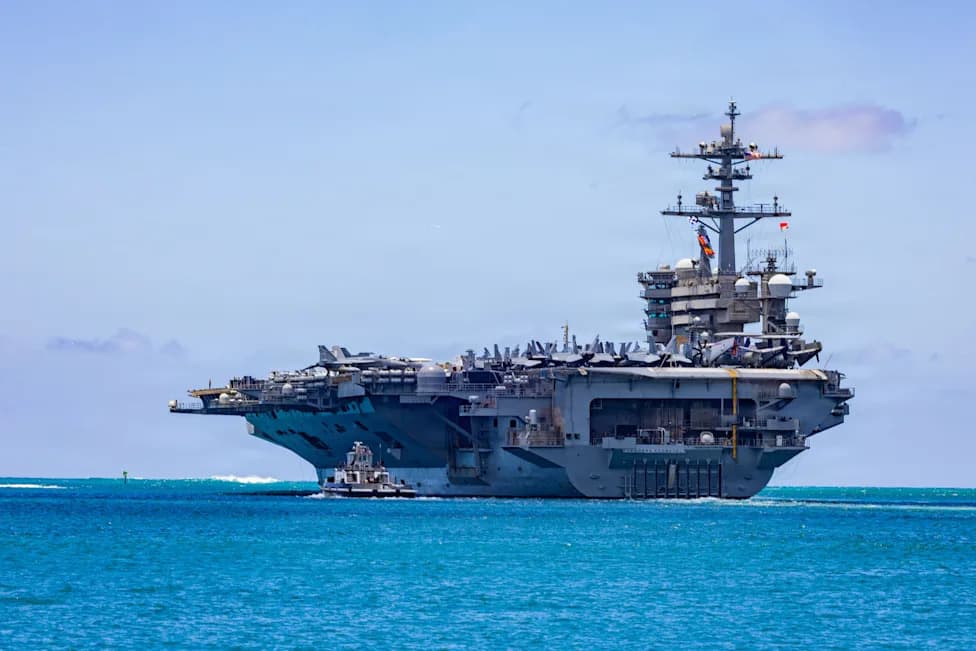
In late August the USS George Washington arrived to relieve the Lincoln. The Lincoln made a brief stop in Thailand, giving sailors a rare opportunity to step ashore before the final leg to San Diego. The navy said lessons from the deployment were being applied: another carrier sent to the region, the USS Theodore Roosevelt, was loaded with additional food, hygiene items and quality-of-life improvements ahead of its mission.
Looking Forward
Veterans and commanders warned longer deployments may recur unless the navy expands capacity. Some proposed practical steps: improved mental-health training and more embedded behavioral-health personnel, better pre-deployment stocking and contingency planning, and clearer family communication channels. As the Lincoln nears San Diego, families prepare reunions — even as the broader debate continues over readiness, strategy and care for service members in prolonged combat deployments.
Key facts: the Lincoln was diverted from a planned Pacific deployment, spent over 250 consecutive days at sea, participated in intense combat that CENTCOM says included shooting down more than 200 IRGC drones, and the navy confirmed eight attempted suicides in the strike group during the deployment.
Help us improve.