President Donald Trump urged Congress to require mandatory prison terms for those convicted of defrauding Medicare, Medicaid and Social Security and proposed holding state and local officials personally liable if they knowingly permit fraud. He said probation would be removed and repeat offenders would face doubled sentences, but he did not specify sentencing ranges or the legal standard for officials' liability. The proposal was announced as federal enforcement has increased, including a 2026 DOJ health-care takedown that charged 455 defendants tied to over $6.5 billion in alleged false claims.
Trump Urges Mandatory Prison Sentences, Personal Liability for Officials in Benefit-Fraud Crackdown
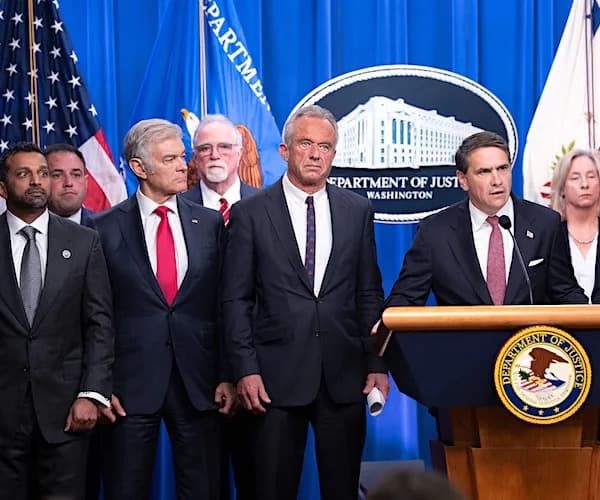
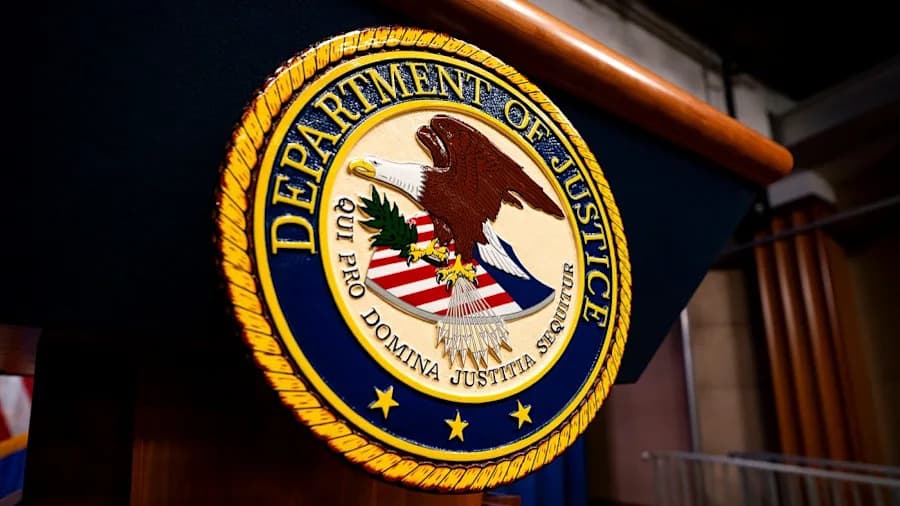
United States acting Attorney General Todd Blanche during a press conference on healthcare and medicaid fraud in the Department of Justice building in Washington D.C., on Tuesday, June 23. (Aaron Schwartz/AP)
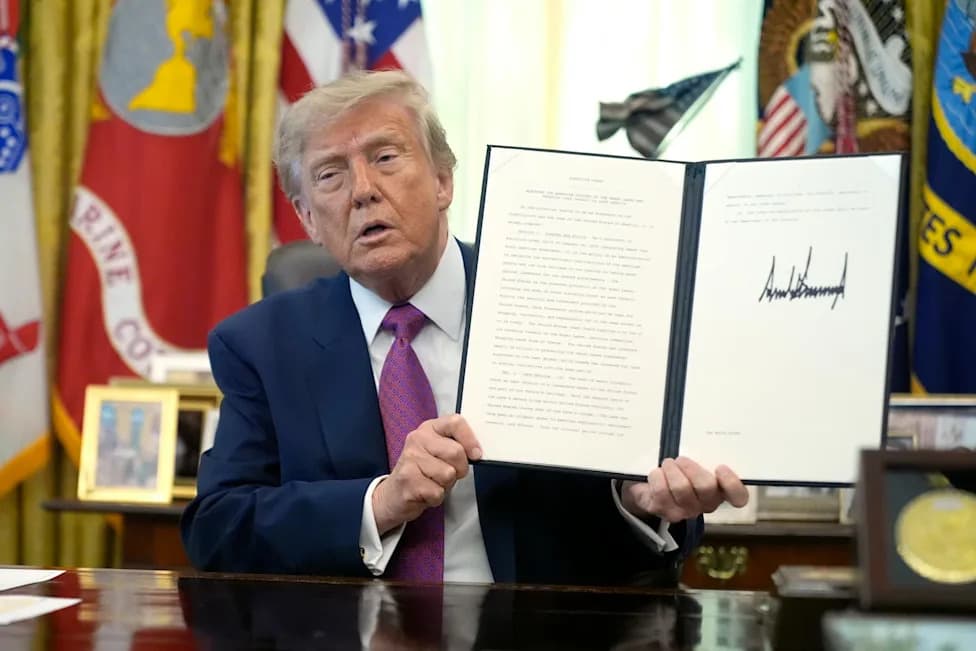
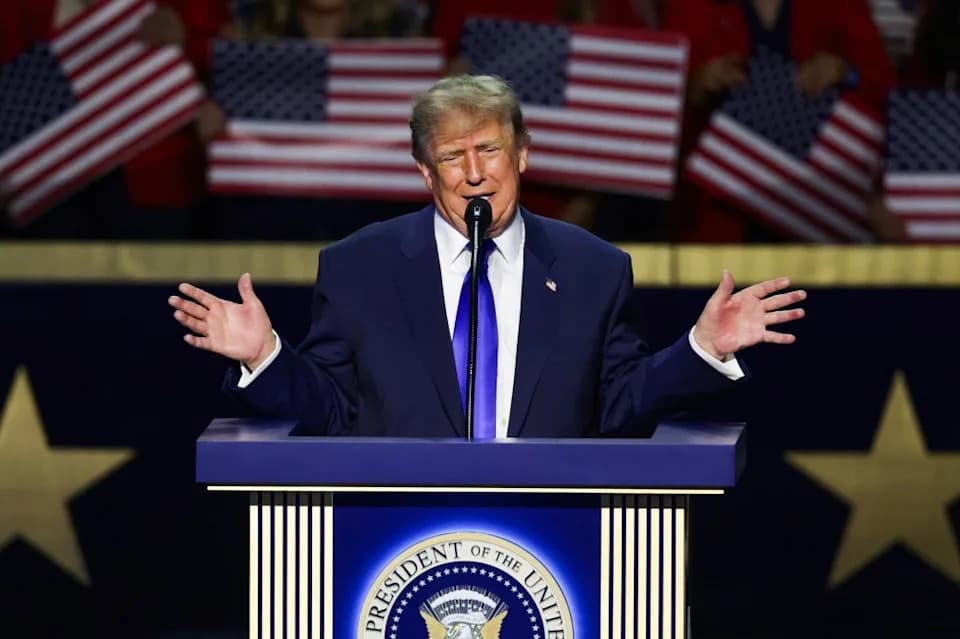
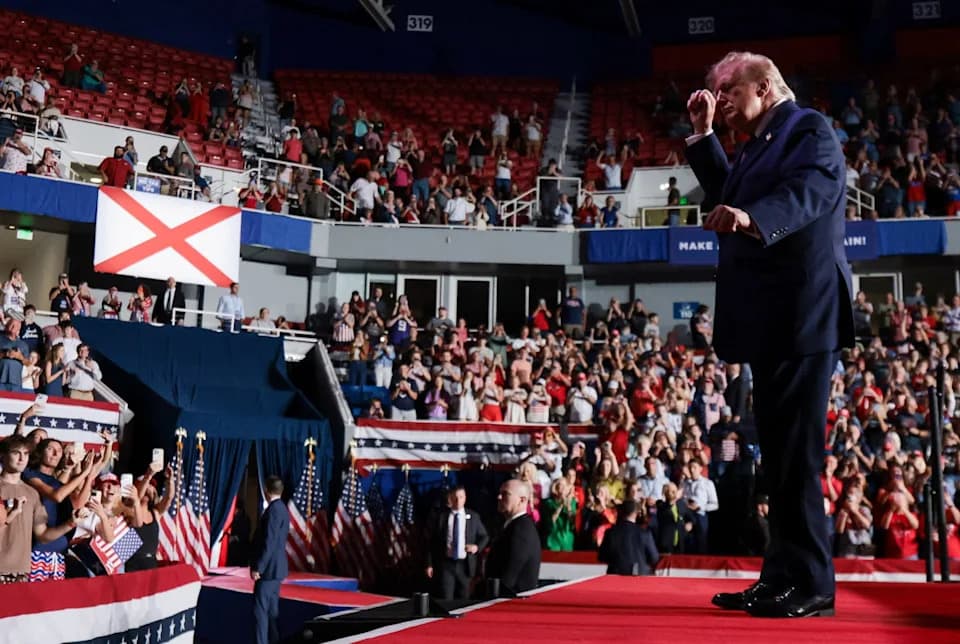
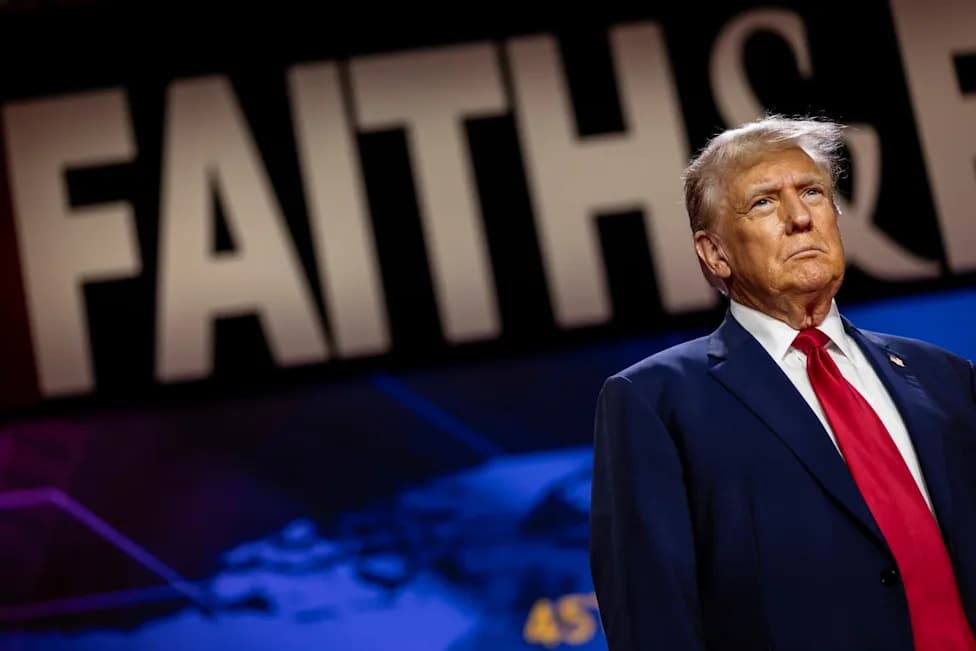
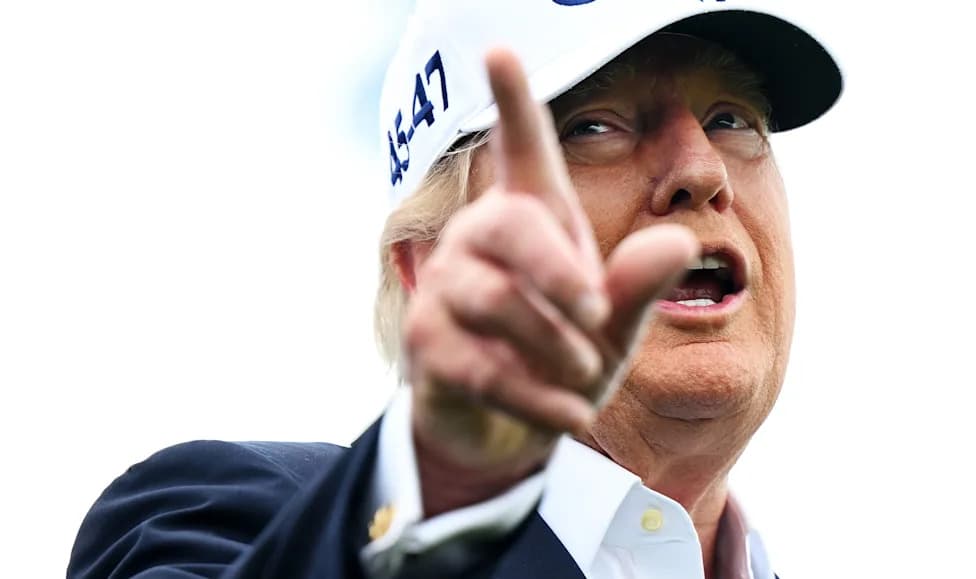
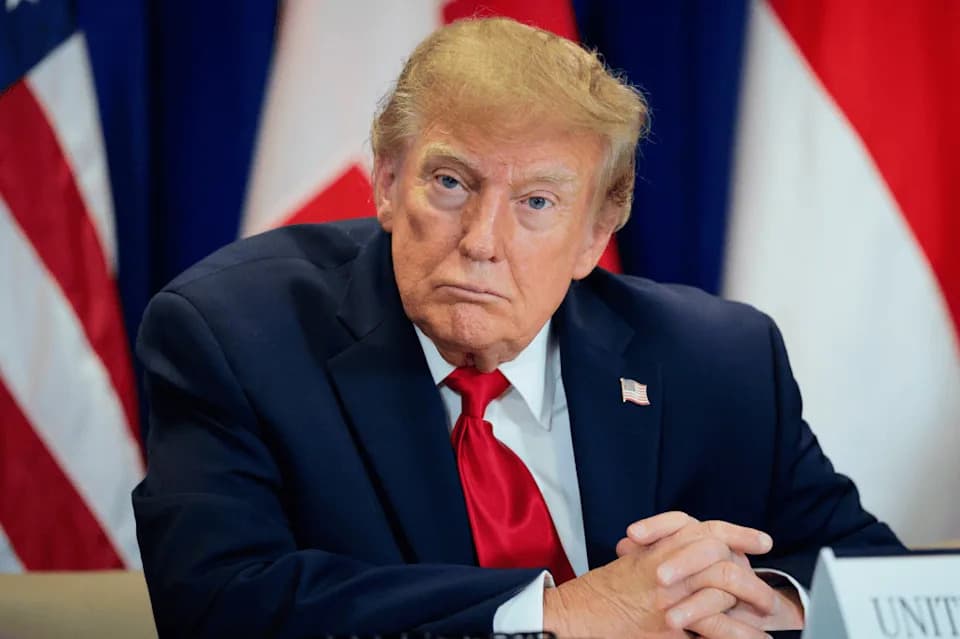
President Donald Trump on Saturday called on Congress to pass legislation that would impose mandatory prison sentences on people convicted of defrauding Medicare, Medicaid and Social Security, and proposed making state and local elected officials personally liable if they knowingly allow such fraud to continue.
In a video posted on Truth Social, Trump said his plan would eliminate probation for those convicted of stealing from federal benefit programs and would impose mandatory minimum terms. "If you steal from the American people, you will go to prison and for a long period of time," he said, adding that "the more you steal, the longer you'll stay in that prison."
"If you're a convicted fraudster who gets caught stealing from the American people a second time, your sentence will be doubled," Trump said.
Trump also proposed financial penalties for state and local officials who are aware of fraud and have the ability to stop it but fail to act. Under his proposal, such officials could be held personally liable for the full loss to taxpayers that they "should have stopped and should have saved," he said in the video.
Trump did not provide specific sentencing ranges in the video, nor did he explain the legal standard that would determine when an elected official "knew" about fraud or had the capacity to prevent it. Those details would need to be spelled out in legislation and could raise legal and evidentiary questions about proof of knowledge and the scope of civil and criminal liability.
Federal Enforcement Context
The announcement comes amid stepped-up federal enforcement targeting fraud in government benefit programs. In June, the Justice Department said its 2026 National Health Care Fraud Takedown resulted in charges against 455 defendants — including about 90 medical professionals — in alleged health-care and opioid-related schemes involving more than $6.5 billion in false claims. Those cases included alleged fraud affecting Medicare and Medicaid.
Federal authorities have also intensified actions against Social Security fraud. The Justice Department's National Fraud Enforcement Division and U.S. attorneys in 11 districts charged 17 defendants between Aug. 21 and Sept. 18 in cases alleging roughly $1.3 million in intended losses from Social Security benefit programs, according to the Social Security Administration's Office of Inspector General.
"This legislative proposal will make fraudsters think long and hard before they keep stealing from the American people and will make crooked and corrupt politicians think also long and hard before they ignore fraud that they can stop and that they should stop," Trump said, closing the video with a warning: "So from now on, fraudsters, we're watching you."
Any move to enact mandatory minimums and to attach personal financial liability to elected officials would require careful drafting to define mens rea (the requisite knowledge or intent), remedies, and enforcement mechanisms. Observers note such changes could face legal challenges and would likely generate debate in Congress about proportionality, due process and the practicalities of proving an official's culpable knowledge.
Help us improve.