Brazil's attorney general has asked investigators to probe reported U.S. efforts to channel funds to far-right causes, after The Guardian said the Trump administration sought to reallocate $175 million from a State Department human-rights fund and considered a $1 million award to groups opposing Brazil's Supreme Court. Attorney General Jorge Messias called foreign interference "an important alert for Brazilian sovereignty" amid a tight presidential race. The allegations are linked to wider tensions following Jair Bolsonaro's 2025 conviction and political activity by his family.
Brazil Opens Probe After Report That Trump Administration Sought To Fund Far-Right Groups
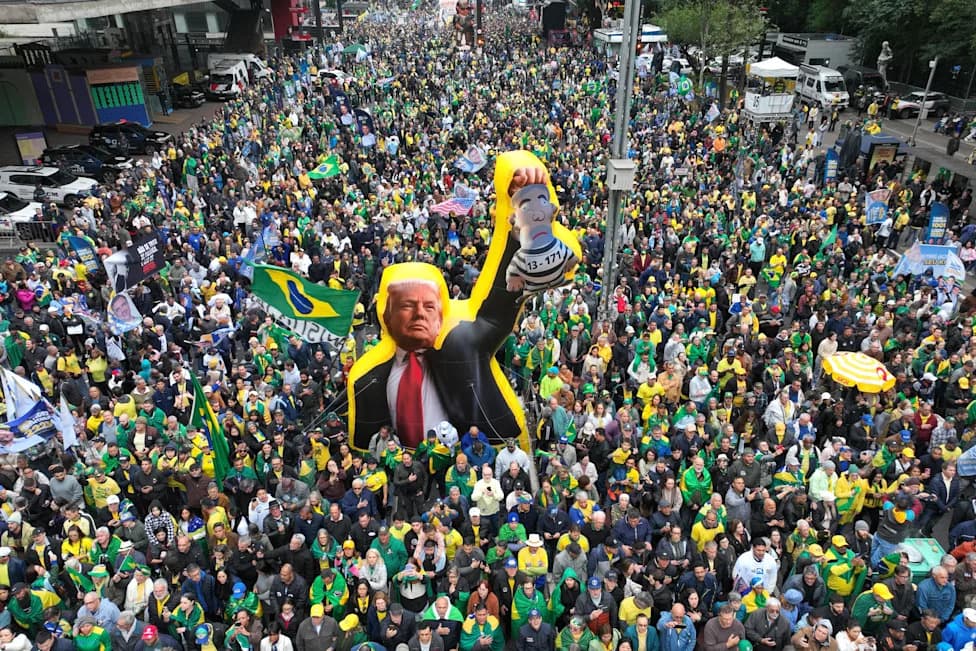
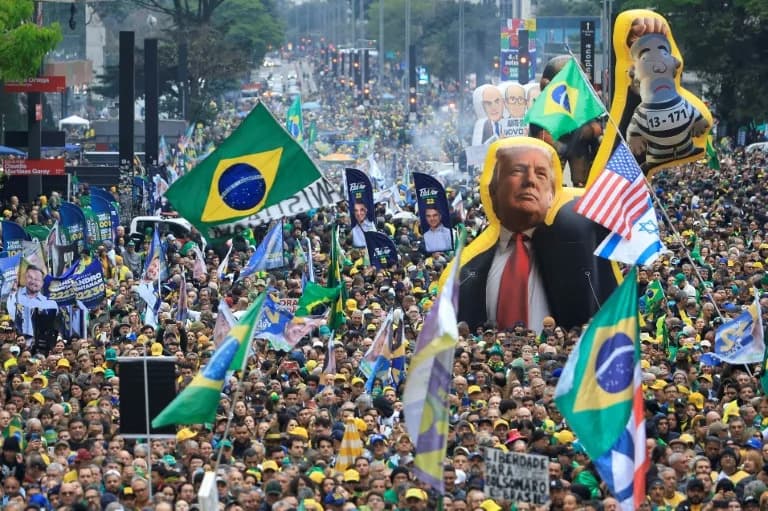
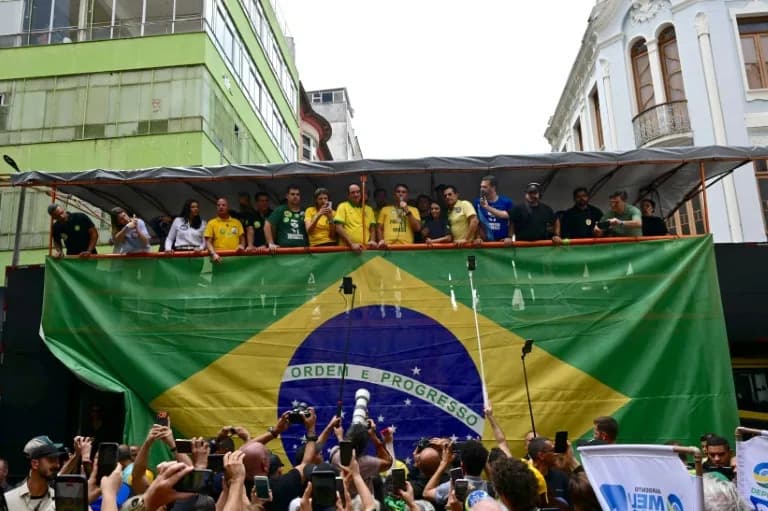
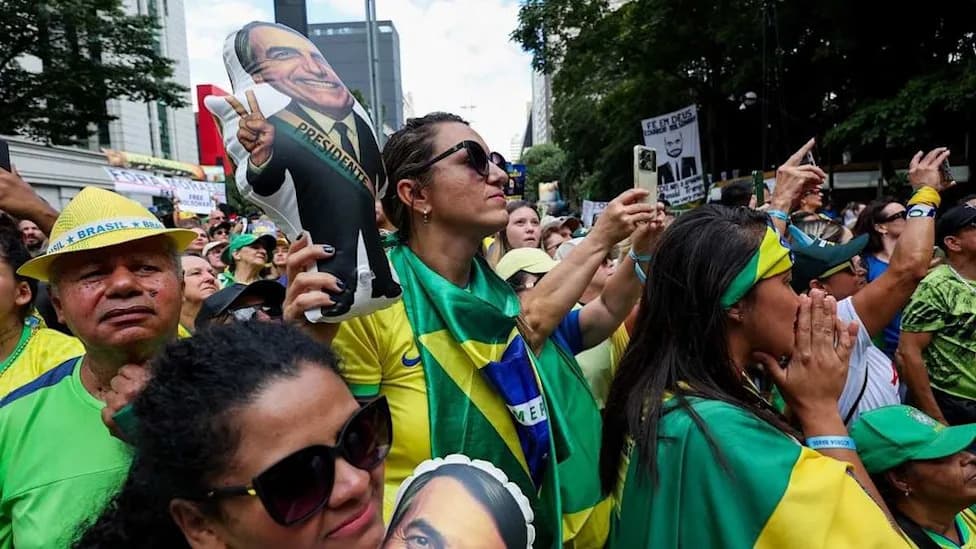
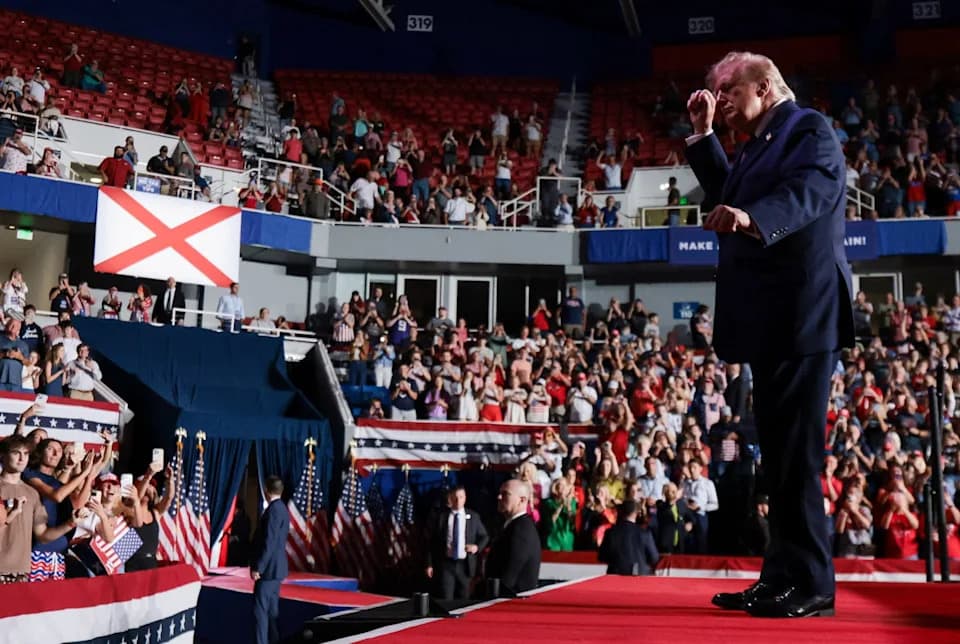
Supporters of Brazilian presidential candidate Flavio Bolsonaro march with an effigy of US President Donald Trump on September 7 [Andre Penner/AP Photo]
Brazil's attorney general has asked federal investigators to examine a report that the former Trump administration directed U.S. funds toward far-right groups and initiatives that critics say sought to interfere in Brazil's politics.
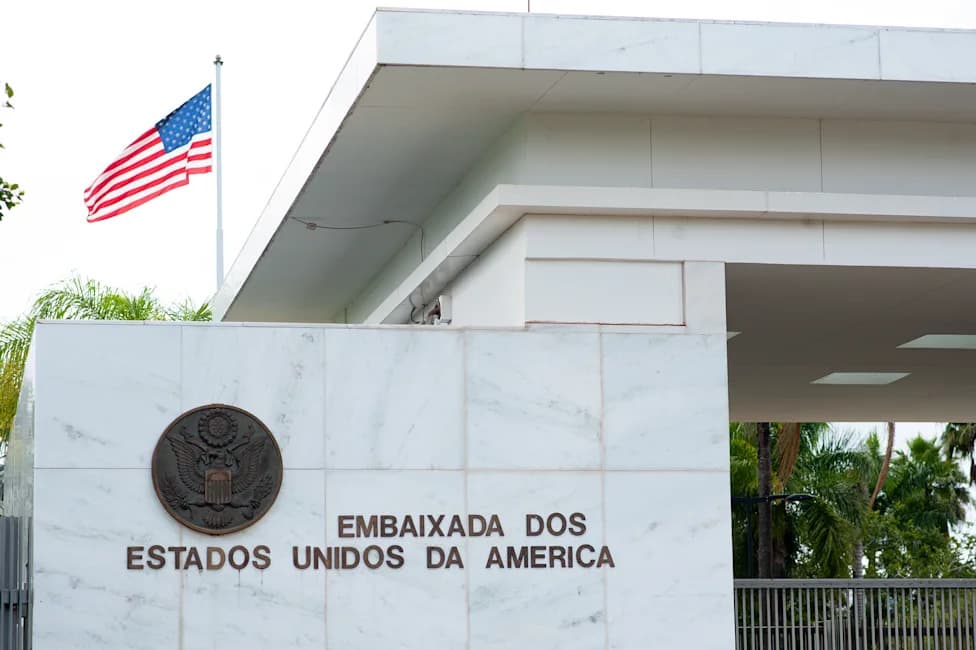
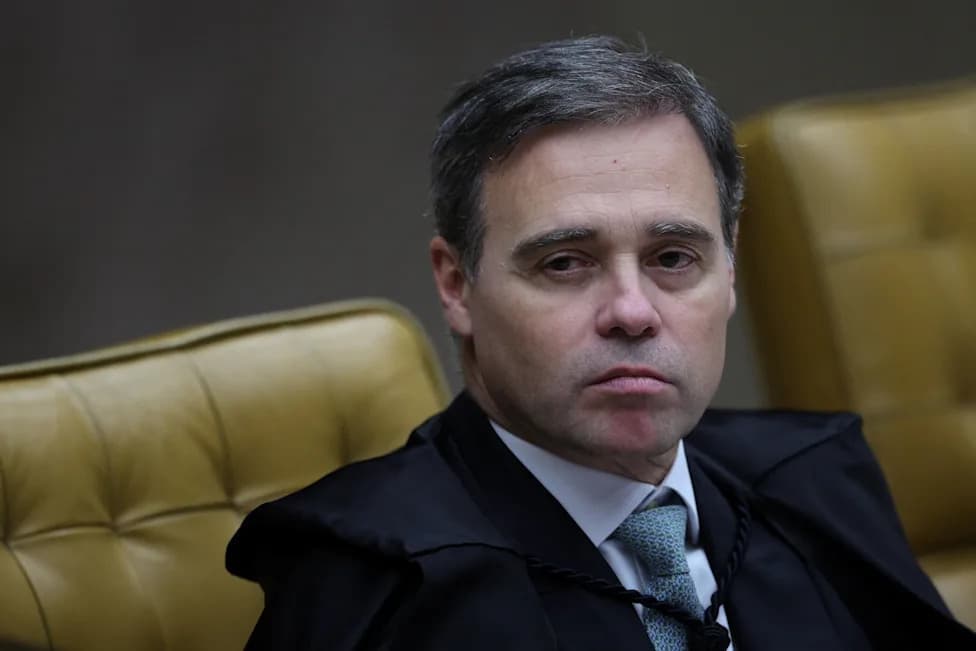
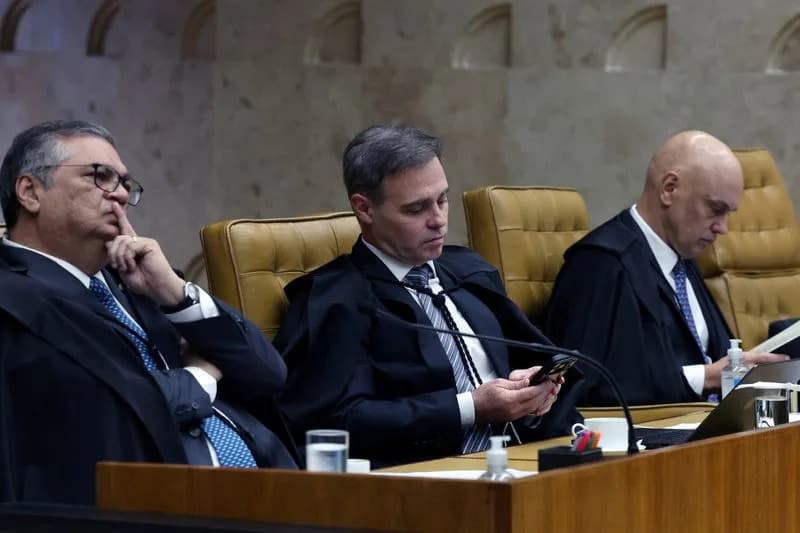
Attorney General Jorge Messias made the request on Thursday after The Guardian published a story alleging the Trump administration considered redirecting roughly $175 million from the State Department's human-rights budget and contemplated a separate $1 million payment to right-wing civil groups that oppose Brazil's Supreme Court.
"Foreign meddling cannot be tolerated," Messias wrote on social media, calling the report "an important alert for Brazilian sovereignty." He added that the allegations are especially serious amid Brazil's ongoing presidential campaign.
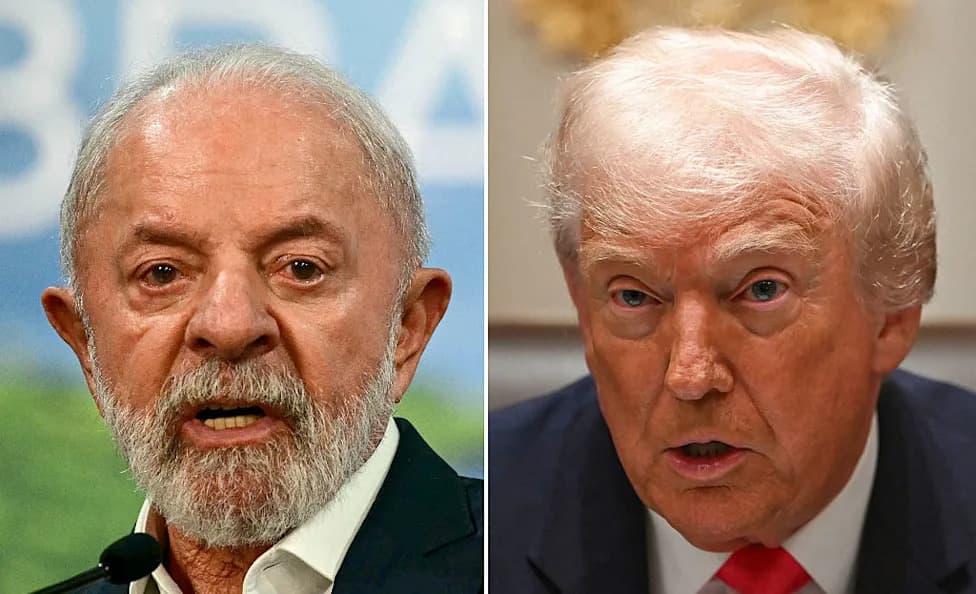
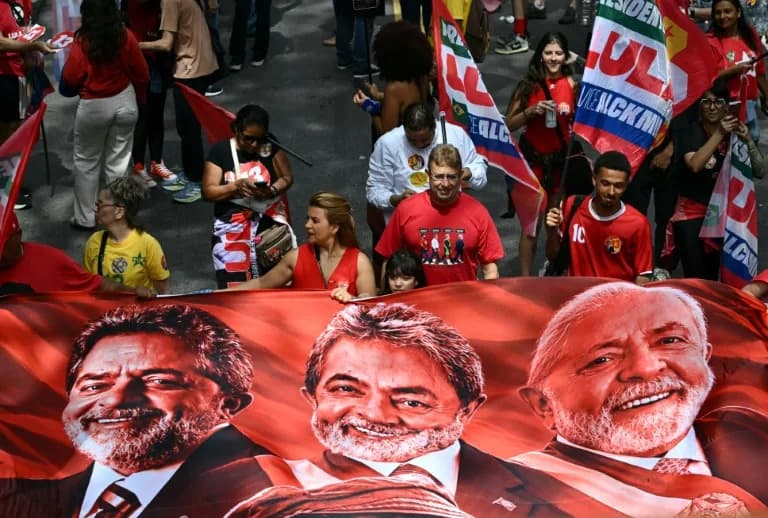
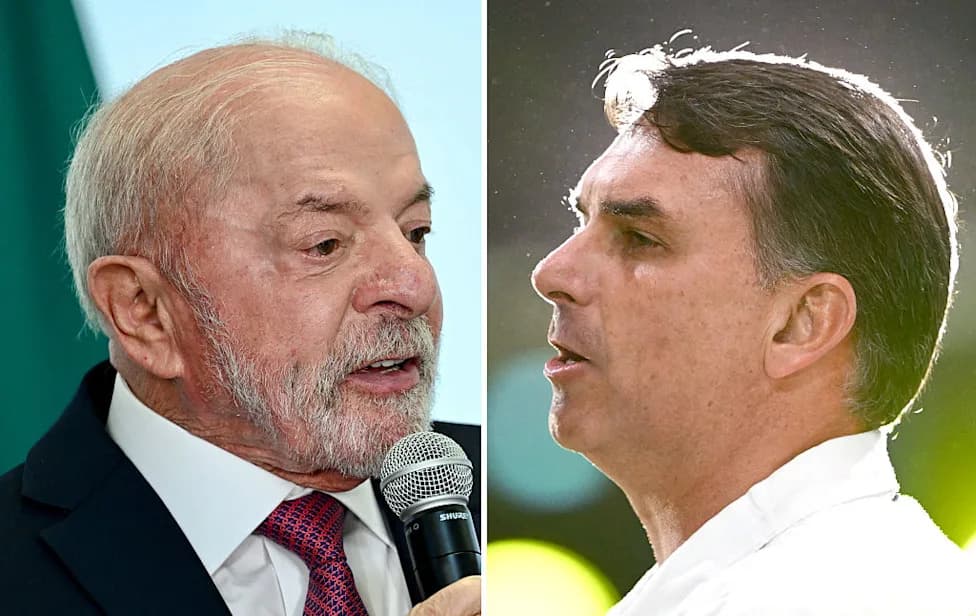
The allegations arrive as Brazil prepares for a closely contested presidential vote. Leftist President Luiz Inácio Lula da Silva is seeking re-election, and polls show a tight race with candidates linked to former president Jair Bolsonaro and his family.
What The Report Claims
The Guardian article says the Trump administration tried to reallocate $175 million from human-rights programming to support a range of conservative and far-right initiatives worldwide. Reported potential recipients included groups advocating for white Afrikaners in South Africa—whom some U.S. officials were said to have described as victims of "genocide"—and efforts in Brazil framed as combatting "lawfare and censorship." The story also referenced a proposed $1 million award to Brazil-focused right-wing civil groups.
Political Context And Prior U.S. Moves
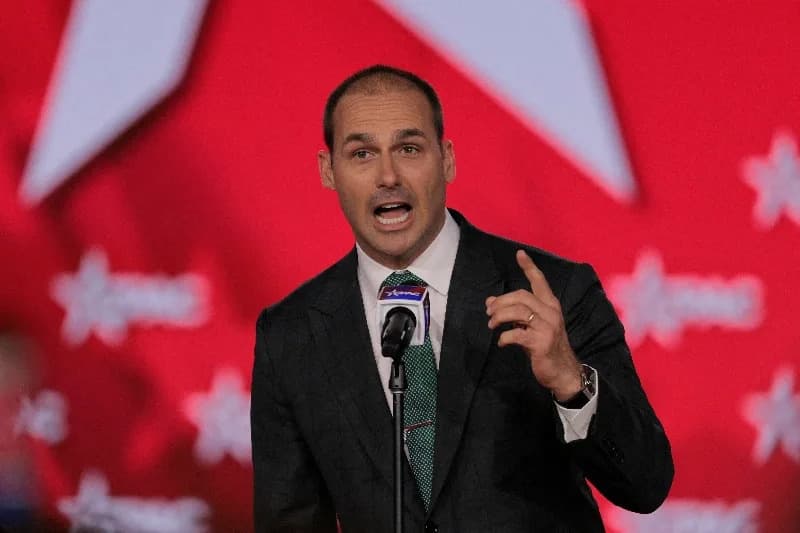
The allegations come against a backdrop of heightened tensions between the Bolsonaro camp and Brazil's judiciary following Bolsonaro's 2025 conviction in a case tied to an alleged plot to overturn his 2022 election loss. Bolsonaro was sentenced in September 2025 to 27 years in prison. In June, another of his sons, Eduardo Bolsonaro, was sentenced to more than four years after a court found he had lobbied for U.S. interference in his father's legal proceedings.
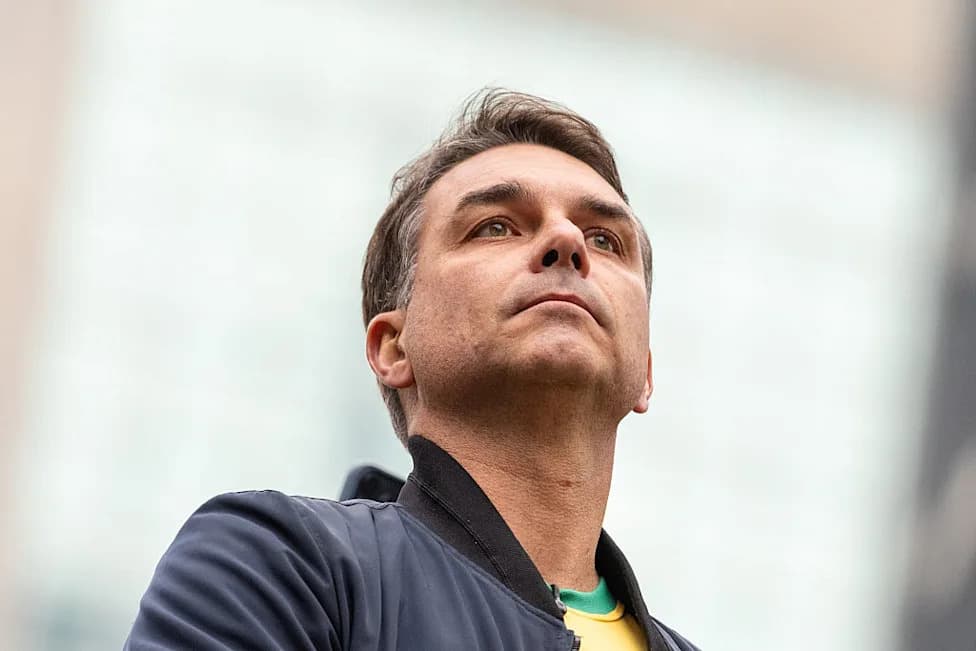
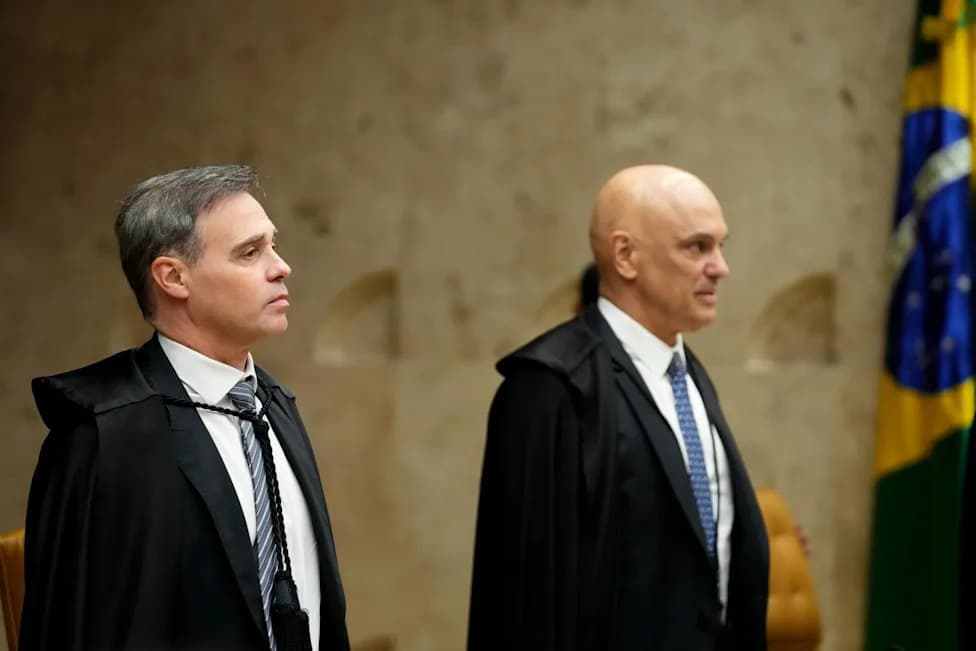
Relations between Bolsonaro allies and the Trump administration have been close: Flavio Bolsonaro, Jair Bolsonaro's eldest son and a leading potential challenger to Lula, met with Trump in May and has pledged closer ties with the United States. The Trump administration previously imposed—and later removed—50% tariffs on selected Brazilian goods, revoked visas of Brazilian judicial officials involved in Bolsonaro's case and briefly targeted Supreme Court Justice Alexandre de Moraes with sanctions, criticizing his handling of right-wing figures.
Implications
Attorney General Messias framed the alleged actions as a threat to Brazil's sovereignty and electoral integrity. Prosecutors will now weigh whether the claims in The Guardian warrant a formal criminal investigation or international cooperation requests. The reporting remains an allegation and has been disputed by actors named in the piece; independent verification and official responses will be central to any inquiry.
Note: This article attributes funding and intervention claims to The Guardian and to statements from Brazil's attorney general. The allegations have not been confirmed in full by either the U.S. government or Brazilian courts at the time of writing.
Help us improve.