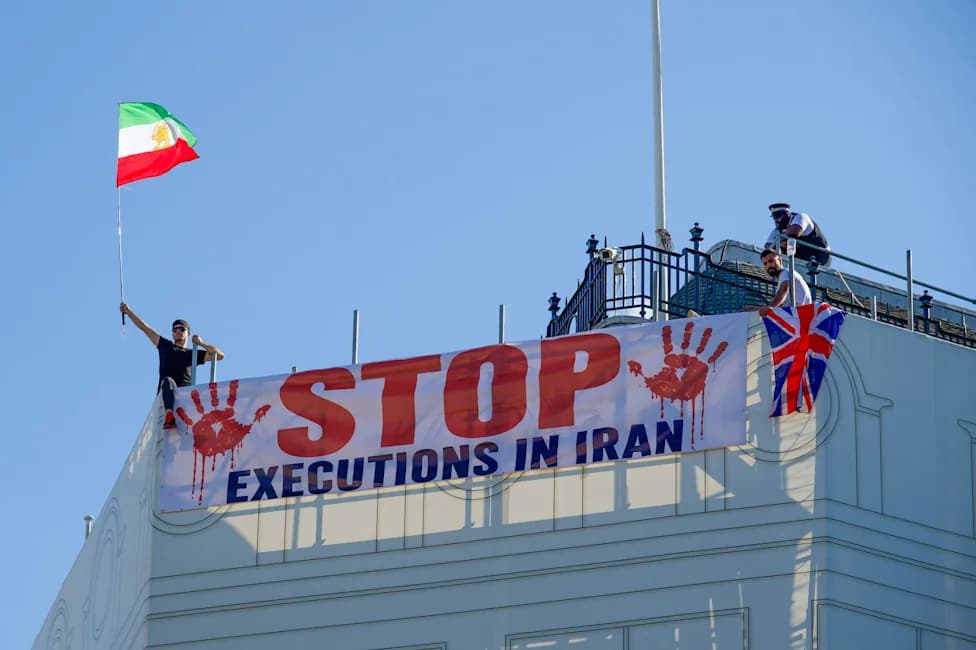
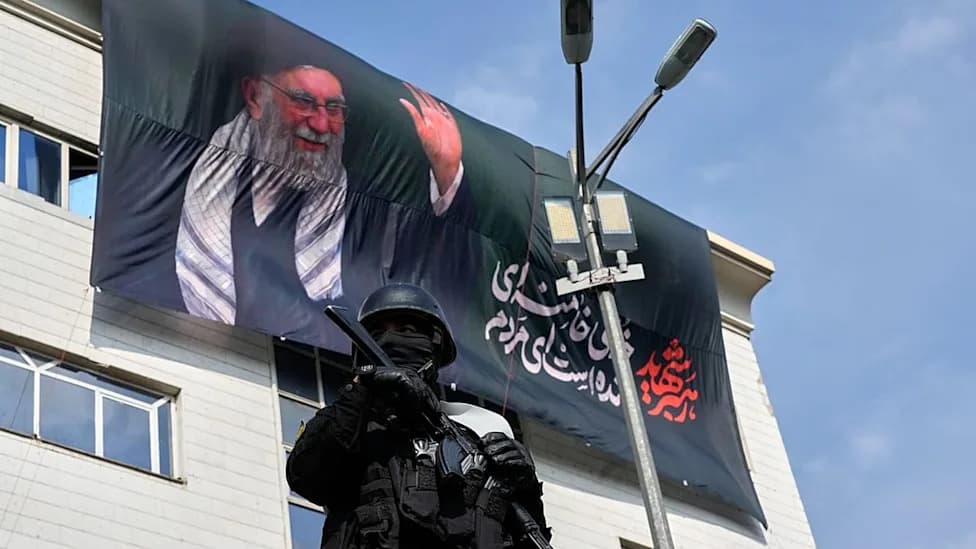
Iran executed Siavash Jamshidi after a court convicted him of charges including 'moharebeh' and alleged he fired at police during nationwide protests, the judiciary-linked news agency Mizan reported. Authorities cited mobile phone data as evidence. Human rights groups say at least 32 executions are linked to the protests, while Amnesty International reported 2,159 executions in 2025 — the highest since 1981. Activists warn dozens more protesters face potential execution amid concerns over due process and broadly defined national-security charges.
Iran Executes Siavash Jamshidi Amid Crackdown On Nationwide Protests
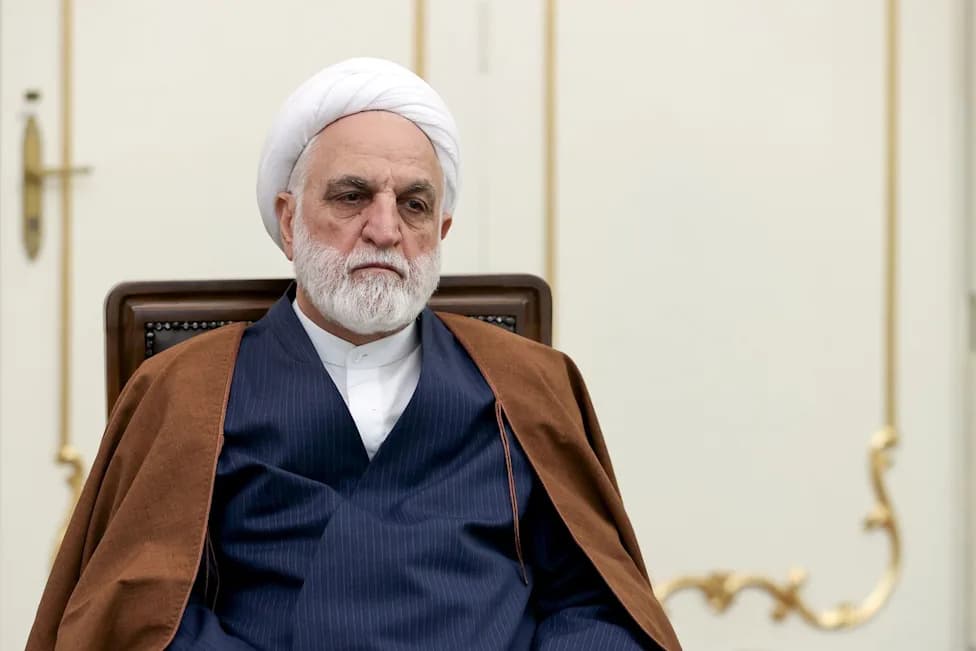
FILE PHOTO - Iranian Chief Justice Gholam Hossein Mohseni Ejei attends a meeting of the heads of the three branches of government in Tehran. (is associated with: «Iran executes another man over nationwide protests») -/Iranian Presidency/dpa
Iran executed Siavash Jamshidi at dawn, the judiciary-linked news agency Mizan reported on Saturday. Prosecutors accused Jamshidi of firing at police during nationwide unrest and cited mobile phone data they say places him repeatedly at protest sites and indicates use of a firearm.
The court convicted Jamshidi on charges including 'moharebeh' (waging war against God), use of a firearm and conspiracy against national security, and sentenced him to death, according to the report.
Human rights organizations say Jamshidi is at least the 32nd man executed in connection with the wave of protests that began in late December over Iran's deepening economic crisis and quickly escalated into mass demonstrations against the country's leadership. Activists and monitors contend the state's response included a violent crackdown that killed thousands of protesters.
Mahmood Amiry-Moghaddam, director of Iran Human Rights (IHRNGO), wrote on X that at least 100 more protesters face execution. International rights groups criticize what they describe as Iran's systematic use of the death penalty as a tool for deterrence and political intimidation, and they highlight the judiciary's reliance on broadly defined offences such as espionage, endangering national security and blasphemy.
Amnesty International reported that Iran executed at least 2,159 people in 2025 — the highest annual total recorded since 1981. Rights groups and legal experts have also raised concerns about due process in many prosecutions, including the use of mobile phone data as evidence, closed trials and limited access to legal counsel.
Sources: Mizan news agency, Iran Human Rights (IHRNGO), Amnesty International.
Independent verification of individual cases is often limited; the figures and claims in this report are attributed to the agencies and organizations cited above.
Help us improve.