With Brazil's October 4 first-round vote looming, President Luiz Inácio Lula da Silva and challenger Flávio Bolsonaro have mobilized volunteer "digital armies" on platforms such as WhatsApp. The right's Direta Já platform reports over 50 million interactions, while Lula's networks send daily share-missions to more than 140,000 supporters. Both camps have filed complaints with the Superior Electoral Court (TSE) and legal experts warn that coordinated paid or misleading posts could breach electoral law.
Brazil Candidates Mobilize 'Digital Armies' in Intense Online Election Battle
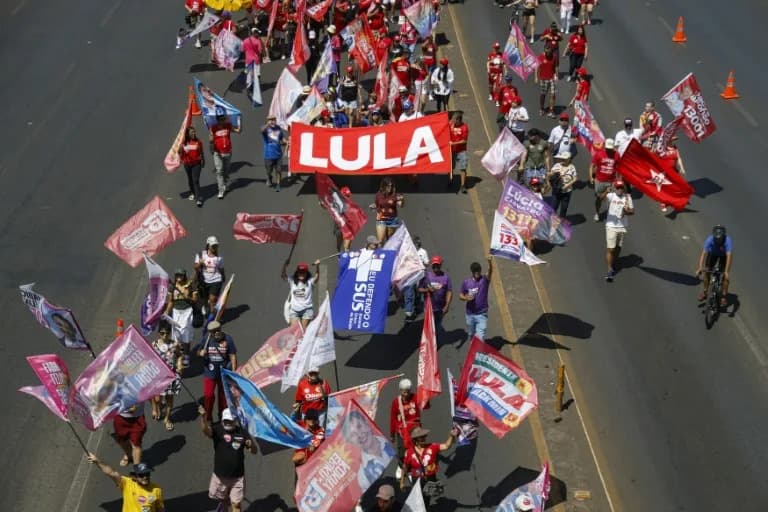
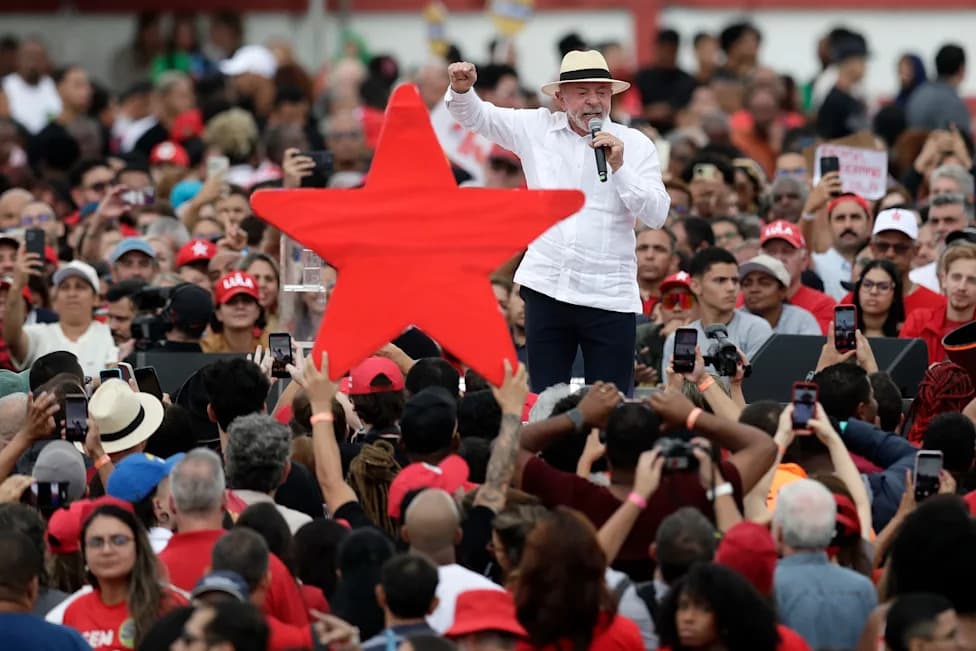
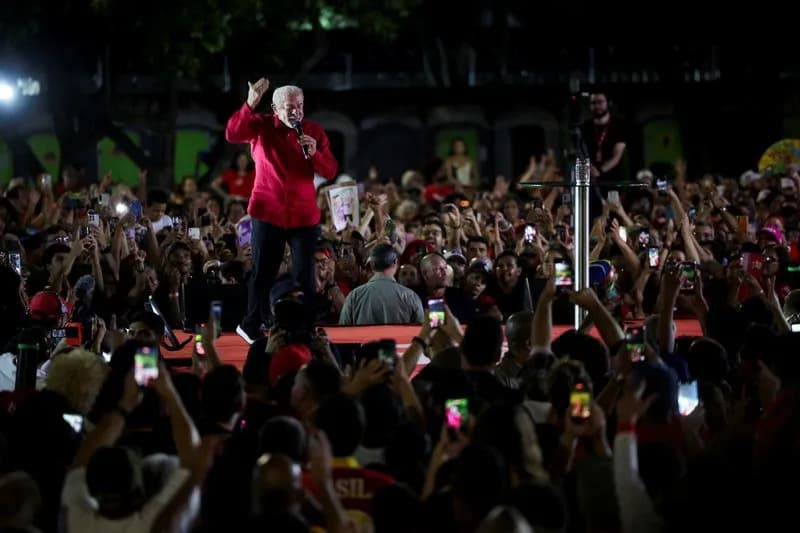
In Brazil, political campaigns online have become as important as those on the ground (Sergio Lima)
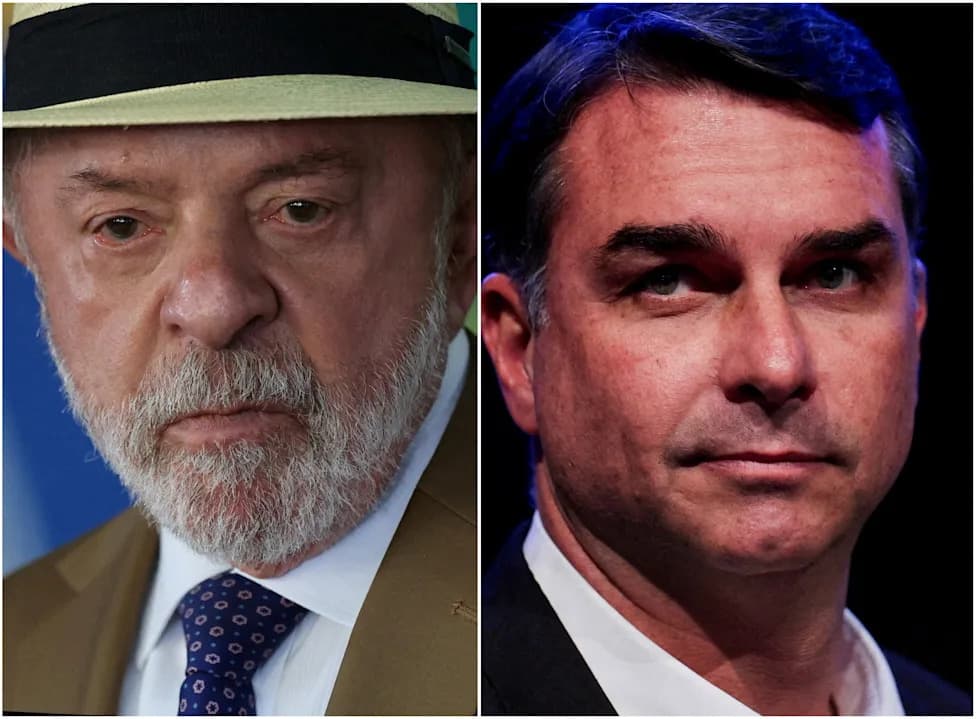
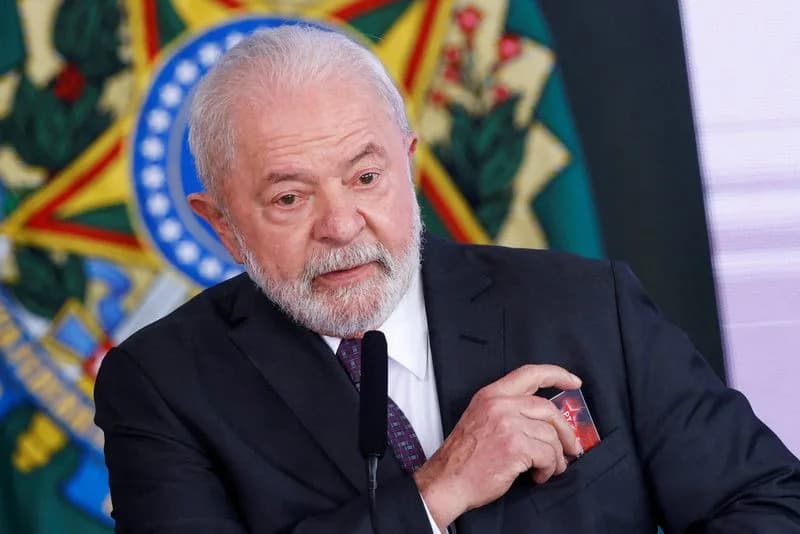
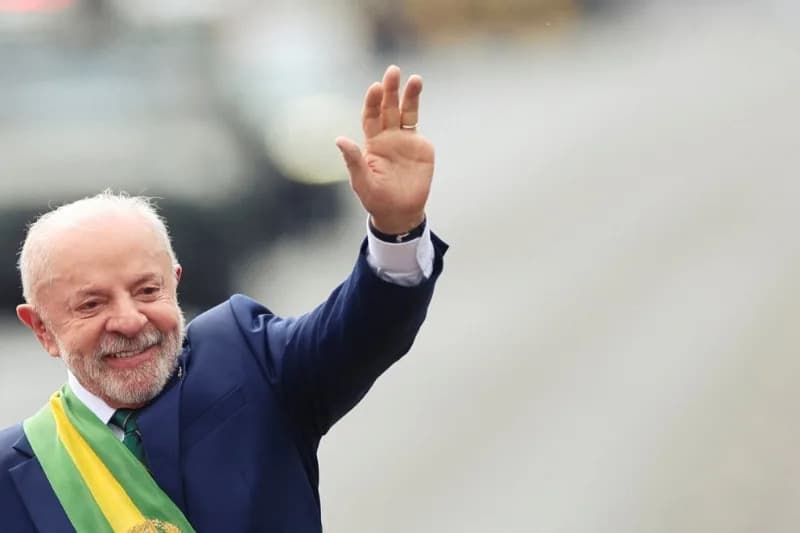
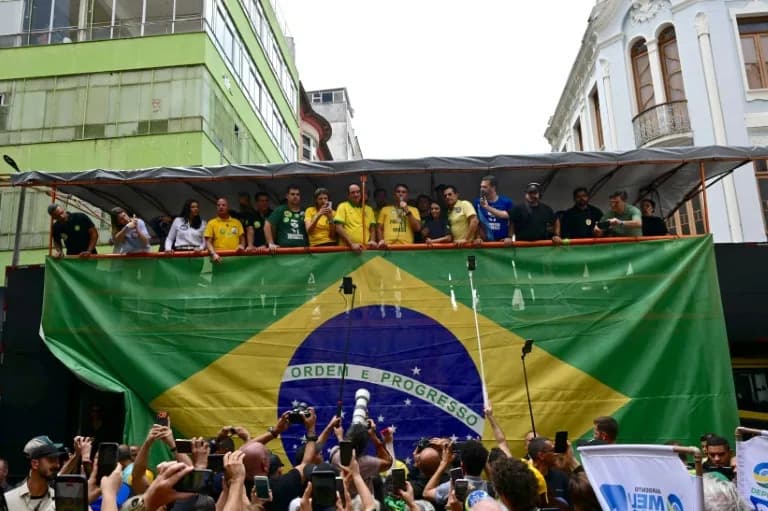
As Brazil heads toward a razor-thin first-round vote on October 4, President Luiz Inácio Lula da Silva and challenger Flávio Bolsonaro have each mobilized volunteer "digital armies" to amplify messages and contest voters across social media platforms.
Coordinated Campaigns and Ready-Made Content
On the right, Gustavo Gayer — a congressman allied with the Bolsonaro family — promoted Direta Já ("Right Wing Now"), a platform launched in July that combines a website and WhatsApp groups. Supporters receive daily "visual ammunition": ready-made posts and videos they can filter by social platform or topic and repost to their own feeds. The site’s largest collection, reportedly about 200 items, focuses on criticism of the Workers' Party (PT), touching on public security, food prices and alleged corruption.
Direta Já itself says the initiative has generated more than 50 million interactions. An AFP probe found that a single video highlighting inconsistencies in a Lula statement was shared by more than 500 supporters.
The Left's Countermove
Lula’s team launched its own mobilization effort, dubbed Lula's Spokespersons, urging supporters to "join the fight via computer and mobile phone." Through WhatsApp networks more than 140,000 people reportedly receive daily "missions" to share posts that promote Lula’s policy proposals or critique his opponent. "If you are part of this army, rest assured: on the 4th, we will win the election," Lula told supporters during a September livestream.
"We need the humility to acknowledge this. They often win these online clashes," said Guilherme Boulos, secretary-general of the presidency, explaining the left's drive to match the right's online organization.
Smaller Campaigns, Gamification and Youth Mobilization
Smaller candidates are also using digital tactics. Renan Santos, polling in the low single digits, built an app that rewards supporters with points and rankings when they share content. The app’s top-ranked user, Joao Victor, a 25-year-old university student, told AFP he participates to "help bring about change in the country."
Legal Questions and Election Rules
Both major camps have filed complaints at Brazil’s Superior Electoral Court (TSE), accusing each other of attempting to skirt campaign rules and run coordinated negative campaigns. Campaign representatives have told AFP they are complying with electoral laws, and the TSE cases remain pending.
Election-law attorney Nahomi Helena de Santana warned that organized digital mobilization could cross legal lines if posts were exchanged for an "economic advantage," or if content included disinformation or slander. She added that dissemination through an "organized" network could attract stiffer penalties.
AFP sought comment from many digital activists linked to both campaigns; several either did not respond or declined to speak, saying they were "doing nothing wrong." The online tactics underscore social media’s growing role in Brazilian politics and raise fresh questions about how election rules apply to coordinated digital outreach.
Help us improve.