Election Day is Nov. 3, 2026. This guide explains who can register, how to check and update registration, and the differences between absentee voting and universal vote‑by‑mail. It covers early voting rules, tracking and "curing" mail ballots, ID requirements, what to do about voter intimidation or federal agents at polling places, and where to find state-specific deadlines and sample ballots. For definitive state guidance, consult official election websites and resources such as Vote.org and Ballotpedia.
Your Questions About Voting in the 2026 Midterms — What You Need to Know
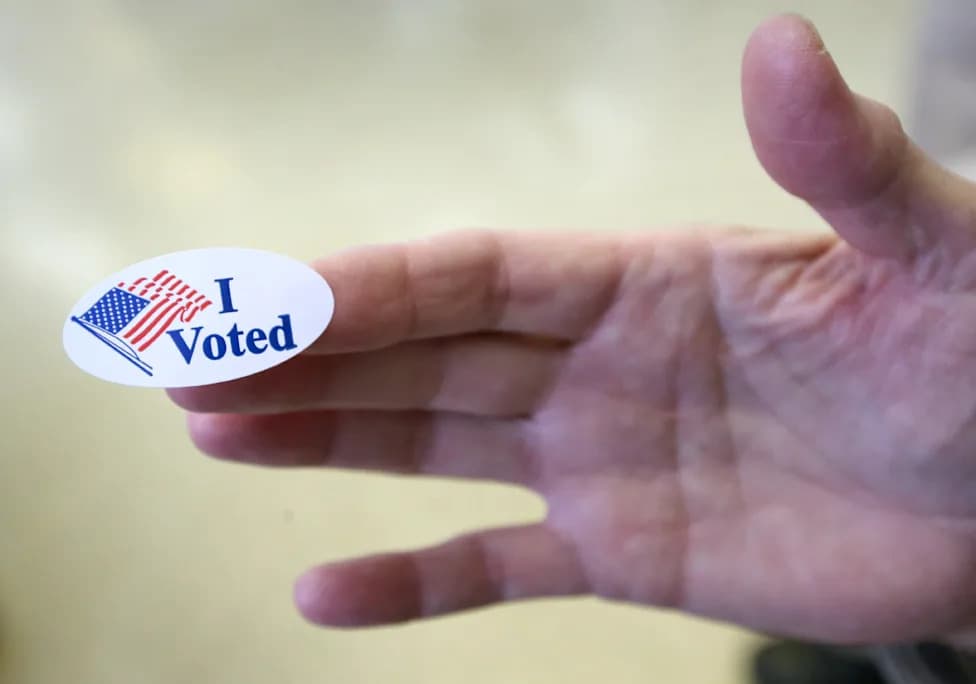
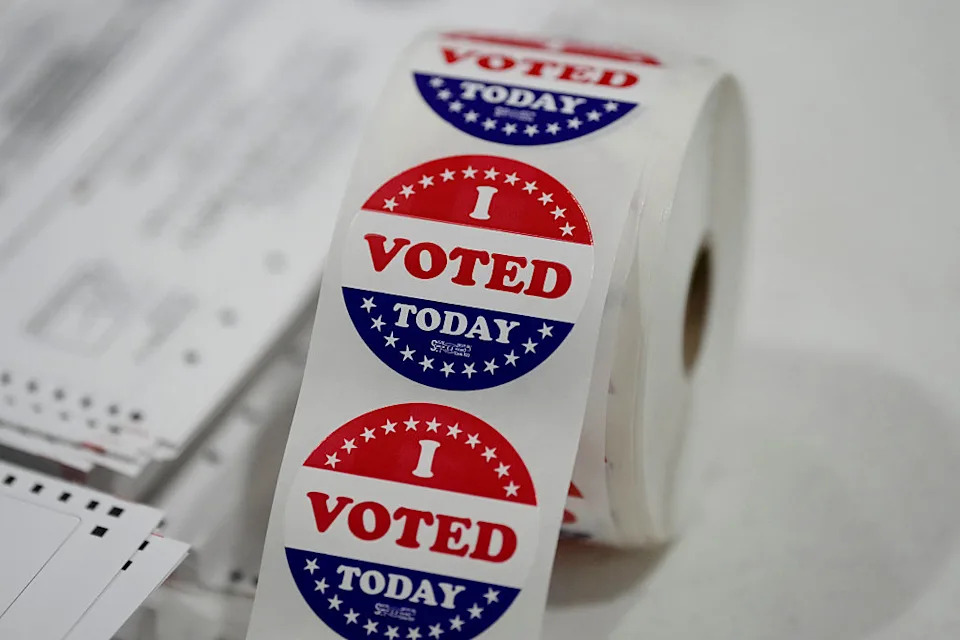
A sticker is presented to voters after they submit their ballot. —Jeff Taylor—The Winchester Star via AP
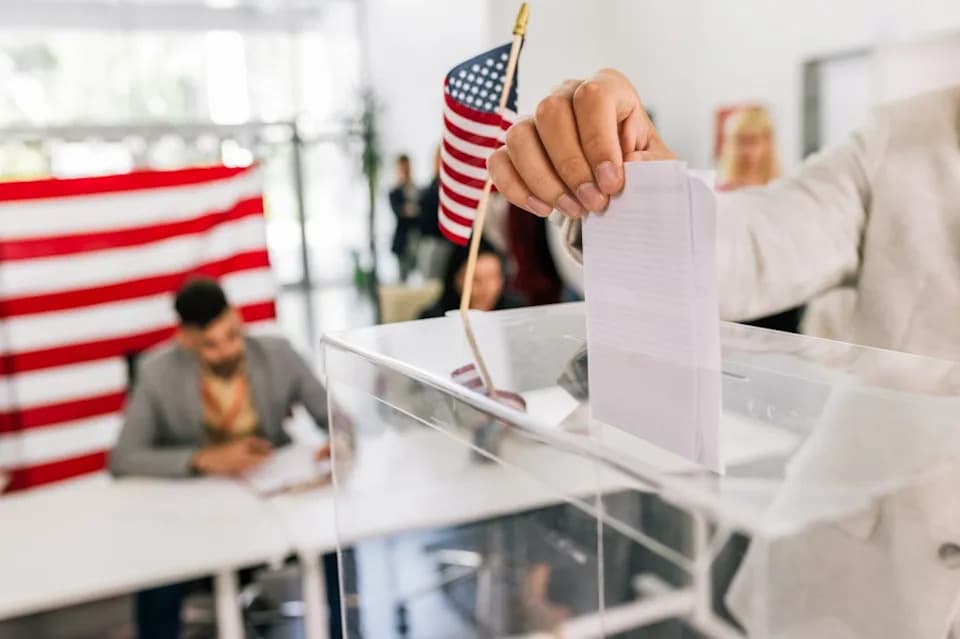
Election Day is Nov. 3, 2026. The midterm elections — held halfway through the presidential term — let voters choose local and state representatives, decide state ballot measures and help determine which party controls Congress. These midterms are unfolding amid unusual challenges to the democratic process, including efforts by the Trump administration to limit mail-in voting and collect voter data from some states, and questions about the presence of federal agents at polling places.
What Appears On My Ballot?
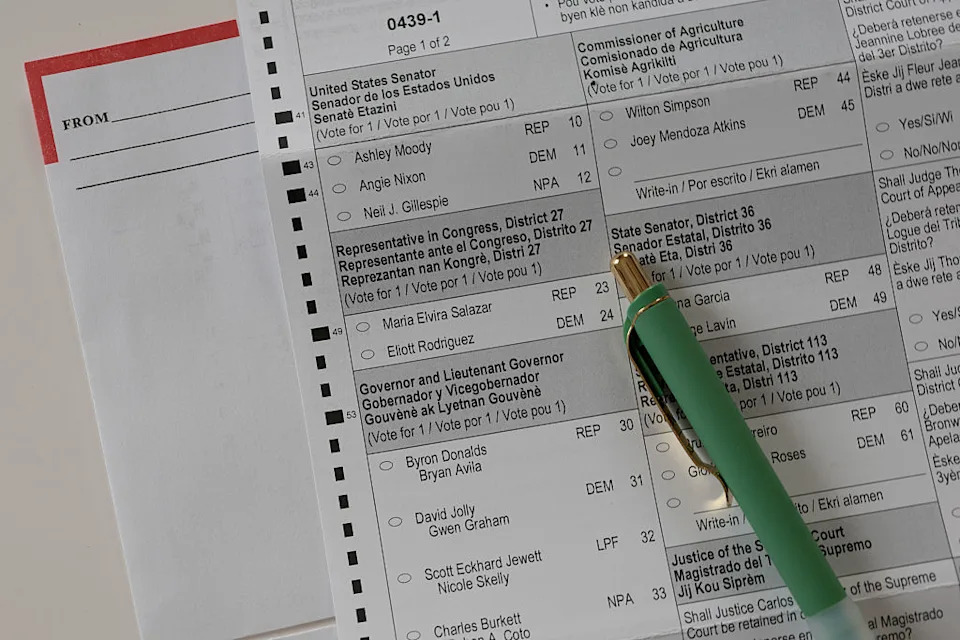
There is no single office or issue that appears on every ballot in 2026. Ballots vary by state and often by county. This year includes U.S. Senate races in 35 states, gubernatorial contests in 36 states, and all 435 U.S. House seats. Many states also have down-ballot legislative races and local offices.
Notable ballot measures: four states (Idaho, Missouri, Nevada and Virginia) will consider abortion-related measures, and six states including Alaska and Arizona will consider changes tied to citizenship requirements for voting in state or local contests. To preview your ballot, use sample-ballot lookup tools on Vote.org, Ballotpedia, or your state or local election website.
—Joe Raedle—Getty Images
Who Can Register To Vote?
To register for federal elections you must be a U.S. citizen and meet your state's eligibility and residency rules. Most states require voters to be 18 by Election Day, though many allow preregistration if you will turn 18 by Election Day. North Dakota does not require voter registration. People experiencing homelessness can usually vote; they may use a shelter, religious center or P.O. box for mailing while describing their residential location as required by state law. Non-citizens cannot vote in federal or state elections, and some local jurisdictions allow non-citizen voting in limited cases.
Rules about voting after a felony conviction vary by state; check a federal voter guide for specifics where you live.
How Do I Check, Update, Or Restore My Registration?
Check your registration at the National Association of Secretaries of State website, which will direct you to your state's election site. Most state sites ask for name, date of birth and address. To update name, address, or party affiliation, follow your state's registration or update process — the Election Assistance Commission's state map and the National Mail Voter Registration Form can help. If your registration is marked inactive because officials believe you moved, you usually remain registered and can still vote, though you may need to confirm your address or follow state-specific procedures to restore active status.
—Ellen Schmidt—AP
When Is The Registration Deadline And What Documents Do I Need?
Registration deadlines and document requirements vary by state. Many states accept a driver's license or state ID (or the number from one) and may accept alternatives such as a utility bill or bank statement. Check your state's election office or the U.S. Vote Foundation for your registration deadline and official document list.
Early Voting, Absentee Voting, And Vote‑By‑Mail
Early voting helps avoid long Election Day lines. As of 2026, 47 states plus Washington, D.C., allow any voter to vote early in person; Alabama, Mississippi and New Hampshire generally require an eligible excuse. Early voting windows and hours differ by state.
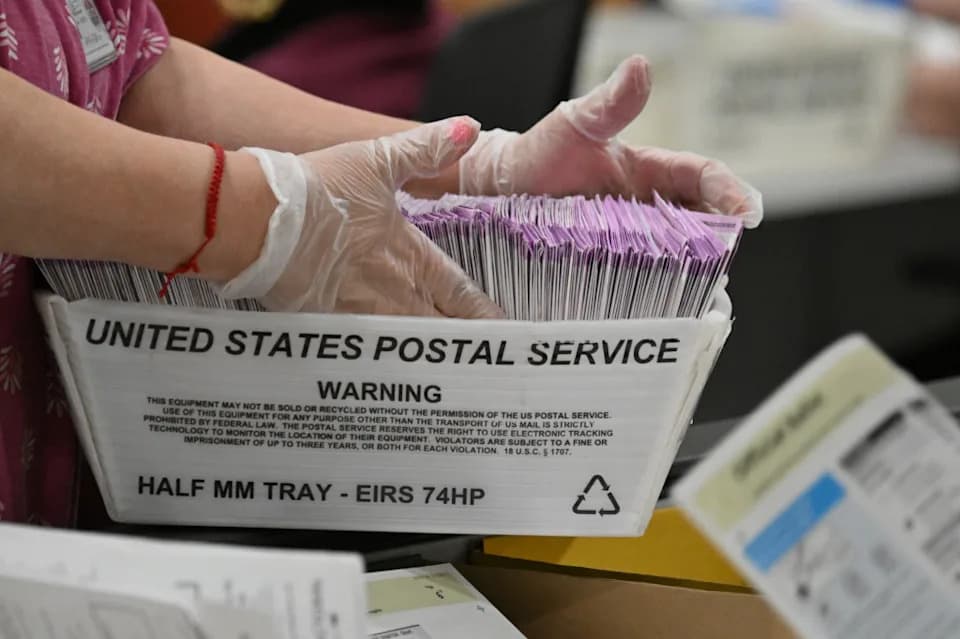
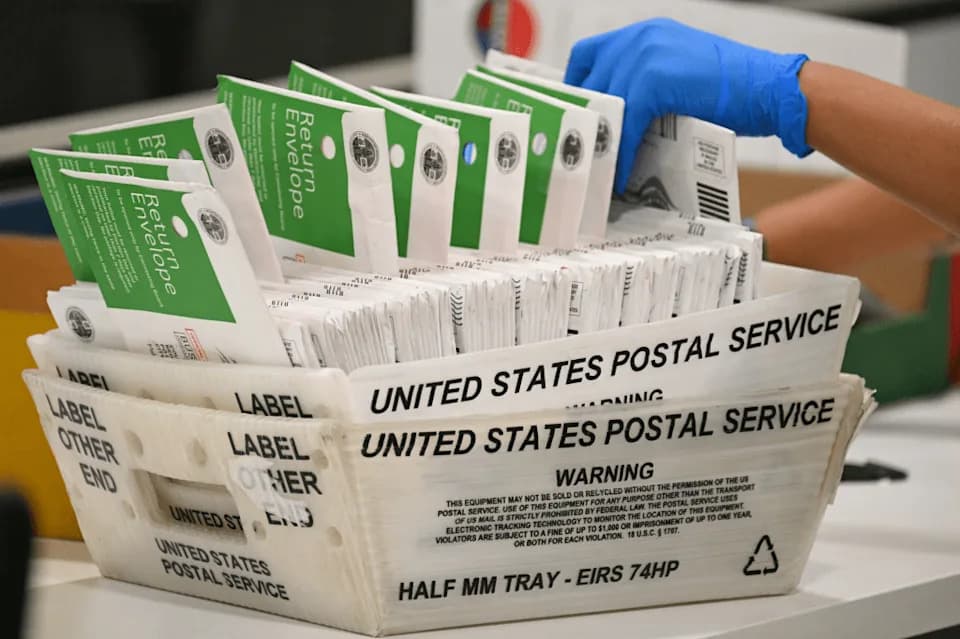
Absentee voting and vote-by-mail both let you cast a ballot without visiting a polling place. The key difference is how ballots are distributed: in universal vote-by-mail states (California, Colorado, Hawaii, Nevada, Oregon, Utah, Vermont and Washington), ballots are automatically mailed to active registered voters. In other states you must request an absentee ballot, often by a deadline and sometimes only with an eligible excuse.
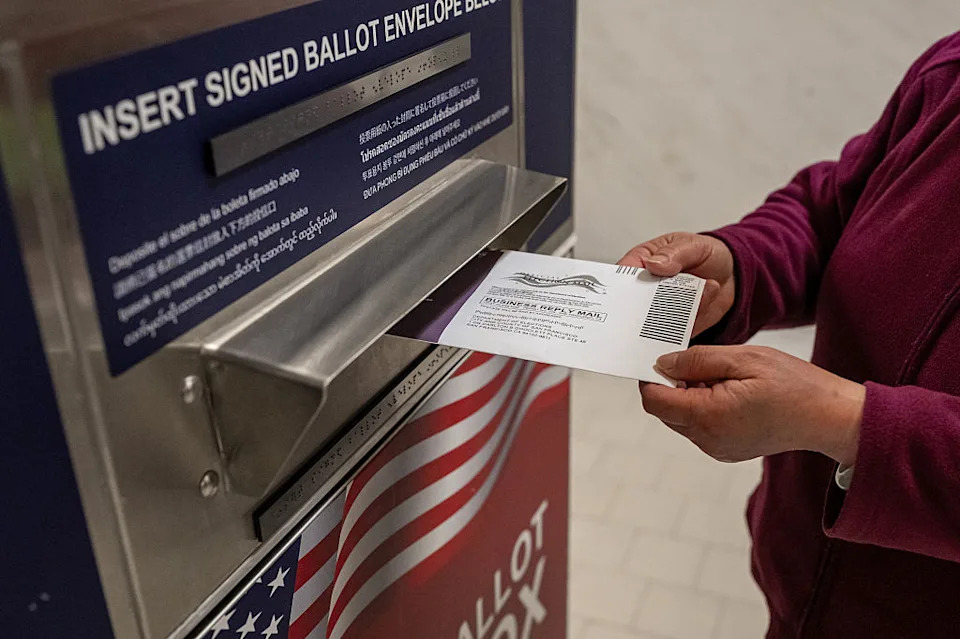
—David Paul Morris—Bloomberg via Getty Images
How Do I Request And Track A Mail Ballot?
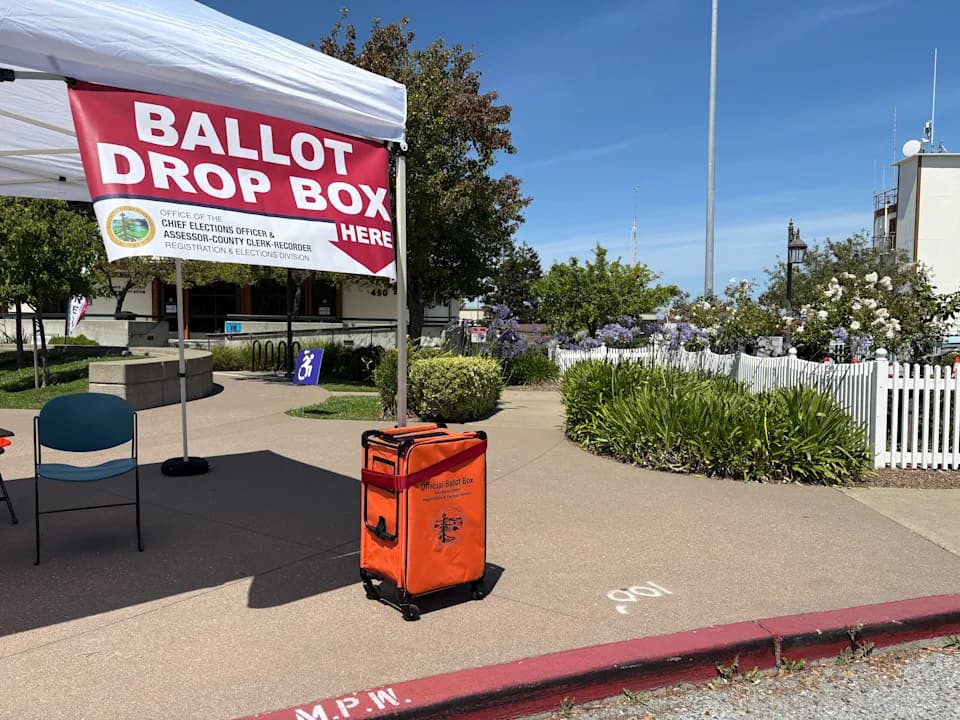
Request an absentee ballot through your state elections office or via the National Association of Secretaries of State website. U.S. citizens living abroad and absent military voters can use the Federal Voting Assistance Program and submit a Federal Post Card Application (FPCA).
Most states offer online ballot tracking so you can confirm that your mail ballot was received and accepted; if your state or locality lacks online tracking, contact your local election office directly.
What If There Is A Problem With My Mail Ballot?
If officials find an issue with your ballot — for example, a missing or unverifiable signature — they may notify you and allow a chance to "cure" the ballot by providing missing information or documentation within a state-set deadline. Follow the instructions provided by election officials and complete any cure steps promptly to ensure your ballot is counted.
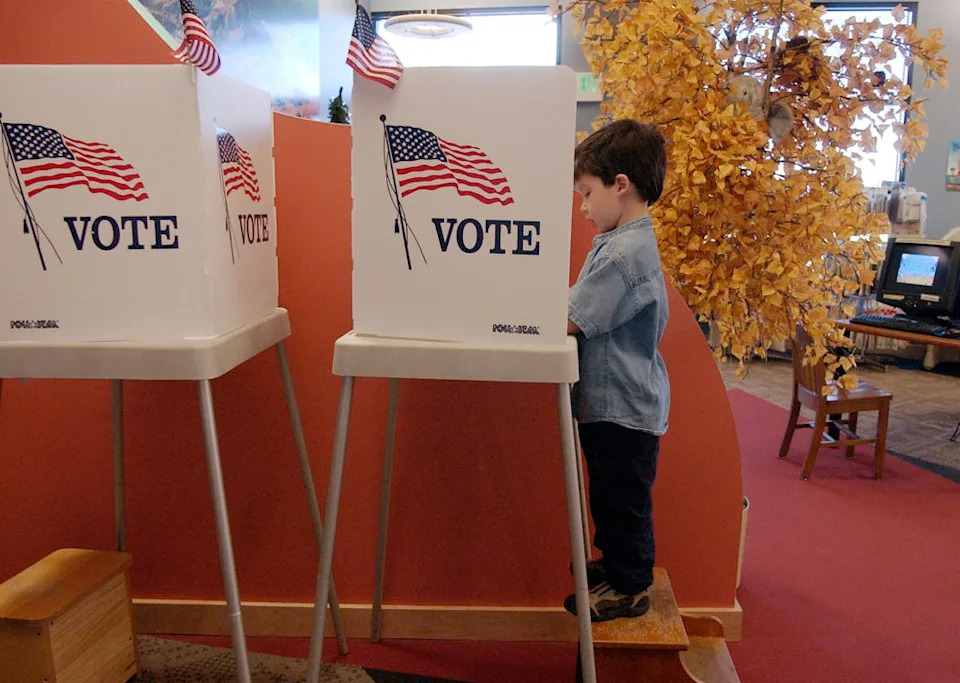
—David Jennings—Digital First Media/Boulder Daily Camera via Getty Images
Do I Need ID To Vote?
As of 2026, 36 states require some form of ID to vote. Acceptable documents vary by state and may include a driver's license, passport, voter registration confirmation, utility bill or bank statement. If you lack the requested ID, some states allow you to sign an identity affidavit or cast a provisional ballot and then provide ID after Election Day. Federal law also requires certain first-time voters who registered by mail to provide ID if their identity was not otherwise verified.
When Is The Best Time To Vote?
Wait times vary by polling place and county; mornings and after-work hours often see heavier traffic. Election Day generally produces longer lines than early voting periods. If you want to minimize waiting, consider voting during an early voting period or at off-peak hours on Election Day when your polling place publishes its schedule.
Can I Bring Children Or Pets?
Most polling places allow children to accompany voters, though rules about ages and whether they may enter the voting booth vary. Service animals are permitted; emotional-support animals and pets are usually not allowed unless explicitly authorized at that site. Check your local polling place guidelines if you plan to bring family or animals.
—Charlie Neibergall—Getty Images
What If Someone Tries To Stop Me From Voting?
Voter intimidation is illegal. If someone tries to stop or intimidate you, alert poll workers and local election officials, who can involve law enforcement if appropriate. You can also call the nonpartisan Election Protection hotline at 1-866-OUR-VOTE for assistance (Spanish: 1-888-VE-Y-VOTA; Asian languages: 1-888-API-VOTE; Arabic: 1-844-YALLA-US). If you feel in immediate danger, call 911.
What About Federal Agents At Polling Places?
The Trump administration has not announced a plan to station immigration enforcement officers at polling places but has not categorically ruled out such actions. DHS has said ICE is not planning operations that target polling locations, while indicating agents could serve warrants if necessary for public-safety reasons. Military presence at polling places has been denied by senior officials. Federal law generally prohibits stationing troops or armed personnel at polling places, and voter intimidation is illegal; report any concerning activity to the Election Protection hotline and your local election office. The ACLU recommends documenting and reporting intimidation and reviewing local election official contact information before Election Day.
How Late Are Polls Open?
Poll opening and closing times vary by state and sometimes by county. Check your state's election website or your local election office for exact hours and any county-specific differences.
Key Resources: Vote.org, Ballotpedia, National Association of Secretaries of State, Federal Voting Assistance Program, U.S. Vote Foundation, Election Protection hotline (1-866-OUR-VOTE).
Help us improve.