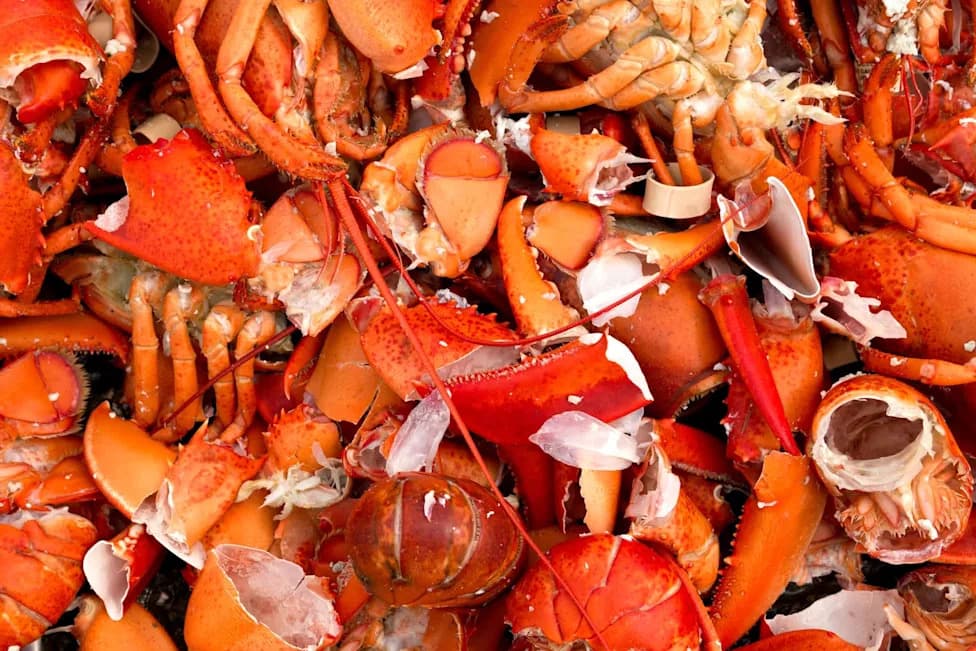
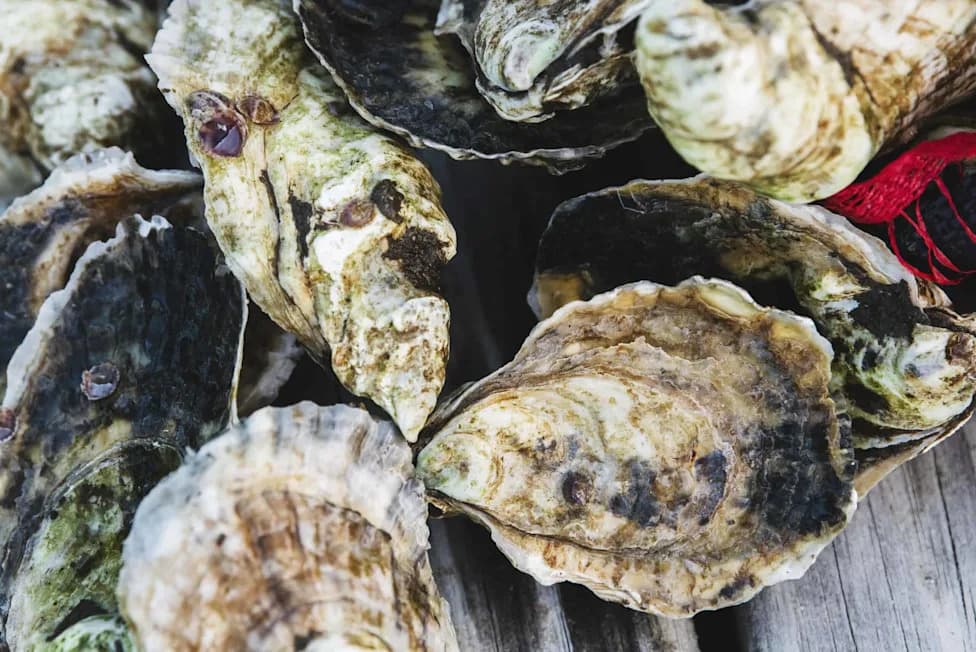
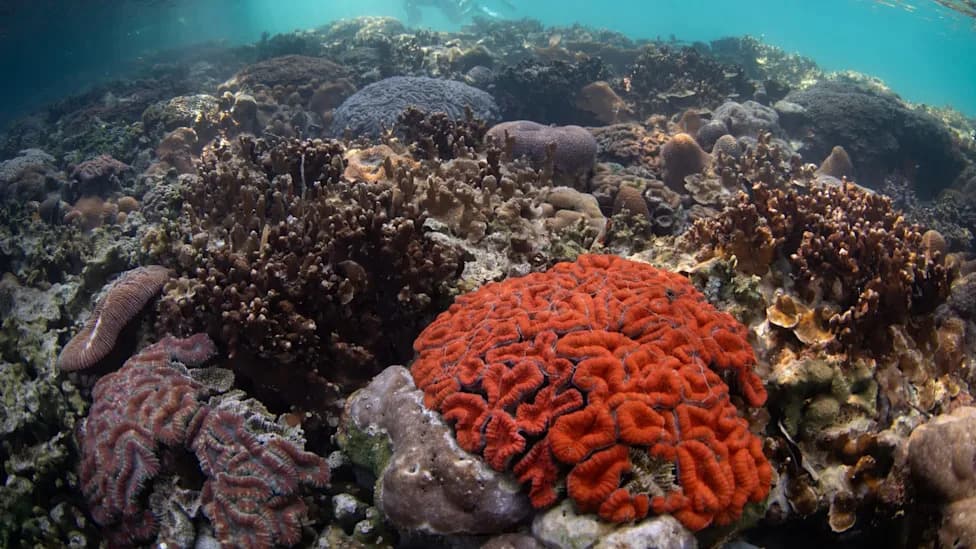
The Billion Oyster Project collects discarded restaurant shells, adds oyster larvae, and redeploys the shells in New York Harbor as reef substrate. More than 180 million shells have been returned so far, with a target of 1 billion by 2030. Restored reefs improve habitat, filter water, sequester carbon and help protect shorelines, and thousands of volunteers and schoolchildren are involved. Similar shell-recycling initiatives are active in Louisiana, Hong Kong and the Chesapeake Bay.
How New York Turns Restaurant Oyster Shells Into Living Reefs — 180+ Million Returned So Far
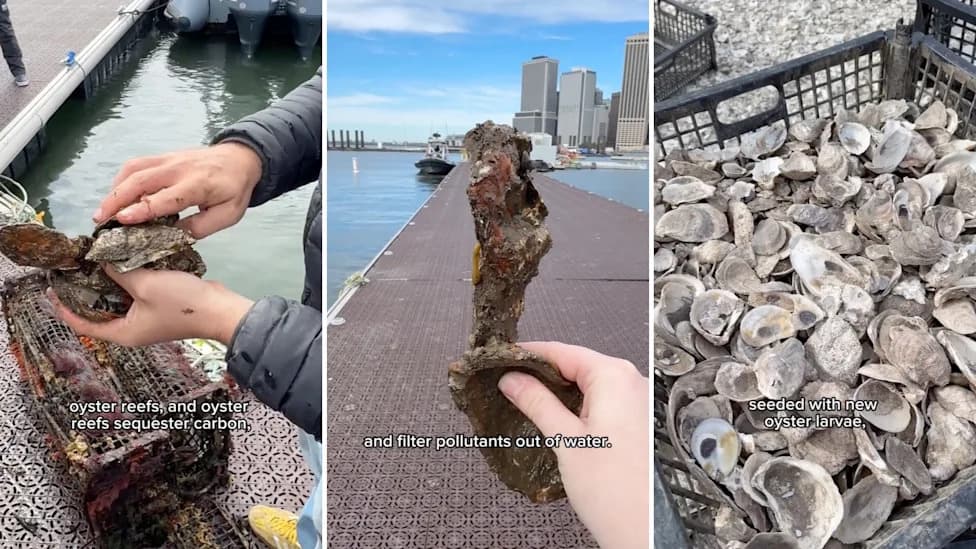
Photo Credit: TikTok
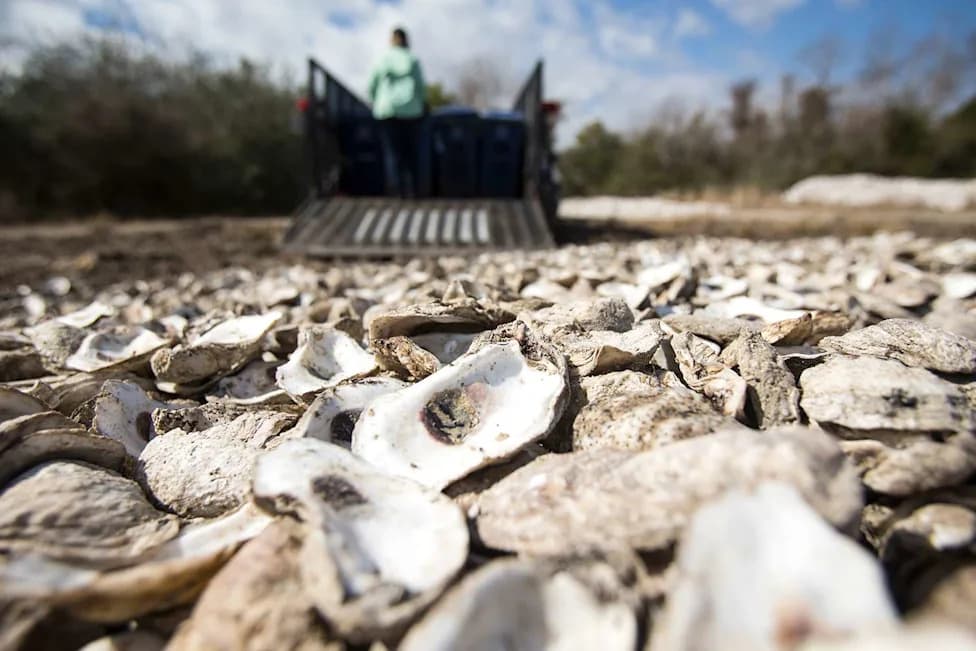
New York Harbor's oyster comeback is being powered by a simple, low-tech idea: return the shells left behind at restaurants to the water so new reefs can grow.
How It Works
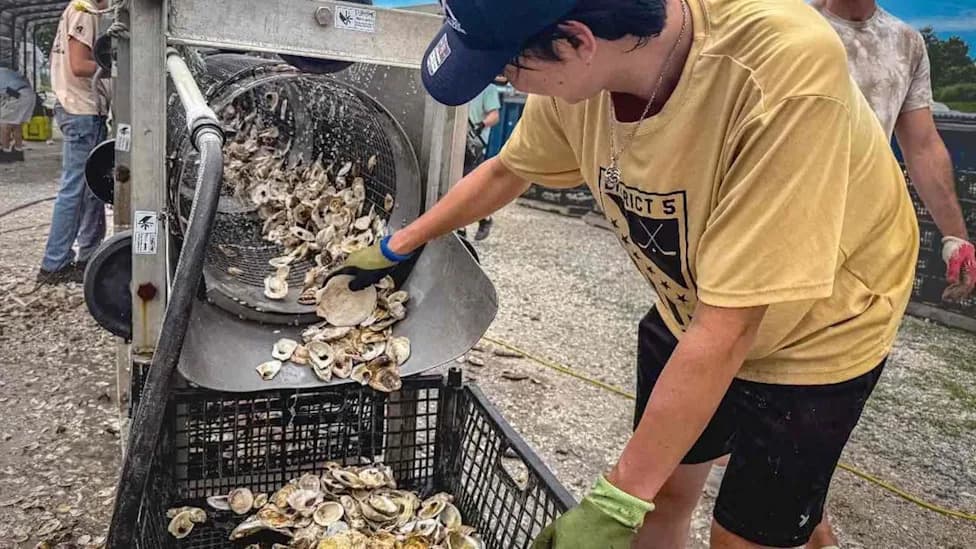
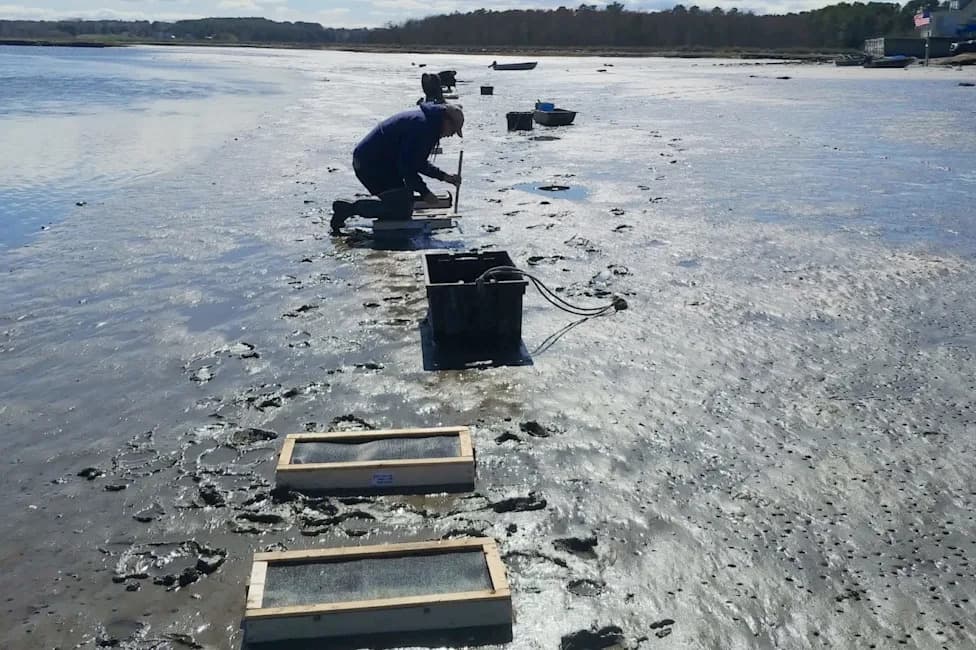
During Climate Week NYC, content creator Alaina Wood (@thegarbagequeen) toured the Billion Oyster Project and shared how volunteers collect discarded oyster shells from local restaurants, condition them with oyster larvae, and deploy them in the harbor as the foundation for new reef habitat. The program has already returned more than 180 million shells and is working toward a goal of 1 billion shells by 2030.
Why Shells Matter
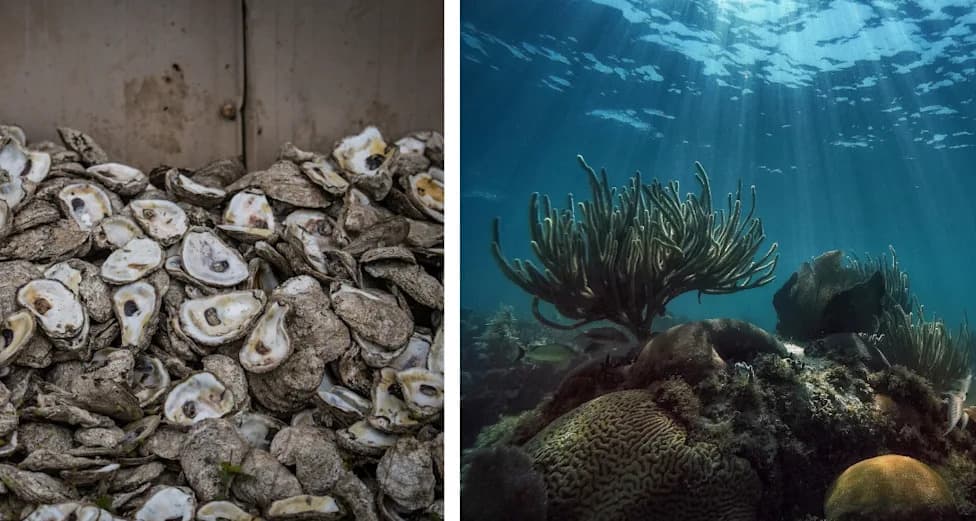
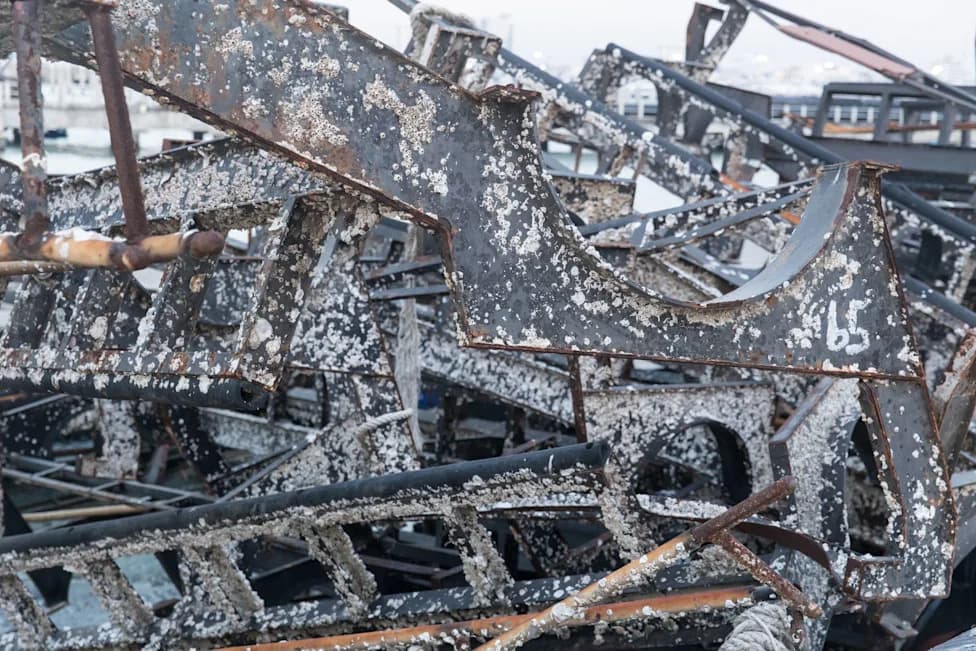
Oysters begin life by attaching to existing hard surfaces — typically older shells. By giving oyster larvae a place to settle, restored shells allow reefs to grow and accumulate over time. Those reefs deliver multiple environmental benefits:
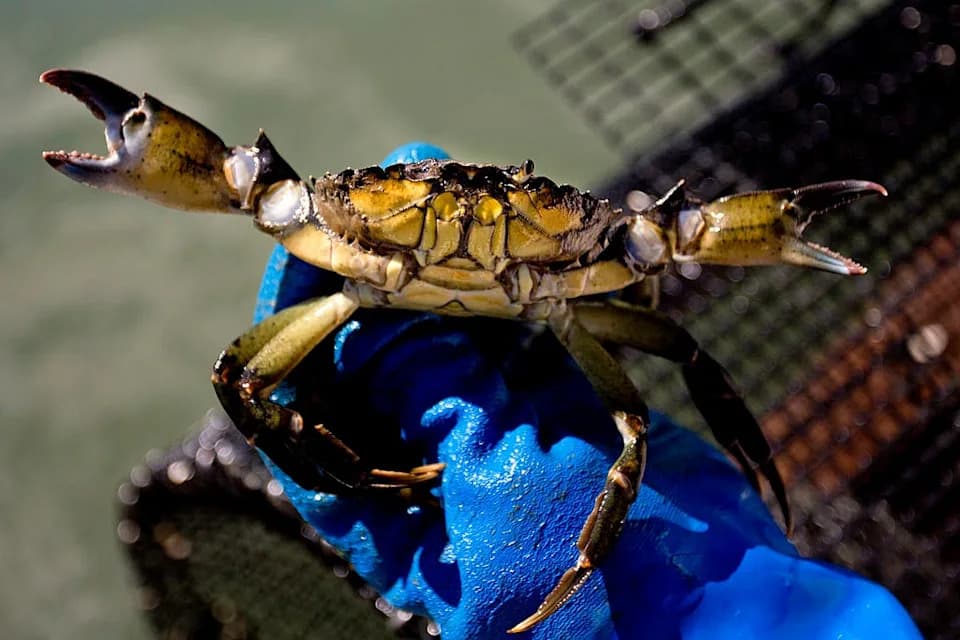
- Create habitat for fish, crabs and other marine life
- Filter and improve water quality by removing pollutants
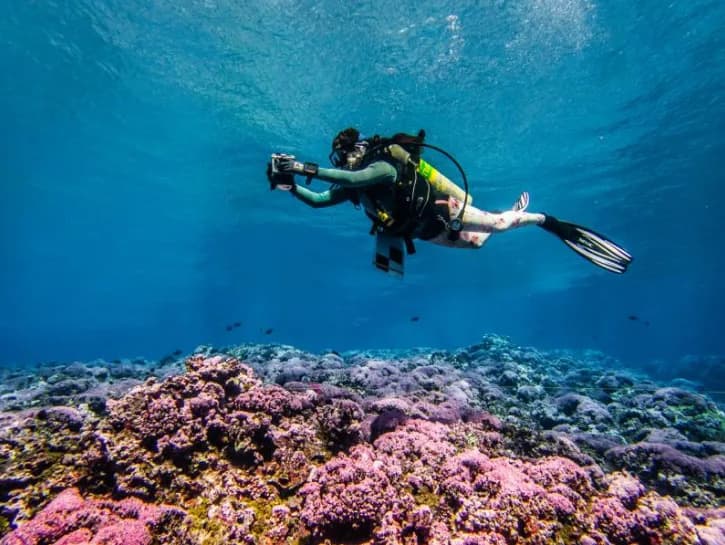
- Sequester carbon in reef structures and surrounding sediments
- Reduce shoreline erosion and soften wave energy during storms
"Their work has helped make the harbor cleaner and more full of life than it has been in over a century," Wood noted in her video.
Community Science and Outreach
The project relies on thousands of volunteers and schoolchildren who collect shells, help condition them, and participate in reef-building events—giving local communities a hands-on role in coastal restoration. Social media coverage, like Wood's TikTok, helps raise awareness, attract donations, and boost volunteer sign-ups.
Similar Efforts Beyond New York
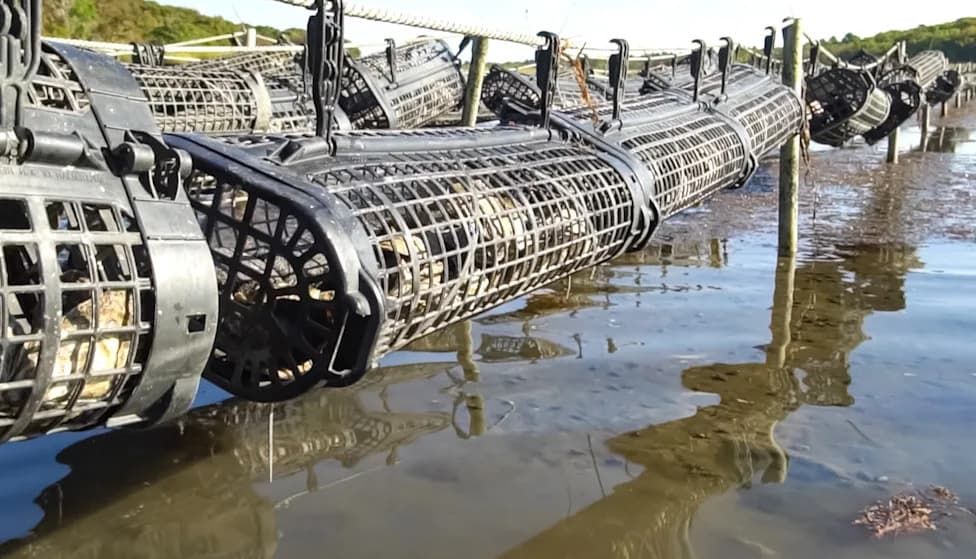
Oyster shell recycling and reef restoration are proving effective in other regions as well: groups in Louisiana (including CRCL) are turning restaurant shells into reefs to rebuild wetlands; projects in Hong Kong are using shells to restore damaged coastal bays; and Chesapeake Bay volunteers are growing oysters in community gardens to improve local water quality.
Returning shells to the water is a small behavioral change with outsized benefits: it helps reverse biodiversity loss, strengthens coastal resilience and gives urban communities a tangible way to participate in ecosystem recovery.
Help us improve.