The University of Maine is turning discarded lobster shells into a powdered composite used to make golf tees, building on more than a decade of research into shell-waste applications. The process — drying, milling and combining shell powder with natural binders — aims to reduce landfill disposal costs, create new revenue for fishermen and offer an eco-friendlier alternative to plastic tees. Durability tests are ongoing, and if successful the material could replace some conventional plastics in single-use and agricultural products.
From Shell To Tee: UMaine Turns 50,000 Tons Of Lobster Waste Into Golf Tees
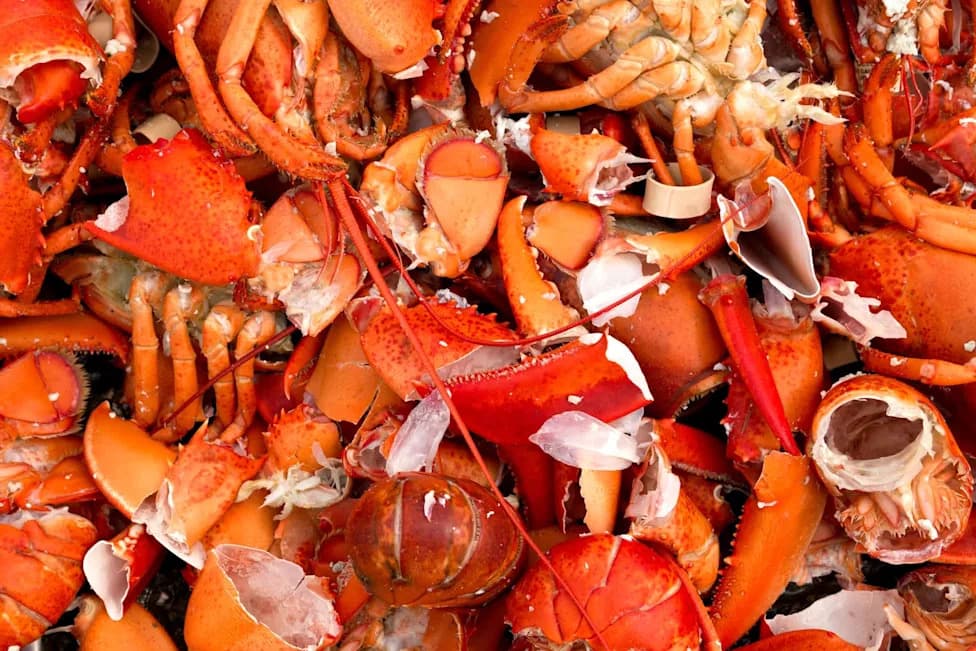
Photo Credit: iStock
Researchers at the University of Maine are converting discarded lobster shells into rigid composite golf tees — an unexpected but practical product that could deliver environmental benefits and new revenue streams for Maine's seafood industry.
How The Process Works
For more than a decade, UMaine teams have explored uses for lobster shell waste. For this project, Shucks Maine Lobster Company supplies the shells. Researchers dry, crush, mill and screen the shells into a fine powder, then combine that powder with other natural ingredients through a proprietary process to form a durable composite used to make golf tees and other single-use items.
Testing And Color
The team is testing the lobster-shell tees against standard wooden and plastic versions to evaluate durability and performance. They can also add natural food dyes to produce different colors without relying on synthetic pigments.
Why It Matters
Maine's lobster industry produces roughly 50,000 tons of shells each year; some processors currently pay to dispose of that material in landfills. In the United States, more than 1 billion wooden golf tees are discarded annually, while broken plastic tees can fragment and remain on courses, posing risks to wildlife and groundskeeping equipment. A tee made in part from shell waste offers a more natural, potentially less harmful alternative in a product category often treated as disposable.
The effort also addresses economics: turning a low-value byproduct into a marketable product could lower disposal costs for processors and create added revenue for fishermen and facilities, helping to strengthen Maine's blue economy.
Broader Potential
If the composite proves durable enough for regular play, researchers see broader applications beyond golf: agricultural items, temporary uses, and other single-use products where replacing conventional plastics is desirable. UMaine has previously explored shell-based composites for similar purposes, underlining the material's wider potential.
David Neivandt, project lead, described the goal: "What we're doing in this project is using an underutilized waste material from the fishing industry, from the lobster industry. We are trying to create value-added products that can return revenues to those lobster fishermen as well as the processing facilities."
One of the researchers involved is Gregory Simms, a doctoral candidate in materials science and engineering and staff member at UMaine's Advanced Structures and Composites Center, who has helped test and refine the material.
Related Innovations
- Researchers have converted shrimp waste into high-performance carbon materials for water-cleaning systems.
- Startups such as TOMTEX are experimenting with leather alternatives made from shrimp shells and coffee waste.
- Companies like Genecis are turning food scraps into biodegradable plastics using bacteria rather than fossil fuels.
Products made from repurposed natural waste can reduce reliance on virgin materials and support more circular manufacturing systems. For consumers wanting to make similar choices, selecting plastic-free alternatives for everyday items is a practical first step.
Help us improve.