Delaware began sinking retired NYC “Redbird” subway cars into the Atlantic in 2001 to build artificial reefs, deploying about 714 cars off Slaughter Beach and ultimately placing over 1,300 across state sites. Within roughly seven years the reef supported an estimated 400 times more food per square foot than nearby sandy seafloor, largely because the cars provide three-dimensional hard surfaces for mussels, oysters and other organisms. The program saved the MTA an estimated $11–$13 million in disposal costs but sparked controversy after asbestos was discovered in some cars and New Jersey withdrew. More than two decades later, the steel frames still support marine communities and are cited as a successful reef-building example compared with failed tire-reef efforts.
How 714 Retired NYC 'Redbird' Subway Cars Became Delaware’s Thriving Artificial Reef
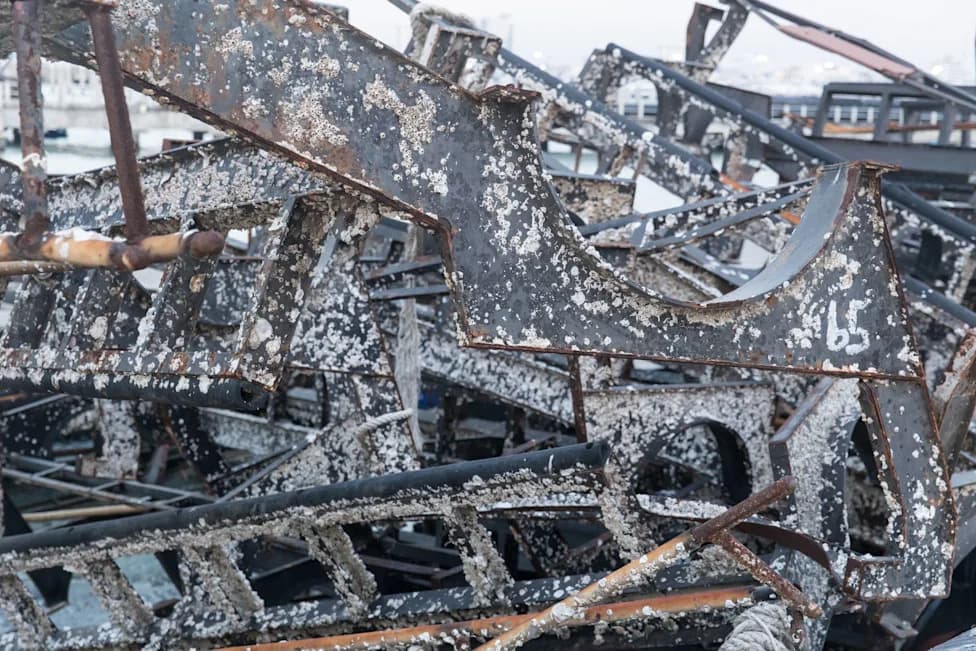
Since 2001, Delaware has deliberately sunk decommissioned New York City “Redbird” subway cars into the Atlantic to create one of the state’s most successful artificial-reef projects. What began as a cost-saving disposal method for the MTA evolved into a long-term habitat that dramatically increased local marine productivity.
Program Background and Preparation
The cars were retired Redbird models, a fleet the MTA had operated since the 1960s. Instead of scrapping them, the transit agency arranged transfers to states willing to place the cars offshore as reef material — a move that reportedly saved the MTA an estimated $11 million to $13 million in disposal costs versus conventional scrapping.
Before sinking, crews removed anything that could float away or pose a hazard: seats, light fixtures, advertising panels, loose fittings and doors and windows (the latter to prevent diver entrapment). Lead paint and other obvious contaminants were stripped where feasible.
Redbird Reef: Deployment and Ecological Results
Delaware embraced the idea in earnest. About 714 stripped subway cars were placed off Slaughter Beach, roughly 16 miles offshore, forming what is now called Redbird Reef. The state continued the program for years and ultimately placed more than 1,300 cars across several reef sites before the supply of retired subway cars was exhausted, according to Delaware public radio station WHYY.
Jeff Tinsman, artificial-reef program manager at the Delaware Department of Natural Resources and Environmental Control, monitored the project’s ecological performance. Within roughly seven years, he reported that the reef supported dramatically more life than the surrounding sand — “When you compare the amount of food available on this reef to the natural amount, there is 400 times as much food per square foot as the sand bottom,” he said in comments carried by the Las Vegas Review-Journal.
“They are still three dimensional, and provide thousands and thousands of square feet of hard surface for invertebrates to live on,” Tinsman said. “Mussels, oysters and other filter feeders latch onto the steel car frames, and the fish that eat them follow. Fish such as black seabass are not fast swimmers, so need structure to provide both food and shelter.”
Controversy and Comparisons
The program wasn’t without concern. New Jersey initially agreed to accept hundreds of the same subway cars but later withdrew after discovering asbestos in some cars; environmental group Clean Ocean Action warned about risks from airborne fibers. At the time, an EPA regional oceanographer argued that any in-water exposure risk would be minimal and unlikely to harm marine life. Delaware continued the reefing program despite the dispute.
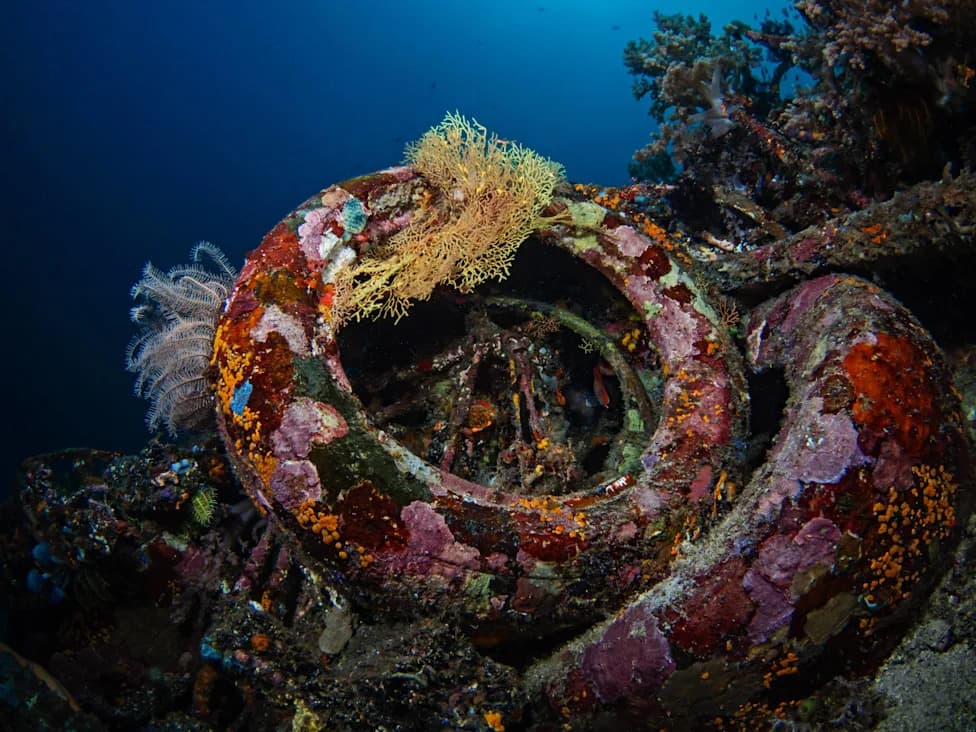
Not all reefing experiments succeeded historically: in 1972, Florida’s effort to use old tires failed when the tires scattered and damaged natural reefs. In contrast, the rigid steel frames of subway cars have proven to be stable, long-lasting structures that support sessile invertebrates and associated fish communities.
Long-Term Impact
More than two decades after deployment, the steel car frames remain on the seabed, continuing to provide three-dimensional habitat that supports diverse marine life. The Redbird Reef case is often cited as an example of how thoughtfully prepared artificial structures can enhance local ecosystems when properly designed and monitored.
Sources: Scientific American (program history), WHYY (deployment numbers), Las Vegas Review-Journal (Jeff Tinsman quotes), reporting on historical tire reef failures in Florida.
Help us improve.