Repeated closures of shellfish beds on Massachusetts' South Coast, triggered by combined sewer overflows after heavy rain, are cutting sales for weeks and threatening small oyster farms. Automatic 21-day shutdowns aim to protect public health, but advocates and scientists are calling for more targeted, storm-time testing to avoid unnecessary economic harm. Infrastructure upgrades could reduce CSOs, but full mitigation carries a high cost and will require coordinated funding and policy action.
Mass. Oyster Farms Struggle as Sewage-Linked Shutdowns Threaten South Coast Industry
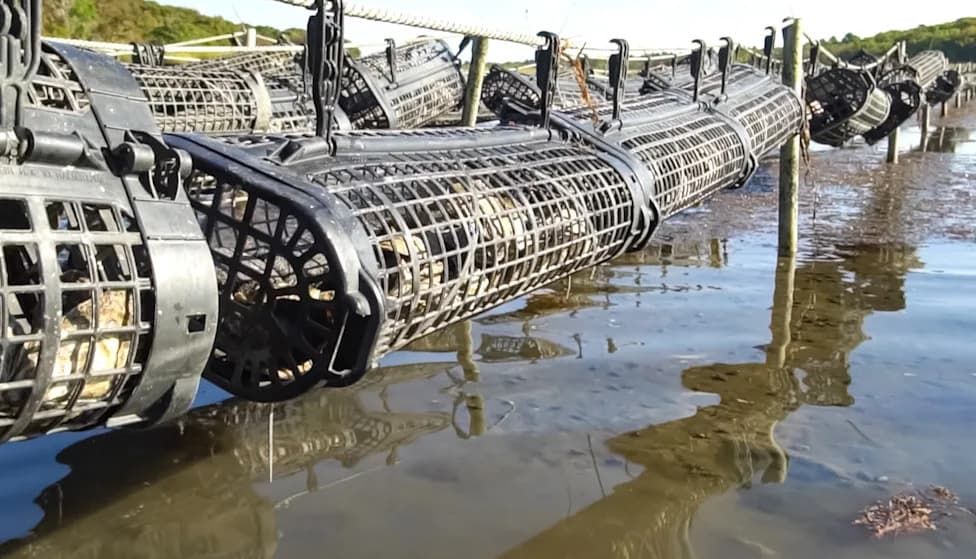
Photo Credit: iStock
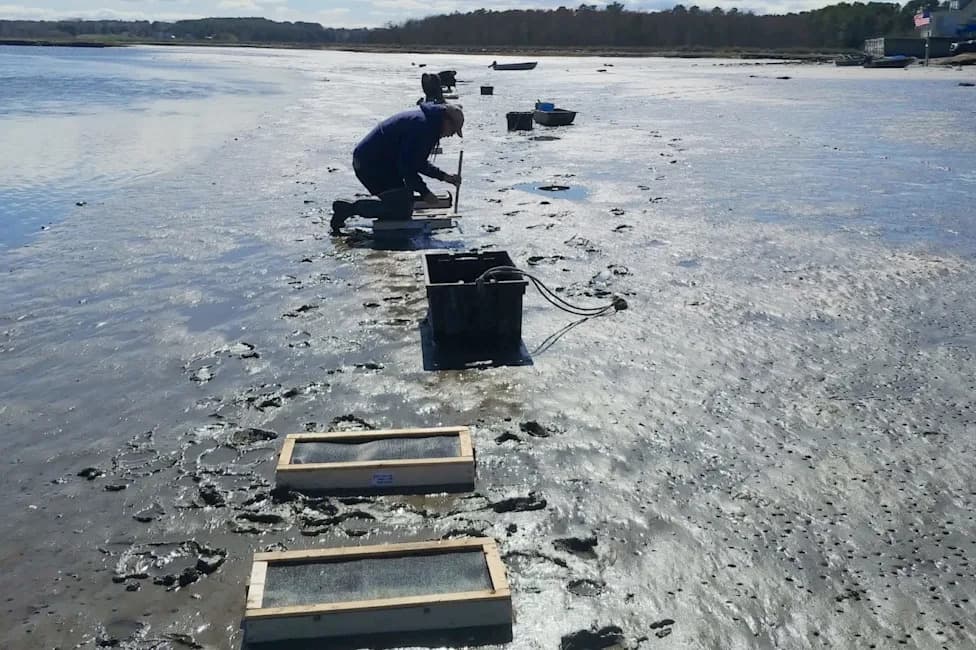
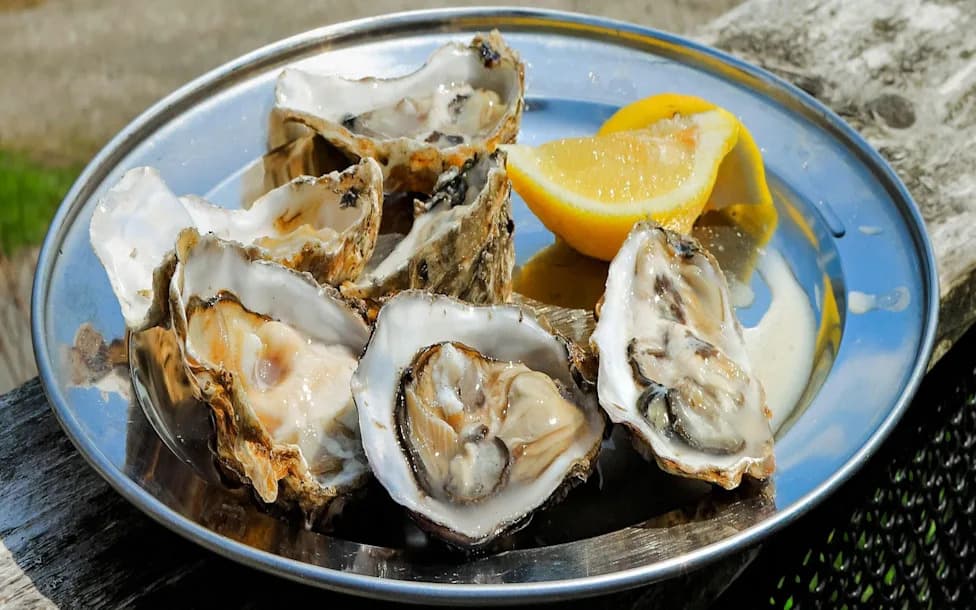
Massachusetts oyster growers on the South Coast are facing an escalating crisis as repeated closures tied to combined sewer overflows (CSOs) cut sales for weeks at a time and squeeze small operators' cash flow.
Shutdowns, Sales Losses and Community Impact
Since 2024, suspected sewage discharges after heavy rainfall have triggered automatic 21-day closures of shellfish areas while regulators monitor for bacterial contamination. Although state authorities may test shellfish after seven days and reopen beds if results are safe, successive storms can lead to repeated and consecutive shutdowns that wipe out harvest windows.
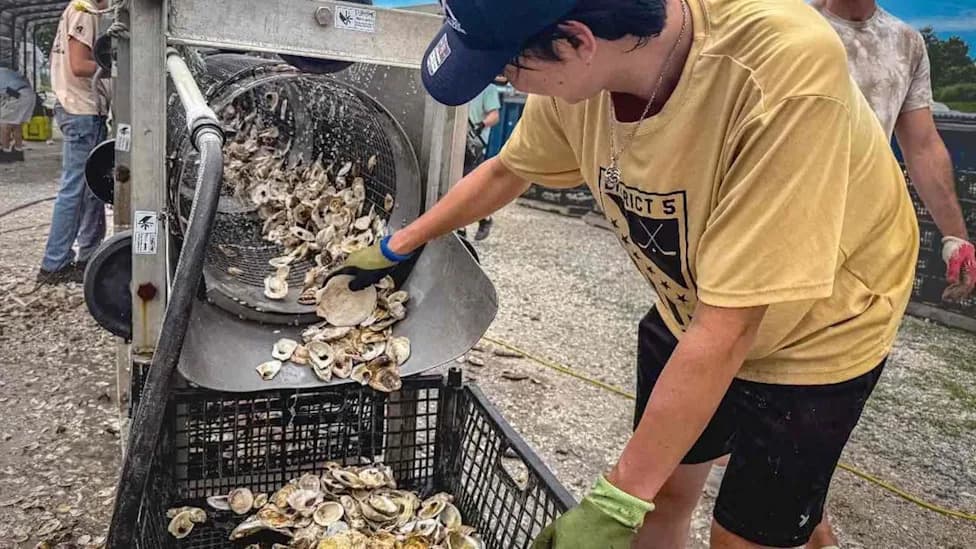
Massachusetts oyster farms produce roughly 54 million oysters a year, and Fairhaven-based West Island Oysters operates across 47 acres, making it one of the state's largest producers. Growers report that these interruptions are not only disrupting supply chains but threatening the viability of family-run and small-scale farms.
Voices From the Water
Dale Leavitt, co-owner of West Island Oysters and retired marine scientist, said the closures are becoming unsustainable for some operators: "We've already lost one farm in Nasketucket Bay, and we're probably going to lose another one very shortly. When you're closed 50% of the year to being able to sell oysters, it sort of impacts your cash flow."
Public Health, Regulation and Debate
Regulators impose closures because stormwater overflowing aging sewer systems can carry fecal bacteria into bays and estuaries, posing a risk to public health if contaminated shellfish enter the market. The federal 21-day rule is intended as a precaution, but some advocates argue it is overly broad.
Liz Wiley, executive director of the Marion Institute, told Cape & Islands that targeted testing would be more effective: "We're not saying don't test. We're just saying, test. And if there's an issue, then yes, that justifies a closure. But if there's no issue, then it doesn't justify the closure."
Science and Storm-Time Monitoring
To develop a more precise picture of contamination risk, state scientists and shellfish supervisors have begun storm-time sampling to model bacterial concentrations during and after CSO events. Matt Camisa, a regional shellfish supervisor with the Massachusetts Division of Marine Fisheries, described the work as laborious and time-sensitive: "The rain comes when the rain comes. So I can't tell you how many times I've left my house at night...to sit on the pipe in the dark and take my samples every 15 minutes."
Infrastructure, Costs and Policy Options
New Bedford reported a 94% reduction in combined sewer overflow volumes relative to 1990 levels by 2016, yet completing full CSO mitigation remains expensive — an estimated $1.2 billion to finish planned upgrades. Lawmakers on Beacon Hill have considered establishing a South Coast wastewater financing commission to help fund additional improvements.
Broader Context
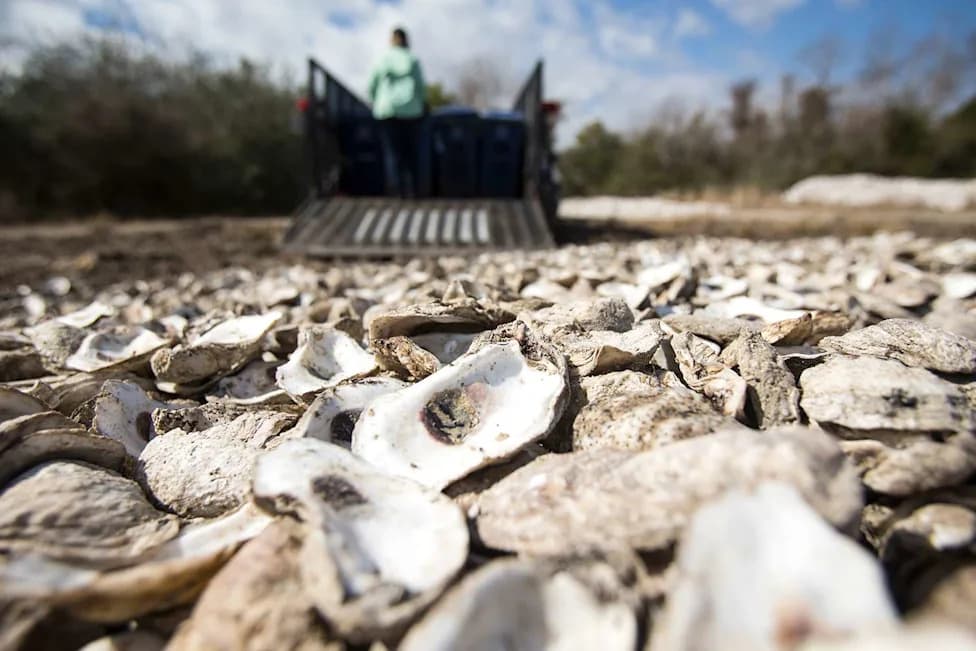
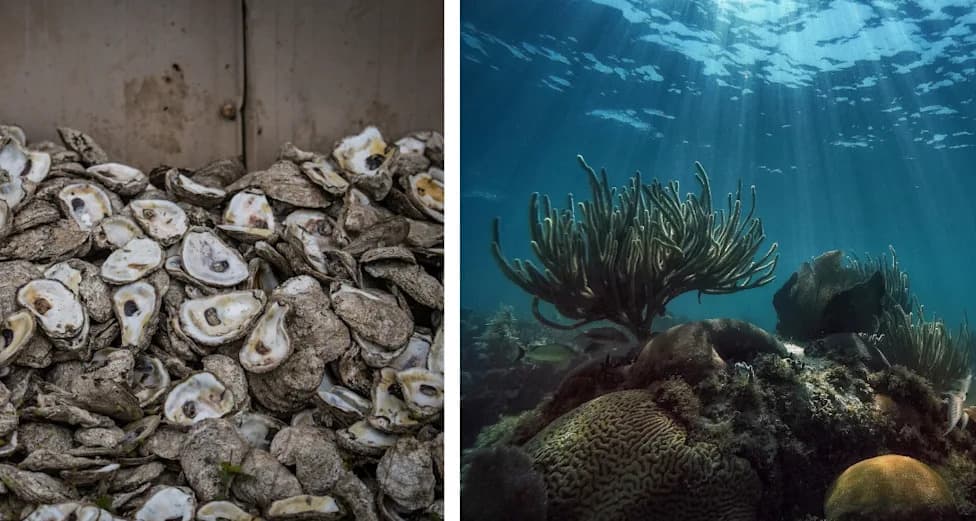
Across the East Coast, oyster farming intersects with both pollution challenges and restoration opportunities. Research highlights that oysters can help filter and improve water quality while providing low-carbon seafood. Local innovations — from volunteer-built oyster gardens to small engineering experiments — aim to restore coastal habitats and support resilient fisheries.
Looking Ahead
Resolving this dilemma will require a mix of better monitoring, targeted testing protocols, investment in aging sewer infrastructure, and policies that balance food safety with the economic survival of coastal communities. Without action, some growers warn more farms could be lost, further destabilizing local economies that depend on shellfish aquaculture.
Help us improve.