Norellraptor barsboldi is a newly described microraptorine from the Lower Cretaceous Jiufotang Formation in Liaoning, China, preserved with a nearly complete 22-inch (≈56 cm) skeleton and traces of feathers. Bone histology indicates the specimen was at least three years old, and feather remains suggest asymmetrical flight feathers on the forelimb, though preservation limits precise reconstruction. Comparative analysis shows about 30% overlap in anatomical changes with the avian lineage, but the traits appear in a different sequence, suggesting independent evolutionary paths for flight-related features.
Remarkably Preserved Feathered Dinosaur Discovered: Norellraptor barsboldi Sheds Light on How Flight Evolved
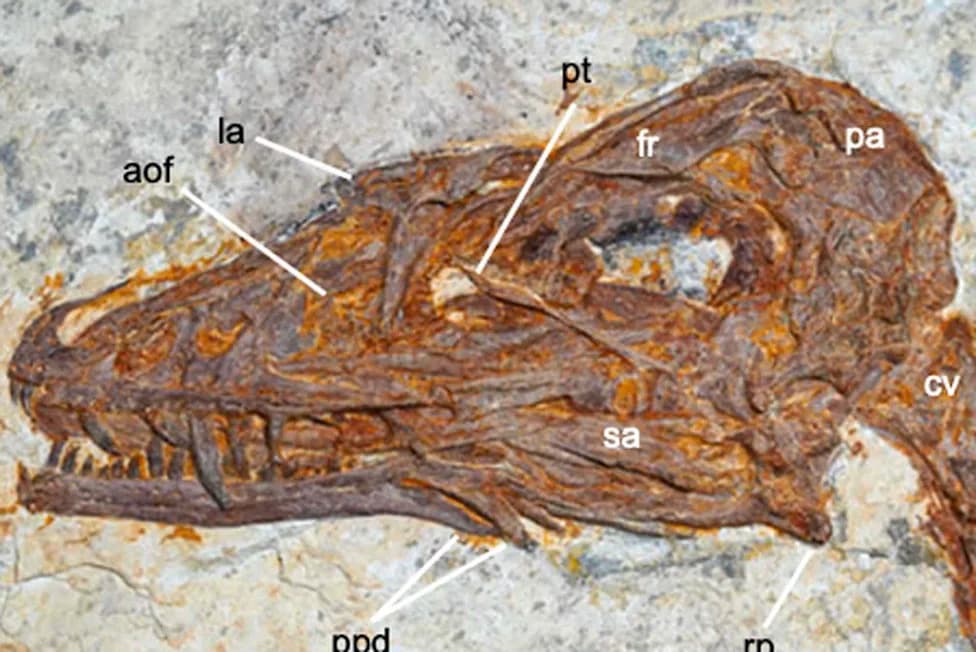
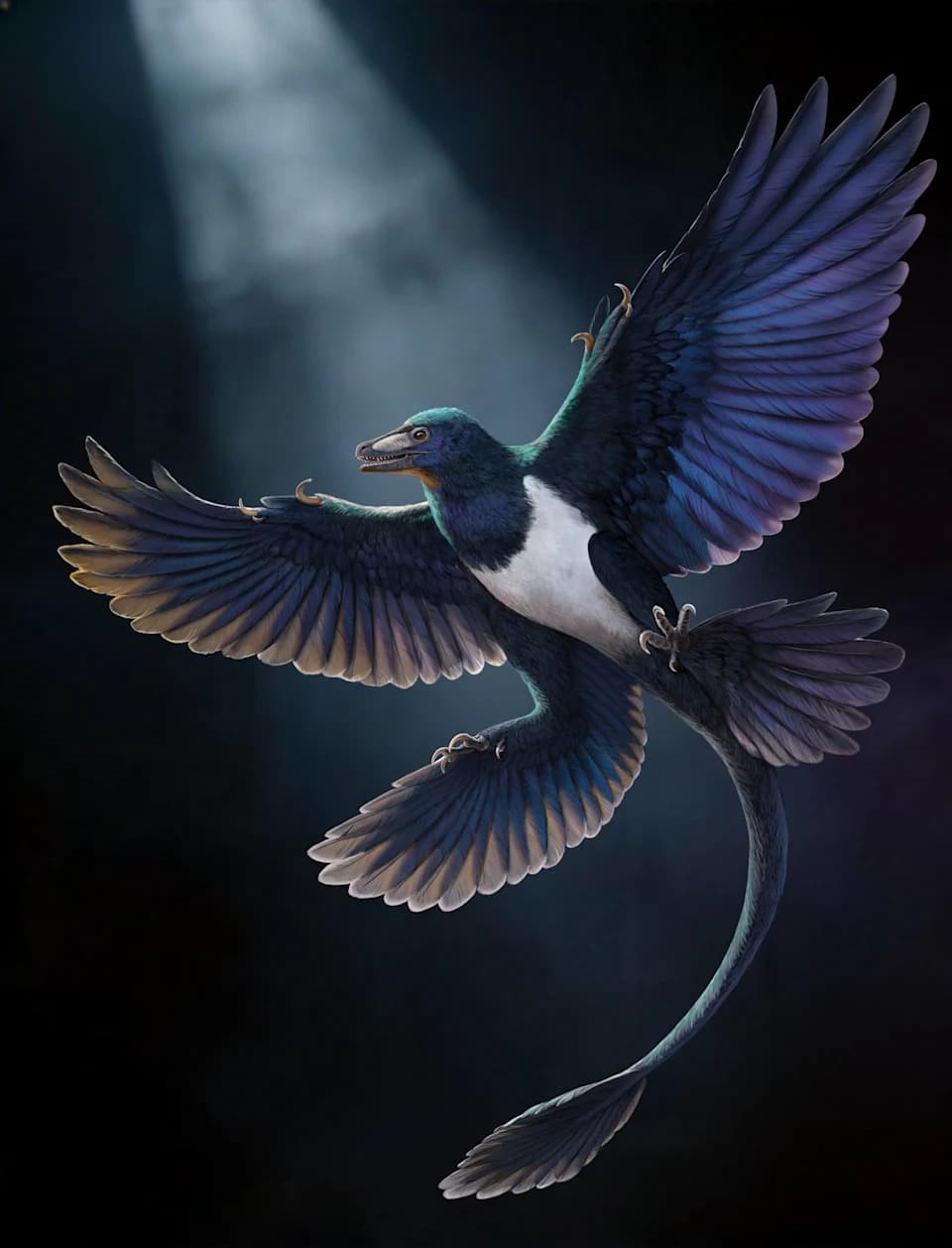
Newly identified dinosaur species Norellraptor barsboldiCredit: Nature Communications
Norellraptor barsboldi, a newly described microraptorine from northeastern China, is represented by an unusually complete fossil that preserves both bones and portions of plumage.
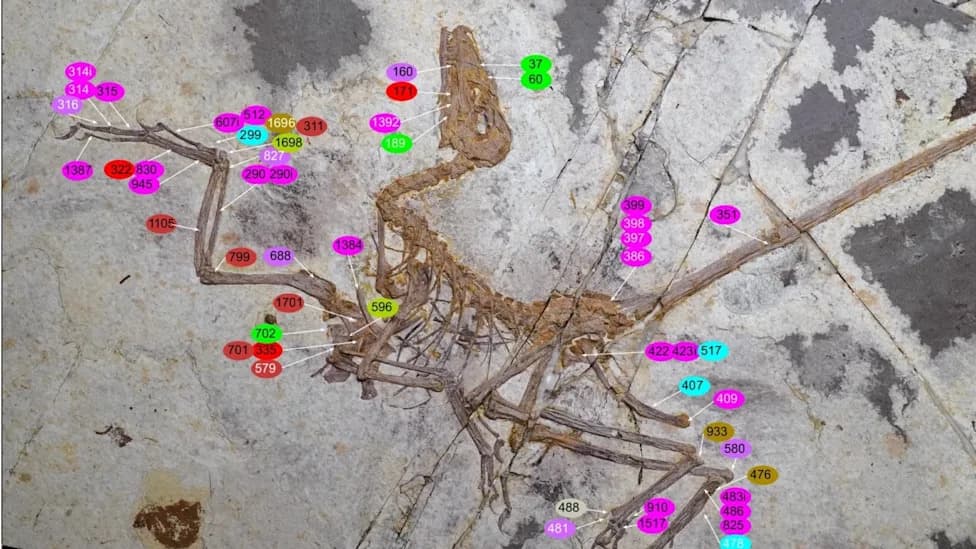
The specimen was recovered from the Lower Cretaceous Jiufotang Formation in Liaoning and was described in Nature Communications. The skeleton is nearly complete, measuring about 22 inches long (approximately 56 cm), and preserves feather traces adjacent to the forelimbs, hindlimbs and tail.
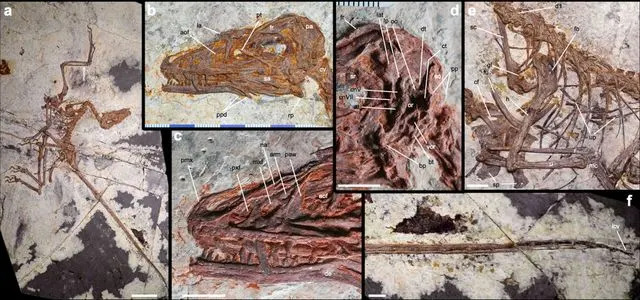
Fossils of newly identified dinosaur species Norellraptor barsboldiCredit: Nature Communications
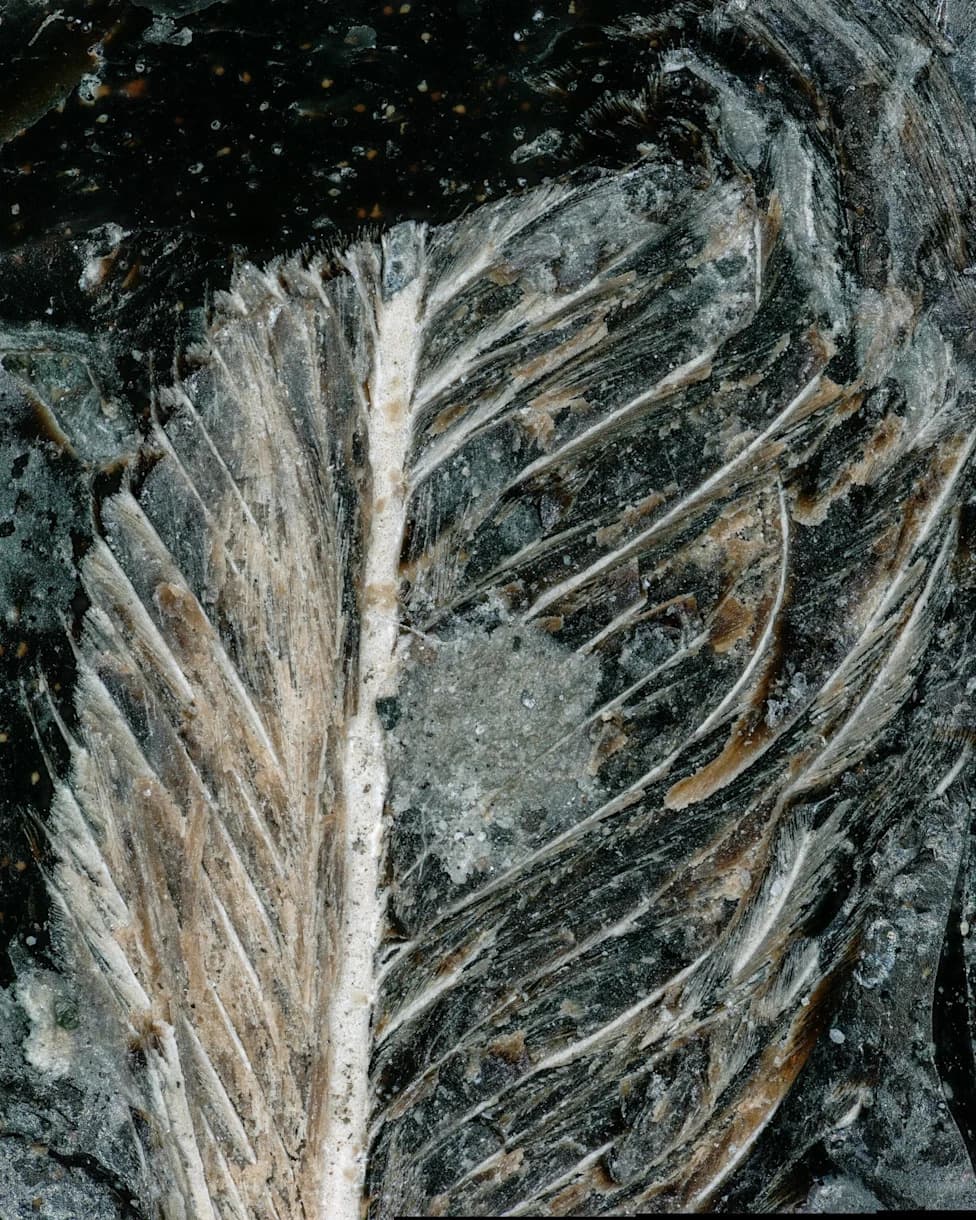
Researchers report evidence of asymmetrical flight feathers on the forelimb, a trait associated with aerodynamic function, but caution that the state of preservation limits precise reconstruction of original feather size and shape. Histological analysis of the bones indicates the individual was at least three years old at death.
What This Means for the Evolution of Flight
Microraptorines are a group of small, bird-like theropod dinosaurs. Some members display long feathers on both fore- and hindlimbs, producing four wing-like surfaces. By comparing anatomical changes across microraptorine evolution with those in the bird lineage, the team found that roughly 30% of the modifications observed in microraptorines are also present in the avian line—but crucially, these traits appear in a different order in the two groups.
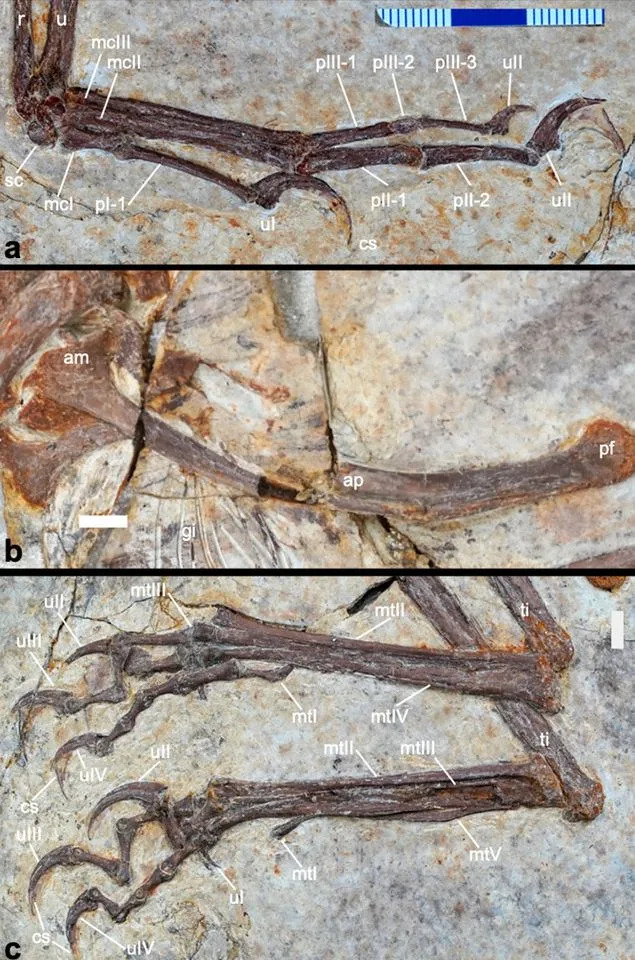
Fossils of newly identified dinosaur species Norellraptor barsboldiCredit: Nature Communications
These results challenge the idea that microraptorines and birds inherited the same flight apparatus from a recent common ancestor. Instead, similar flight-related traits may have arisen independently in response to different selective pressures.
Naming And Next Steps
The genus name Norellraptor honors Mark Norell for his contributions to the study of feathered dinosaurs; the species name barsboldi recognizes Mongolian paleontologist Rinchen Barsbold. The authors note that additional fossils and further bone-growth studies are needed to determine whether the evolutionary pattern seen in this specimen reflects a broader trend among bird-like theropods.
Key takeaways: an exceptionally preserved, small feathered dinosaur; evidence consistent with aerodynamic feathers; and comparative anatomy that supports convergent or parallel evolution of flight-related features rather than a single shared pathway.
Help us improve.