Rex Junior is a 67-million-year-old T. rex discovered at Wyoming’s Zerbst Ranch and now under study at the University of Chicago. The partial skeleton—missing its skull and much of the tail—retains unusually lifelike, three-dimensional bone positions, including a fully articulated right forelimb and an in-place wishbone. Those features suggest a narrower chest than earlier reconstructions and may reveal details of the dinosaur’s outer covering; Sereno has hinted that "there are no scales." Detailed, peer-reviewed findings are expected in early 2027.
Exceptionally Preserved Wyoming T. rex ‘Rex Junior’ Could Rewrite How We Picture T. rex
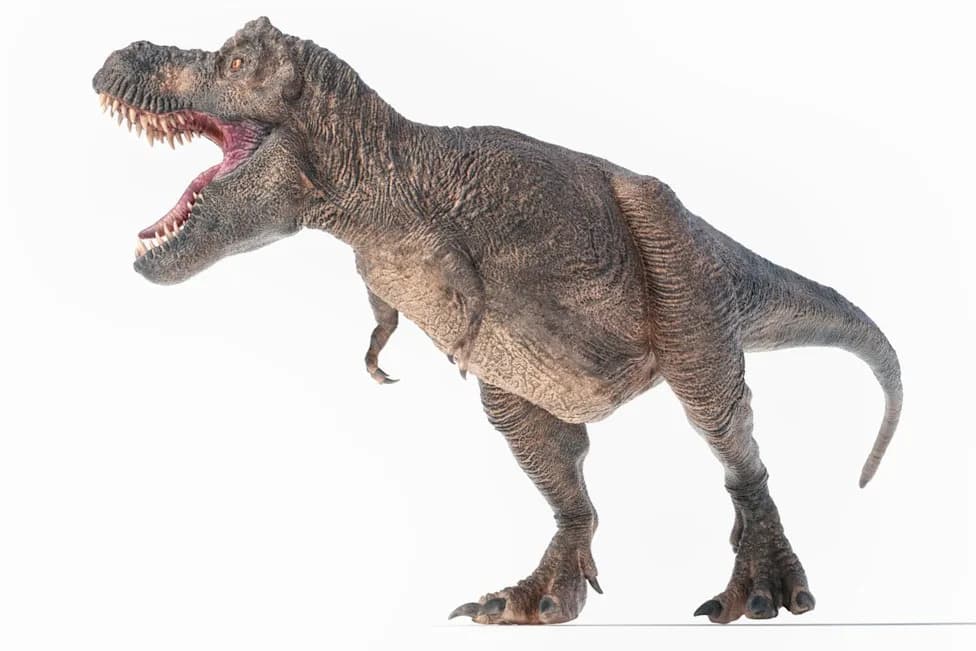
Stock photo of a Tyrannosaurus rexCredit: Getty
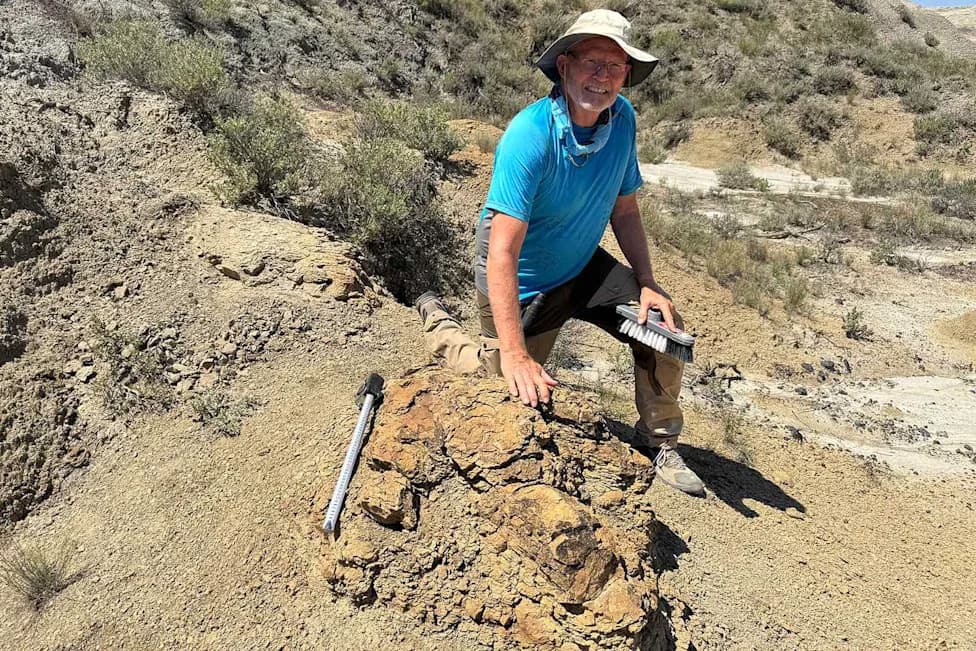
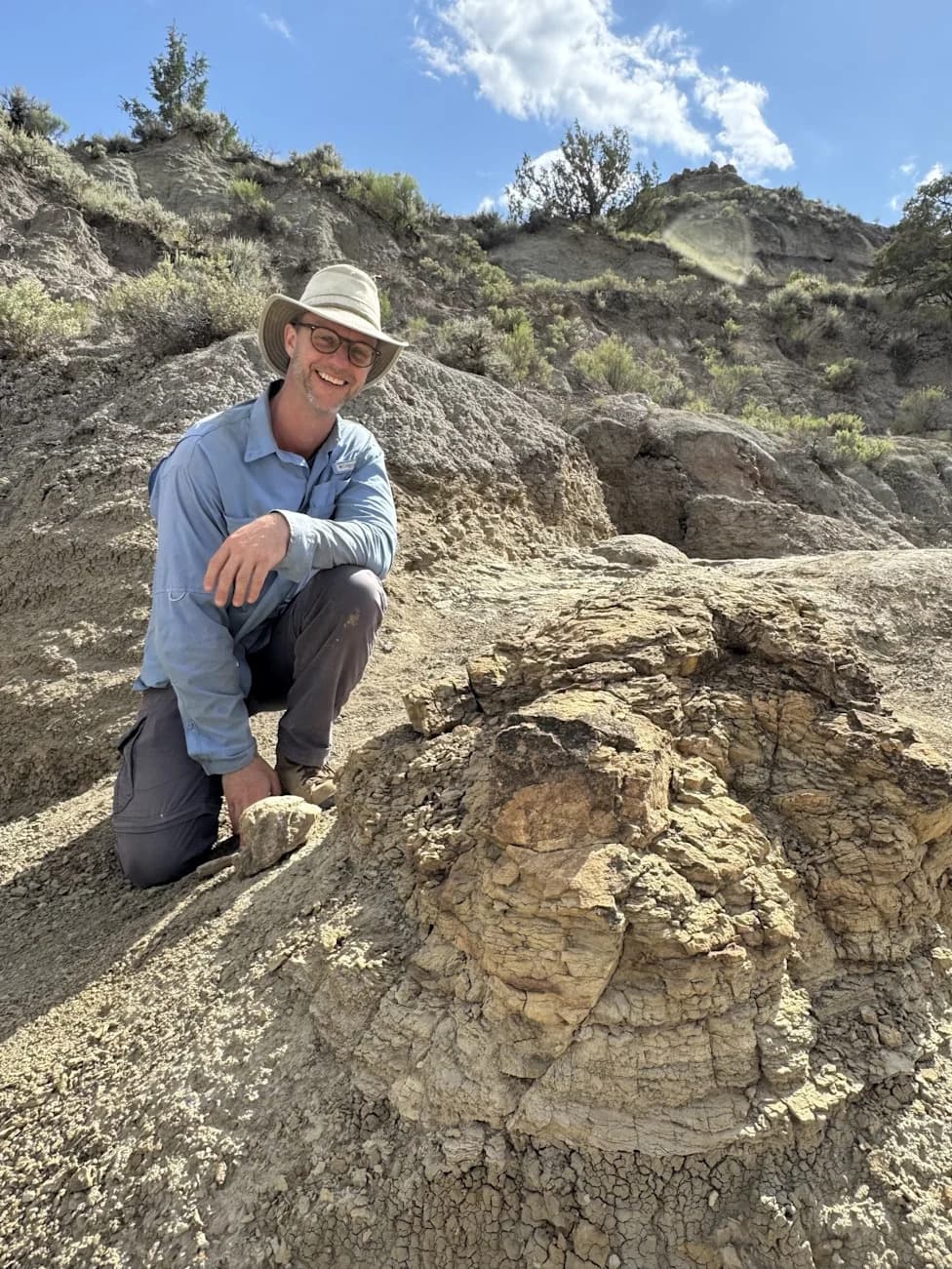
A remarkably preserved Tyrannosaurus rex, nicknamed Rex Junior, is offering paleontologists fresh insights into the anatomy and appearance of one of the planet’s most famous predators. The 67-million-year-old specimen, recovered from the Zerbst Ranch near Newcastle, Wyoming in the 1990s, is now being studied at the University of Chicago.
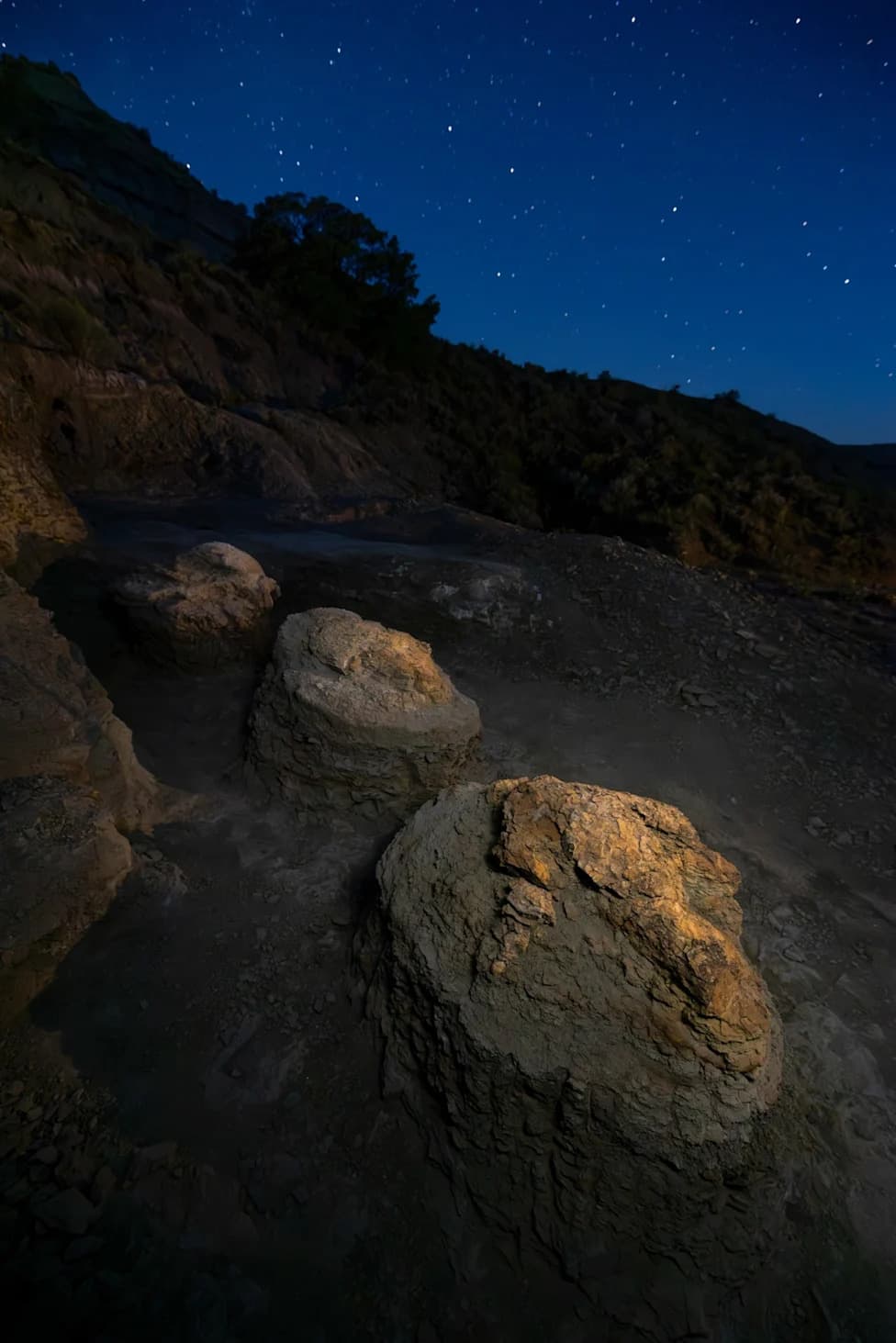
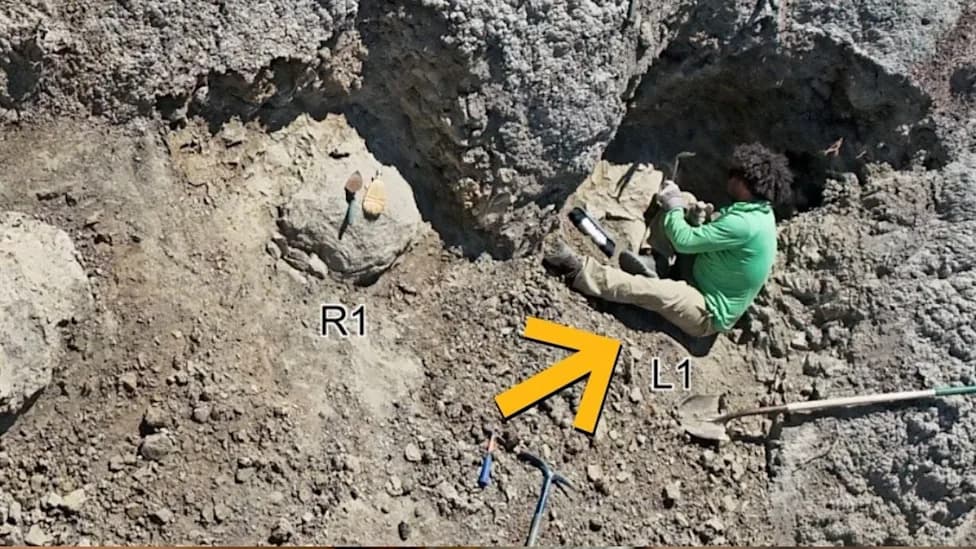
Although incomplete—its skull and much of the tail were lost to erosion—the remaining bones were encased in exceptionally hard rock that took researchers years to remove. When freed, many elements were found in three-dimensional, lifelike positions, giving scientists an unusually clear view of the animal’s preserved anatomy.
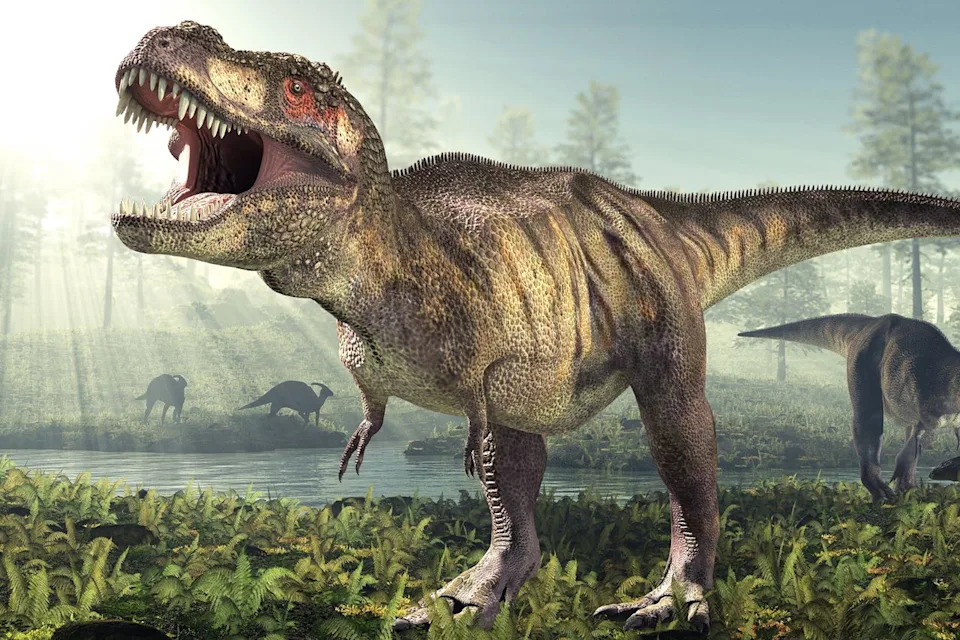
Stock photo of a Tyrannosaurus Rex dinosaurCredit: Getty
What Makes Rex Junior Special
Among the most striking discoveries is an articulated right forelimb with every bone preserved from the shoulder to the claws. Paleontologist Paul Sereno described it as "the only complete T. rex hand and forearm ever found," a find that provides new data on limb anatomy and joint positions.
Researchers also recovered the wishbone (furcula) in situ. That element, together with the limb posture, suggests a narrower chest than many earlier reconstructions portrayed and has already informed adjustments to the posture and mounting of Sue, the Field Museum’s famous T. rex in Chicago.
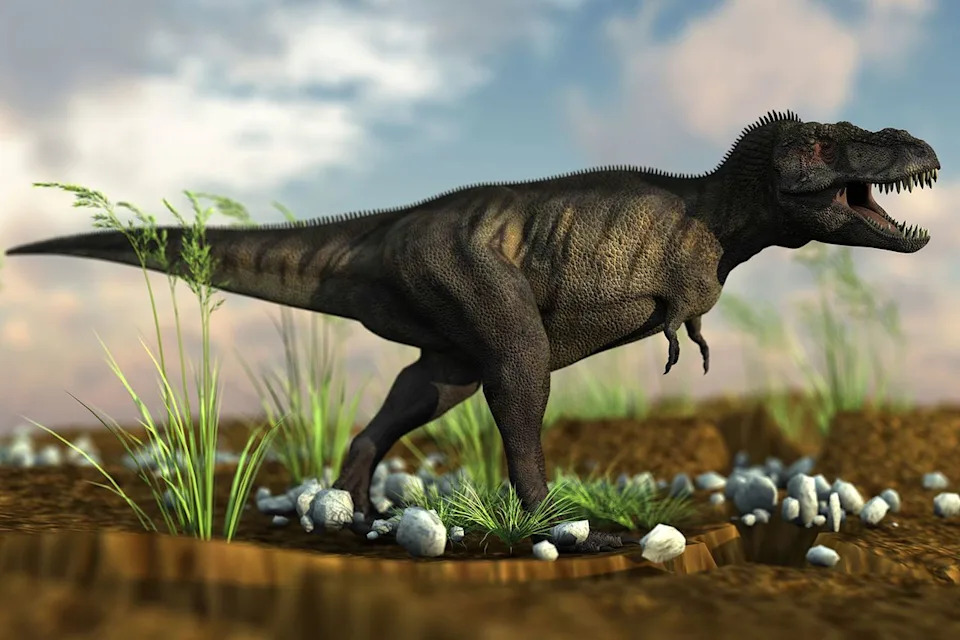
Stock photo of a Tyrannosaurus Rex walking across desert terrainCredit: Getty
Preservation, Burial Hypothesis, and Integument
Because the skeleton’s bones sit in life-like, three-dimensional orientations, Sereno and colleagues interpret that the animal may have been rapidly buried—perhaps during a flood—while it was still alive or freshly immobilized. Sereno emphasizes this remains an interpretation of the available taphonomic evidence rather than a settled fact.
The specimen’s exceptional preservation could also preserve evidence of integument (the dinosaur’s outer covering). Sereno has signaled that teams are examining areas that might contain skin or other soft-tissue impressions. While the research team is withholding full results pending formal publication, Sereno offered one tantalizing hint: "there are no scales." These preliminary observations will need peer-reviewed confirmation before firm conclusions about T. rex appearance are drawn.
"I was told this might be an extraordinary specimen," Sereno said. "I would ultimately realize two decades later how extraordinary it was."
Sereno and collaborators expect to publish detailed findings on Rex Junior and other Zerbst Ranch discoveries in early 2027. Until those peer-reviewed papers appear, many of the specimen’s most striking implications remain provisional.
Note: The research is ongoing and the team is preparing formal publications. Media quotes reflect current interpretations and hints offered by researchers, not finalized scientific consensus.
Help us improve.