The bipartisan Common Cents Act, approved by Congress and sent to President Trump, would permanently end routine minting of the U.S. penny while preserving existing coins as legal tender. The Mint halted circulating penny strikes in 2025, and lawmakers say stopping production saves roughly $56 million a year because each penny now costs about 3.69 cents to make. The law allows limited collector issues, creates a national cash-rounding framework to the nearest five cents, and keeps electronic payments accurate to the cent.
U.S. Penny Nears End: Congress Sends Common Cents Act to President to End Routine Minting
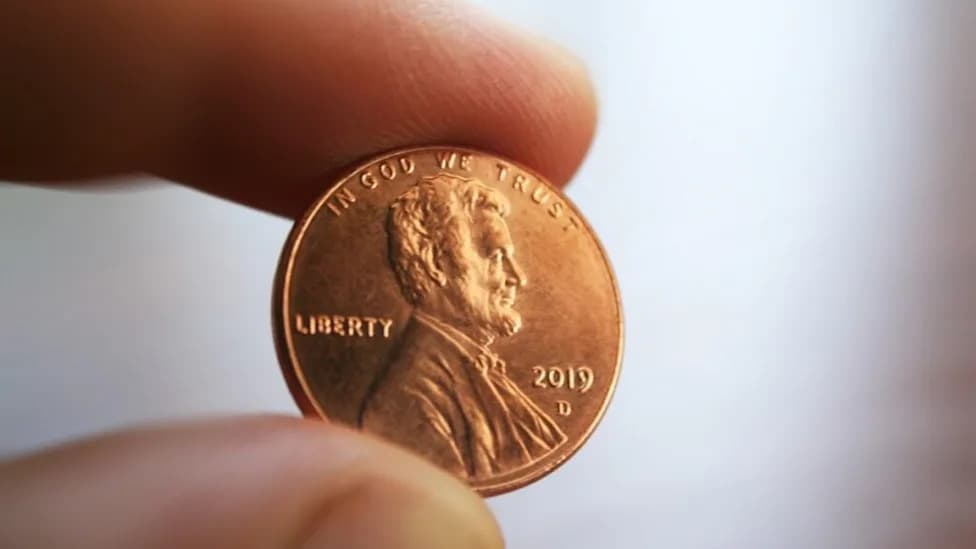
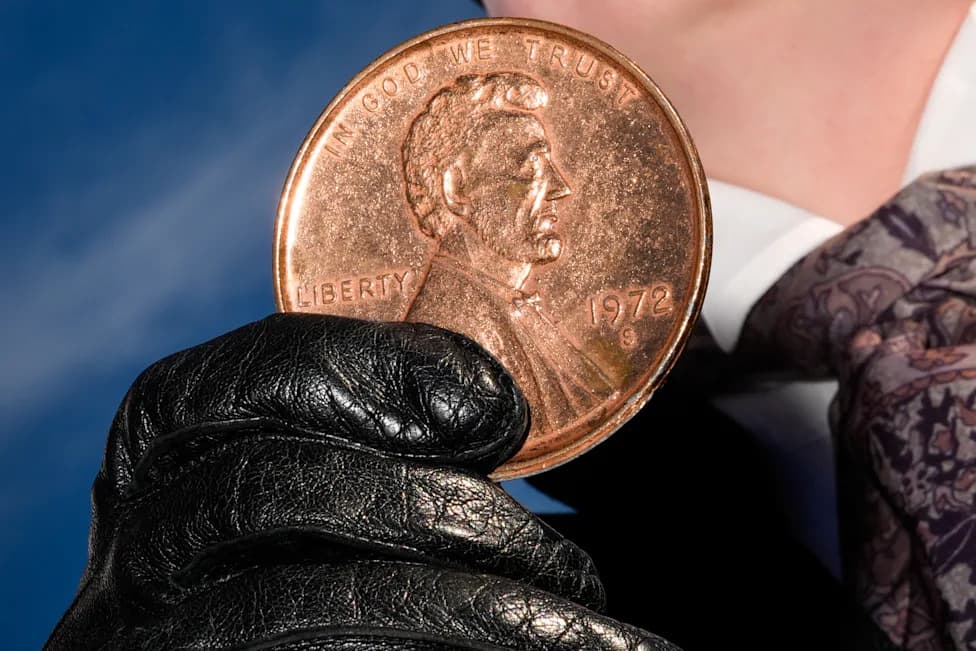
Penny (Credit: Photo Courtesy: ShutterstockProfessional on Shutterstock.com)
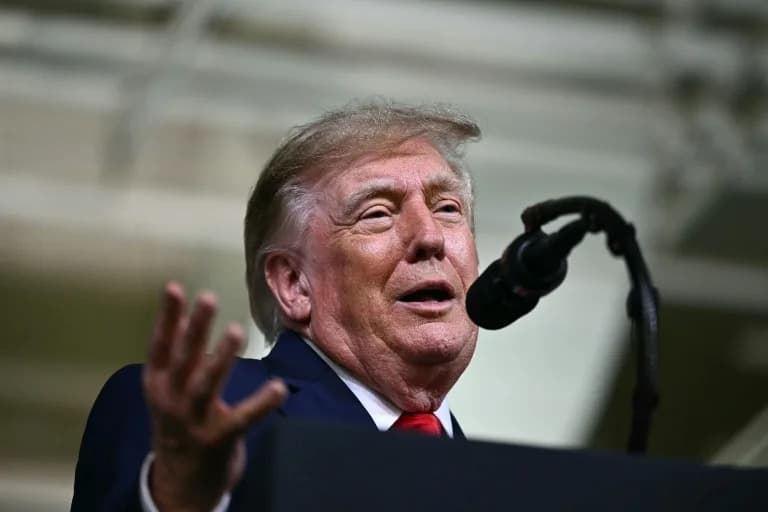
Congress has approved the bipartisan Common Cents Act and sent it to President Donald Trump, formally ending routine production of the U.S. one-cent coin after more than 230 years. The Senate gave the bill unanimous consent, and the measure codifies a production halt the U.S. Mint first implemented in 2025.
What the law does
The legislation provides permanent legal authority for stopping circulating penny production while keeping existing pennies legal tender. The Mint will still be allowed to produce limited numismatic (collector) editions. The bill also establishes a national framework that permits businesses to round cash transactions to the nearest five cents when exact change is unavailable; electronic and other non-cash transactions will continue to be charged to the exact cent.
Why lawmakers moved
Economic considerations drove the shift. The U.S. Mint reports that each penny now costs 3.69 cents to produce, up from 1.42 cents a decade earlier. The agency estimates ending regular penny production will save roughly $56 million per year. In fiscal 2024 pennies comprised 57% of the Mint's 5.61 billion circulating coins, with about 3.2 billion one-cent pieces produced that year.
"When it comes to taking on waste and making sure our tax dollars are spent wisely, it's common sense that we should stop making a coin that costs nearly four times more than it's worth to produce," said Rep. Robert Garcia (D-Calif.), a co-sponsor alongside Rep. Lisa McClain (R-Mich.).
Additional provisions and context
The bill authorizes the Treasury to test alternative, lower-cost compositions for the nickel if a viable alloy can cut production costs without materially disrupting vending machines, parking meters and other coin-operated equipment. President Trump had directed the Treasury in February 2025 to halt routine penny production, calling the coin wasteful; this legislation would give that policy permanent statutory backing.
The Mint says consumers can continue to spend and receive pennies indefinitely and that the coin will gradually disappear from routine circulation rather than vanish overnight from wallets and collections. Limited collector issues will remain available for numismatists.
What to watch next
- Whether the president signs the Common Cents Act into law and, if so, how private businesses adopt cash-rounding practices.
- Any Treasury tests of alternative nickel compositions and the results for production costs and coin-operated devices.
- How long pennies remain in everyday transactions as retailers and consumers adapt to rounding rules.
Help us improve.