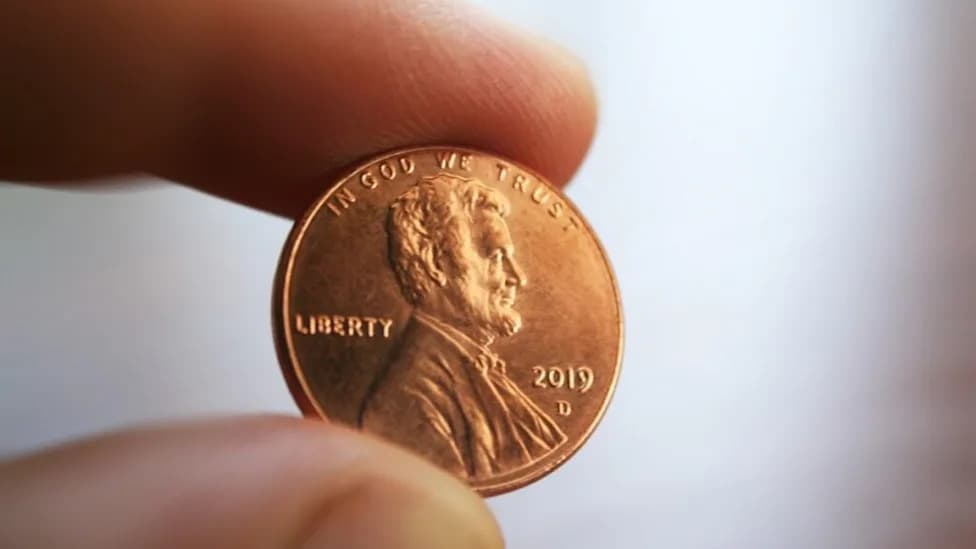
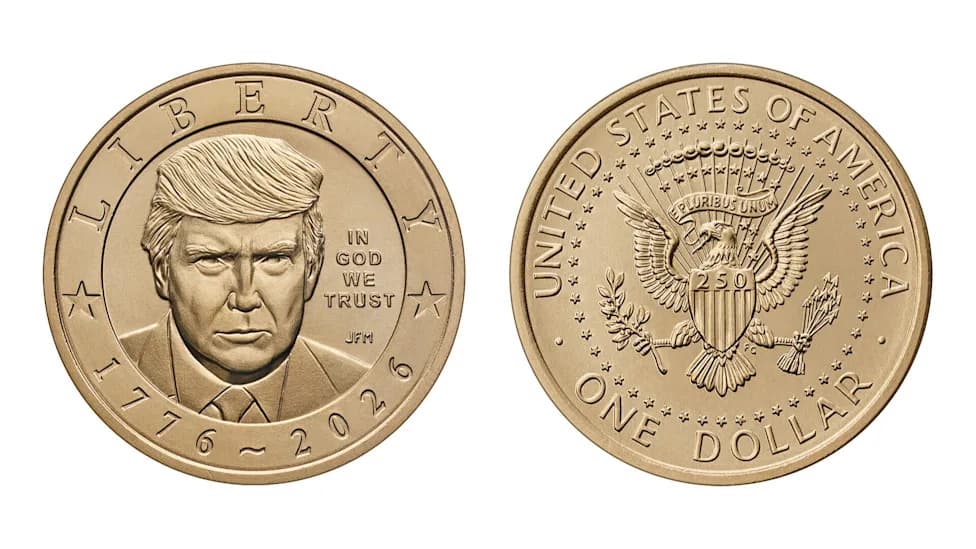
The Senate passed the bipartisan Common Cents Act, sending a bill to President Trump that would formally end penny production after 234 years. The U.S. Mint halted minting in 2025; producing a penny now costs nearly four cents and ending production could save about $56 million annually. Pennies would remain legal tender, retailers could round cash totals to the nearest five cents, and the Treasury may switch to a zinc inner layer for nickels.
Congress Sends Bill to Trump to End Penny Production After 234 Years
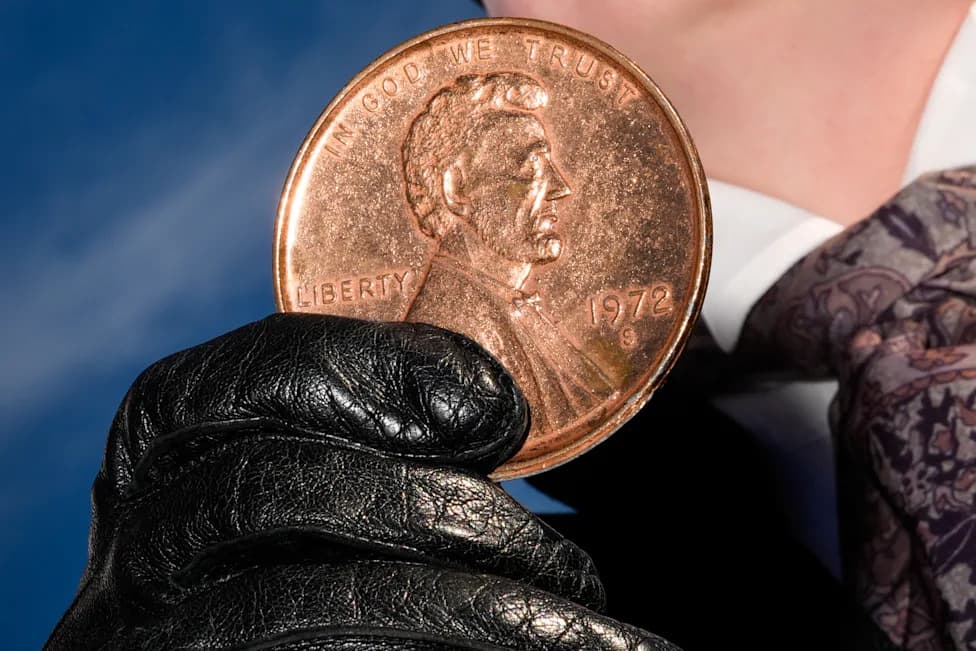
FILE - A person holds a giant penny at a mock funeral for the coin, Dec. 20, 2025, in front of the Lincoln Memorial in Washington. (AP Photo/Julia Demaree Nikhinson, File)
WASHINGTON — The Senate has approved the Common Cents Act, sending legislation to President Donald Trump that would formally end U.S. penny production after 234 years. The bill, passed by voice vote, codifies the U.S. Mint's decision to halt penny minting in 2025 and would direct the federal government to stop producing the one-cent coin.
The penny was among the first coins struck after the Mint was created in 1792. In recent years, however, the coin has become increasingly costly to produce and less essential for everyday commerce as digital payments grow more common. The Mint estimates that making a penny now costs nearly four cents, and ending production could save roughly $56 million a year.
The bipartisan Common Cents Act was introduced by Representatives Lisa McClain (R-Mich.) and Robert Garcia (D-Calif.). The measure preserves pennies as legal tender, so existing coins remain usable, but it also sets procedures to ease the coin out of circulation.
"When it comes to taking on waste and making sure our tax dollars are spent wisely, it's common sense that we should stop making a coin that costs nearly four times more than it's worth to produce," said Rep. Robert Garcia.
Under the bill, retailers would be allowed to round cash transactions to the nearest five cents while electronic payments are charged exact amounts. The legislation aims to remove legal uncertainty for merchants and prevent a patchwork of local practices as pennies become scarce—the Mint reported it produced 3.2 billion pennies in 2024.
The bill also gives the Treasury authority to change the composition of the five-cent coin by using a zinc inner layer, a cheaper alternative to the current nickel-copper blend, in order to lower costs should the nickel circulate more widely after pennies are retired.
President Trump is expected to sign the bill. He previously wrote on social media that the United States had produced the 1-cent coin "far too long." If signed, the law would formalize the end of penny production while leaving existing coins in circulation.
Help us improve.