Rep. Derrick Van Orden was sent a cease-and-desist after sharing an AI deepfake that falsely attributed statements to Democratic challenger Rebecca Cooke. The incident is part of a broader wave of AI-generated political ads prompting legal challenges and state-level regulation. Roughly 31 states now address political deepfakes, but federal rules remain unsettled. Experts warn such ads erode voter trust and that legal actions are likely to increase.
AI Deepfakes Fuel Legal Threats in Election Ads as Cases Multiply
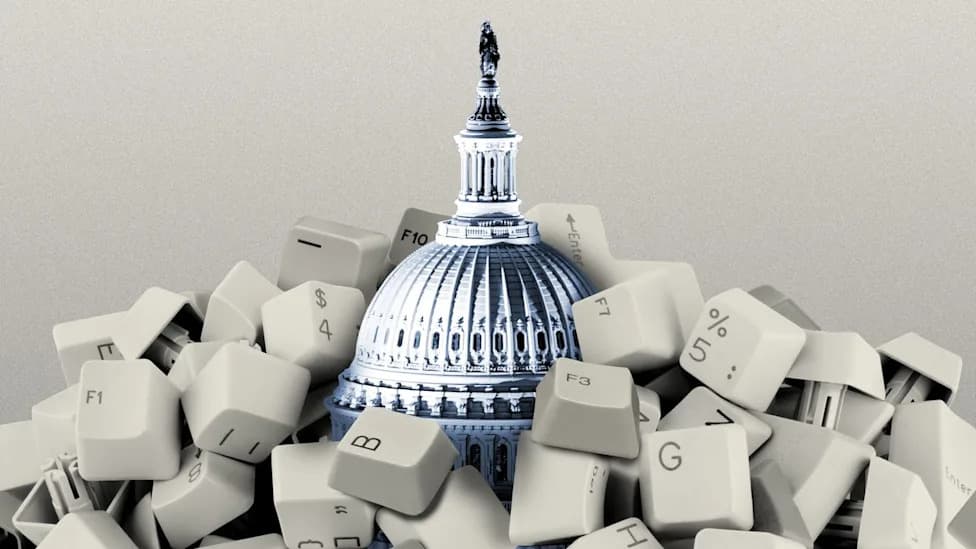
Illustration: Annelise Capossela/Axios
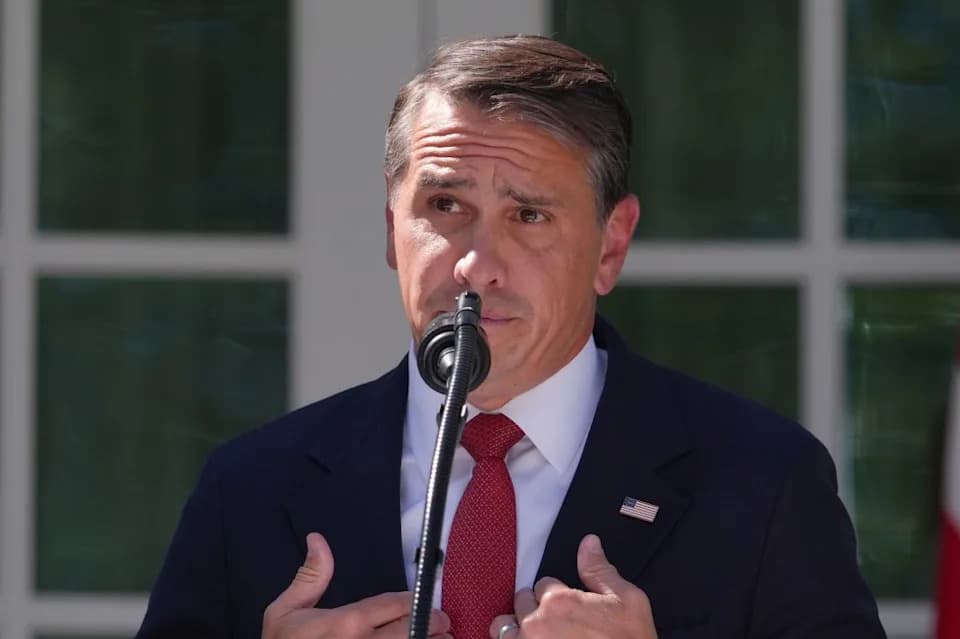
Republican Rep. Derrick Van Orden (R-Wis.) this week was sent a cease-and-desist letter after sharing an AI-generated deepfake that falsely depicted his Democratic challenger, Rebecca Cooke, endorsing positions her campaign says she never took. The dispute highlights mounting legal and political fallout as AI-generated campaign content becomes more common.
Why This Matters
AI deepfakes are proliferating in this election cycle while federal rules remain unsettled. Targeted candidates and challengers are increasingly turning to cease-and-desist letters, criminal complaints and civil suits to try to curb deceptive AI material that can mislead voters and erode public trust.
The Van Orden Case
Attorneys for Rebecca Cooke sent Van Orden a letter accusing him of a "pattern of posting misleading AI-generated videos that falsely attribute statements to Cooke," singling out an August post on X showing an AI-generated Cooke saying she wanted to "take advantage of as much corruption as possible and give every illegal alien free healthcare," a claim Cooke denies ever making. Van Orden did not respond to media requests; he publicly replied to Cooke with an AI clip of a duck in a Democratic Socialists of America T-shirt shouting, "cease and desist."
Other High-Profile Examples
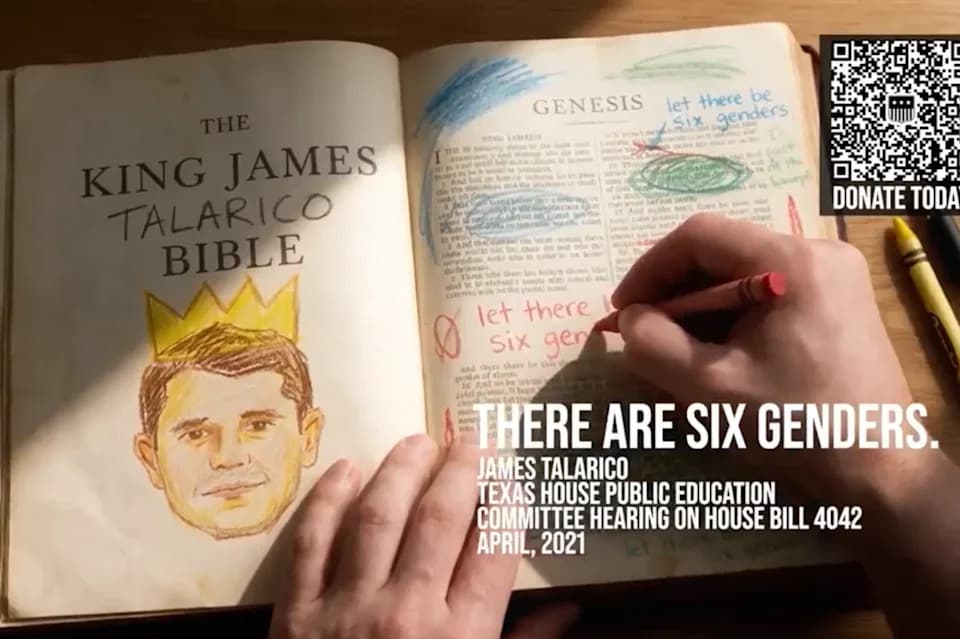
Several other campaigns have deployed AI-generated material that mixes real footage with fabricated statements or wholly fabricated imagery. Texas GOP Senate nominee Ken Paxton has run ads that combine real elements with misleading claims about his opponent, James Talarico. In Louisiana’s Republican Senate primary, an ad allegedly showed a candidate busing undocumented immigrants to polling locations. Other ads are obviously cartoonish and described by sponsors as parody.
In North Carolina, state Sen. Michael Lee (R) received a cease-and-desist letter in August from Democratic challenger Jessica Bichler over AI-generated ads; North Carolina currently has no specific law restricting AI use in campaign advertising.
State Laws and Enforcement
State responses vary. The National Conference of State Legislatures reports that roughly 31 states regulate political deepfakes, and at least 28 of those require disclosures for AI-generated content. Texas recently produced a notable enforcement dispute: Lt. Gov. Dan Patrick (R) faced a criminal complaint from Democratic state Rep. Vikki Goodwin under Texas’ deepfake election law, which bars AI-driven ads aired within 30 days of an election if intended to influence the outcome. Goodwin argues that the restriction should begin 30 days before early voting starts. Patrick’s campaign pulled attack spots that depicted Goodwin at a football game with a shirt that read "taxes" instead of "Texas," calling the videos "obvious parody."
“Deepfakes can be effective even when viewers know they’re fake,” said UC Irvine epistemologist Cailin O’Connor, underscoring the technology’s potential to distort perceptions and deepen distrust.
Implications
Experts warn that AI deepfakes risk undermining voter confidence in the political process and in institutions broadly. With federal standards still unresolved, expect more legal challenges, warning letters and enforcement actions as campaigns and affected candidates use existing statutes and civil remedies to police deceptive AI content.
The bottom line: As AI tools improve and proliferate, election-related deepfakes are likely to drive more litigation and legislative activity at the state and federal levels.
Help us improve.