California Gov. Gavin Newsom signed a law requiring clear disclosures when AI-generated performers are used prominently in audio or video advertisements. The legislation, backed by SAG-AFTRA, aims to protect consumers and performers as realistic synthetic voices and likenesses become easier to create. Similar transparency efforts are being explored in New York City for housing listings, while federal lawmakers debate broader limits and safeguards for advanced AI.
California Cracks Down on AI-Generated Performers in Ads: Newsom Signs New Disclosure Law
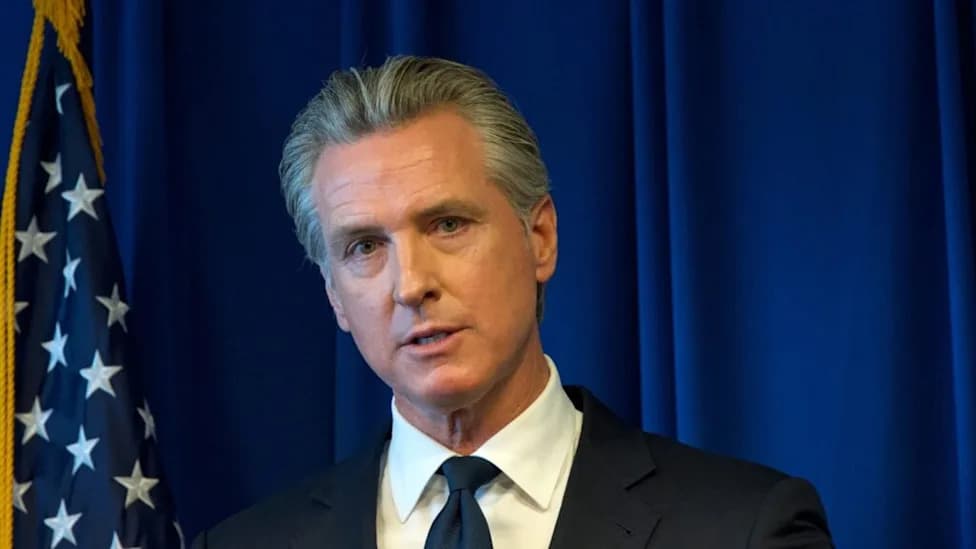
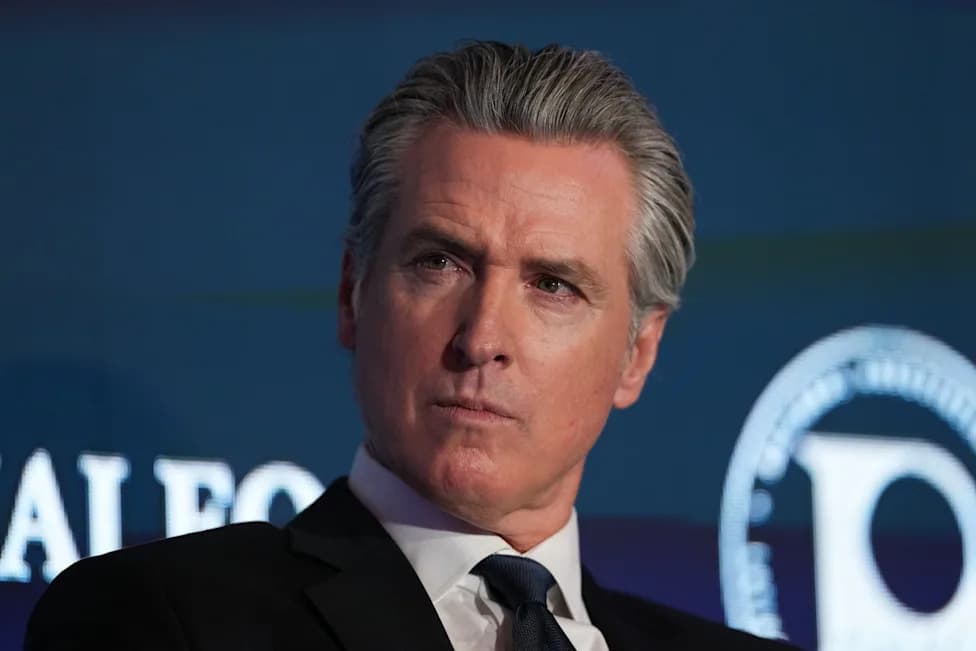
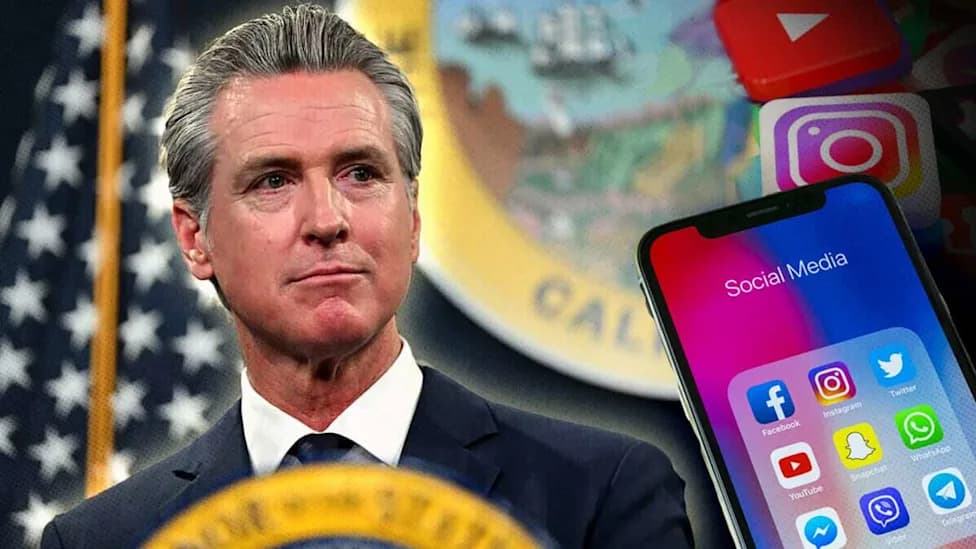
Gavin Newsom at a Press conference (Credit: Gavin Newsom | Photo courtesy: Sheila Fitzgerald / Shutterstock)
California Governor Gavin Newsom signed a new law on September 16, 2026, requiring advertisers to disclose when audio or video advertisements prominently feature AI-generated performers. The measure is designed to help consumers distinguish between authentic human performers and synthetic likenesses or voices as generative AI tools make realistic digital people increasingly easy to produce.
"We should be able to easily tell the difference between what's real and what's not — but AI is making that harder every day," Newsom wrote on X after signing the bill.
Under the law, covered video, audio and audiovisual advertisements that prominently feature an AI-generated performer to sell a product or service must include a clear disclosure that the performer is AI-generated. The requirement applies when an AI-created person or voice is a central element of the commercial message, ensuring viewers and listeners are informed about the nature of the performance.
The legislation was developed with input from SAG-AFTRA, the union representing actors, which has pushed for protections as avatars, voice clones and digital replicas become more common in entertainment and advertising. Union leaders argued that clear disclosures protect performers' rights and help prevent misleading uses of likenesses and voices.
The push for transparency on AI-generated content is spreading beyond California. New York City Mayor Zohran Kwame Mamdani announced the city is developing rules that would require apartment listings to disclose when photos or videos are generated by AI, warning that synthetic visuals could complicate housing searches.
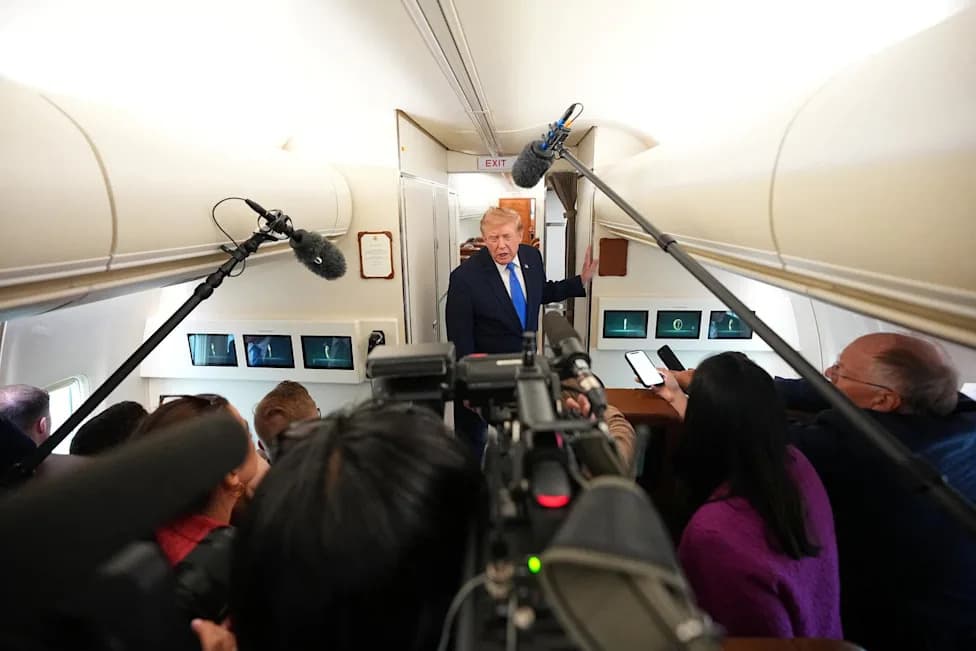
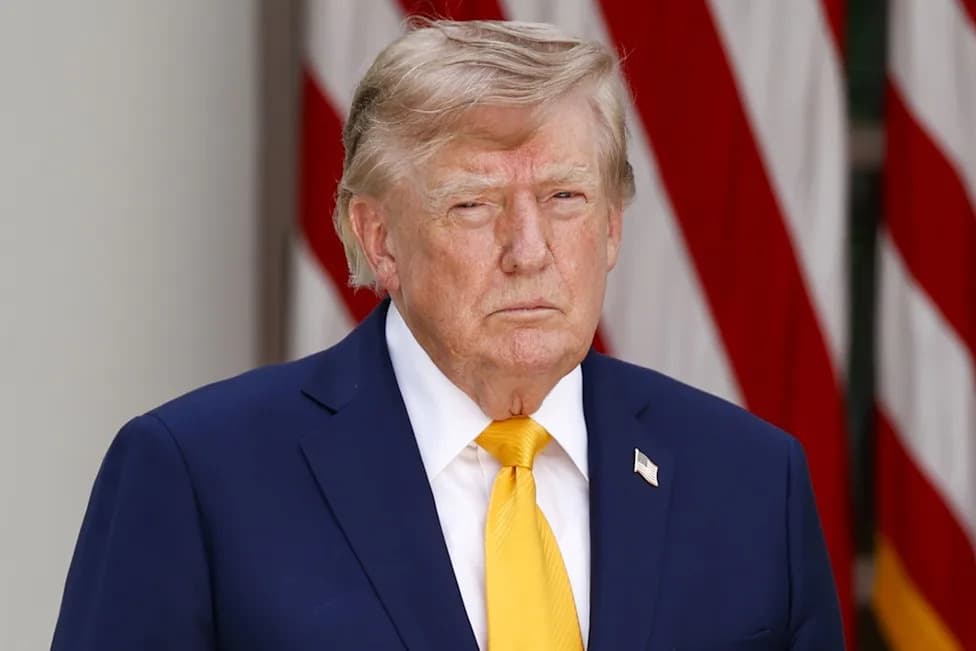
At the federal level, the debate over AI policy continues. Sen. Elizabeth Warren has called for an immediate pause on advanced AI development while safeguards are established. Separately, Sen. Bernie Sanders and Rep. Greg Casar introduced the Ban Artificial Superintelligence Act to halt certain advanced AI work until safety rules are in place. Meanwhile, former President Donald Trump and others have cautioned that excessive regulation could harm the U.S. competitive position relative to China.
Why This Matters
Transparent labeling aims to protect consumers from deception and to preserve labor protections for human performers whose likenesses or voices could otherwise be replicated or replaced. As synthetic media becomes more convincing, clear disclosure helps maintain trust in advertising, reduces the risk of fraud or misinformation, and supports ongoing policy discussions about the responsible use of AI.
Note: The original publication included sponsored investment promotions unrelated to the legislation. Those promotional segments have been omitted from this version to focus on the policy and its implications.
Source: Benzinga reporting and public statements from Governor Gavin Newsom and other officials.
Help us improve.