New federal and state campaign disclosures show growing use of AI across U.S. political campaigns, with at least $17 million reported by 523 federal campaigns and about $92,000 in four states. General-purpose providers such as OpenAI and Anthropic are used by dozens of campaigns, while specialized political platforms (AmplifAI, Daisychain, Campaign Nucleus) account for larger spending. Disclosure filings likely undercount total AI use because they exclude consultants and outside groups—ad-tracking data suggests far greater AI-driven ad activity.
Campaign Disclosures Reveal How U.S. Political Campaigns Are Investing in AI Tools
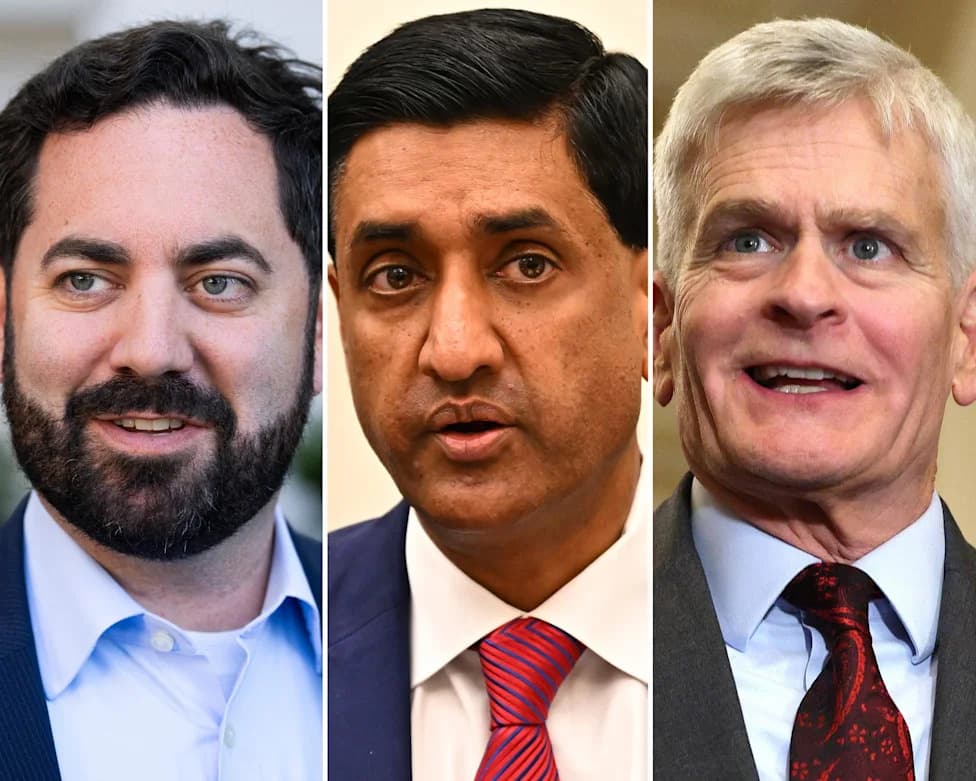
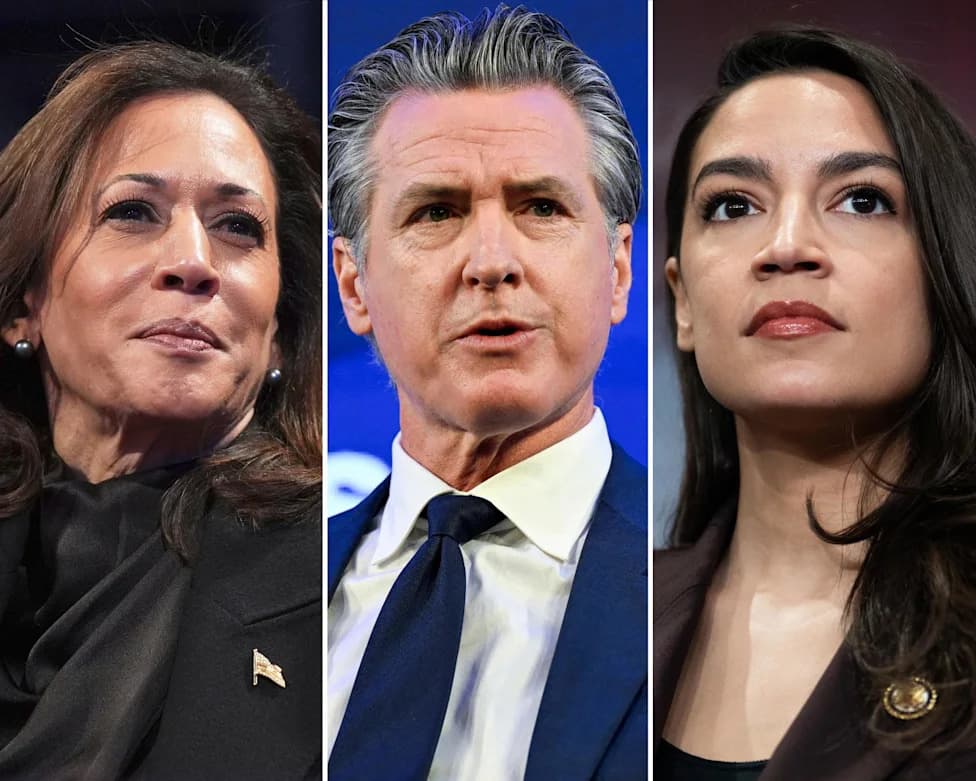
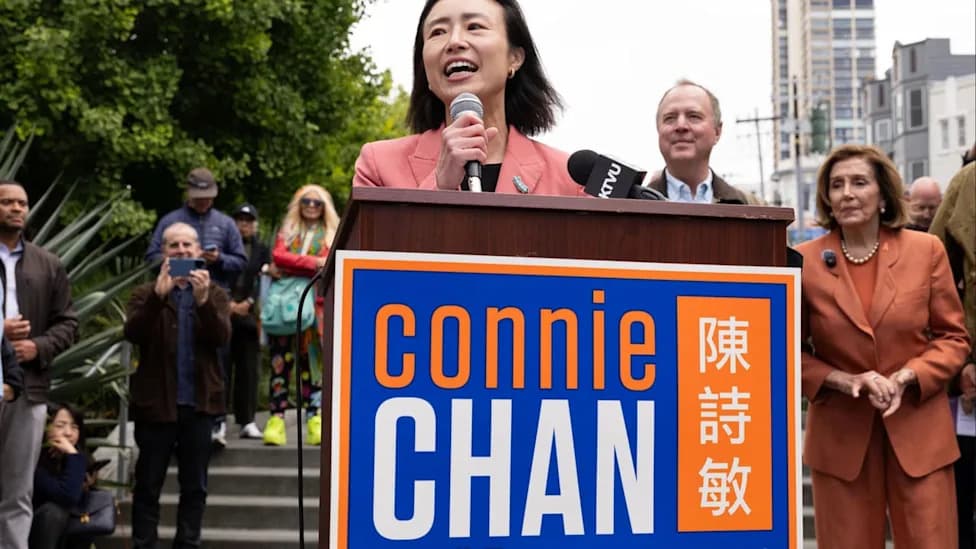
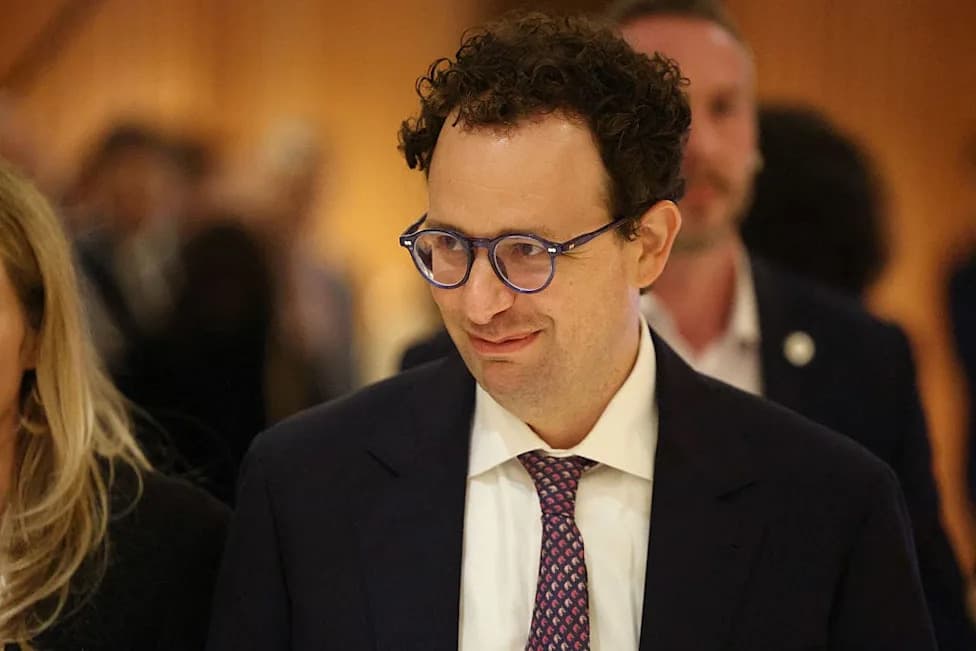
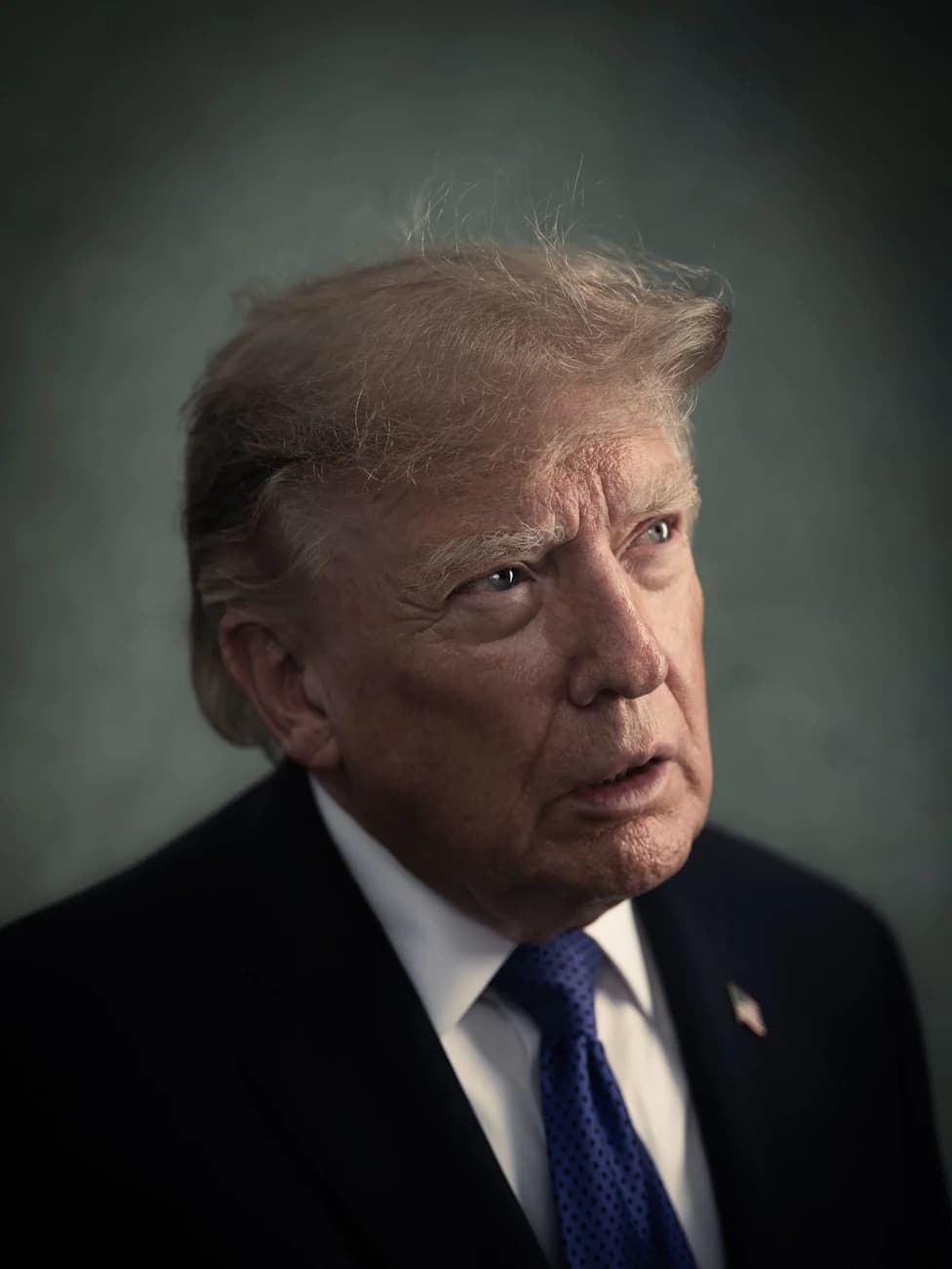
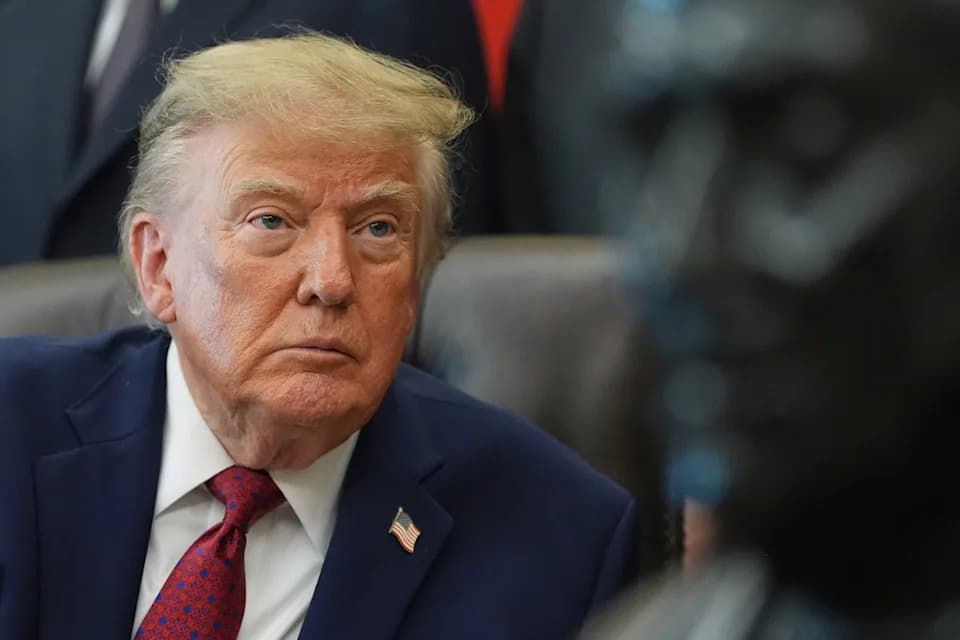
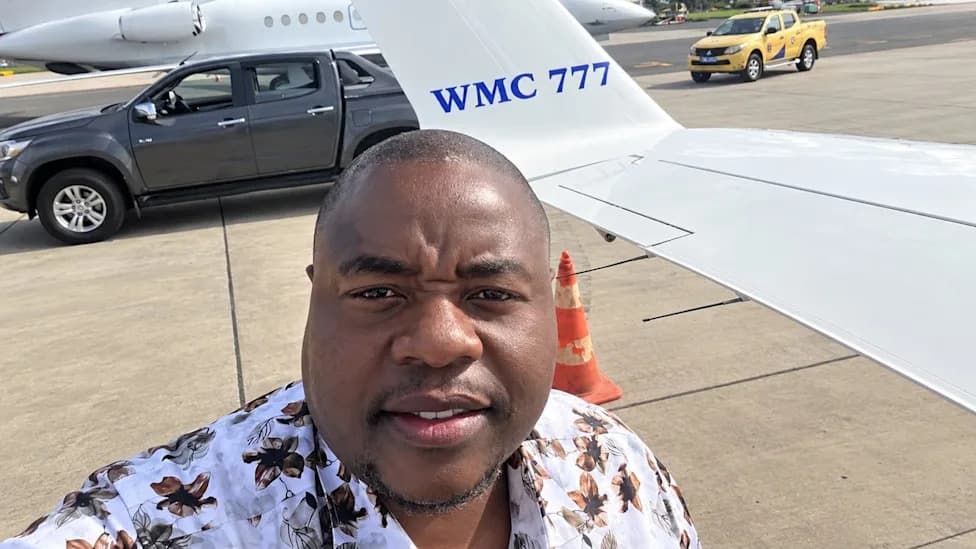
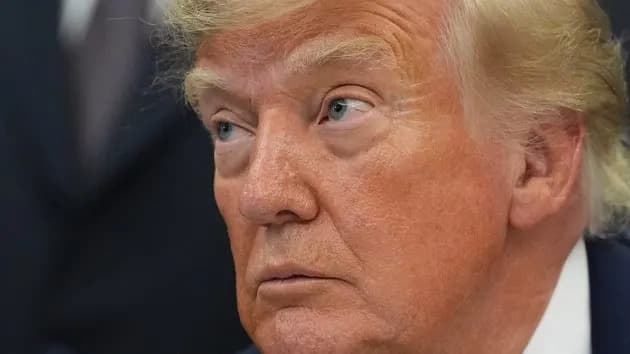
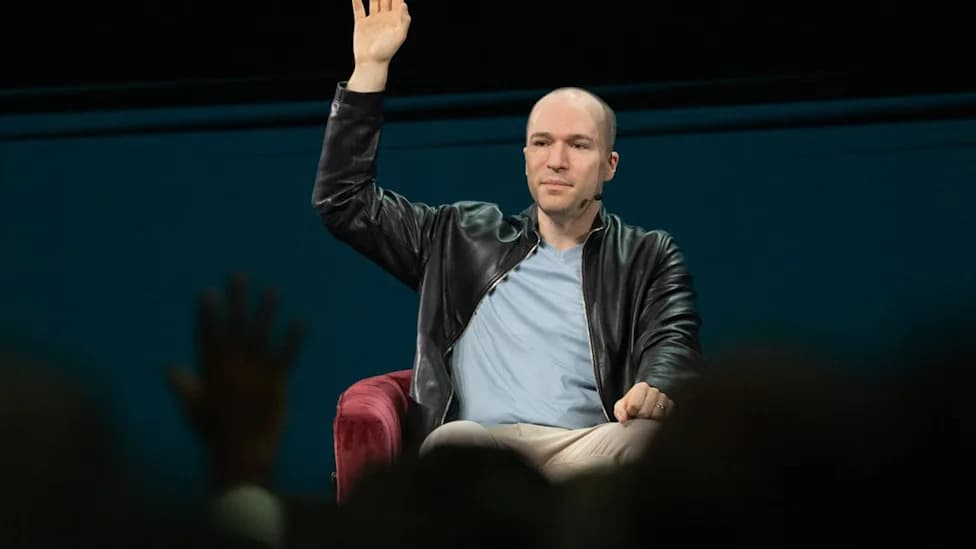
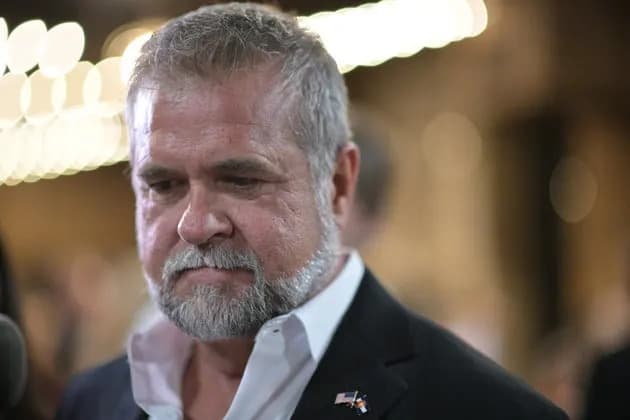
Mike Lawler, Ro Khanna, and Bill Cassidy campaigns have the top individual spending on AI.Photograph: Getty Images
Newly released campaign finance disclosures and state filings make it clearer which U.S. political campaigns are buying artificial intelligence tools—and how much they're paying for them. The records suggest AI is fast becoming an essential part of modern campaigning, even as many campaigns remain discreet about how they use the technology.
What the Disclosures Show
Itemized expenditure disclosures filed with the U.S. Federal Election Commission, available back to 2020, record at least $17 million in spending tied to AI-related vendors by 523 federal campaigns and committees. State-level itemized data from California, Colorado, Massachusetts and Washington—available since 2022—adds another ~$92,000 attributable to modern generative-AI vendors, spread across at least 108 candidates and committees.
Major Vendors And Who's Paying
General-purpose AI providers and purpose-built political platforms both show up in filings:
- OpenAI: At least 80 federal campaigns and committees have reported payments to OpenAI since 2024, totaling roughly $50,000. The Republican National Committee is the largest reported single purchaser (nearly $10,000). Line items are typically listed as office expenses, staff ChatGPT subscriptions, or research tools rather than explicit political messaging purchases.
- Anthropic (Claude): Reported by at least 65 campaigns or committees in 2026, up from almost none earlier, with users skewing nearly two-to-one Democratic. The largest single reported Anthropic expenditure in filings is Tom Cotton’s campaign (more than $4,000).
- xAI: Reported use is small and concentrated on the right—seven federal and two state-level campaigns/committees totaling about $5,000, including amounts reported by RFK Jr.’s 2024 campaign and a few Republican campaigns.
- Specialized Political AI Vendors: Platforms built for political outreach show larger dollar totals. AmplifAI—an automated texting service—drew about $4.7 million in the 2022 cycle, primarily from Democratic campaigns. Daisychain has emerged as a newer Democratic texting provider (roughly $300,000 reported in 2026, up from ~$50,000 in 2024). Campaign Nucleus, associated with former Trump campaign manager Brad Parscale, has attracted six-figure spending from Republican-aligned groups and candidates.
Partisan Patterns And Vendor Choice
Disclosures suggest many campaigns pick one dominant general-purpose tool: only about 12% of campaigns reporting use of Claude or ChatGPT listed expenditures for both. Anthropic’s reported user base skews Democratic, while xAI’s recorded usage is concentrated among conservative campaigns. Specialized messaging platforms also follow partisan lines, with Daisychain and AmplifAI appearing more often with Democratic users and Campaign Nucleus and Prompt.io favored by Republican-aligned groups.
State-Level Trends
State filings reflect the federal pattern on a smaller scale. Across California, Colorado, Massachusetts and Washington, the data shows roughly ten times more state-level AI spending reported in 2026 than in all of 2024. Daisychain leads state-level totals; DonorAtlas—a prospect-research tool—also appears often and benefits from nearly $4,000 in reported spending by the California Democratic Party.
Deepfakes, Creative Tools And Advertising
Despite media attention to synthetic audio and video, few candidate filings explicitly list purchases of creative 'deepfake' tools. The team identified six federal filings naming ElevenLabs (about $1,400 total) and five filings naming Midjourney (about $1,600 total). However, this appears to understate usage in political advertising: the Wesleyan Media Project has tracked at least 164 political ads this cycle that include AI-generated media, supported by roughly $80 million in ad spending—much of it placed through consultants, media firms and outside groups not required to itemize line-by-line expenses in candidate disclosures.
Why Disclosures Understate Total AI Use
Candidate and committee filings only capture spending directly reported by those entities. They generally do not show payments made by consultants, creative shops, media buyers or independent outside groups—many of which handle ad production and distribution and are likely where the bulk of AI-driven content is created and deployed. That gap helps explain why disclosure totals are far smaller than ad-tracking estimates.
What To Watch
With a large share of campaign expenditures occurring in the final weeks before elections, additional AI-related spending is likely to appear in filings. The key unanswered questions are how campaigns will integrate AI into targeting, creative production and voter outreach at scale—and whether voters’ perceptions of AI use will shape outcomes. A September 2025 Pew survey underscores the political risk: more than 70% of Americans said they'd view a candidate less favorably if they used AI to help write a speech.
Bottom line: Disclosure filings reveal meaningful—though incomplete—evidence that AI tools are becoming standard campaign infrastructure. The largest amounts show up in vendors that automate outreach and advertising workflows, while general-purpose models are being used more quietly for research, drafting and internal workflows.
Help us improve.