Researchers analyzing seismic records from 2008–2025 report that Mt. Mantap in northeastern North Korea experienced steadily increasing seismicity after the DPRK’s largest underground test on September 3, 2017 (USGS M6.3). Satellite imagery showed the mountain slipped roughly 12 feet horizontally and subsided nearly two feet. Of about 1,400 events cataloged, 955 occurred after 2017 and most aligned along two subparallel NNW‑trending faults, one reactivated and one previously unmapped. The study concludes the explosion redistributed shallow crustal stress, progressively activating nearby faults and producing years of sustained seismicity.
How North Korea’s 2017 Underground Blast Kept Mt. Mantap Rattling for Years
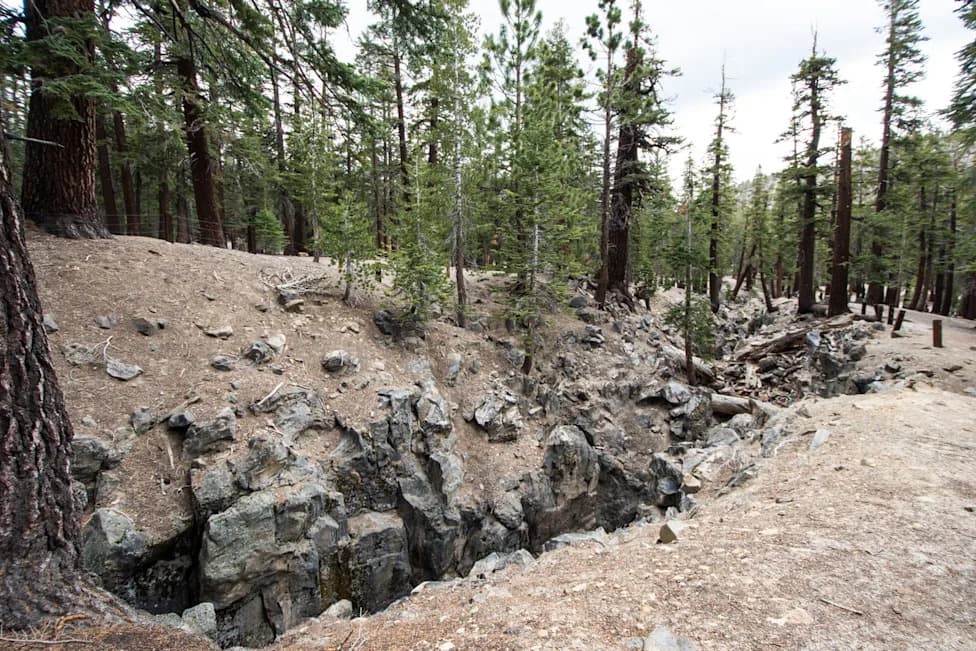
How This Nuclear Test Awoke a Sleeping Fault LineMelissa Kopka - Getty Images
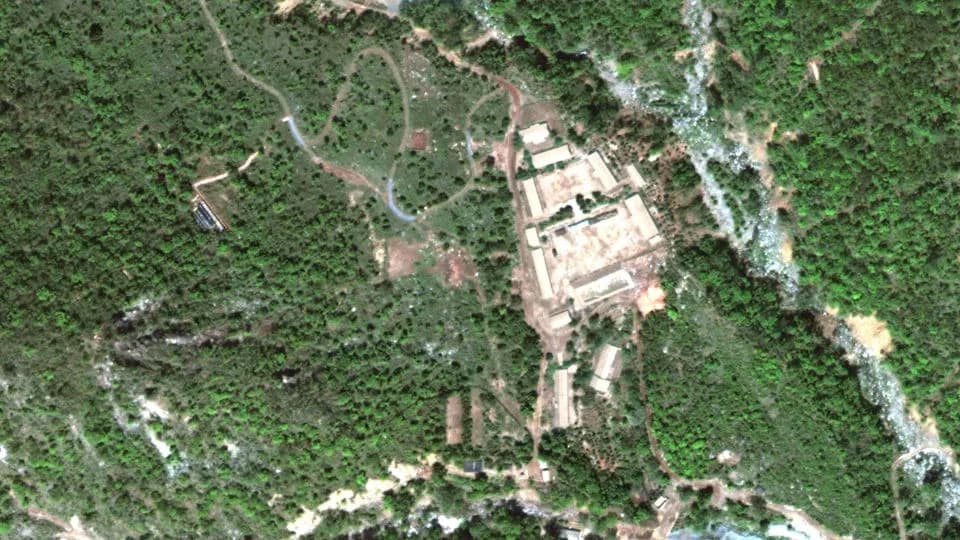
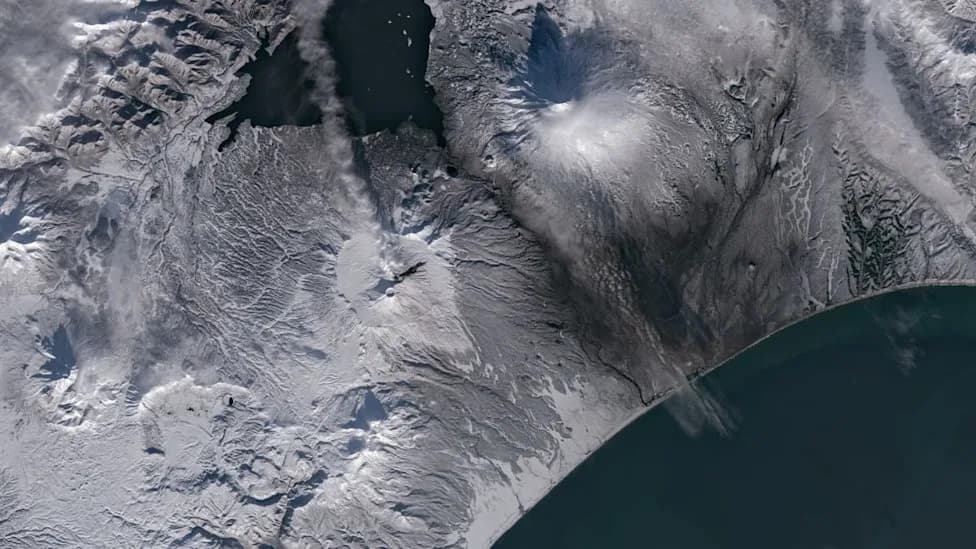
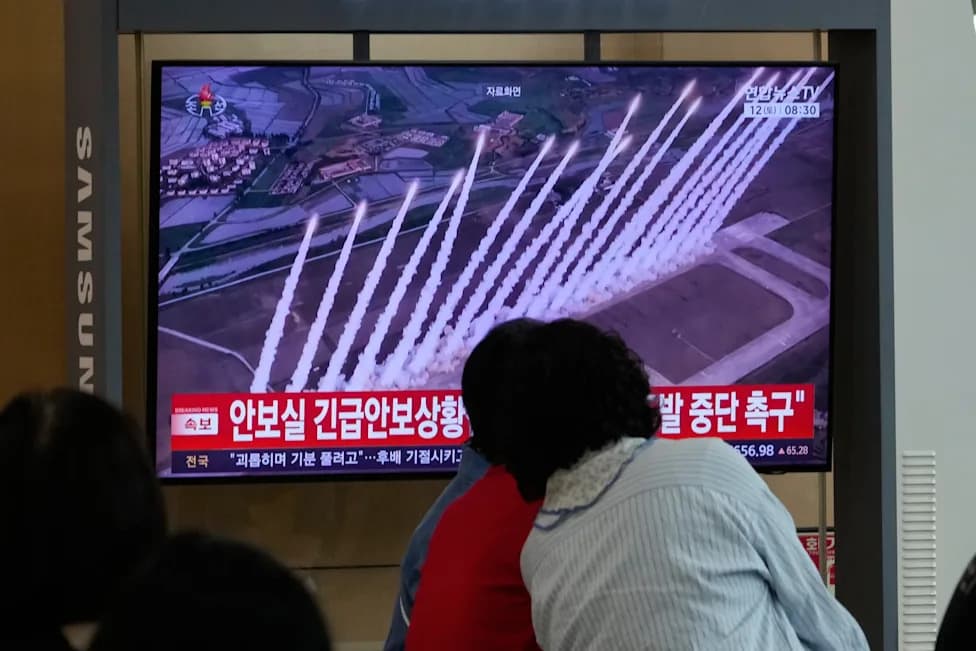
Mt. Mantap, a modest peak in the Hamgyong Mountains of northeastern North Korea, has been seismically active for years after the country's largest underground nuclear test. Although the mountain sits on stable intraplate crust that rarely generates earthquakes, a 2017 thermonuclear detonation at the nearby Punggye‑ri test site triggered a prolonged and growing sequence of earthquakes that continued well beyond the initial blast.
Background
From 2006 through 2017 the Democratic People’s Republic of Korea carried out intermittent underground tests at Punggye‑ri beneath Mt. Mantap. On September 3, 2017, the U.S. Geological Survey recorded the largest event as a magnitude 6.3 seismic shock. Post‑event satellite imagery showed the mountain shifted laterally by roughly 12 feet and subsided by nearly two feet.
New Study and Key Findings
A new paper published in the journal Science analyzed seismic records from networks in China and the Republic of Korea spanning 2008–2025. The researchers cataloged about 1,400 seismic events in that interval, of which 955 occurred after the 2017 test. Mapping earthquake hypocenters revealed most events clustered along two subparallel NNW‑trending structures.
One structure aligns with the southerly extension of a previously mapped fault, indicating reactivation. The other branch had not been mapped before but displays clear fault‑like geometry. Importantly, the rate of earthquakes and the seismic moment release rose over years after the explosion instead of decaying rapidly as expected following underground detonations.
'Unlike typical post‑explosion sequences, which decay rapidly, seismicity at Mt. Mantap continued to increase for years after the final test,' the authors write, arguing that the blasts altered the shallow crust's stress field and fracture network and initiated a longer‑term structural response.
Interpretation and Implications
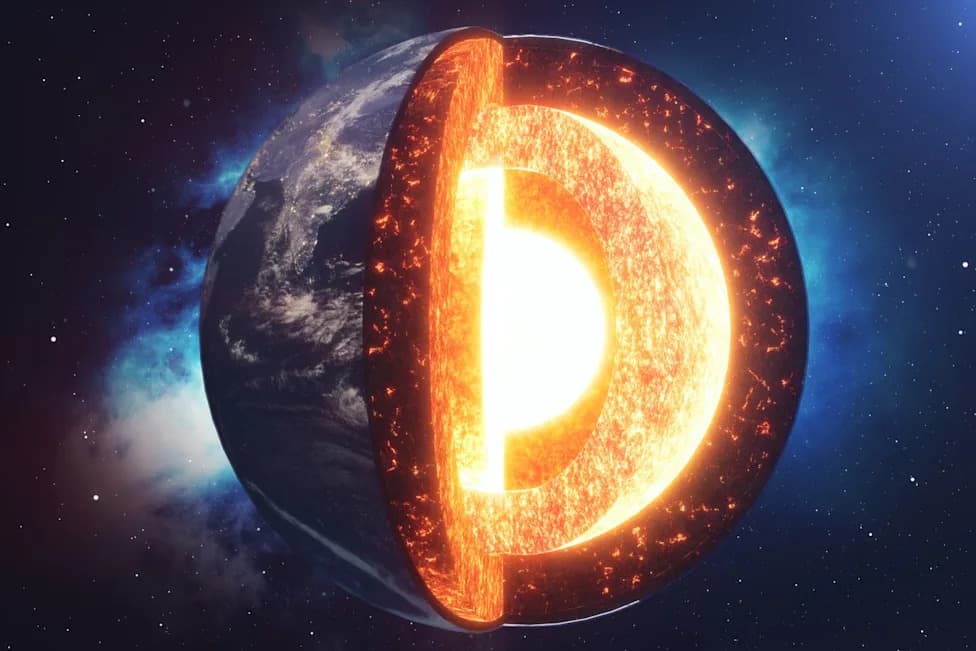
The authors interpret the pattern as a delayed geological response: the 2017 explosion redistributed stress in the shallow crust, progressively activating nearby faults and reorganizing seismicity into a broader fault network. Under certain geological conditions, human actions such as large subterranean explosions can therefore reactivate dormant faults.
Practically, sustained seismicity around former test sites can complicate efforts to detect and discriminate future underground detonations from tectonic events. The Mt. Mantap case also underscores an environmental and geohazard consequence of underground nuclear testing that can persist for years.
Methods and Data
Because direct measurements inside North Korea are limited, the study relied on seismic catalogs and waveform data from neighboring countries. The longer time span of the dataset (2008–2025) enabled the authors to identify the unusual multi‑year increase in earthquake rates and to map the spatial organization of hypocenters along the NNW‑trending fault structures.
Conclusion
The Mt. Mantap sequence demonstrates that, in the right geological setting, a single large underground explosion can trigger a prolonged sequence of fault activity. Although most nations no longer conduct underground nuclear tests, the findings serve as a warning about the long‑term geological consequences and monitoring challenges associated with such detonations.
Help us improve.