The study finds a persistent rise in seismic activity around North Korea's Punggye‑ri test site after the country's 2017 160‑kiloton underground detonation. Researchers identified 1,399 earthquakes from 2008–2025, with most events small (magnitude 2–3) and shallow. The team believes the blasts likely reactivated preexisting intraplate faults and that fractures may have allowed groundwater to raise pore pressure, producing delayed seismicity. The findings complicate long‑term monitoring by blurring explosion‑related and tectonic signals.
2017 North Korea Nuclear Test May Have Reactivated Faults Near Punggye‑ri, Study Finds
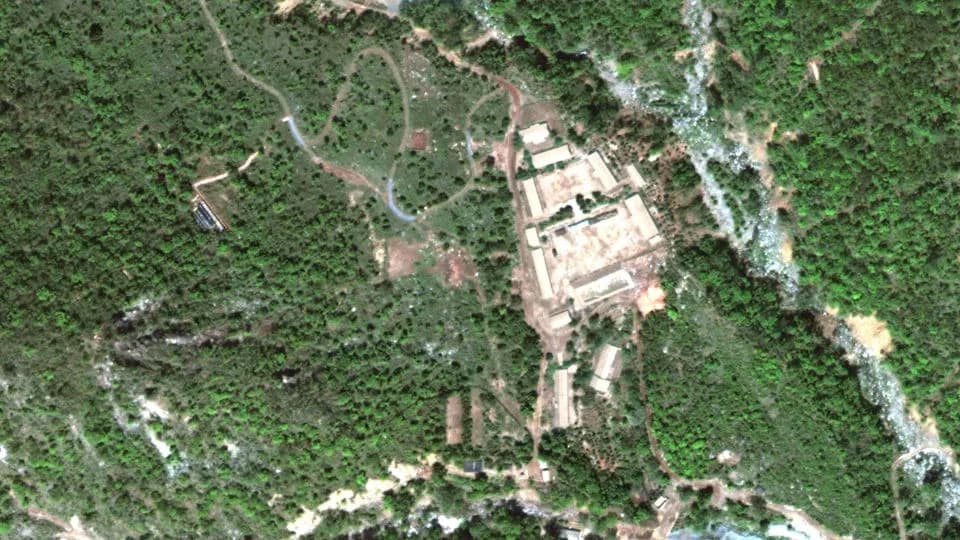
Satellite imagery of North Korea's Punggye-ri nuclear test site. - DigitalGlobe via Getty Images
Scientists report a sustained and unexpected rise in seismic activity around North Korea's Punggye‑ri nuclear test complex following the country's largest underground detonation in 2017. Researchers analyzed seismic wave records from 2008–2025 and conclude the blasts likely reactivated preexisting crustal faults near Mount Mantap, producing a prolonged series of small, shallow earthquakes.
Key Findings
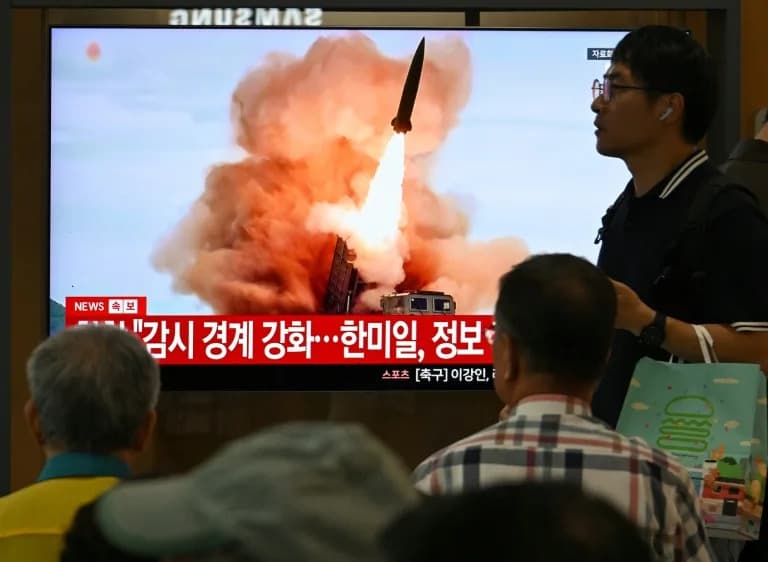
Between 2006 and 2017 North Korea carried out six underground tests at Mount Mantap in North Hamgyong province. The sixth test, estimated at about 160 kilotons, produced a magnitude 6.3 event and is believed to have caused an on‑site collapse, possibly of tunnel infrastructure.
Using seismic records compiled by researchers in South Korea and China, the team identified 1,399 earthquakes in the Mount Mantap region from 2008 through 2025. Unlike typical post‑explosion signals that fade within days or weeks, seismicity at this site rose markedly after the 2017 detonation and continued to increase for years. Most detected events were small (generally magnitude 2–3) and occurred at shallow depths.
Mechanism and Context
The authors identified preexisting 'intraplate' faults beneath Mount Mantap — ancient fractures located far from plate boundaries — and suggest the 2017 blast likely pushed at least two of these faults closer to failure. Mount Mantap's steep, asymmetric topography may have left some faults already near a tipping point, so the explosion acted as a trigger rather than creating entirely new fault systems.
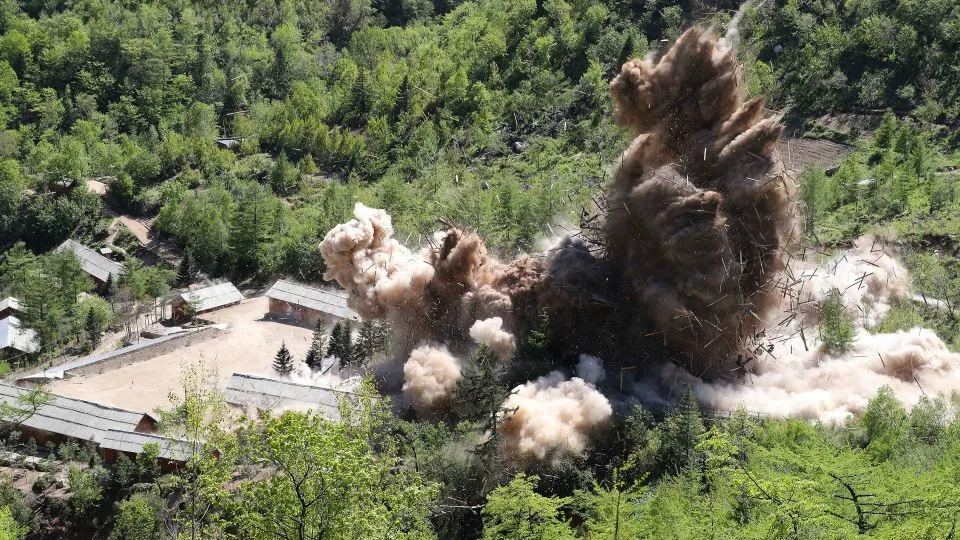
International journalists invited into North Korea in 2018 witnessed explosions at the site and observed its apparent destruction. - News1-Dong-A Ilbo via Getty Images
One plausible mechanism is that the explosions fractured a large volume of rock, opening new pathways for groundwater. As water seeps into those fractures, pore pressure can rise and reduce friction on faults, making them easier to slip. Because groundwater movement is slow, the seismic response can be delayed by years — a pattern consistent with the study's observations. The paper itself does not quantify groundwater flow or its exact role at Punggye‑ri.
Broader Implications
These results complicate long‑term monitoring of underground nuclear tests because an increasing rate of small earthquakes can blur the line between explosion‑related signals and independent tectonic activity. The researchers had no access to North Korean seismic records or direct site access; their analysis relied on regional monitoring data and open‑source intelligence.
International reporting indicates some activity at the site since 2017: the International Atomic Energy Agency reported tunnel restoration at Punggye‑ri in March 2022, and a 2025 U.S. Defense Intelligence Agency assessment stated the site had been restored. South Korean studies have also reported possible signs of radiation exposure in defectors who lived near the site, though causes remain uncertain.
Study source: Lead author Kwang‑Hee Kim and colleagues, published in Science. The team emphasizes they found no evidence of additional nuclear detonations after 2017.
This research underscores that short‑lived disturbances can have long‑lasting geological consequences and highlights the importance of sustained, high‑resolution seismic monitoring around former test sites.
Help us improve.