The magnitude 8.8 earthquake off Russia's Kamchatka Peninsula on July 30, 2025, served as a real-world test for a new satellite-based algorithm. Using GPS and InSAR data, researchers at UC Riverside mapped strain accumulation and successfully highlighted the patch of fault that ruptured. The method cannot predict earthquake timing or tsunami size, but it can identify stressed subduction segments to guide preparedness; better seafloor data would improve tsunami-related insights.
Satellites Pinpoint Where Major Quakes Are Most Likely To Break
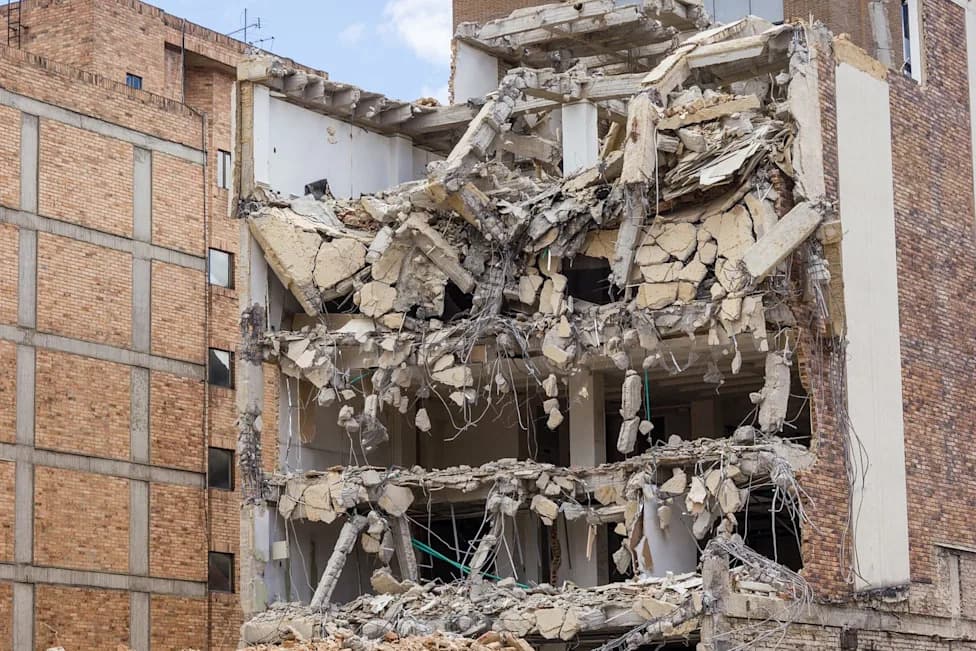
Scientists Figured Out How to Predict Megaquakesjaguarblanco - Getty Images
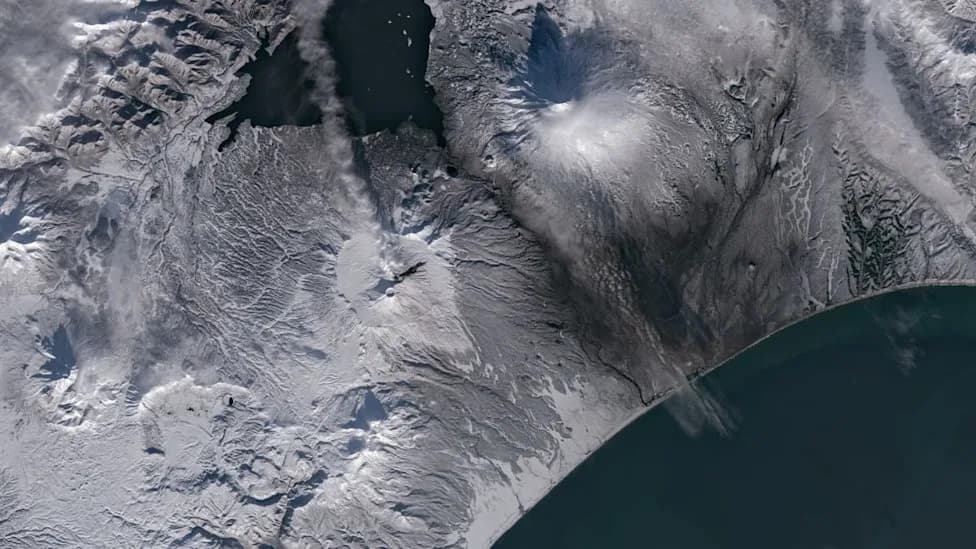
On July 30, 2025, at 11:24 a.m. local time, a magnitude 8.8 megathrust earthquake shook the eastern coast of Russia's Kamchatka Peninsula. While the event caused only moderate damage and produced mostly small tsunamis across the Pacific, researchers used satellite observations of the rupture to test a promising method for locating the specific sections of a fault that are most likely to fail.
New study and approach
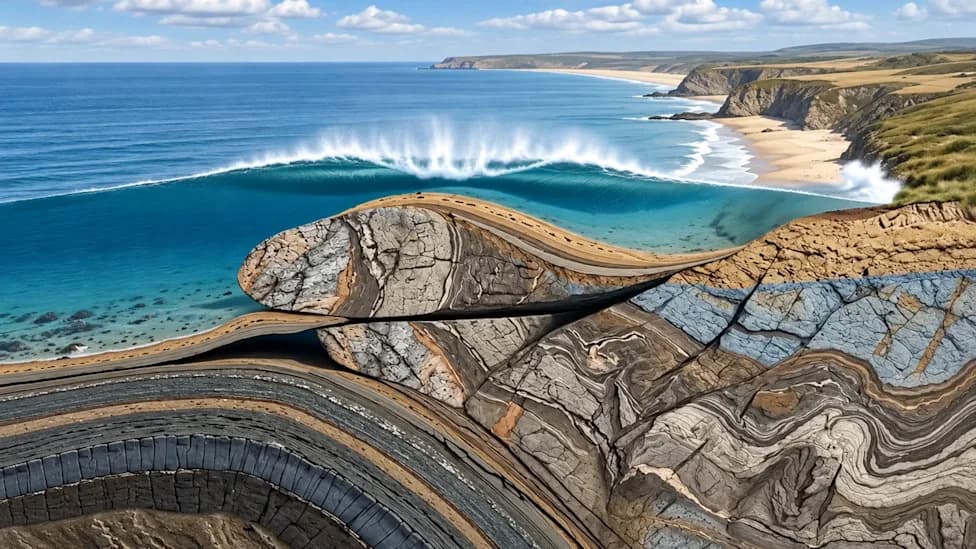
In a paper published in Geophysical Research Letters, University of California Riverside geophysicists Axel Periollat and Gareth Funning combined GPS station records with Interferometric Synthetic Aperture Radar (InSAR) satellite data to map surface deformation and infer where strain had accumulated along the Kuril–Kamchatka subduction zone. They transformed those observations into an algorithm that highlights small, high-stress patches—asperities—along a fault.
Why Kamchatka was an ideal test case
The Kuril–Kamchatka subduction zone marks the boundary where the Okhotsk plate meets the Pacific plate and lies on the so-called Ring of Fire, a 25,000-mile stretch of seafloor responsible for roughly three-quarters of the world's earthquakes. The last earthquake of comparable size in this segment occurred in 1952, so the fault had been recharging strain for about 73 years—long enough for the accumulated deformation to be measurable from space.
Results
When the authors compared their model output to the actual July 2025 rupture, the algorithm successfully identified the region on the fault that slipped. This close match suggests that combining dense GPS and InSAR observations can reveal where strain concentrates and which fault patches are most likely to break in a future event.
"Earthquakes capture headlines when they happen, but for years beforehand the fault is quietly accumulating strain," Funning said in a press release. "This strain can be measured."
"We had an idea where the strain was accumulating based on a relatively limited data set," Periollat added. "Seeing it work so well confirmed that this approach has real potential."
Limitations and next steps
The researchers emphasize important limitations. The algorithm does not predict when an earthquake will occur, nor can it yet forecast the magnitude of any tsunami a rupture might generate. For example, the 1952 and 2025 events occurred on the same fault but produced very different tsunami impacts—suggesting variations in how much the shallow part of the fault slipped. The team notes that improved seafloor measurements and denser offshore monitoring would likely strengthen the model, especially for forecasting tsunami-generating deformation.
Implications for preparedness
Although the method is not a timing or magnitude predictor, knowing which fault segments are most stressed gives governments, planners, and communities more targeted information for preparedness, risk mitigation, and monitoring priorities. As Funning said, "There is no substitute for preparation."
Takeaway
The Kamchatka earthquake provided a rare, real-world test of a satellite-based approach to locate high-stress fault patches. The model's successful identification of the rupture zone is an encouraging step toward better targeting monitoring and preparedness efforts—while underscoring the need for improved offshore observations to assess tsunami risk.
Help us improve.