South Korea's military preliminarily concluded that mines likely planted by North Korea caused two explosions on Sept. 21 that injured three officers while they opened a rarely visited patrol route in the western DMZ. The on-site inspection, conducted with the U.S.-led U.N. Command, found blast marks, debris and a suspected third mine. Seoul says it will hold Pyongyang responsible if the final probe confirms the finding. The incident recalls a similar 2015 mine case and comes as North Korea increases fortifications near the DMZ.
South Korea Says North Korean Mines Likely Caused DMZ Blasts That Injured Three Officers
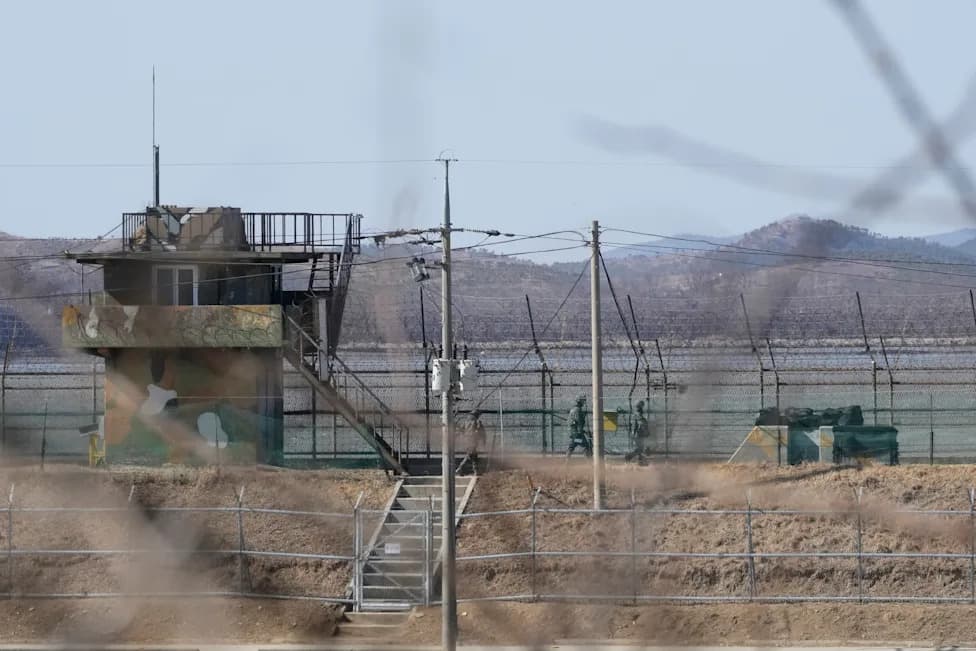
FILE - South Korean army soldiers patrol along the barbed-wire fence in Paju, South Korea, near the border with North Korea, on Feb. 18, 2025. (AP Photo/Ahn Young-joon, File)
South Korea's military announced Monday that two explosions inside the Demilitarized Zone (DMZ) on Sept. 21 that wounded three South Korean officers were likely triggered by mines laid by North Korea.
The Joint Chiefs of Staff made the preliminary finding after a site inspection carried out together with the U.S.-led United Nations Command. Investigators cited blast marks, scattered debris and what appeared to be a third suspected mine found at the scene as evidence pointing to North Korean mine-laying.
What Happened
The officers were injured by two consecutive explosions while establishing a patrol route in a western section of the DMZ near the military demarcation line. The route runs through ground that has been little visited for decades and was being opened so Seoul and the U.N. Command could conduct future inspections after detecting "terrain changes" last year that suggested new mine-laying activity.
Official Response
Kwon Dae-won, vice chairman of South Korea's Joint Chiefs of Staff, said investigators see a "very high possibility" that the mines were planted by North Korea and noted there is no record of South Korean or allied forces deploying mines in the area. "If the final investigation reaches the same conclusion," Kwon said, "we will hold North Korea fully responsible for this. Our military will take appropriate and corresponding measures." He did not specify what measures might follow.
The incident echoes a 2015 case in which land mine explosions maimed two South Korean soldiers and sharply raised tensions between Seoul and Pyongyang.
Context and Risks
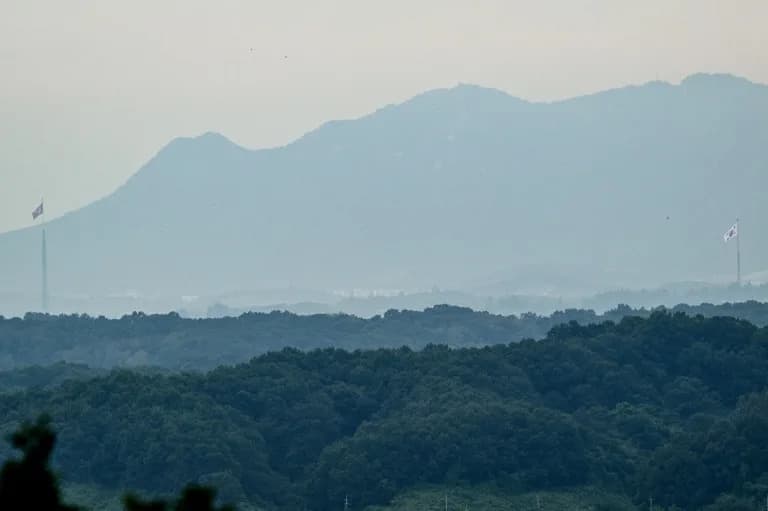
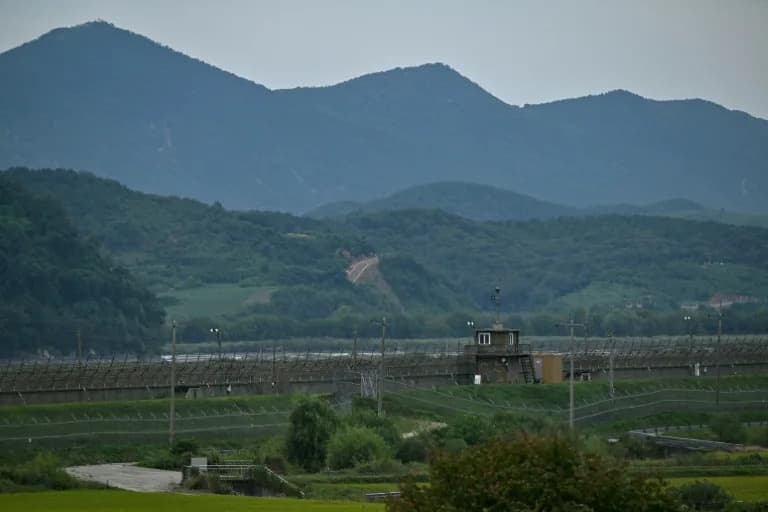
The DMZ, created by the 1950-53 Korean War armistice, stretches roughly 248 kilometers (155 miles) long and about 4 kilometers (2.5 miles) wide and is one of the world's most heavily fortified borders. Officials estimate as many as 2 million mines may be buried in and around the zone, which is also protected by barbed wire, tank traps and frontline troops on both sides.
In recent months, South Korea has reported new North Korean fortifications, including added mines and anti-tank barriers, raising concern about an increased forward presence of North Korean forces near the DMZ. If investigators' final findings confirm North Korean responsibility for the Sept. 21 explosions, the development could further strain already tense relations amid stalled diplomacy and Pyongyang's advancing weapons programs.
Help us improve.