The U.S. Supreme Court opened its new nine-month term on Oct. 2, returning a docket heavy with cases tied to President Trump’s use of executive power. The 6-3 conservative court will consider challenges involving immigration detention and expulsions, a transgender military ban, cuts to research grants, asylum restrictions and a major December case on assault-style rifle limits. Legal experts say the court has shown a willingness to strengthen the presidency while still enforcing statutory and constitutional limits.
Supreme Court Opens New Term With Major Tests of Trump's Executive Power
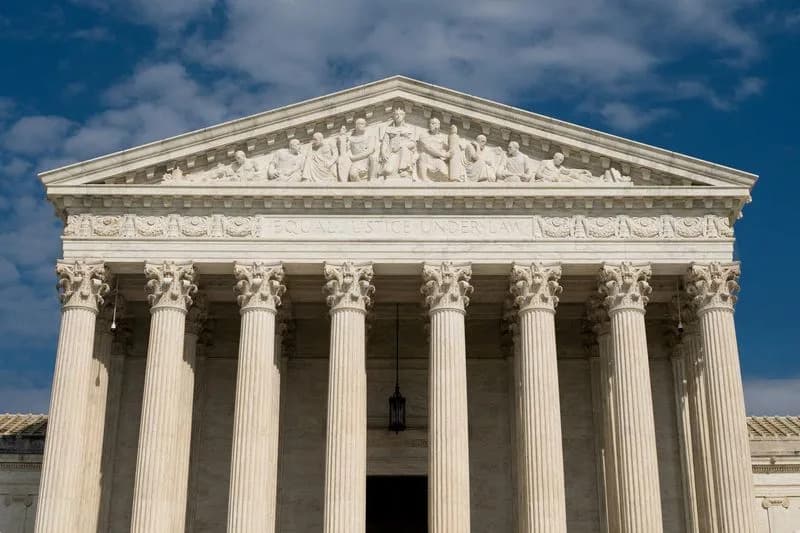
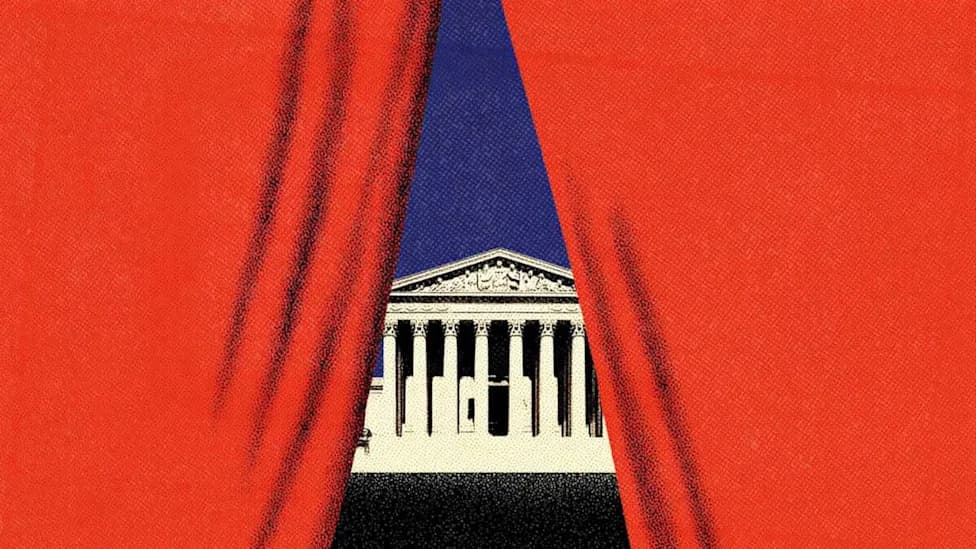
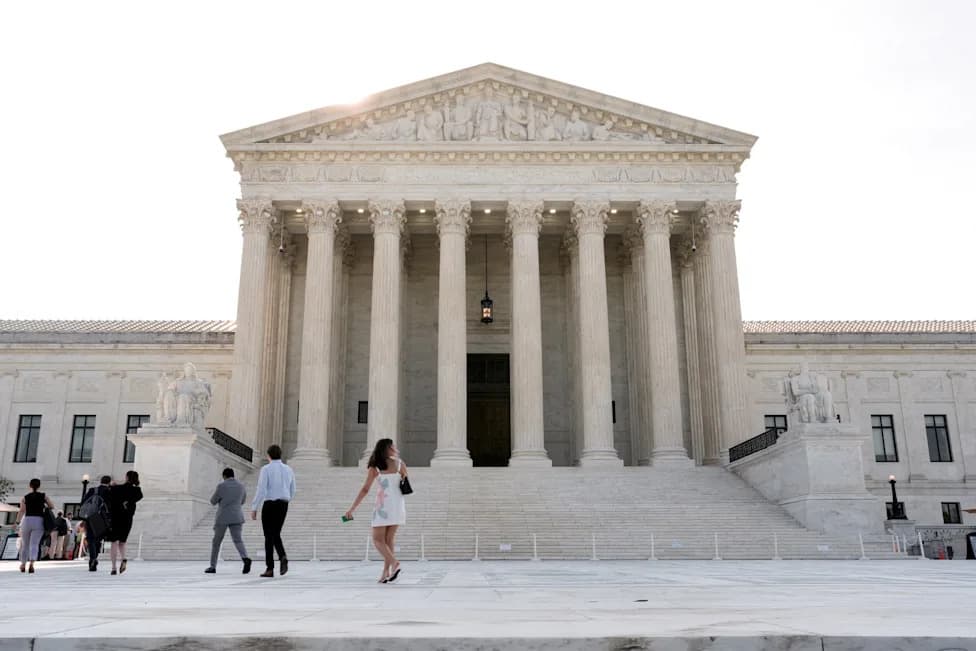
FILE PHOTO: The US Supreme Court in Washington, D.C., U.S., September 1, 2026. REUTERS/Aaron Schwartz/File Photo
On Oct. 2, the U.S. Supreme Court began a new nine-month term that will again put President Donald Trump's expansive executive actions under the justices' microscope. With a 6-3 conservative majority, the court returns after a term that delivered several high-profile victories for the administration as well as notable setbacks.
A Familiar Docket
The court has already agreed to hear challenges to two central pillars of the administration's immigration agenda: mandatory detention without a bond hearing and the rapid expulsion of migrants to countries other than their own. The Justice Department has also appealed rulings tied to the transgender military ban, cuts to academic research grants, efforts to appoint federal prosecutors, and the suspension of asylum processing at the U.S.-Mexico border. The justices will decide over the coming weeks which of those appeals to take up.
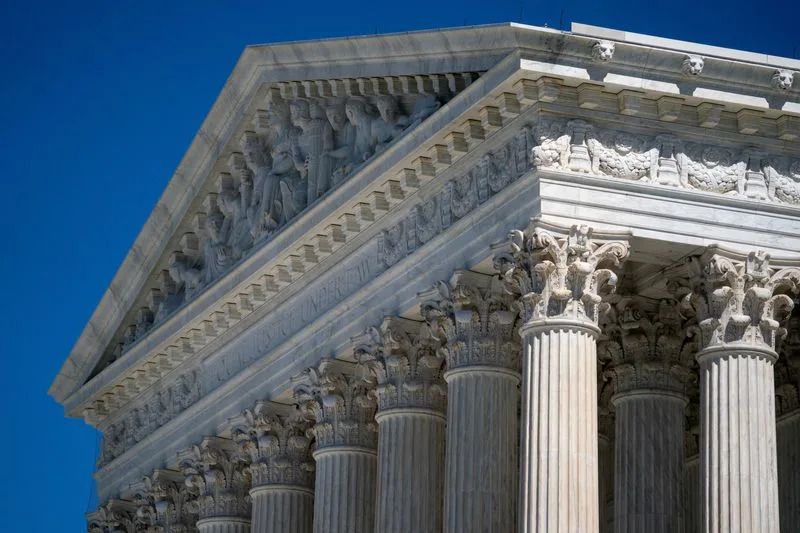
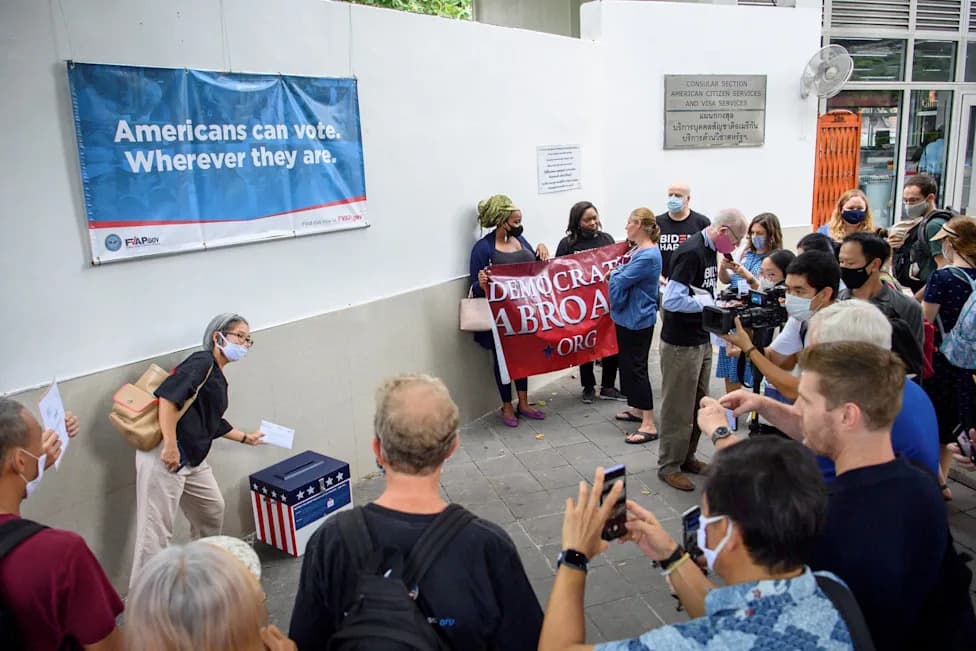
A view of the US Supreme Court, after it revived an expanded database that US President Donald Trump's administration said aims to combat voting by noncitizens, but critics contend could disenfranchise eligible voters, in Washington, DC, US, September 25, 2026. REUTERS/Nathan Howard
How the Court Has Shifted the Balance
Legal scholars and court-watchers say the Roberts Court has often been willing to endorse a robust executive branch while still enforcing boundaries where presidential actions conflict with federal statutes or constitutional limits. Last term, the justices both curtailed and upheld different aspects of presidential power — blocking some initiatives while allowing others to proceed during ongoing litigation.
"The Supreme Court has consistently facilitated the Trump administration's efforts to radically transform the scope of presidential power in the United States," said Jenny Breen, a professor at Syracuse University College of Law. "But when the court enforces federal law, it has stepped in against the president."
Notable Past Rulings And What's Ahead
Among recent decisions, the court overturned a longstanding 1935 precedent in a ruling that expanded presidential control over independent regulators — a change experts say significantly strengthened executive authority. At the same time, the justices rejected some of the president's bids on issues such as birthright citizenship and other high-profile efforts.
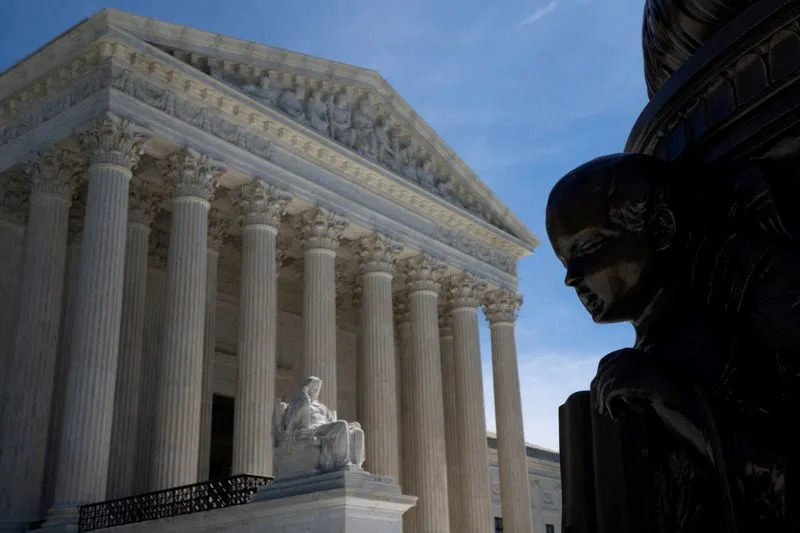
FILE PHOTO: A view of the US Supreme Court in Washington, DC, US, September 25, 2026. REUTERS/Nathan Howard/File Photo
This term, the court may again confront cases with broad policy implications: a challenge to the transgender military ban (including claims the policy was motivated by discriminatory intent), a case on state restrictions of assault-style rifles scheduled for argument in December, and litigation involving protections for transgender youth seeking care at shelters. Lower-court rulings remain in place on many of these matters while appeals proceed.
Politics, Personnel And Public Reaction
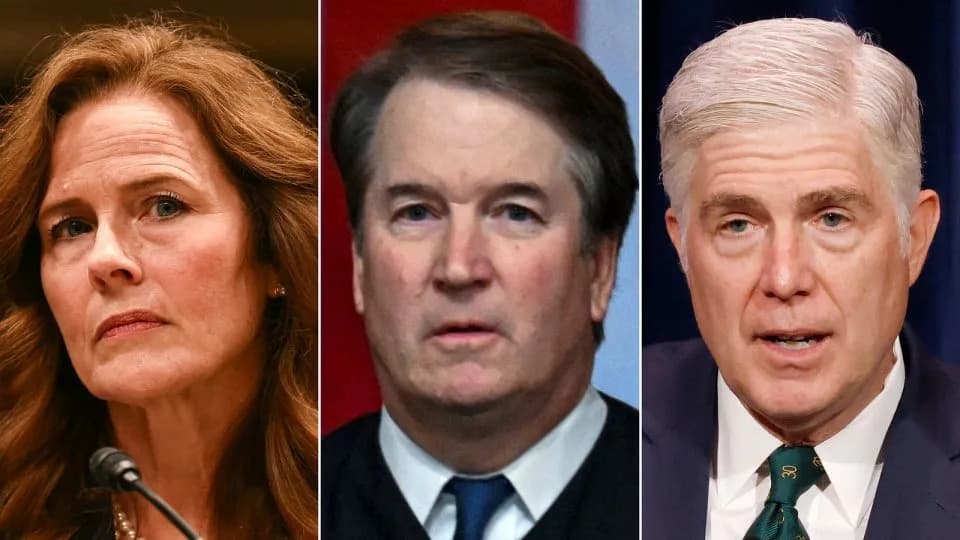
President Trump has publicly criticized several conservative justices he appointed, including Neil Gorsuch, Brett Kavanaugh and Amy Coney Barrett, accusing them of insufficient loyalty after they ruled against him in some cases. Those three appointments helped create the court's current conservative supermajority, which has issued landmark rulings narrowing abortion protections, expanding certain gun and religious rights, limiting race-conscious college admissions, and curbing aspects of federal agency authority.
Observers say the court is not a simple rubber stamp for the White House nor an organized resistance: it often focuses on preserving the constitutional balance among the executive, legislative and judicial branches. How the justices resolve separation-of-powers questions will be central to how far the president can expand his authority through policy and administrative action.
(Reporting originally by Andrew Chung; editing and enhancement by editorial staff.)
Help us improve.