A drone struck Tigrai TV's Mekelle headquarters as heavy fighting between the TPLF and federal forces intensified in northern Ethiopia. Rebels reportedly captured Erebti in Afar and pushed toward Afdeera, displacing an estimated 150,000 people. Communications blackouts and renewed drone strikes have raised UN concern, while the federal government retains a significant military advantage and foreign backing.
Drone Strikes Tigrai TV as TPLF Advances in Northern Ethiopia, Displacing an Estimated 150,000
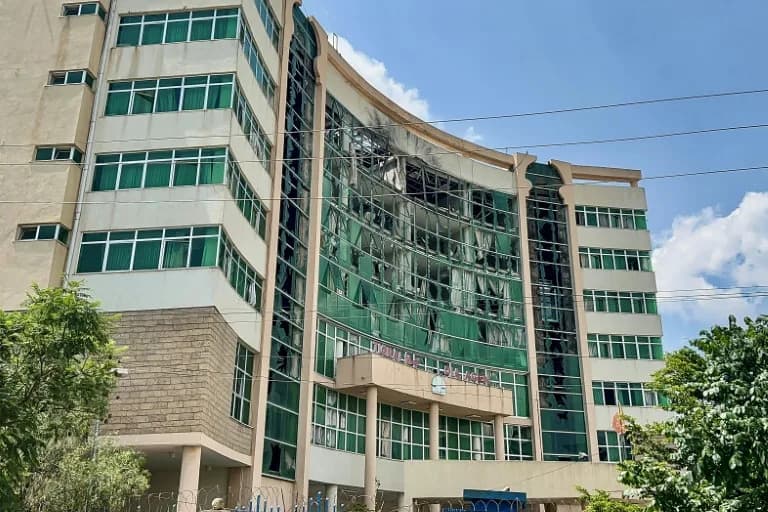
Tigrai TV's headquarters was hit by a drone on Sunday (-)
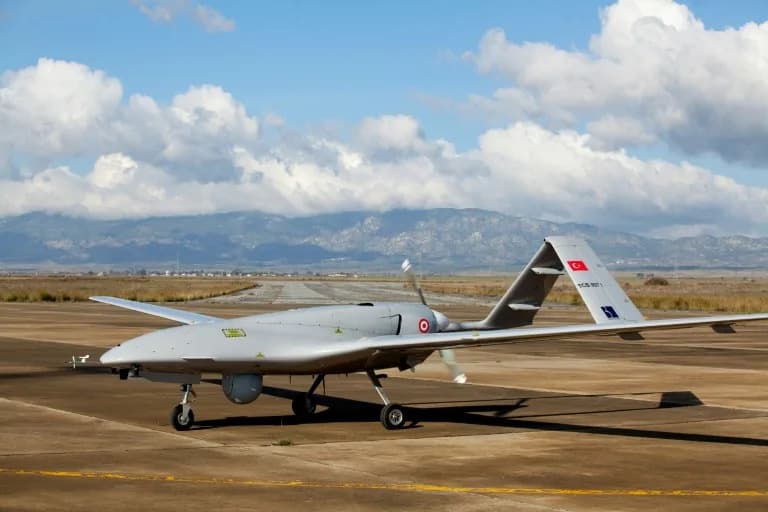
A drone struck the headquarters of Tigrai TV in Mekelle early on Sunday as renewed heavy fighting between the Tigray People's Liberation Front (TPLF) and Ethiopia's federal forces intensified in the north. Humanitarian sources say rebels seized the Afar town of Erebti and pushed toward Afdeera, forcing large-scale displacement and stoking fears of a return to the full-scale 2020–2022 conflict.
Latest Developments
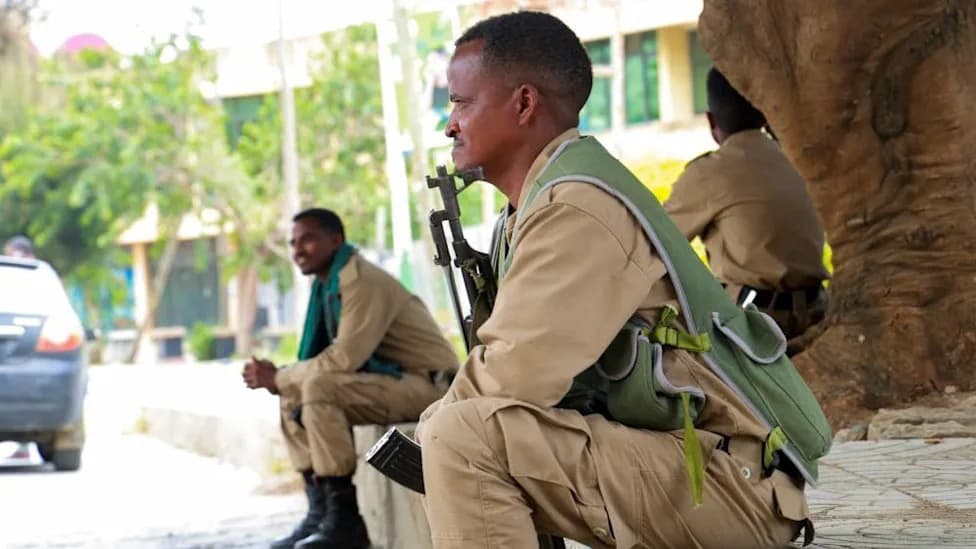
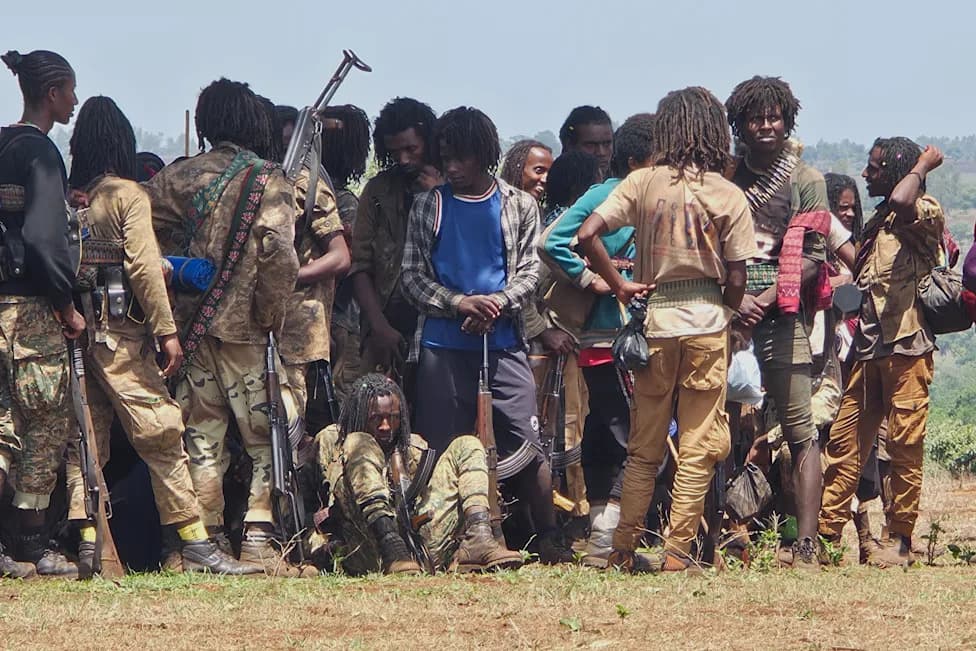
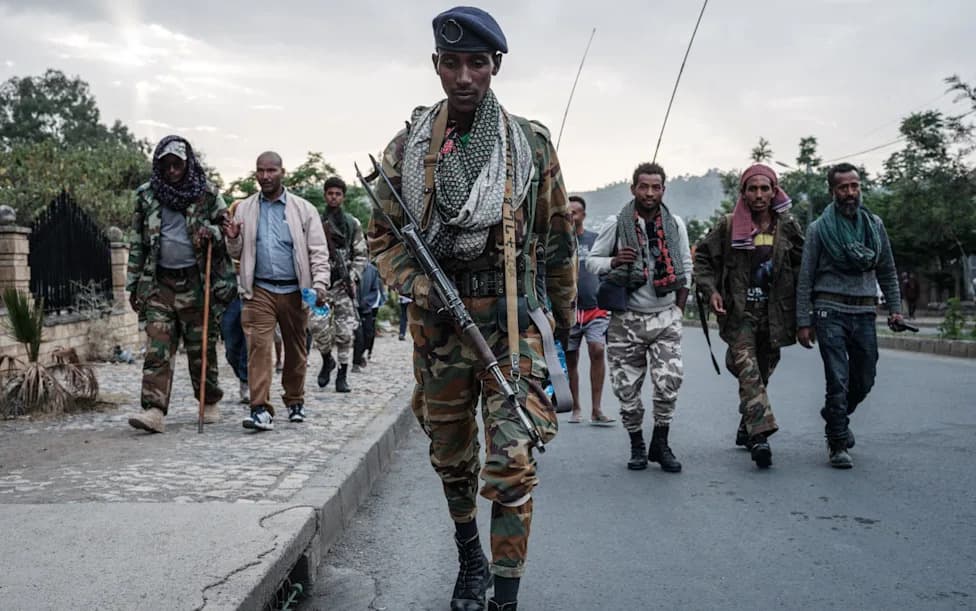
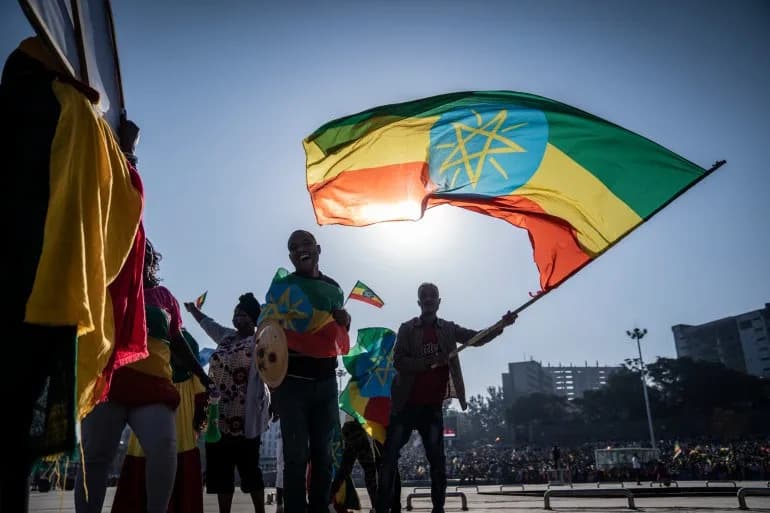
Over the past week, clashes between the TPLF and federal forces have escalated, raising concerns that the country could relapse into the devastating civil war that cost hundreds of thousands of lives. The TPLF has taken control of some local airports and launched operations into the neighbouring Afar and Amhara regions, describing its actions as a "defensive war" against Prime Minister Abiy Ahmed's government.
Attack on Tigrai TV
The Tigrai TV headquarters in Mekelle — the main broadcast outlet for the Tigrayan authorities — was hit by a drone strike at about 06:00 GMT on Sunday. Local journalists reported a loud explosion, broken windows and a blackened facade; the channel, which employs roughly 400 people, went off air after the incident. There were no immediate confirmed casualty figures. The federal government had previously announced, on September 21, that Tigrai TV was suspended "indefinitely" and barred other outlets from relaying its reports.
Humanitarian Impact
A humanitarian source reported that Erebti in Afar fell to rebel forces after heavy artillery fire and that TPLF fighters were advancing toward Afdeera, about 100 kilometres (60 miles) to the east. The source estimated at least 150,000 people have been displaced in Afar, though precise verification is difficult amid communication disruptions.
Communications, Blockade Fears and Civilian Risk
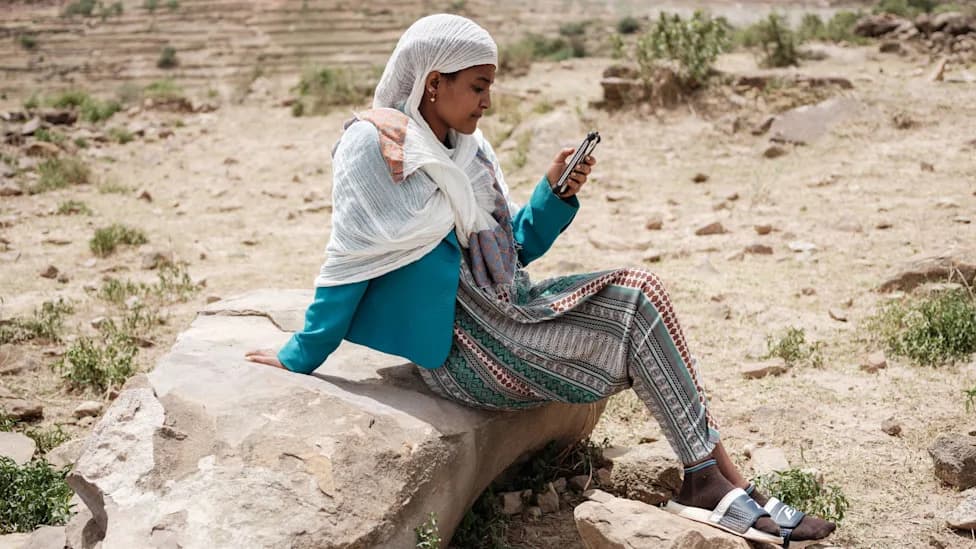
Major telecom providers reported widespread phone and internet outages in Tigray beginning Friday, complicating independent reporting and humanitarian coordination. Many residents fear a repeat of the blockade imposed during the 2020–2022 war, when electricity, banking services and most aid were cut off — a period associated with severe civilian suffering.
International Concerns and Military Balance
The United Nations voiced alarm over renewed drone use and reports of civilian harm. The federal government retains a significant military advantage, with an extensive drone fleet, an army estimated at roughly 500,000 troops and external backing, notably from the United Arab Emirates. Observers also warn the conflict risks wider regional involvement: Eritrea could be drawn in amid tensions over Ethiopia's access to the Red Sea.
Background: The TPLF governed Ethiopia from 1991 until 2018, when it was sidelined by Prime Minister Abiy Ahmed's rise. The Pretoria Peace Agreement of 2022 brought a fragile calm but was never fully implemented, leaving large numbers displaced and unresolved grievances that have contributed to renewed hostilities.
As fighting continues, independent verification of many reports remains challenging because of disrupted communications. Humanitarian organizations and international actors have called for de-escalation and unfettered access for aid workers to reach affected civilians.
Help us improve.