World leaders, ministers and negotiators meet in Nadi, Fiji (Oct 5–8) to prepare for COP31 in Turkey, spotlighting the urgent climate threats faced by Pacific island nations. A recent UN report warns of record sea-level rise, up to 1.2 billion people at risk by 2050, and a major adaptation finance shortfall. Delegates will visit Tuvalu to see land-reclamation efforts and hear direct testimony about the immediate impacts of rising seas. The talks will test international resolve on the 1.5°C goal, climate finance and ocean protection.
World Powers Convene in Fiji as Pacific Islands Sound Alarm on Rising Seas
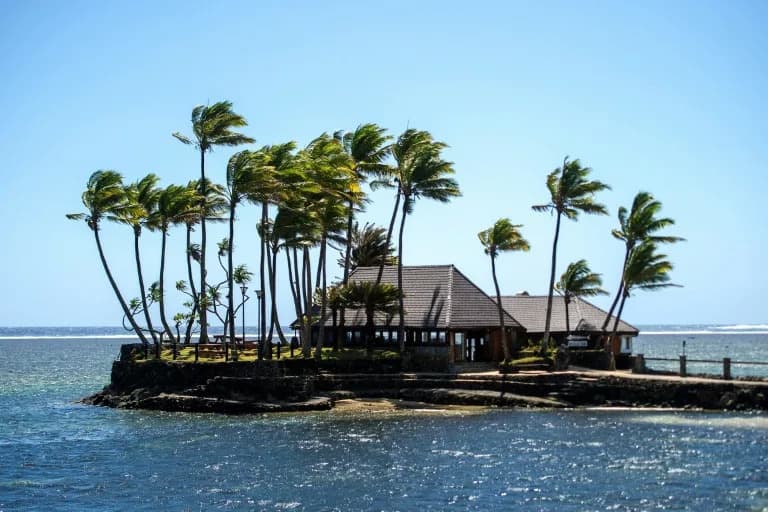
Climate negotiators are heading to Fiji to lay the ground for global decisions on climate change (LEON LORD)
Delegations from around the world have flown to the Pacific to negotiate responses to global warming and to witness first-hand the threats facing low-lying island states as seas rise. Ministers, climate negotiators and a small number of heads of state are meeting in Nadi, Fiji, from October 5–8 for preparatory talks shaping the agenda for COP31, due in November in Turkey's Antalya province.
What Is At Stake
Pacific governments are using the pre-COP platform to push for continued protection of the 1.5°C goal, expanded access to climate finance, and greater attention to ocean impacts. A recent UN report cited at the meetings warns that sea levels are rising at a record pace because of warming oceans and glacier melt, and that up to 1.2 billion people could be displaced by 2050. The report also notes that Pacific island states are experiencing sea-level rise at about twice the global average and highlights an adaptation finance gap: developing countries need an estimated US$310–US$365 billion for adaptation, while only US$26 billion was available for adaptation finance in 2023.
Visit to Tuvalu
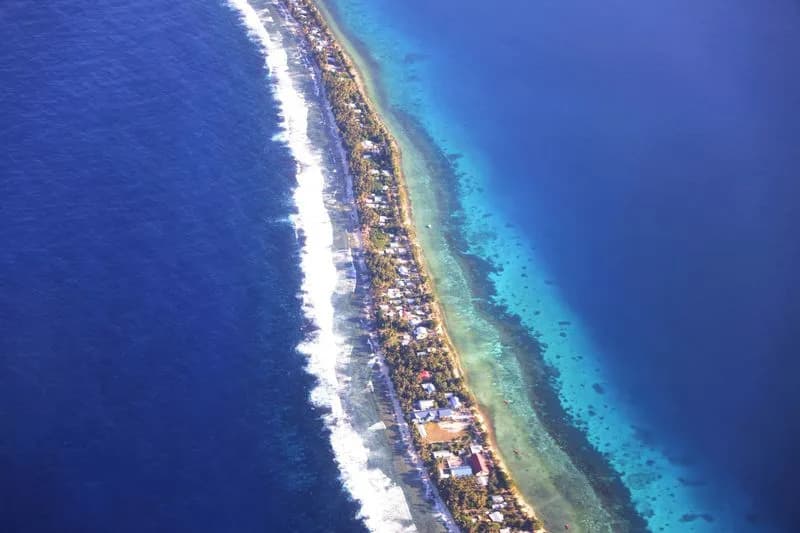
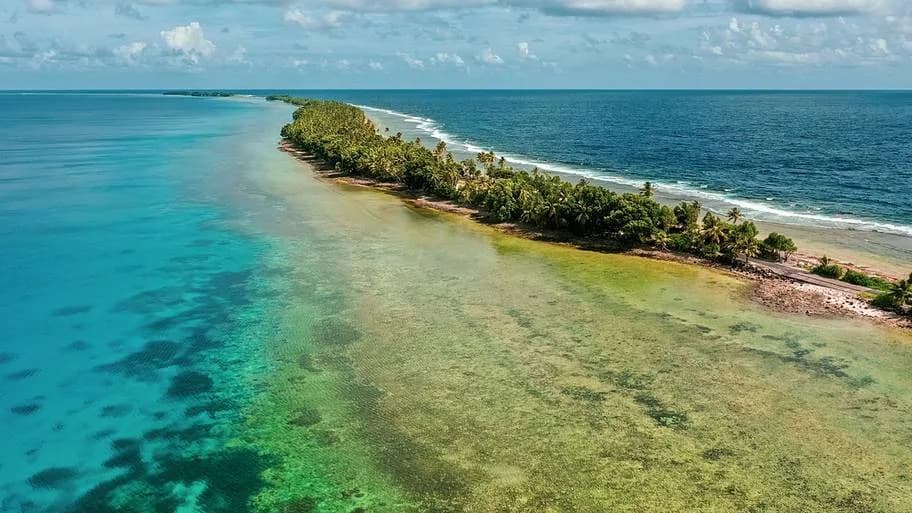
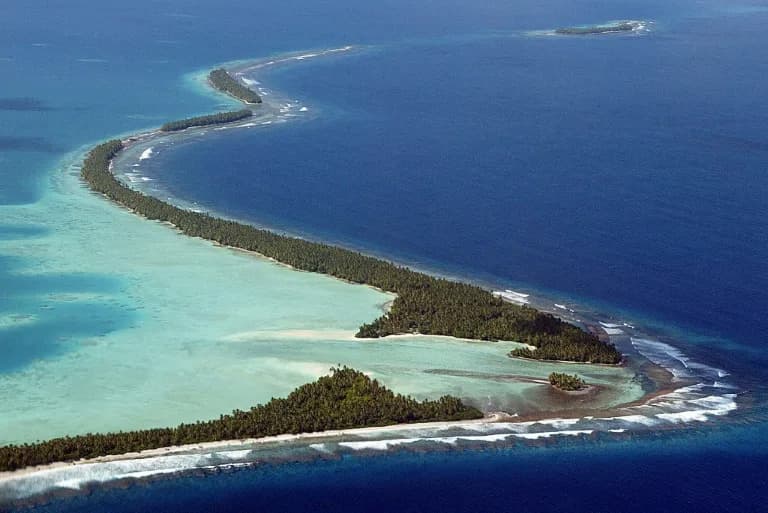
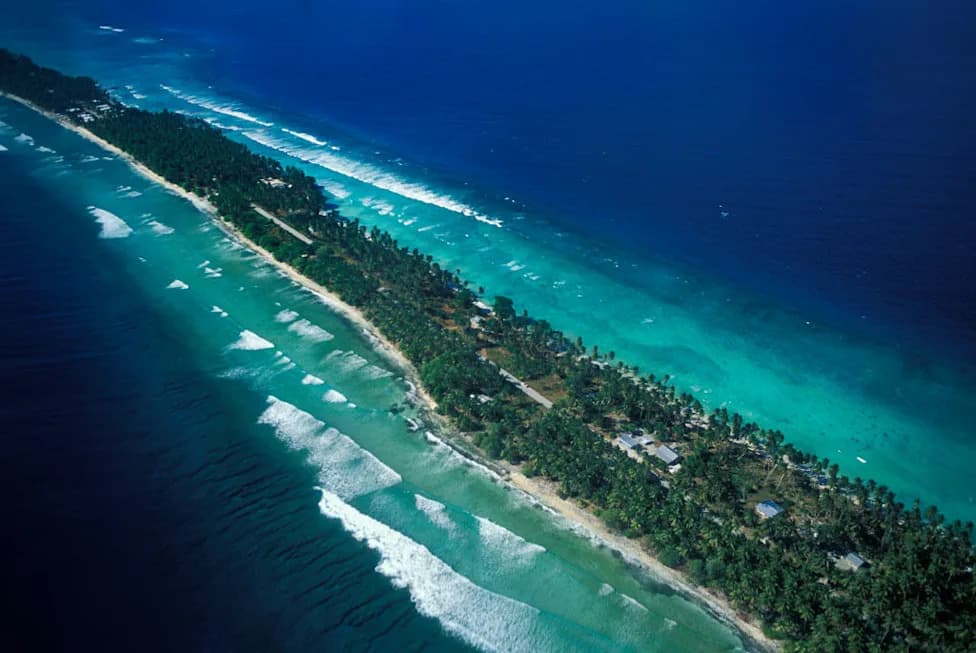
Senior delegates will make a one-day visit to Tuvalu, a low-lying nation planning contingency measures, including potential relocation, if rising seas render parts of the country uninhabitable. Officials will see Tuvalu's land-reclamation projects and hear directly from local leaders about the immediacy of the threat. Tuvalu's capital, Funafuti, has a highest point of roughly two metres above sea level, and two of the nation's nine coral atolls are already largely inundated.
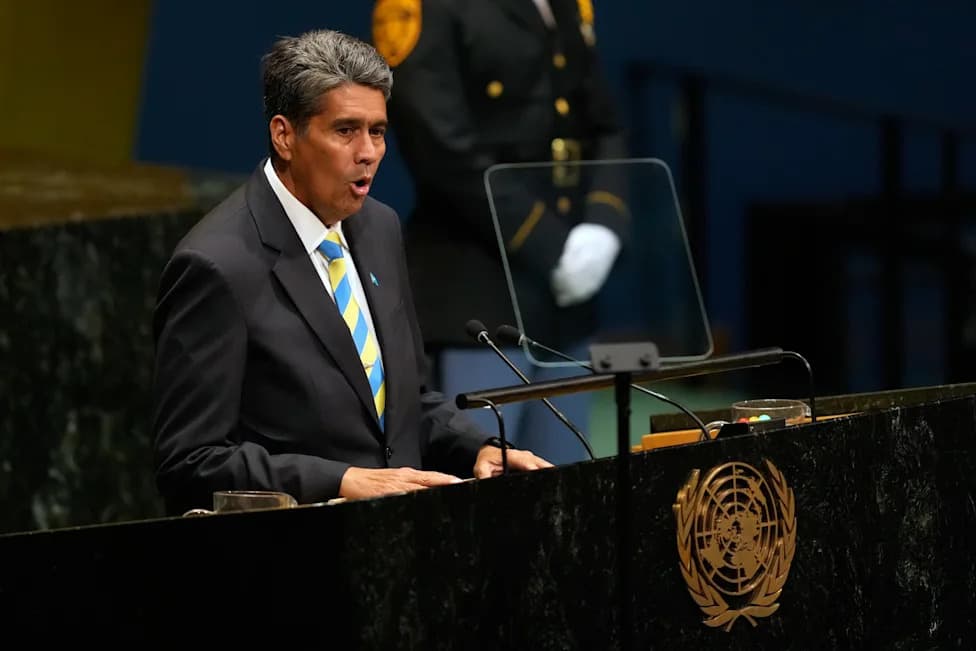
Sea-level rise is not a future threat, it is a present reality. Tuvalu's message is clear: the world must act now decisively, collectively and with urgency to protect the future for generations to come. — Tuvalu Prime Minister Feleti Teo
Politics, Attendance and Reactions
Australia, which stepped aside last year in the contest to host COP31 and now presides over the negotiations, helped bring the preparatory talks to the Pacific. As COP31 president, Australia's climate minister Chris Bowen has defended the country's rapid expansion of renewable energy while facing scrutiny over its role as a major fossil-fuel exporter. Bowen has also rejected criticism that the pre-COP failed to attract enough world leaders, saying the meeting typically operates at the ministerial and senior-negotiator level.
So far, fewer than a dozen heads of state have publicly confirmed attendance at the Fiji and Tuvalu meetings, mostly from Pacific countries. Bowen said around 4,000 participants from roughly 60 countries were expected, although organisers have not published a detailed breakdown. Fiji has said it expects heads of state from Antigua and Barbuda, Cape Verde, Thailand, the Maldives and Timor-Leste to attend.
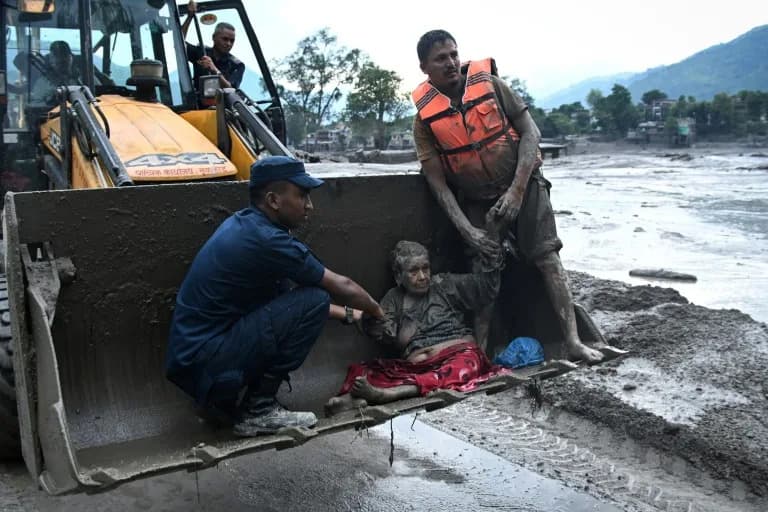
Marine scientist Rajneel Singh, who helped document widespread coral die-off around Tuvalu after a 2024 marine heatwave, expressed dismay at what he sees as limited global attention: 'It's very, very sad. There's no awareness of what's happening.' Nepal's foreign minister, Shisir Khanal, confirmed he would attend the Pacific talks after the devastating August 26 glacial and rock collapse on the Nepal-China border that killed nearly 1,500 people and left about 5,800 missing—an event he says underlines that climate-related disasters are no longer theoretical.
Help us improve.