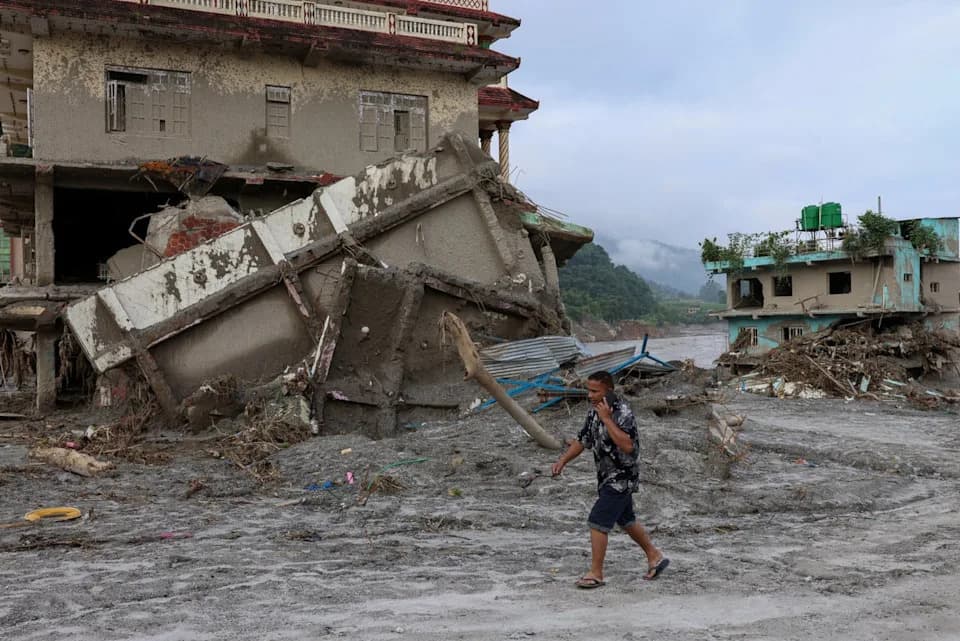
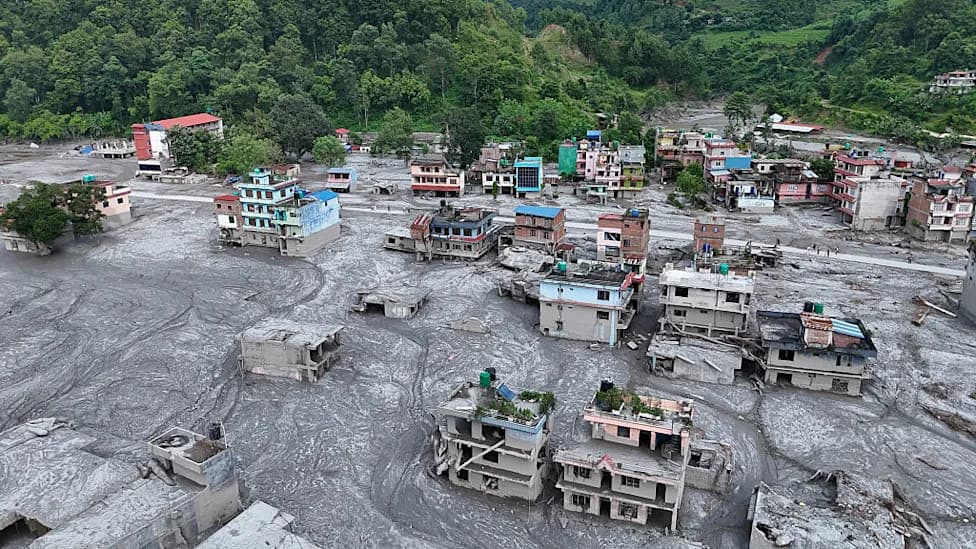
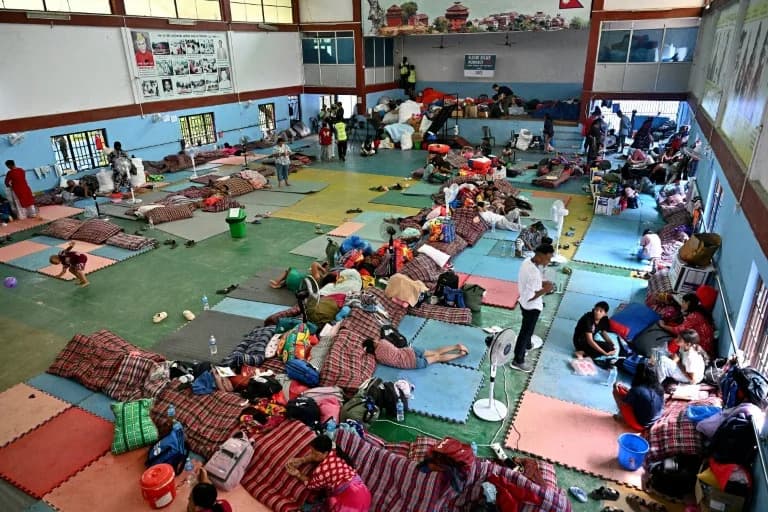
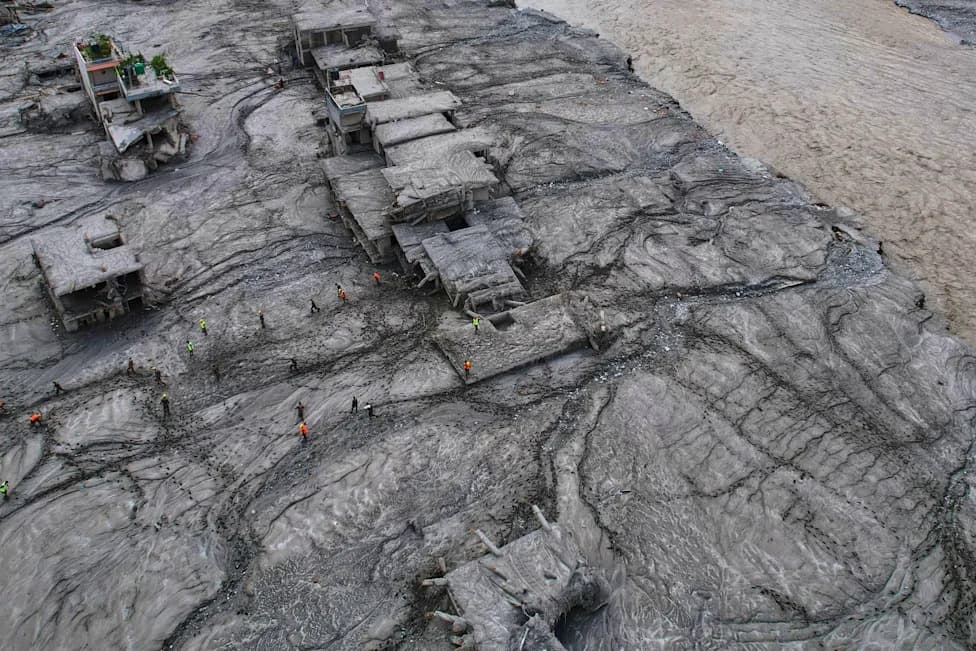
Prime Minister Balendra Shah told the UN that last month’s tsunami-like flood in Nepal was 'a warning to the world,' linking the disaster to glacier retreat and permafrost thaw driven by long-term warming. The collapse along the Nepal‑China border left more than 1,400 dead, about 6,000 missing and preliminary damages estimated at $5 billion. Shah urged richer countries to help fund adaptation, requested $20 million from the UN Loss and Damage fund, and proposed a Himalayan Climate Resilience Mechanism with India and China. The event tests international finance mechanisms as countries including the US pledge recovery aid.
Nepal PM Tells UN: Devastating Floods 'A Warning to the World' — Proposes Himalayan Climate Resilience Pact

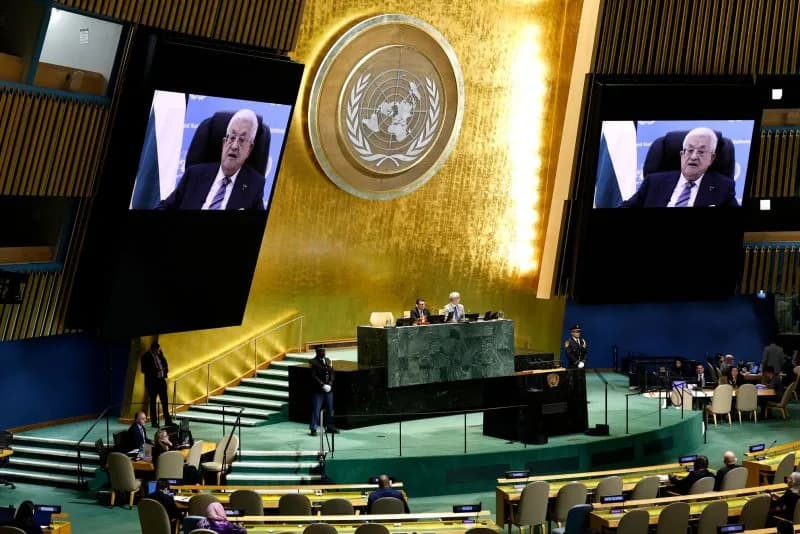
Addressing the General Assembly during its high-level week in sunglasses, Shah said a warming climate was 'destabilizing the fragile Himalayan ecology,' melting permafrost and glaciers and accelerating hazards (RYAN MURPHY)
Prime Minister Balendra Shah told the United Nations General Assembly that last month’s catastrophic, tsunami-like flood in Nepal was 'a warning to the world' about the growing dangers of climate change and a destabilizing Himalayan environment. Speaking during the Assembly’s high-level week while wearing sunglasses, Shah linked the disaster to long-term warming, glacier retreat and permafrost thaw that are accelerating mountain hazards.
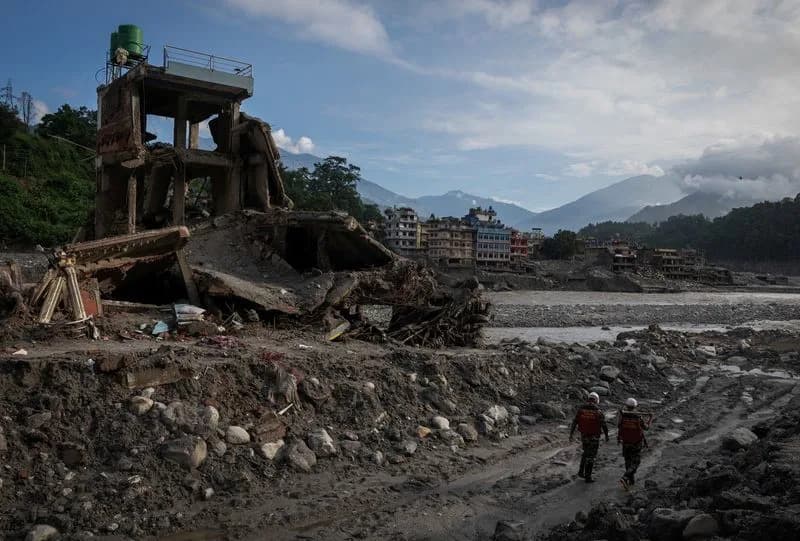
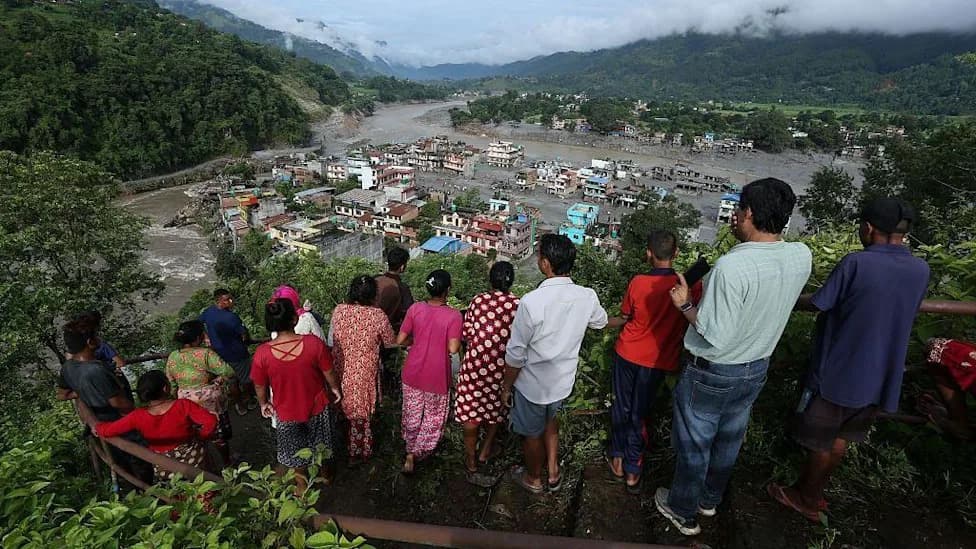
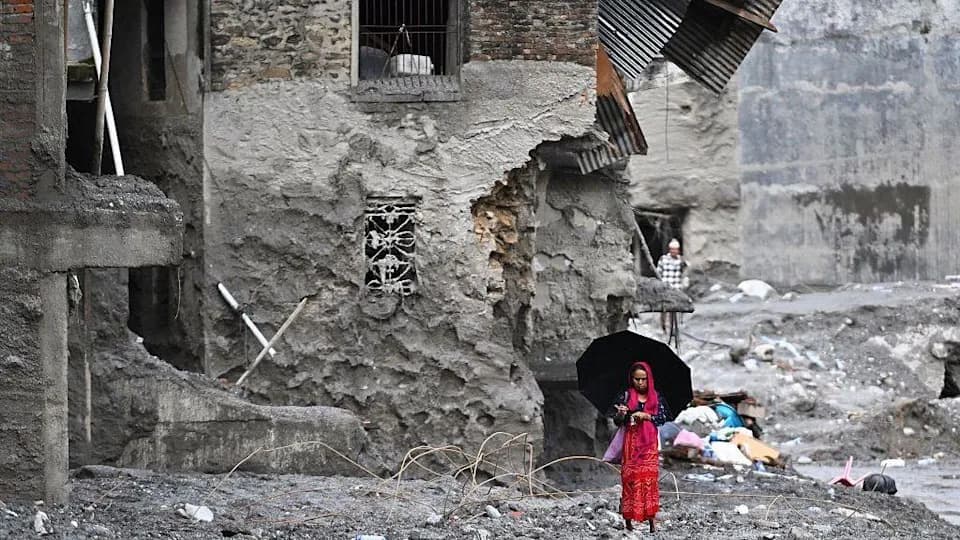
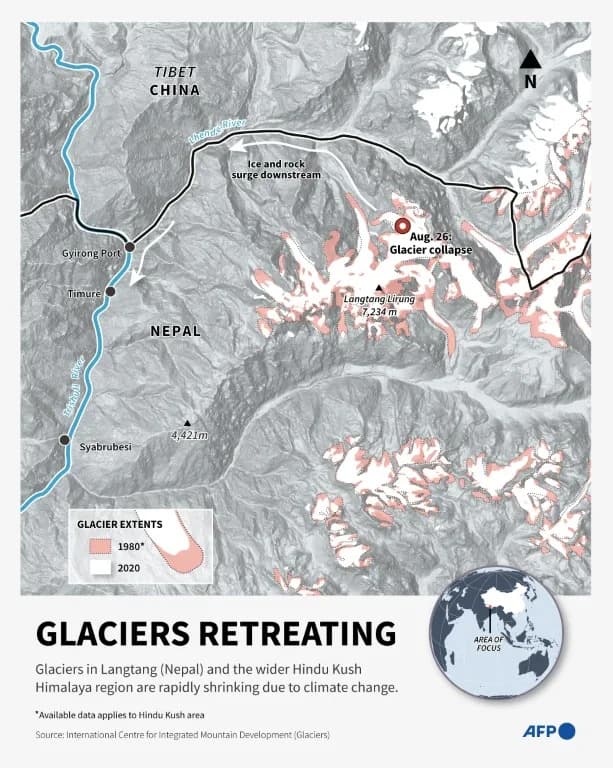
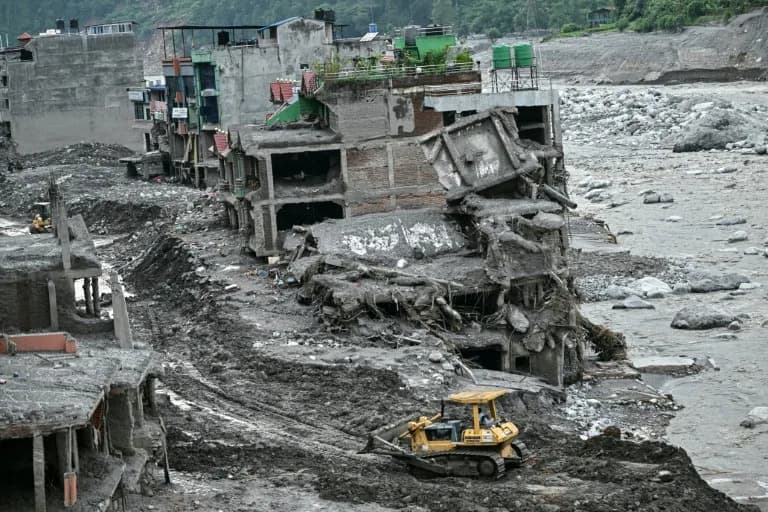
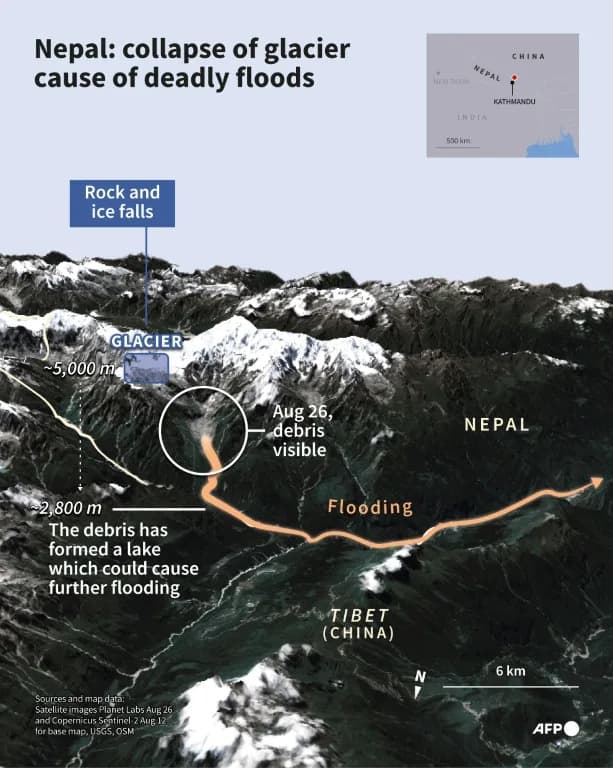
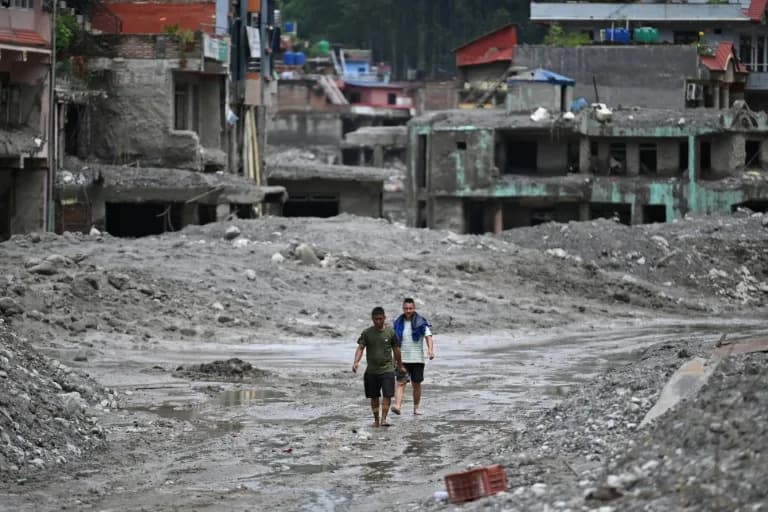
The high-altitude collapse of a glacial mountain along the Nepal‑China border triggered a sudden, powerful flood that carved a path of destruction through Himalayan valleys. Nepal has reported more than 1,400 confirmed deaths, roughly 6,000 people still missing, and preliminary government estimates place economic losses at about $5 billion.
Science, Responsibility and a Call for Support
Scientists from World Weather Attribution described the event as a 'compound crisis' in which local geological instability combined with long-term warming to drive glacier retreat and permafrost thaw. Shah pointed out that Nepal accounts for less than 0.1 percent of global greenhouse gas emissions and argued that low-emission countries are bearing the brunt of a crisis they did not create.
Shah said: ‘We did not create this crisis, yet we are paying for it,’ and urged wealthy nations to help finance adaptation and resilience measures for vulnerable Himalayan states.
Proposed Regional Mechanism and International Aid
Shah proposed a 'Himalaya Climate Resilience Mechanism' to bring Nepal together with neighbors India and China to share satellite data, technical expertise, glacial-lake monitoring and joint early-warning systems. Nepal has formally requested $20 million from the UN Loss and Damage fund — the maximum single request allowed under current rules — while the United States pledged an additional $31 million in flood recovery support.
The Loss and Damage fund, established in 2022 after catastrophic floods in Pakistan, has not yet completed its first disbursement, and observers say Nepal's application will be an early test of the fund’s effectiveness. Nepal’s foreign minister said G7 members informally pledged support at a recent meeting, and Britain has also offered assistance.
Political Context
Shah, a 36-year-old former rapper who became prime minister six months ago after youth-led anti-corruption protests, now finds climate diplomacy at the center of his premiership, temporarily eclipsing his anti-corruption agenda as recovery and resilience planning intensify.
Help us improve.